Learning addition Numbers Worksheets for Ages 4-9
4 filtered results
-
From - To
Welcome to our "Learning Addition Numbers Worksheets for Ages 4-9!" Our engaging and interactive worksheets are designed to make math fun and accessible for young learners. Tailored for children aged 4 to 9, these worksheets focus on developing essential addition skills through colorful visuals, relatable examples, and step-by-step activities. Whether in the classroom or at home, these resources cater to various learning styles and encourage independent practice. Parents and educators will appreciate the structured approach that fosters a love for math, boosts confidence, and enhances problem-solving skills. Start your child's journey to becoming an addition ace today!
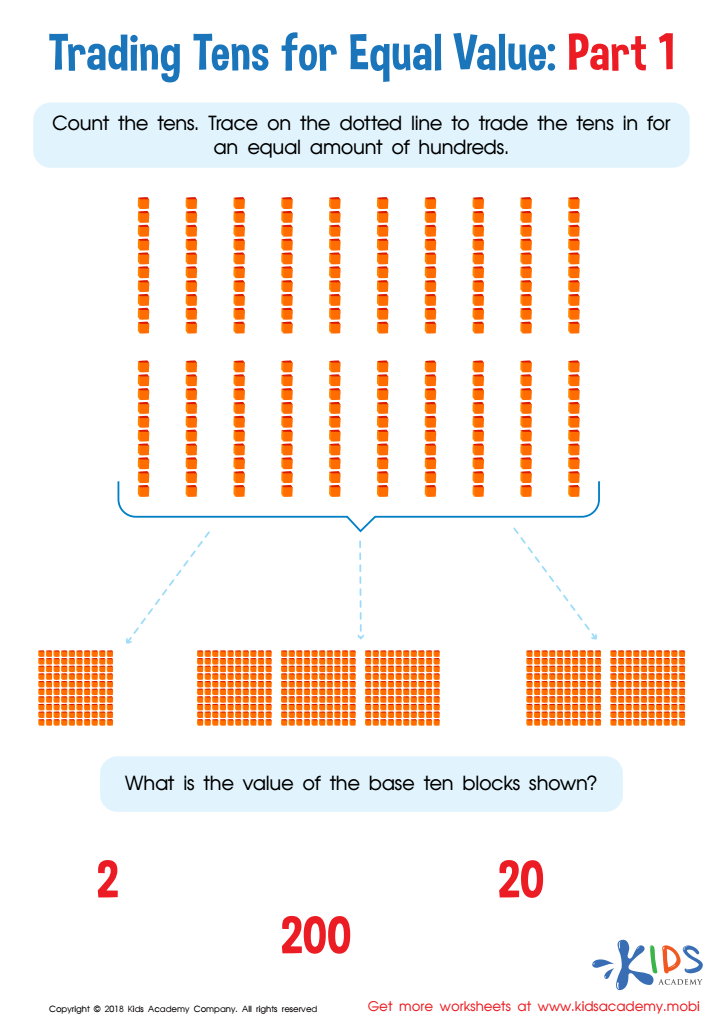
Trading Tens for Equal Value Worksheet: Part 1
 Assign to My Students
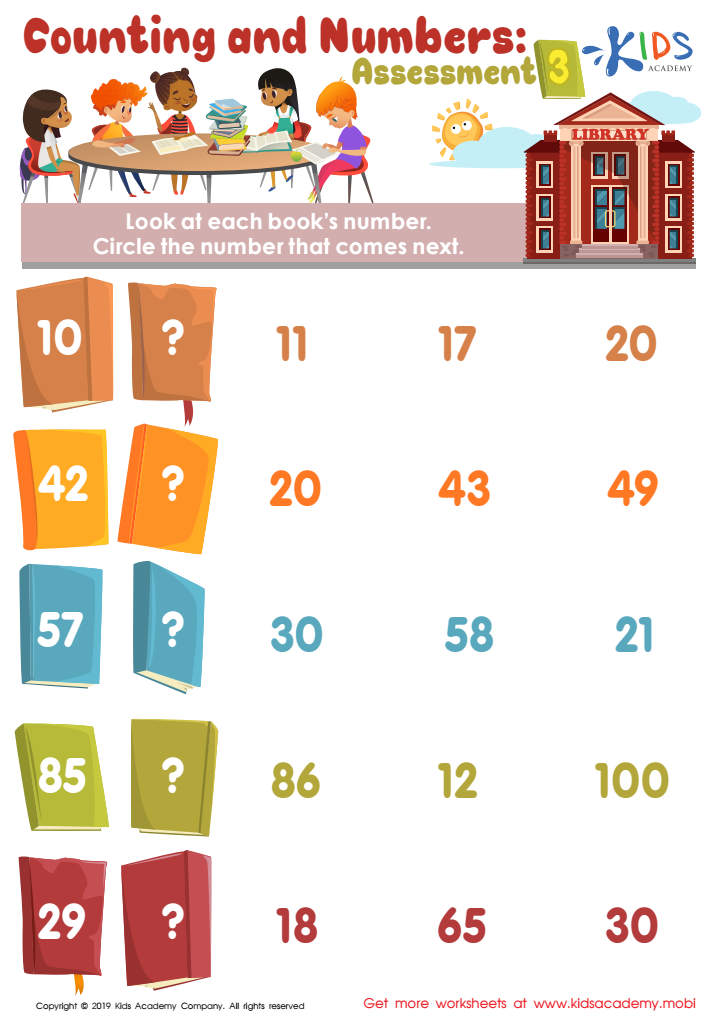
Counting and Numbers: Assessment Worksheet
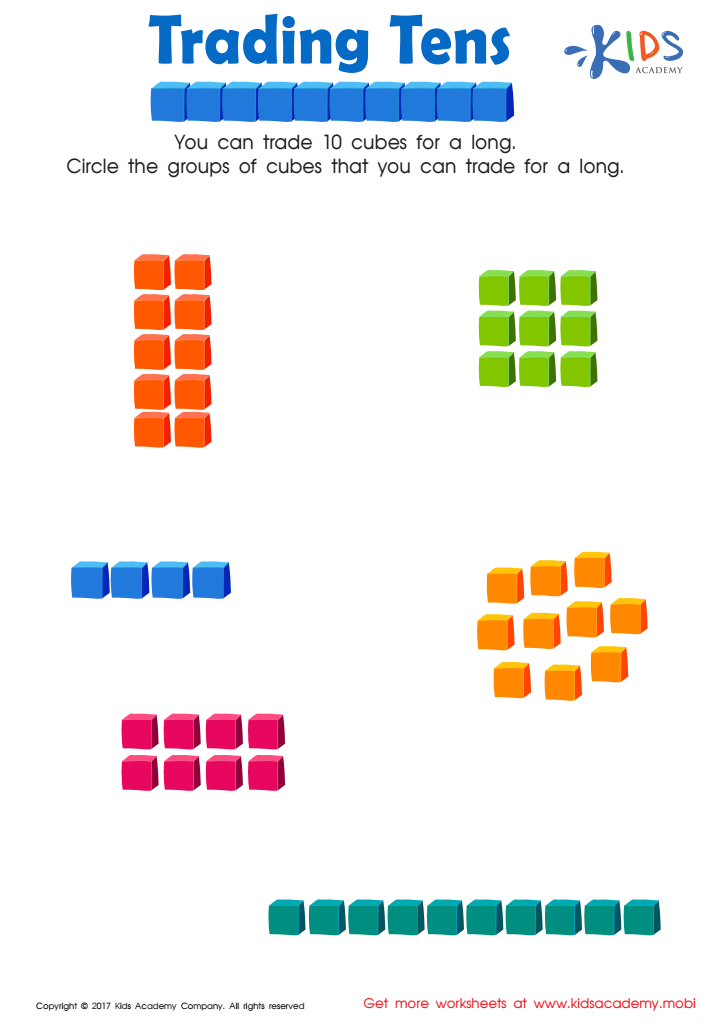
Trading Tens Worksheet
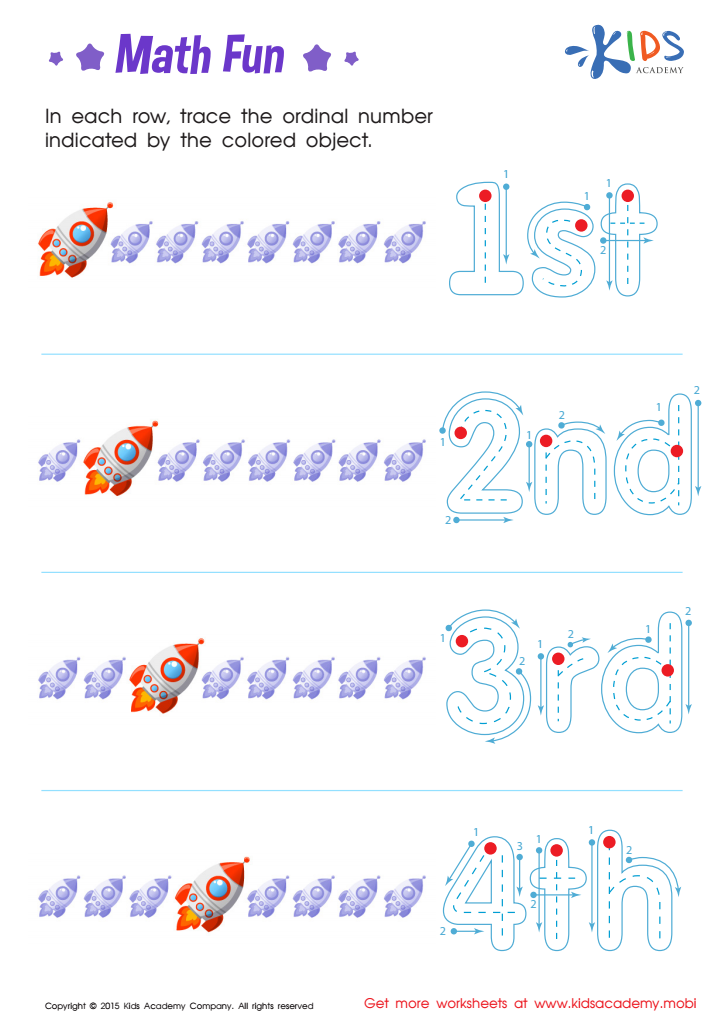
Ordinal Numbers: Math Fun Worksheet








Learning addition is a crucial foundational skill for children aged 4 to 9, and it serves as the basis for more advanced math concepts they will encounter later in their education. Parents and teachers should care about introducing addition early because it not only helps children develop numerical skills but also enhances their problem-solving abilities and critical thinking.
At this young age, children's brains are highly receptive to new information. Engaging them with fun and interactive methods—such as games, songs, and visuals—makes learning more enjoyable and effective. These activities can also foster a positive attitude toward math, helping to combat anxiety that some children may experience later on.
Additionally, mastering addition promotes greater confidence and independence in academic pursuits. Children who grasp these foundational concepts are more likely to excel as they progress to more complex subjects, thus bridging the gap to STEM-related careers in their future.
By investing time and resources into teaching addition, parents and teachers play a vital role in nurturing a generation of capable learners who can thrive in increasingly math-centric environments. Consequently, this focus on early math skills can significantly enrich children's educational experiences and preparedness for future challenges.








