Basic Math understanding Math Worksheets for Ages 4-9
12 filtered results
-
From - To
Discover engaging Basic Math Understanding worksheets designed specifically for children ages 4-9 at Kids Academy. Our curated collection includes a variety of fun and educational activities that help young learners develop essential math skills, such as counting, addition, and subtraction. These worksheets are perfect for reinforcing classroom learning or for home practice. With colorful illustrations and interactive exercises, children will enjoy mastering the foundational concepts required for their mathematical journey. Support your child's early math development with our comprehensive resources that promote confidence and a love for learning. Browse our worksheets and set your child up for math success today!
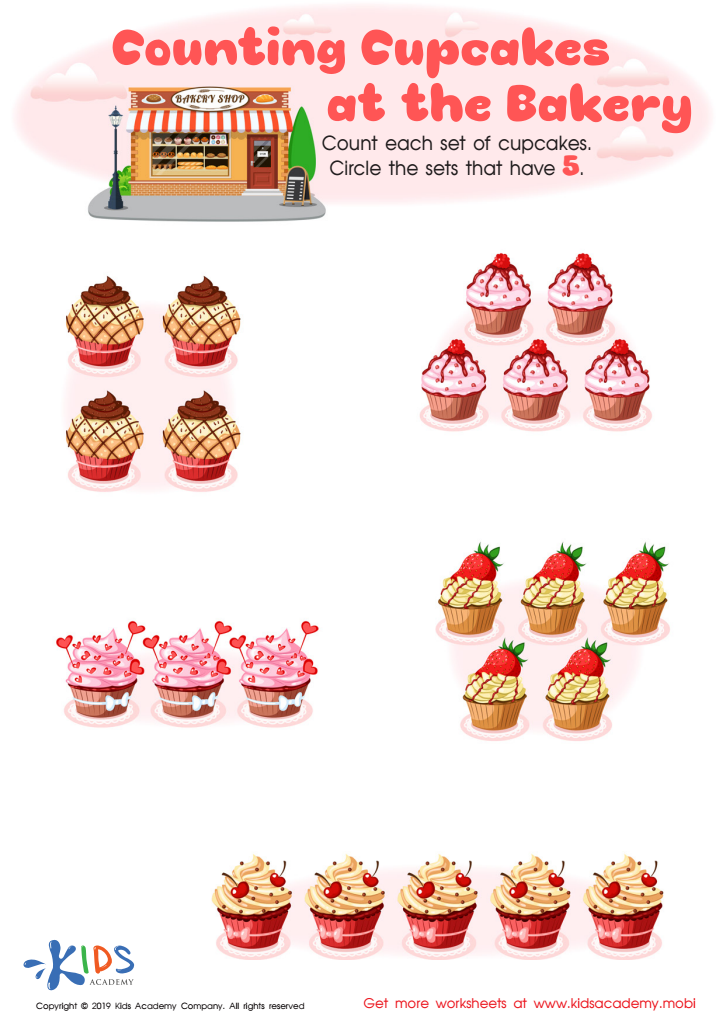
Counting Cupcakes Worksheet
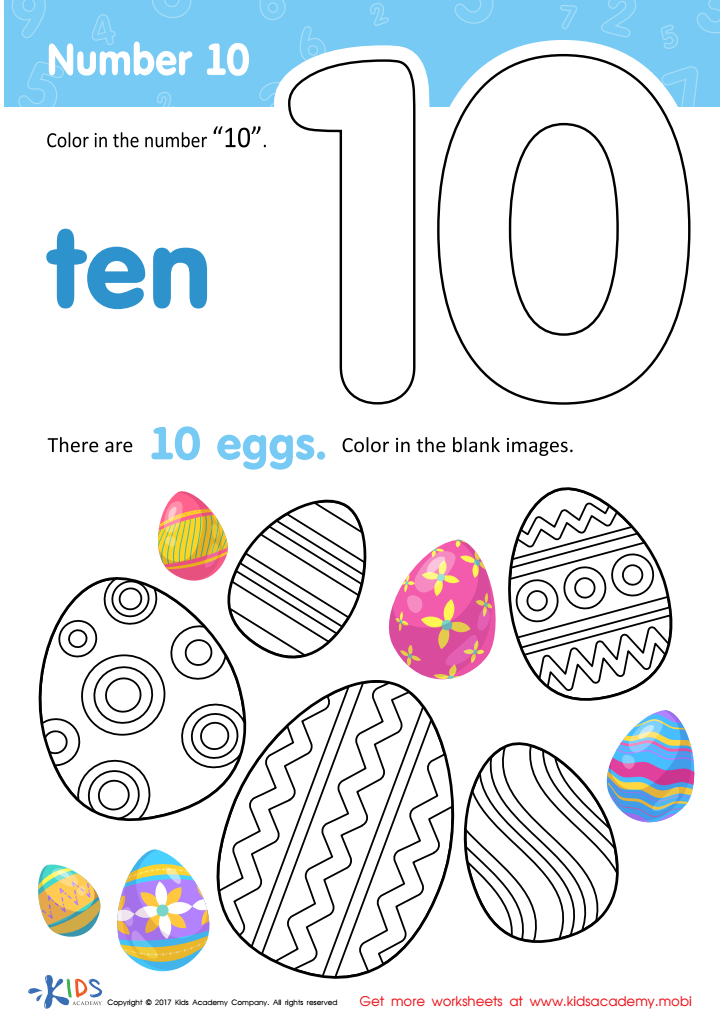
Number 10 Printable
 Assign to My Students
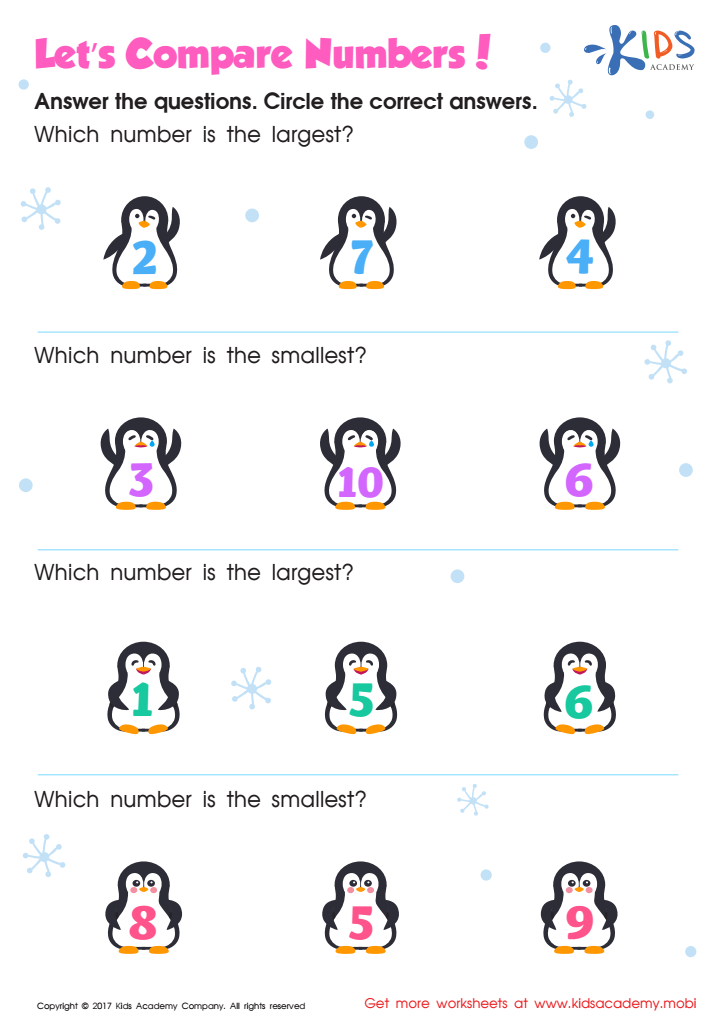
Comparing Numbers 1–10 Worksheet Kindergarten
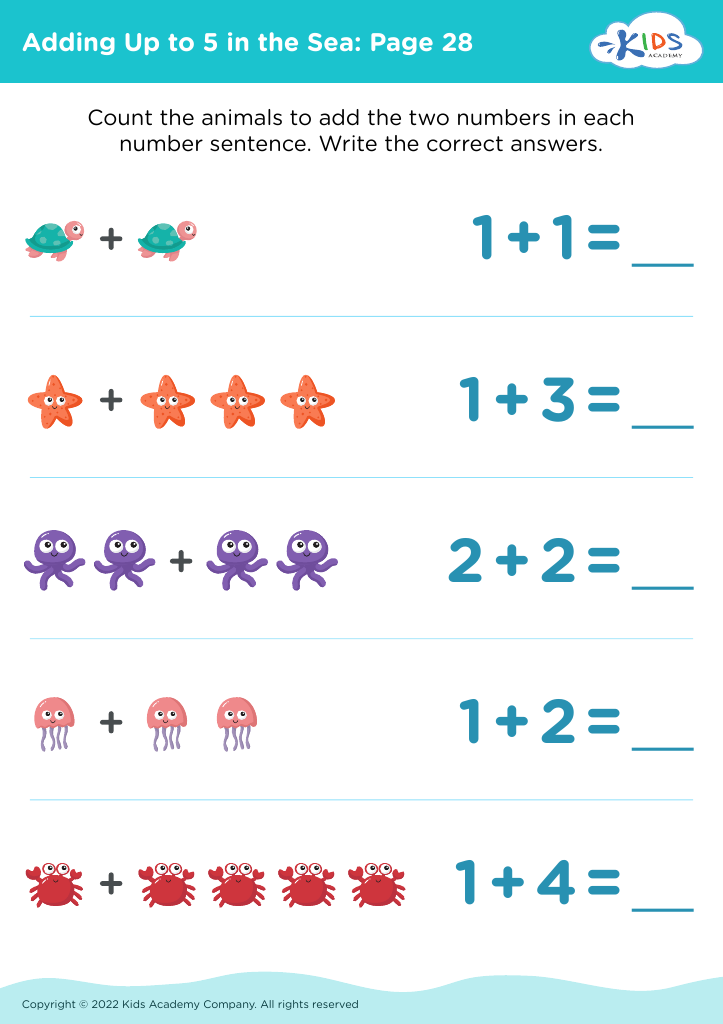
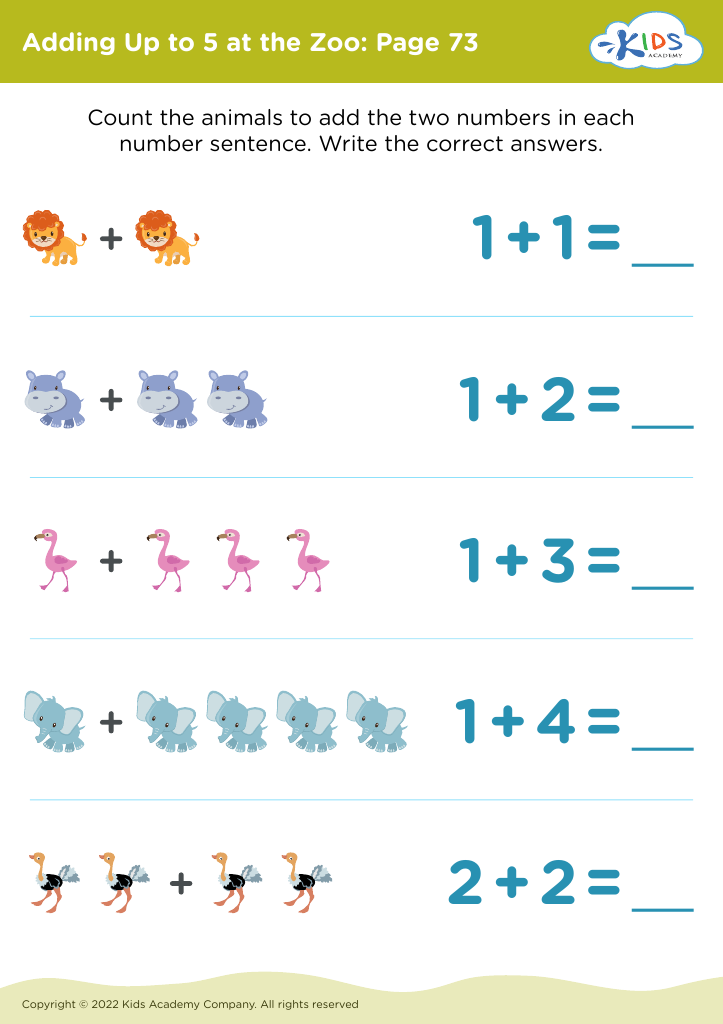
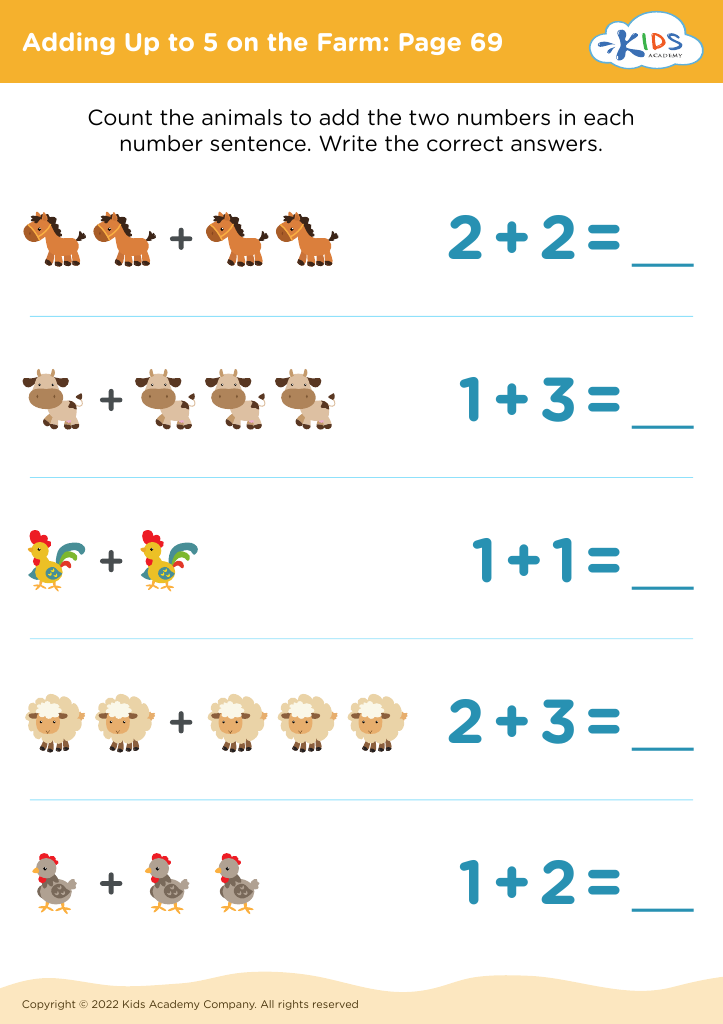
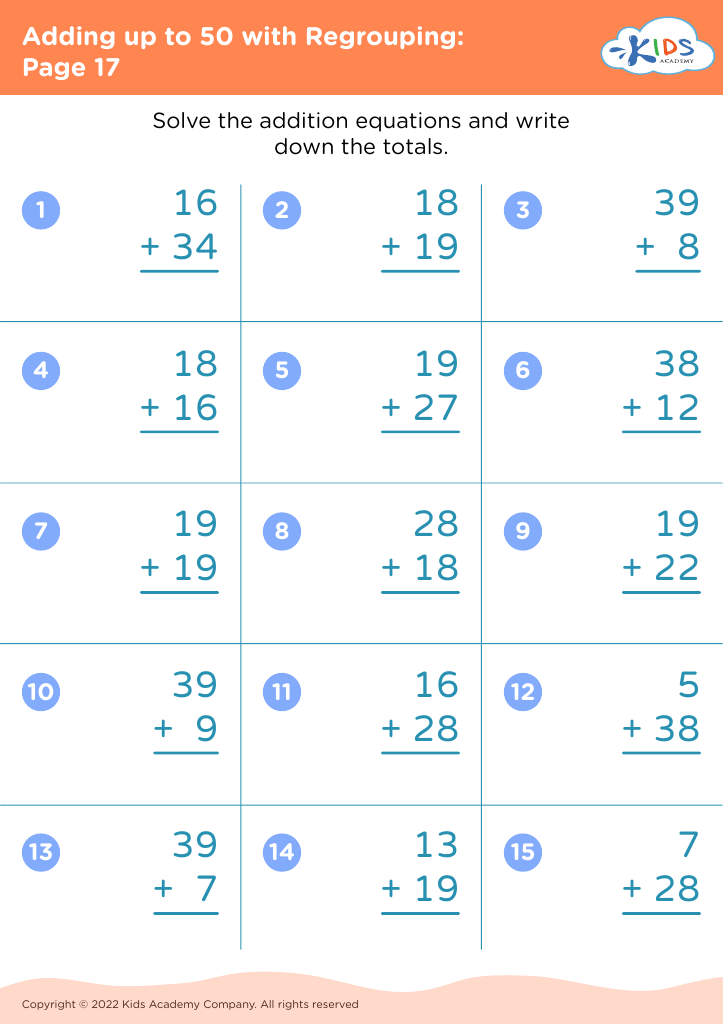
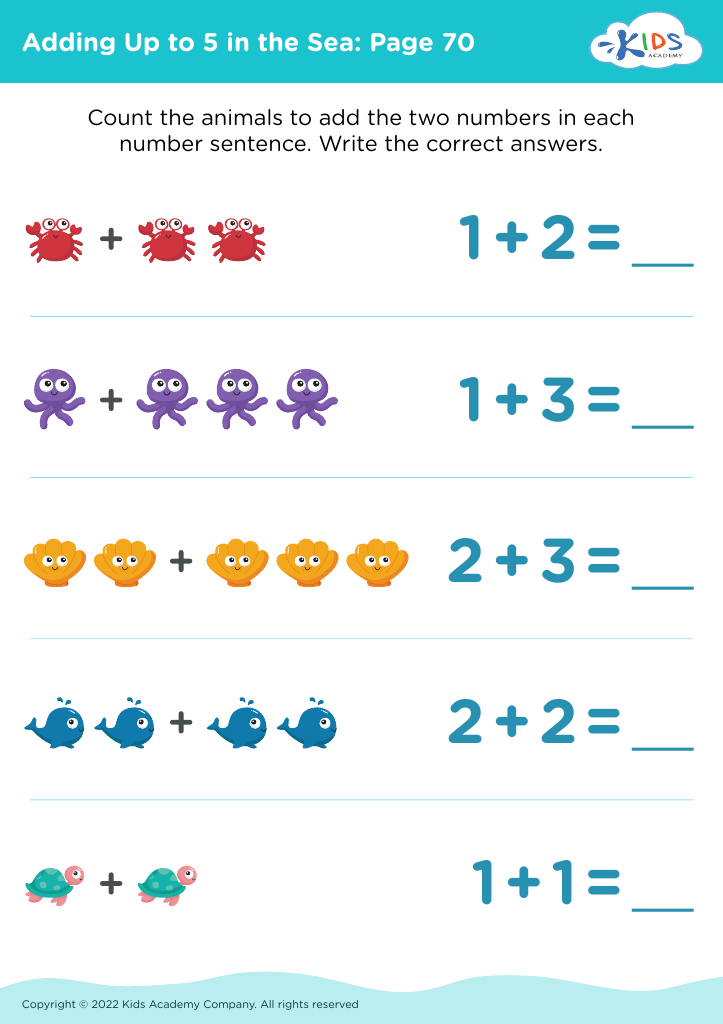
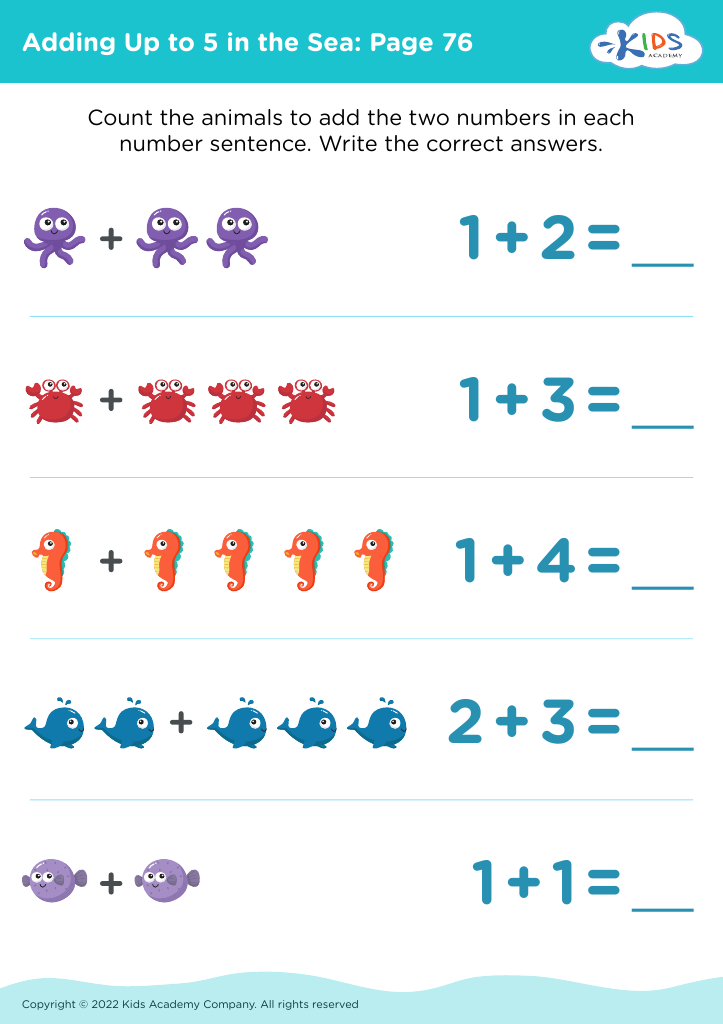
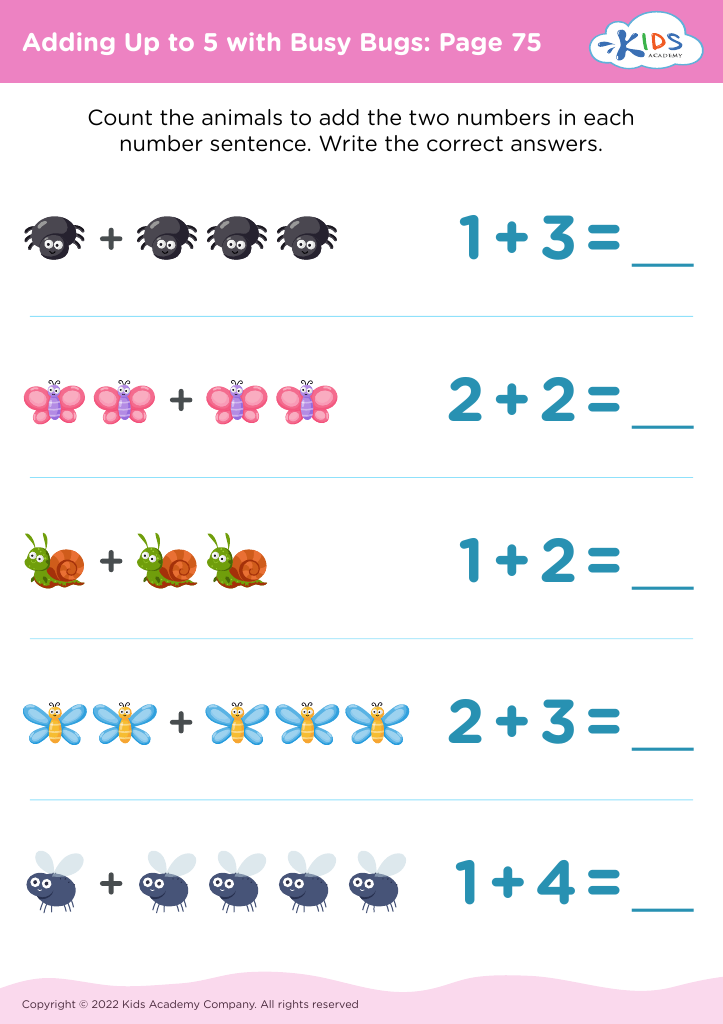
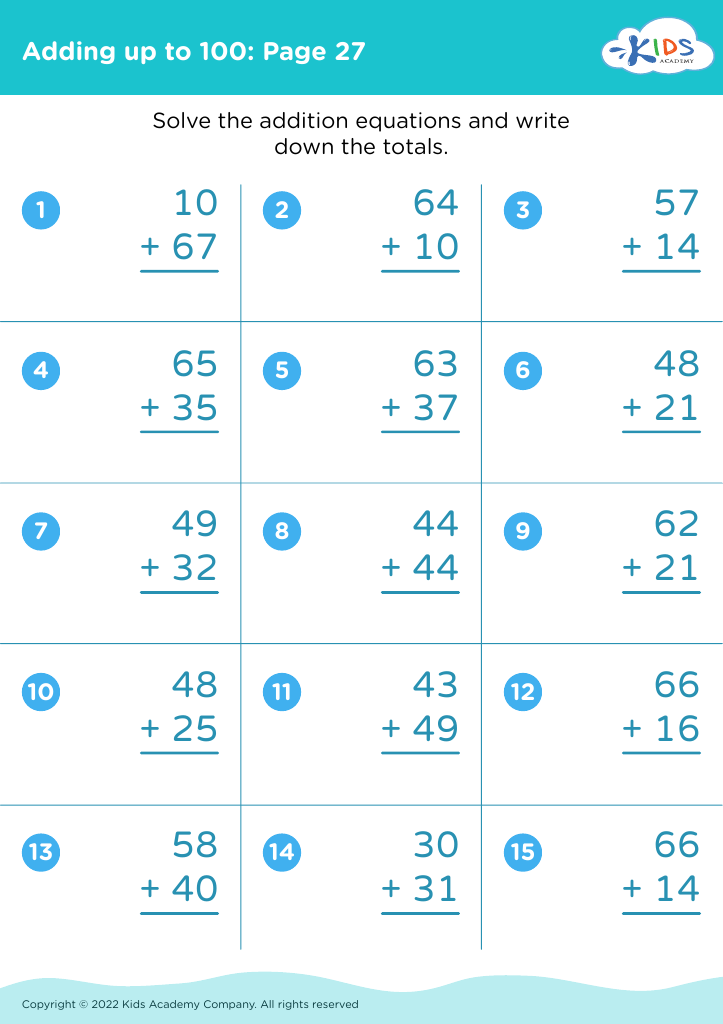
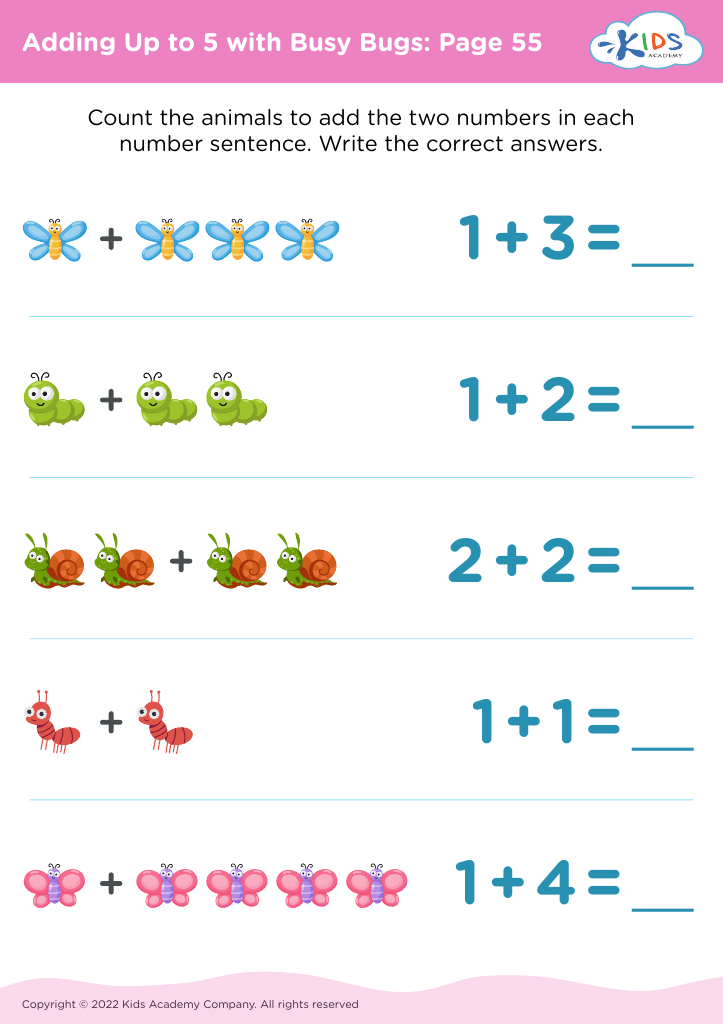







Basic math understanding is crucial for children aged 4-9 as it lays the foundation for their future learning and development. During these formative years, children are naturally curious and eager to absorb new information, making it an ideal time to introduce them to essential math concepts such as numbers, addition, subtraction, shapes, and patterns.
Parents and teachers should care about fostering math skills at this age because early mathematical understanding promotes critical thinking and problem-solving abilities. Studies show that children who grasp basic math concepts early on tend to perform better in later math-related subjects throughout their academic careers.
Moreover, math is not just a subject but an essential life skill that impacts everyday activities—like managing allowances, cooking, or shopping. By nurturing basic math skills, parents and teachers can empower children to feel confident in their abilities, encouraging a lifelong love for learning.
Finally, fostering a positive relationship with math at a young age reduces anxiety and math phobia later in life, helping children see math as an enjoyable challenge rather than a daunting subject. Thus, investing time in teaching basic math understanding reaps rewards that extend far beyond the classroom.








