Critical Thinking Math Worksheets for Ages 4-9 - Page 3
52 filtered results
-
From - To
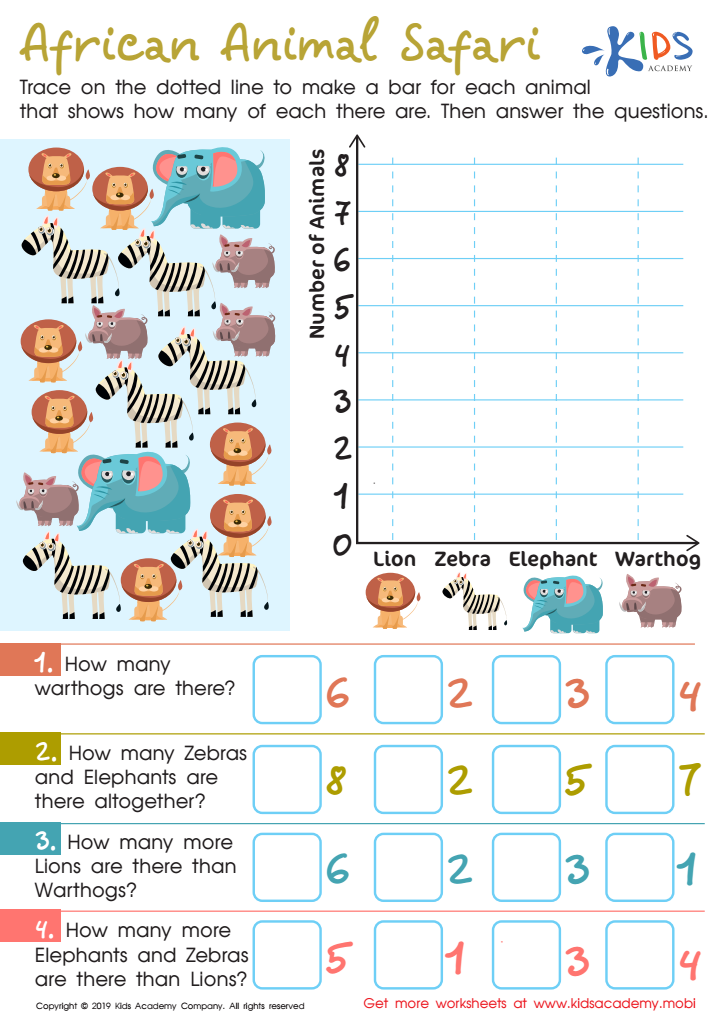
African Animal Safari Worksheet
 Assign to My Students
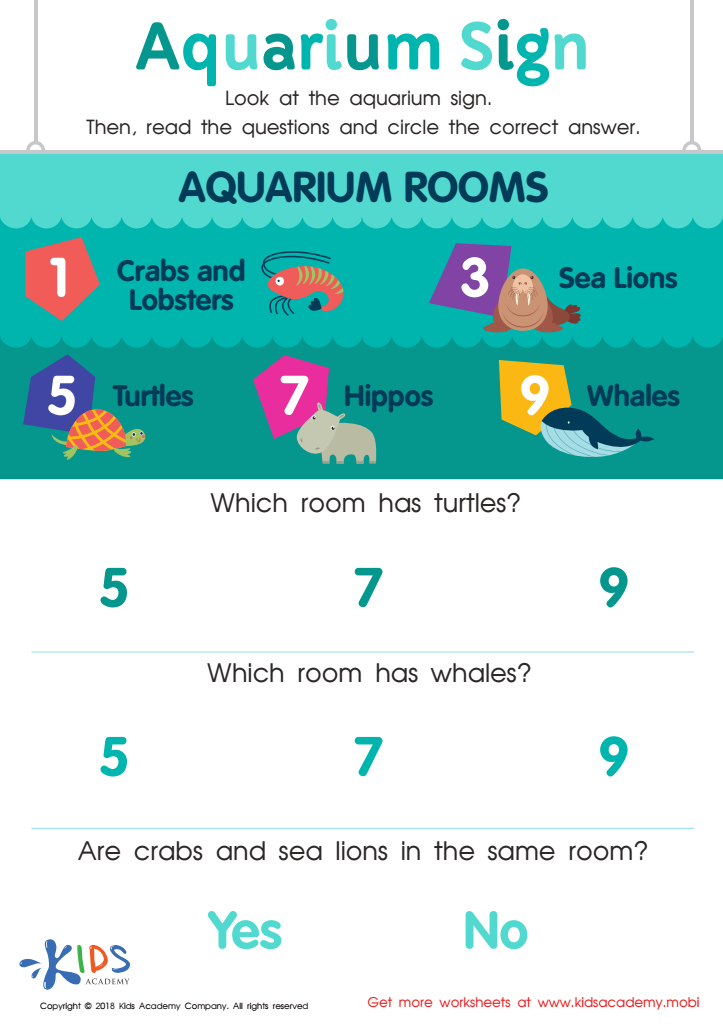
Assessment: Aquarium Sign Worksheet
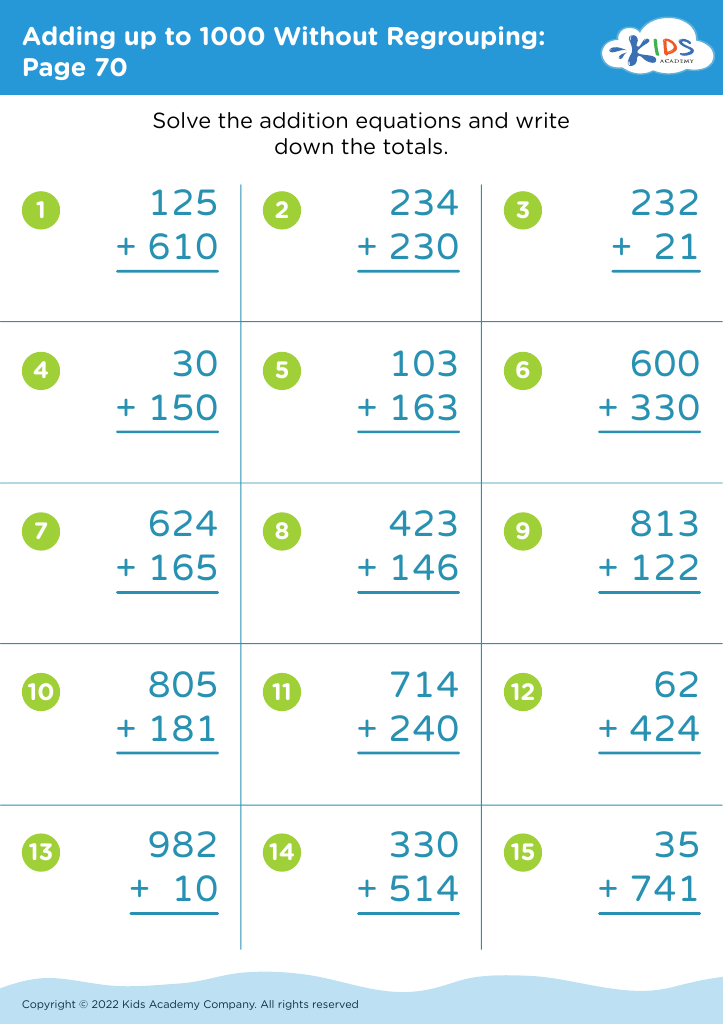

World Traveler Worksheet








Critical Thinking Math is fundamental for children aged 4-9 because it nurtures essential cognitive abilities and establishes a solid foundation for lifelong learning. This age range is a critical period for brain development, making it an ideal time to instill skills such as problem-solving, reasoning, and logical thinking.
Firstly, critical thinking in math helps children understand concepts rather than just memorizing facts. This deep comprehension enables them to tackle complex problems with confidence, fosters creativity, and equips them with tools to approach various challenges. For instance, when children discern patterns or predict outcomes, they develop an ability to see connections and apply knowledge flexibly.
Secondly, early engagement with Critical Thinking Math promotes a growth mindset. Instead of fearing mistakes, children learn to view challenges as opportunities for learning, which instills resilience and perseverance. These attributes are vital for academic success and personal growth.
Moreover, the skills gained through critical thinking in math extend beyond the subject itself. They cultivate an analytical mindset that aids decision-making, enhances communication, and improves spatial awareness.
In summary, encouraging Critical Thinking Math in young learners equips them with crucial cognitive skills, boosts their confidence in problem-solving, and prepares them for future academic endeavors and real-world situations. Parents and teachers play a pivotal role in fostering these skills, ensuring children’s multidimensional development.








