Improving subtraction skills Math Worksheets for Ages 4-9
3 filtered results
-
From - To
Enhance your child's subtraction skills with our engaging math worksheets designed for ages 4-9. These thoughtfully created resources provide a variety of interactive activities that cater to different learning styles, making math fun and accessible. From simple problem-solving exercises to colorful illustrations, children can practice essential subtraction concepts at their own pace. Our worksheets promote critical thinking and foster confidence in young learners. Perfect for homeschooling or classroom use, these subtraction worksheets are aligned with educational standards, ensuring a well-rounded approach to math mastery. Explore our collection and watch your child's mathematical abilities flourish as they tackle subtraction with enthusiasm!
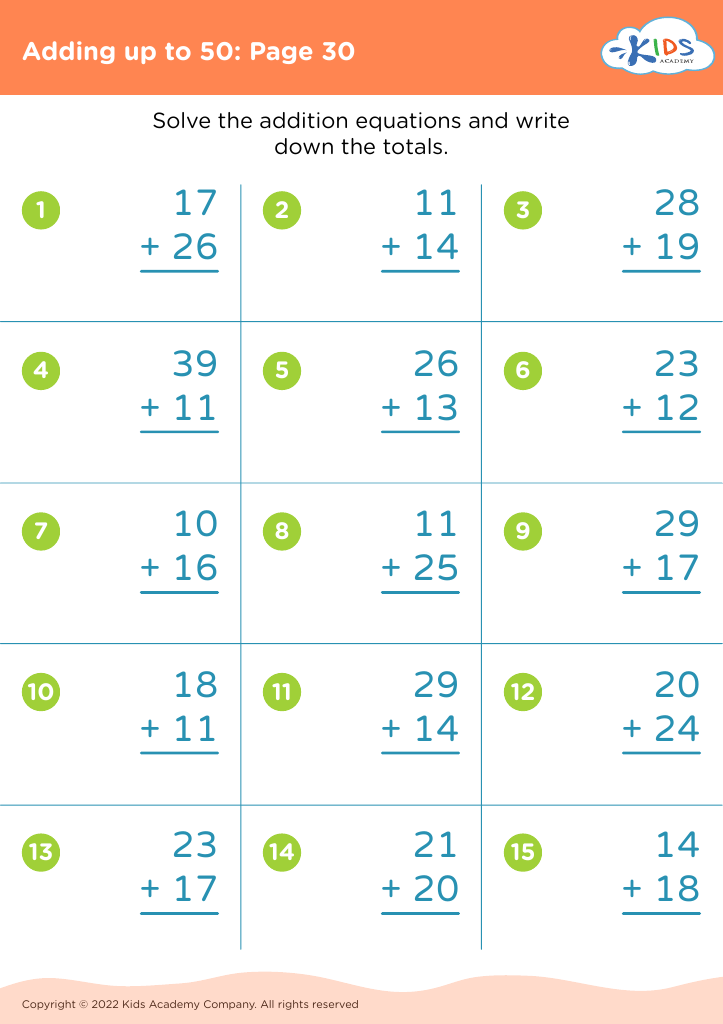
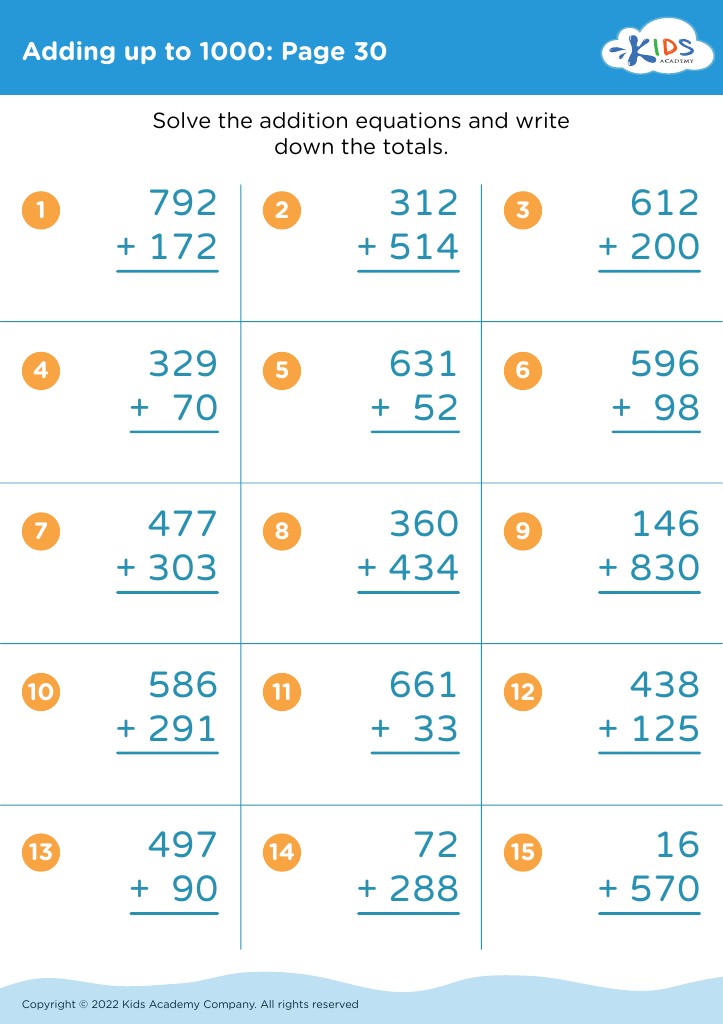
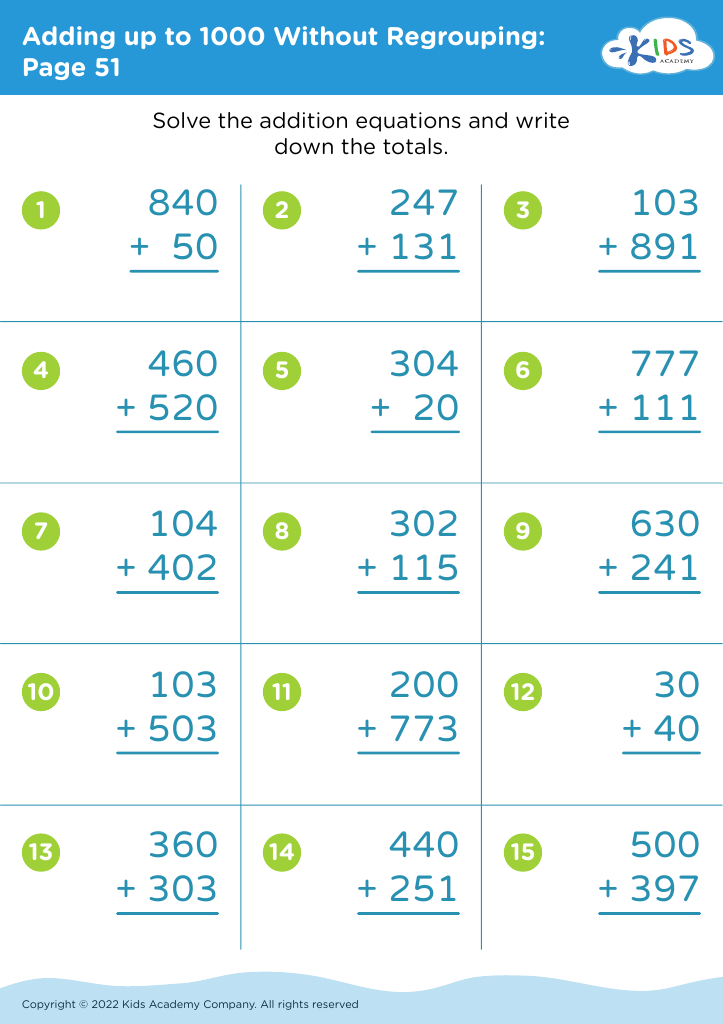








Improving subtraction skills in children aged 4-9 is crucial for their overall mathematical development and confidence. Early mathematical fluency serves as a foundation for future academic success. Addition and subtraction form the core of arithmetic; mastering subtraction helps children develop problem-solving skills and critical thinking.
Moreover, students in this age range often encounter subtraction in everyday scenarios, from sharing toys to dividing snacks, making it a relatable and essential life skill. Early proficiency in subtraction helps boost mental arithmetic, making more complex concepts, like addition and multiplication, easier to grasp in later grades.
Additionally, enhancing subtraction abilities supports emotional growth. Children who struggle with math may experience frustration and anxiety, which can undermine their confidence. By fostering a supportive learning environment focused on subtraction, parents and teachers can help instill a love for math.
Furthermore, when subtraction skills improve, children become more adept at understanding mathematical relationships, leading to better performance in standardized tests and math-related subjects as they advance in school. Ultimately, attention to subtraction during these formative years not only contributes to academic achievement but also helps shape well-rounded, confident learners who view math positively.








