
Introduction to mathematics Math Worksheets for Ages 4-9
3 filtered results
Difficulty Level
Grade
Age
-
From - To
Subject
Activity
Standards
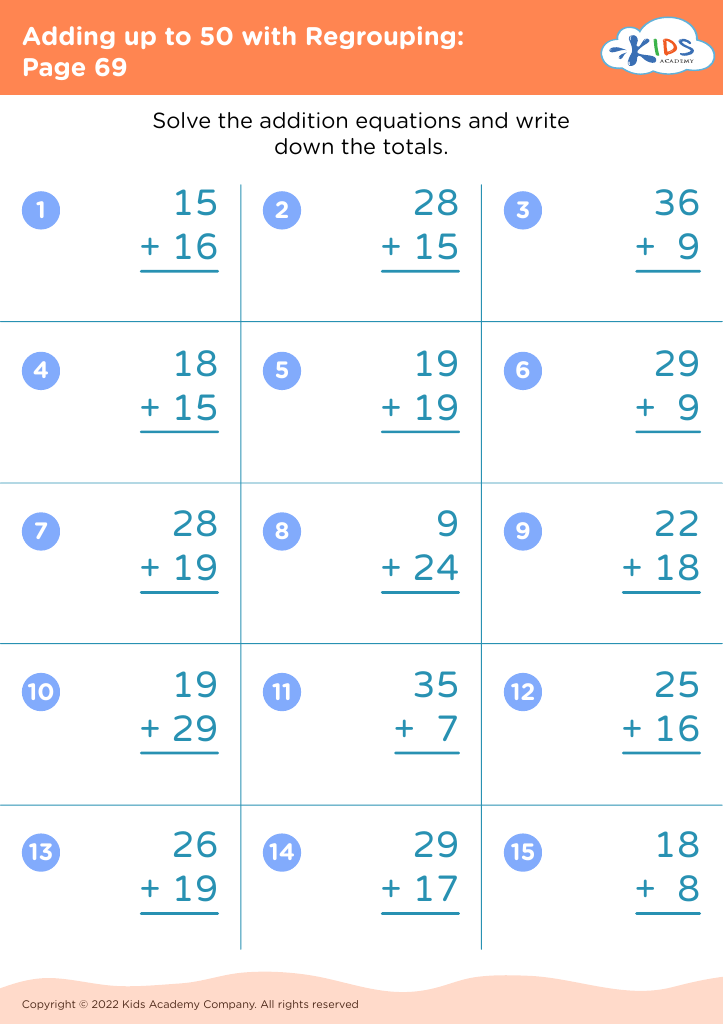
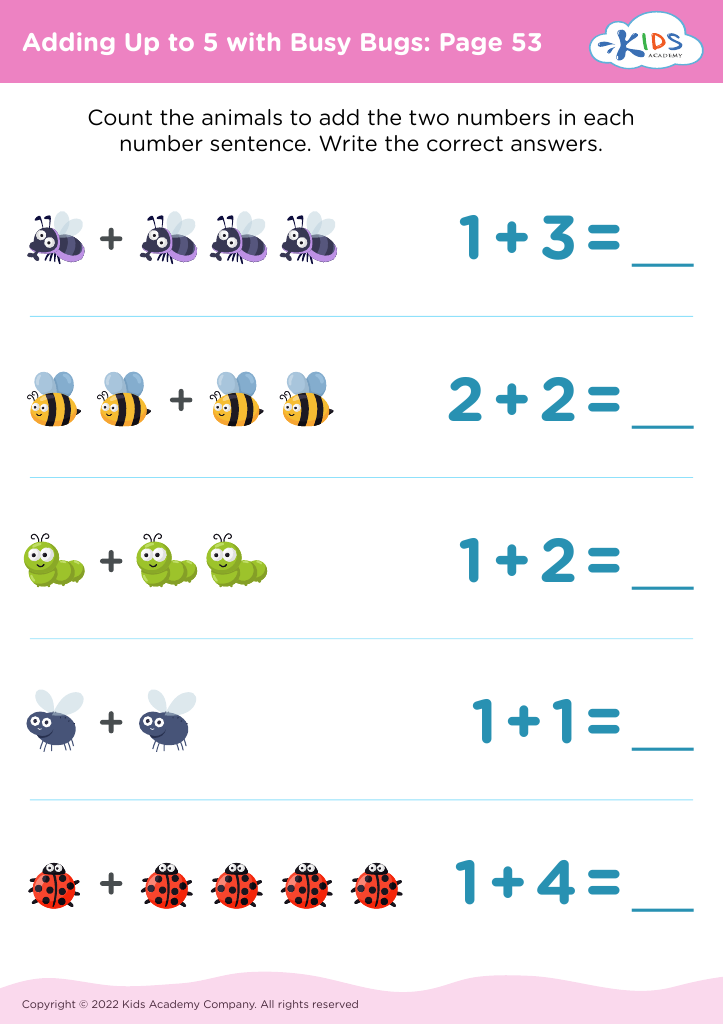
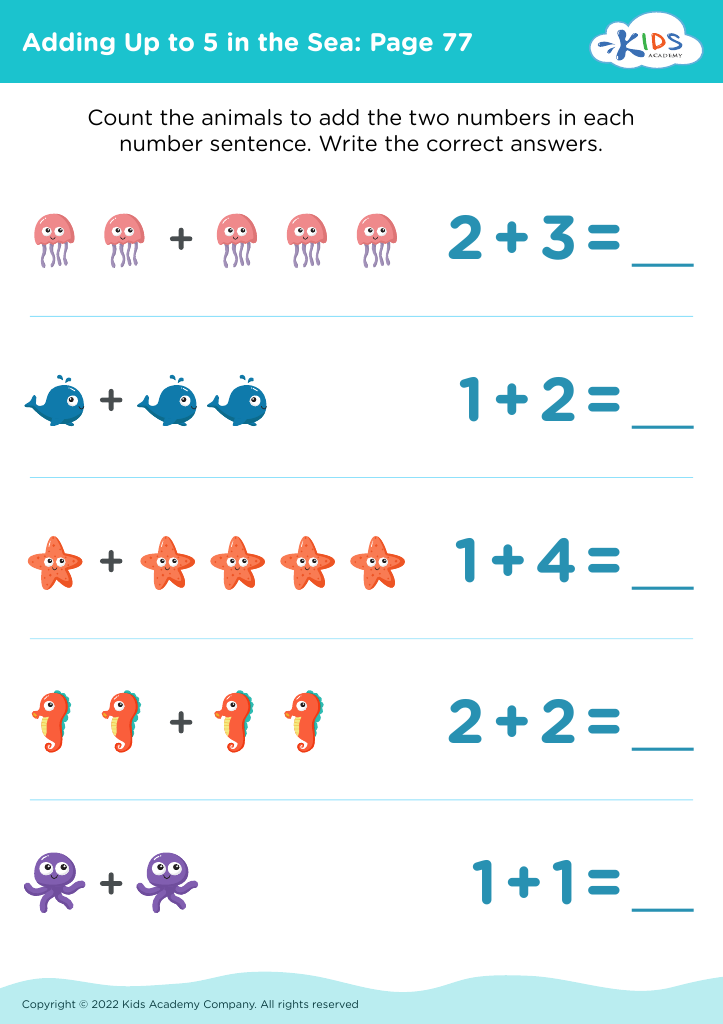
Explore our "Introduction to Mathematics Math Worksheets for Ages 4-9" and set the foundation for your child's math journey. Tailored for young learners, these worksheets cover essential skills like counting, addition, subtraction, and number recognition. Each engaging activity helps kids grasp basic concepts through fun, interactive tasks designed to keep them motivated. Perfect for classroom or at-home learning, these worksheets foster a positive and enjoyable mathematical experience. Empower your child to develop confidence and a solid understanding of early math skills with our expertly crafted resources. Start their adventure into the world of math today!
Favorites
With answer key
Interactive
Join Kids Academy for Free
Who is primarily going to use this learning content?








Introducing mathematics to children aged 4-9 lays the foundation for essential cognitive, critical-thinking, and problem-solving skills that are crucial for their overall development. At this young age, children are naturally curious and possess an innate ability to learn and absorb new concepts quickly. Exposing them to mathematics helps to capitalize on this window of opportunity, fostering a positive attitude towards the subject and reducing any potential anxiety or fear related to math in later years.
For parents and teachers, it's important to recognize that early math education is not just about numbers and arithmetic. It includes understanding patterns, shapes, measurements, and spatial awareness. These concepts stimulate brain development, enhance logical thinking, and improve the ability to approach problems systematically. As children become fluent in these fundamental skills, they gain confidence and are better prepared to tackle more complex mathematical concepts in future academic pursuits.
Moreover, early math skills are strongly linked to later academic success across various subjects, including science and engineering. A solid grasp of mathematics at a young age can open doors to numerous educational and career opportunities. Therefore, it is crucial for parents and teachers to support and encourage children’s engagement with mathematics through fun, creative, and interactive learning experiences. This not only builds a strong educational foundation but also nurtures a lifelong appreciation for learning.








