Letter recognition Math Worksheets for Ages 4-9
5 filtered results
-
From - To
Discover our engaging Letter Recognition Math Worksheets tailored for ages 4-9! These worksheets combine essential literacy and math skills, allowing children to master letter recognition while enhancing their counting and problem-solving abilities. Perfect for early learners, our resources feature colorful illustrations and fun activities that keep kids motivated. Designed by educators, these worksheets support individual learning styles and cater to different levels of mastery. Boost your child's confidence in both reading and math with these interactive exercises. Explore our collection today and help your child build a strong foundation for future learning success!
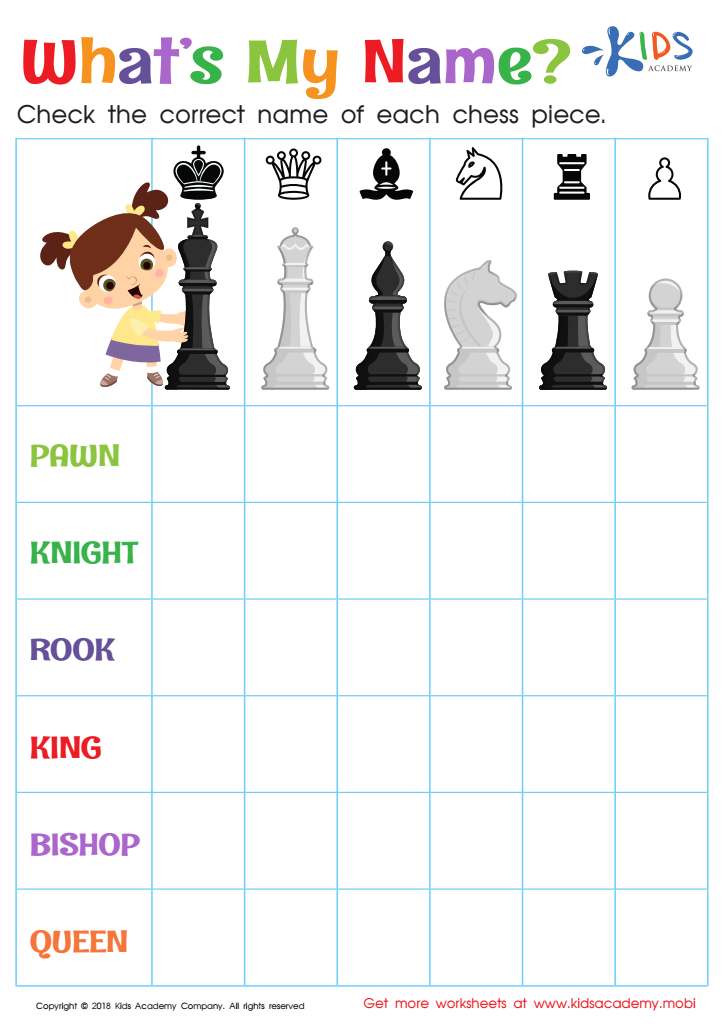
What's My Name? Worksheet
 Assign to My Students
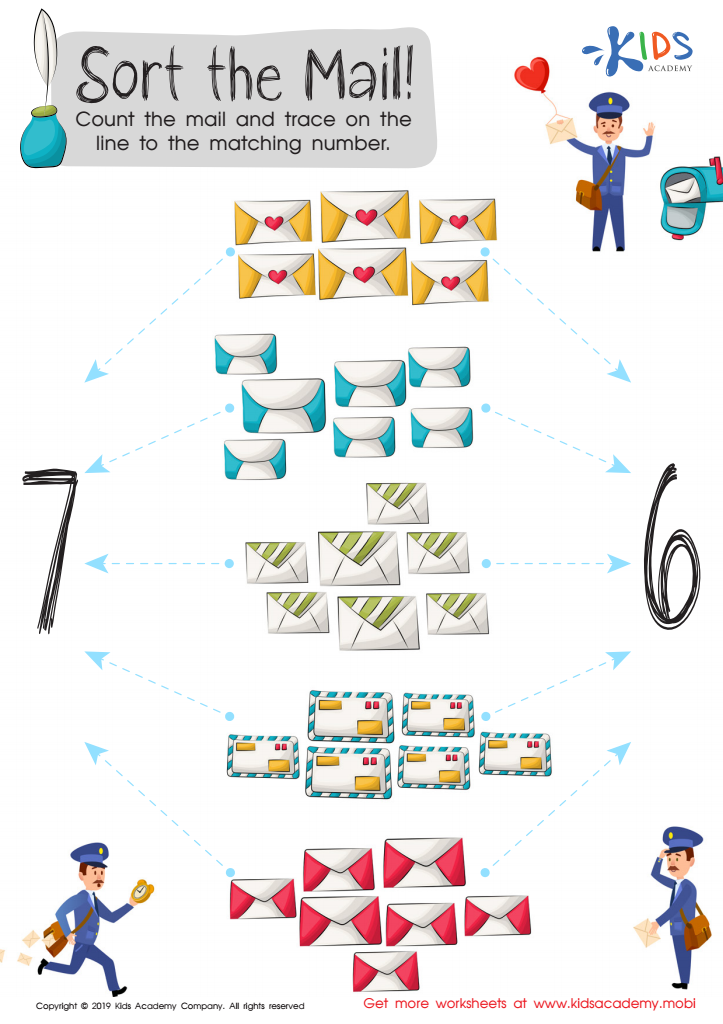
Sort the Mail Worksheet








Letter recognition is a fundamental skill that serves as the foundation for effective literacy and communication. For children ages 4-9, mastering letter recognition is not just about identifying the alphabet; it plays a significant role in their cognitive development, language acquisition, and overall academic success.
Parents and teachers should care about promoting letter recognition because it enables children to decode words, which is crucial for reading fluency. Without a solid understanding of letters, children may struggle to grasp more complex reading concepts later in their education. Recognizing letters also enhances a child’s writing skills, allowing them to express their thoughts and ideas clearly.
Moreover, letter recognition supports other areas of learning, including phonics, vocabulary building, and comprehension skills. It encourages crucial cognitive processes such as memory retention and visual discrimination. When children engage in fun activities centered around letter recognition—like games, songs, and interactive storytelling—they become more enthusiastic about learning.
Investing time and resources in developing these skills sets the stage for a love of reading and lifelong learning. Ultimately, fostering strong letter recognition skills in early childhood leads to more confident and capable learners, benefiting their educational journey significantly.








