Letter Tracing Practice Math Worksheets for Ages 4-9
3 filtered results
-
From - To
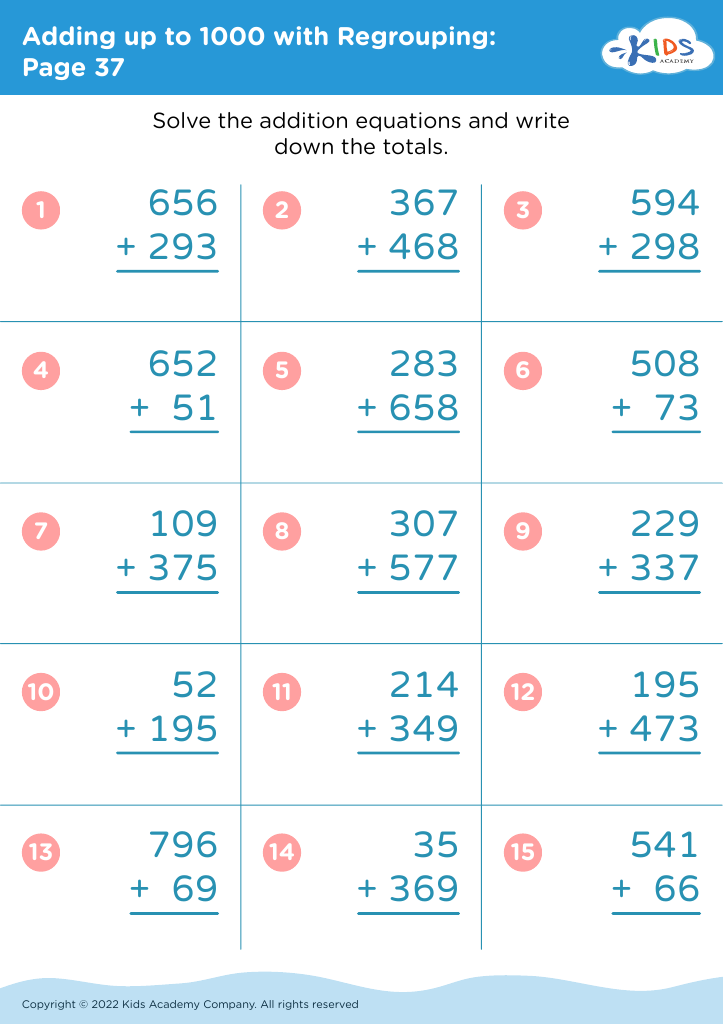
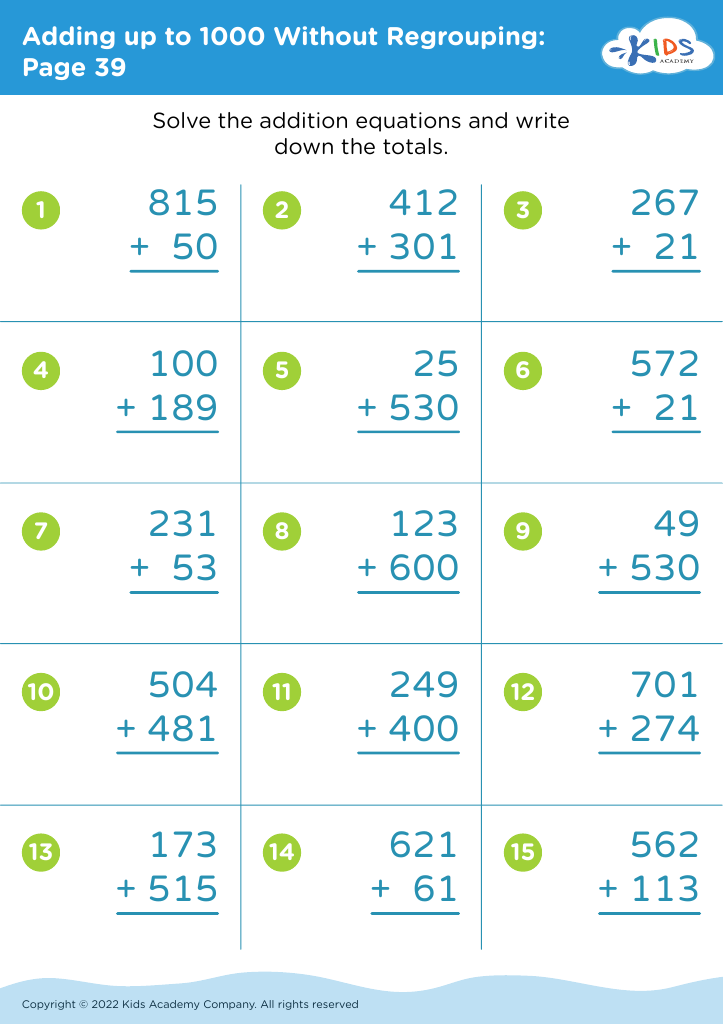
Enhance your child's learning journey with our engaging Letter Tracing Practice Math Worksheets, designed specifically for ages 4-9. These printable worksheets combine fundamental math skills with essential letter tracing activities, promoting holistic development. Children will enjoy practicing their handwriting while also strengthening their understanding of numbers, shapes, and basic math concepts. The fun and interactive designs motivate young learners to explore and reinforce their skills in a playful manner. Perfect for use at home or in the classroom, these worksheets help build confidence and proficiency in both math and language arts. Start your child’s adventure in learning today!
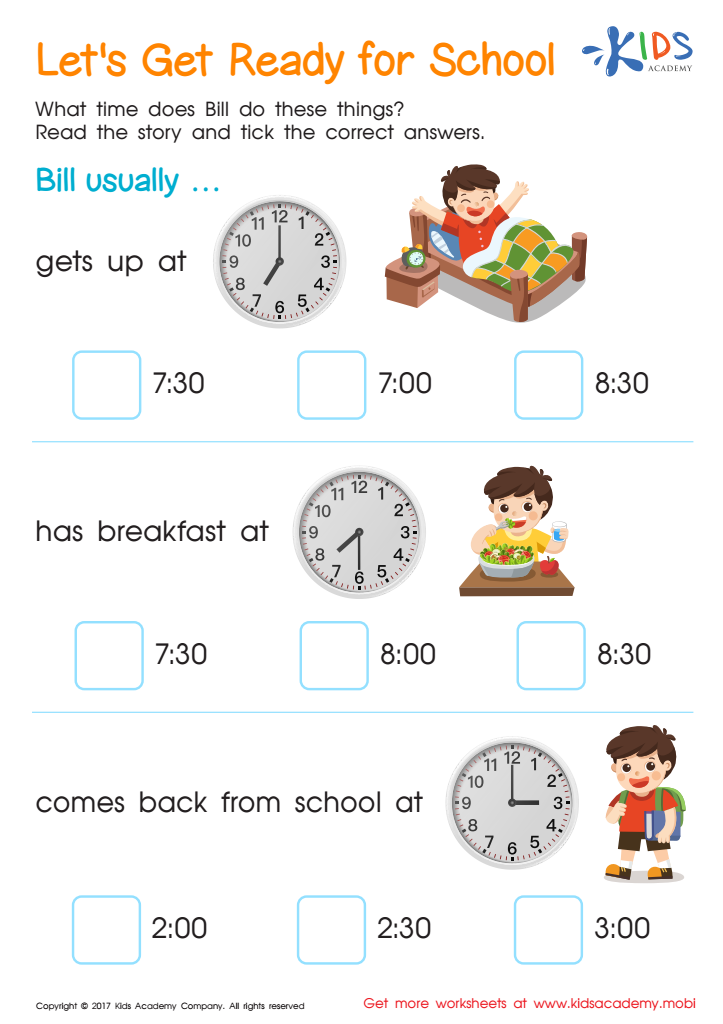
Lets Get Ready For School Time Printable
 Assign to My Students







Letter tracing practice is crucial for children aged 4-9, as it plays a fundamental role in early literacy and cognitive development. This practice enhances fine motor skills, which are essential for writing and daily tasks. As children trace letters, they develop muscle memory, aiding in their ability to form letters independently. This foundational skill is vital for emerging readers and writers, fostering confidence in their abilities.
Additionally, letter tracing often incorporates phonics and word recognition, reinforcing the connection between letters and sounds. This engagement aids in vocabulary development and literacy proficiency. When parents and teachers promote letter tracing, they not only support literacy skills but also enhance children’s focus and attention span.
Moreover, engaging in letter tracing can be a fun, interactive experience that strengthens parent-child or teacher-student relationships. It's an opportunity to celebrate small achievements, leading to a positive association with learning. As children receive encouragement, they become more motivated to explore literacy further.
In sum, letter tracing practice is a vital component of early education, nurturing essential skills that foster literacy and self-esteem in young learners. Supporting this practice as parents or educators is a step towards laying a robust foundation for future academic success.








