Number comparison Math Worksheets for Ages 4-9
14 filtered results
-
From - To
Welcome to our Number Comparison Math Worksheets for Ages 4-9! Designed to enhance early math skills, these engaging worksheets help young learners grasp essential concepts of greater than, less than, and equality. With a variety of colorful and fun activities, children will enjoy comparing numbers, developing critical thinking, and improving their number sense. Our resources cater to various proficiency levels, ensuring that every child finds the right challenge. Perfect for both classroom and home use, these worksheets promote essential math skills through playful learning. Empower your child’s academic journey with our easy-to-use and vibrant number comparison worksheets today!
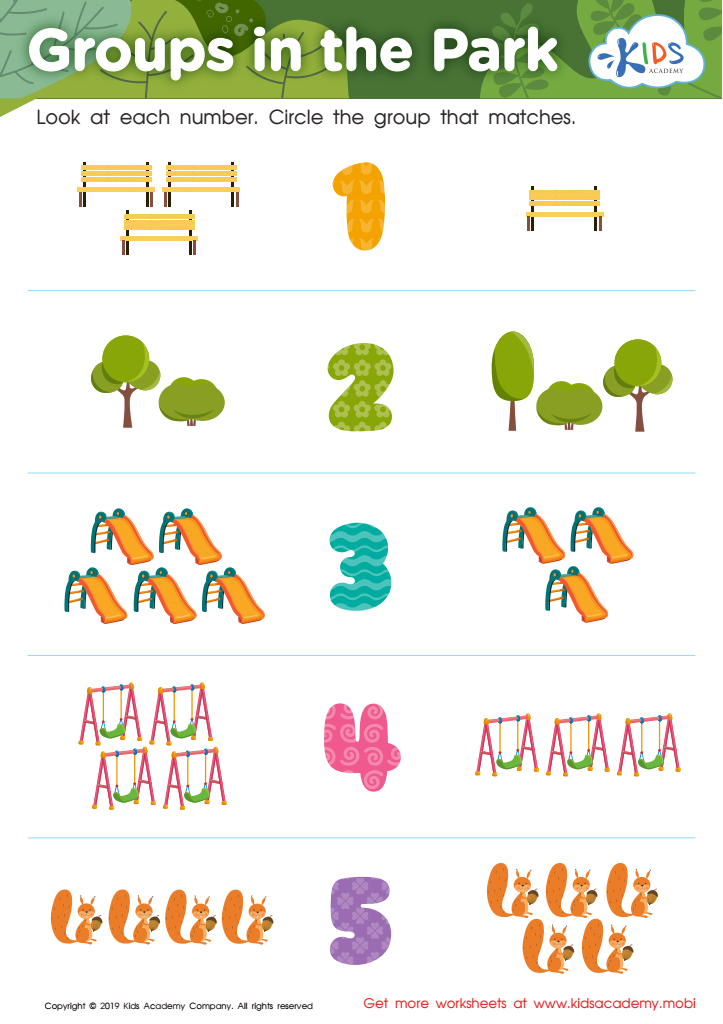
Groups in the Park Worksheet
 Assign to My Students
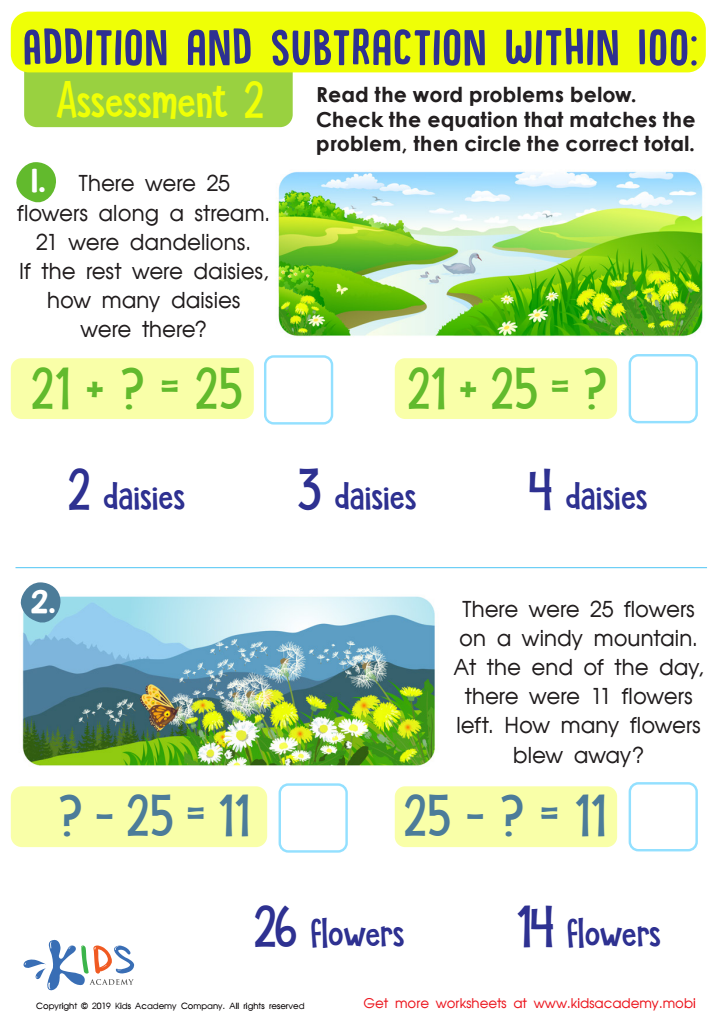
Assessment 2 Math Worksheet
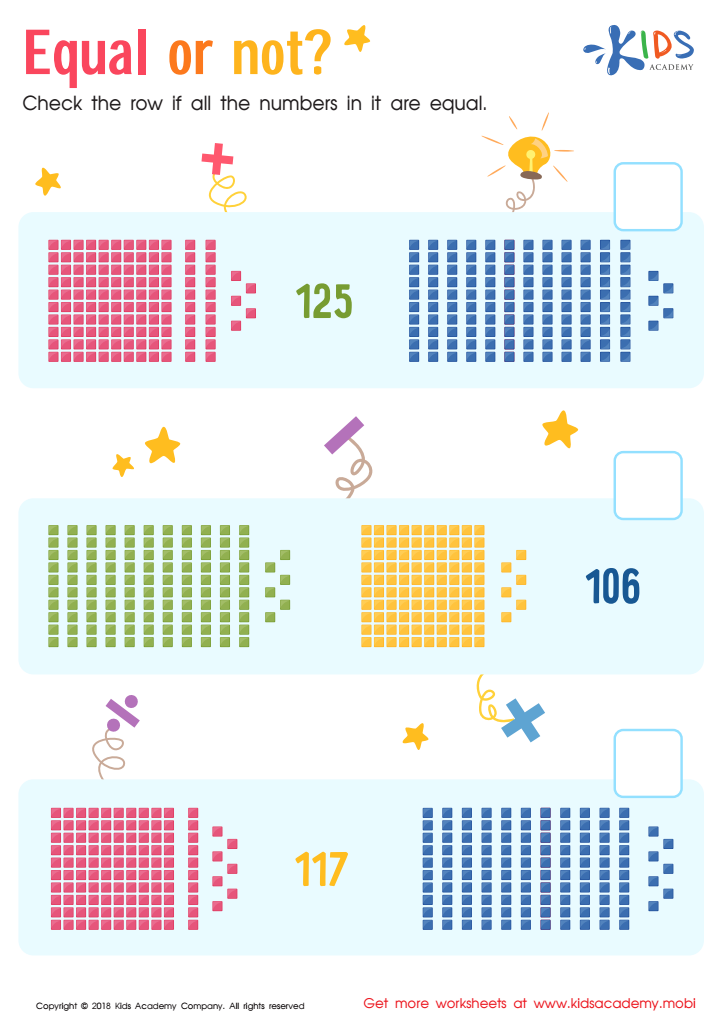
Equal or not Worksheet
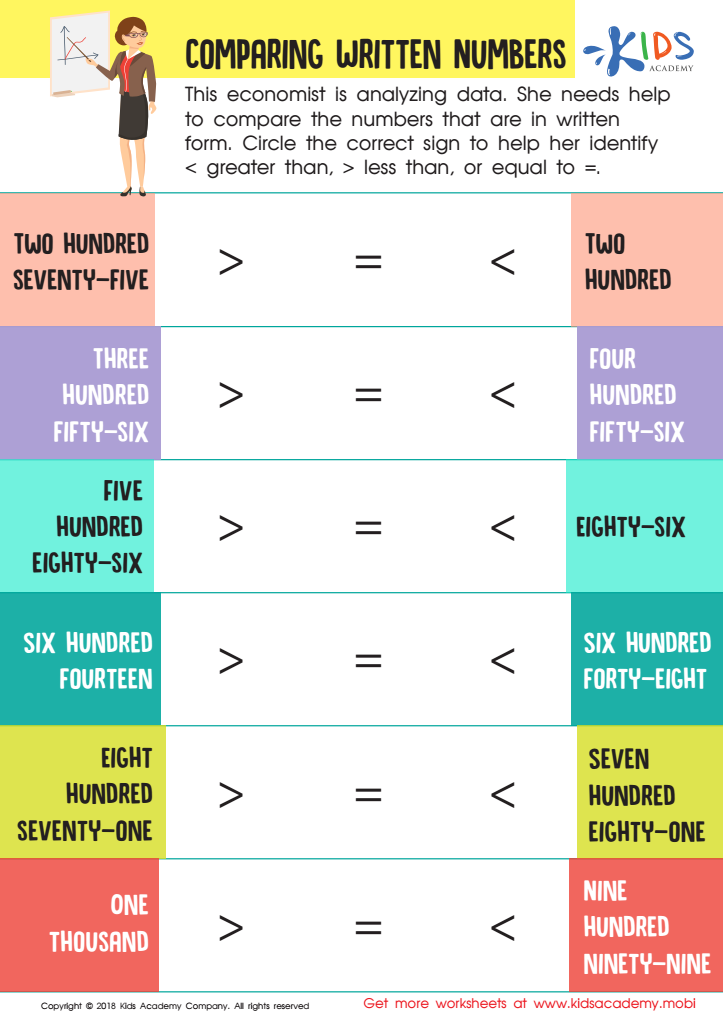
Comparing Written Numbers Worksheet
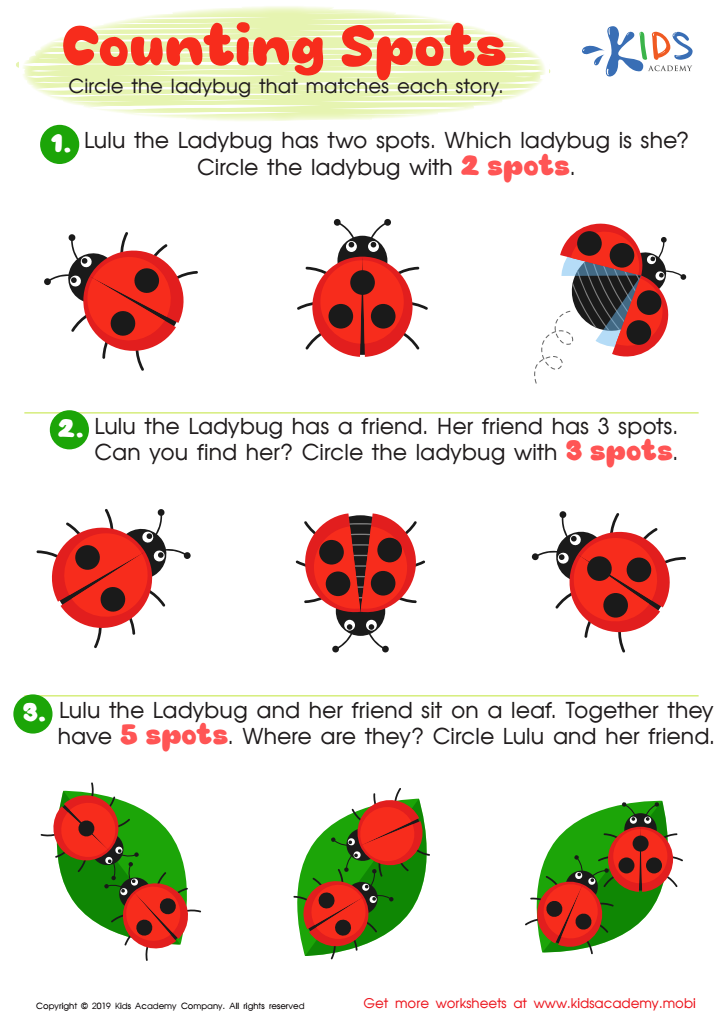
Counting Spots Worksheet
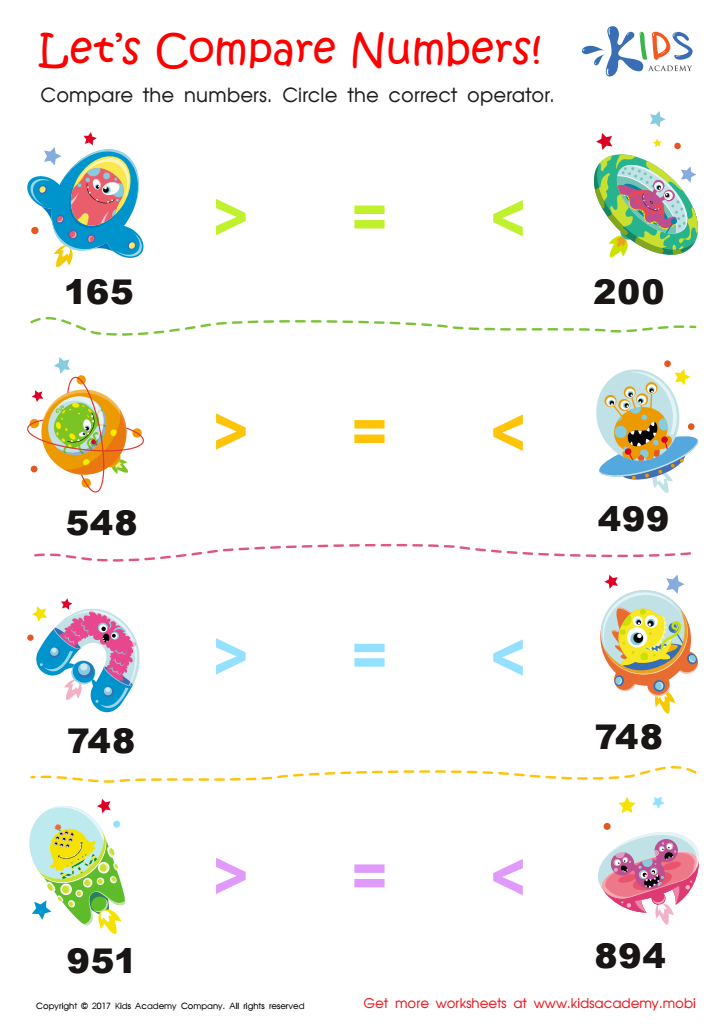
Comparing Numbers Worksheet for 2nd Grade
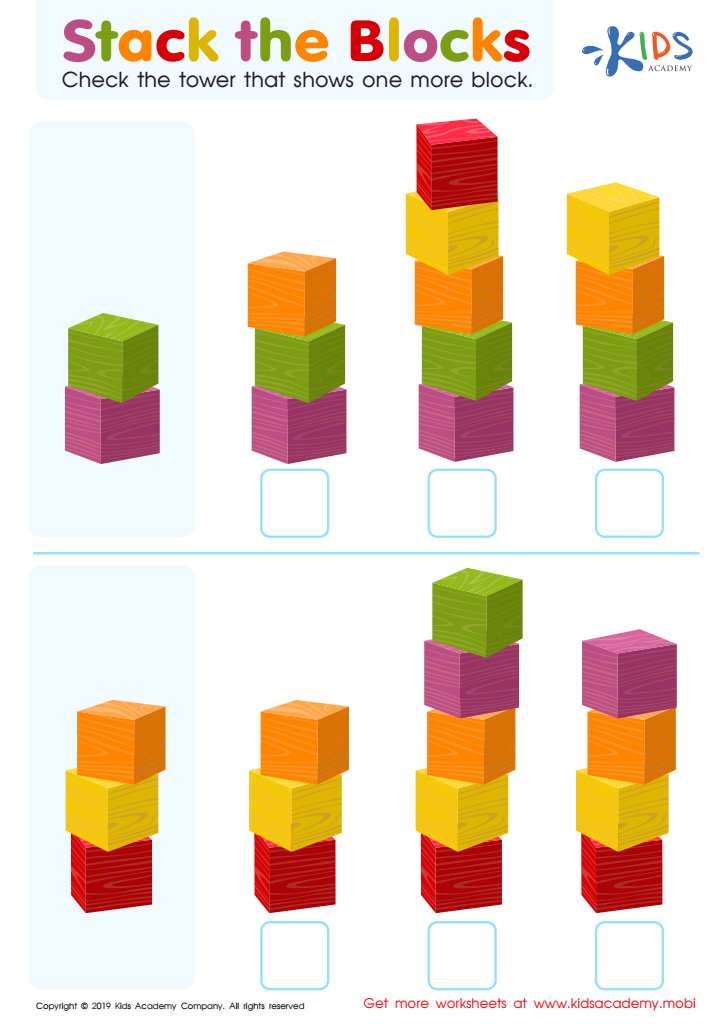
Stack the Blocks Worksheet
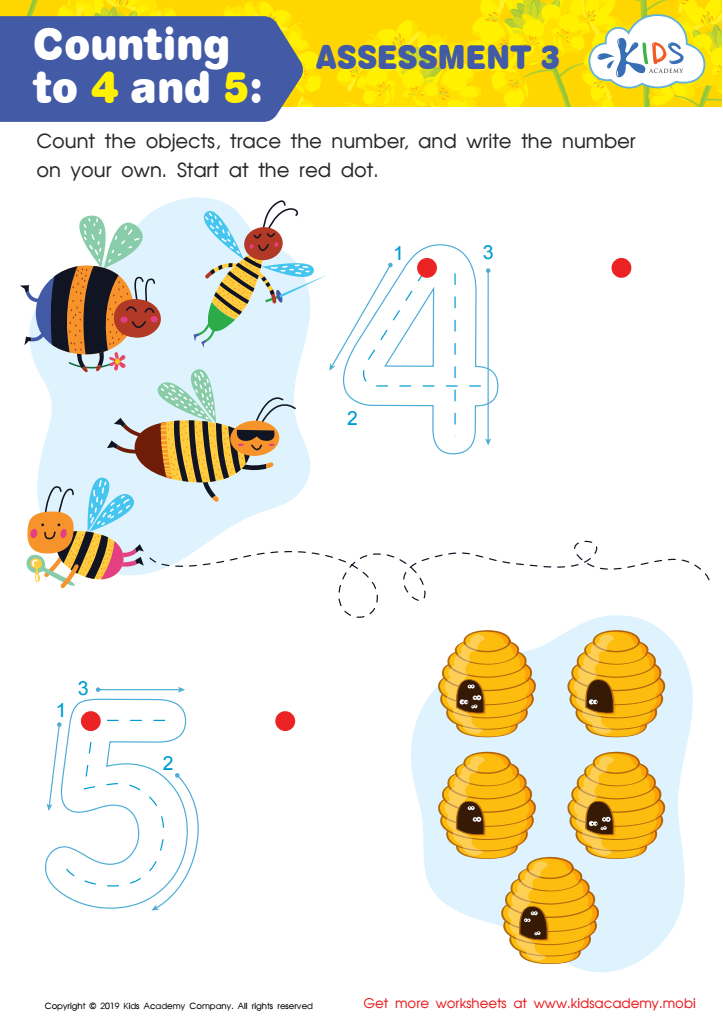
Counting to 4 and 5: Assessment 3 Worksheet
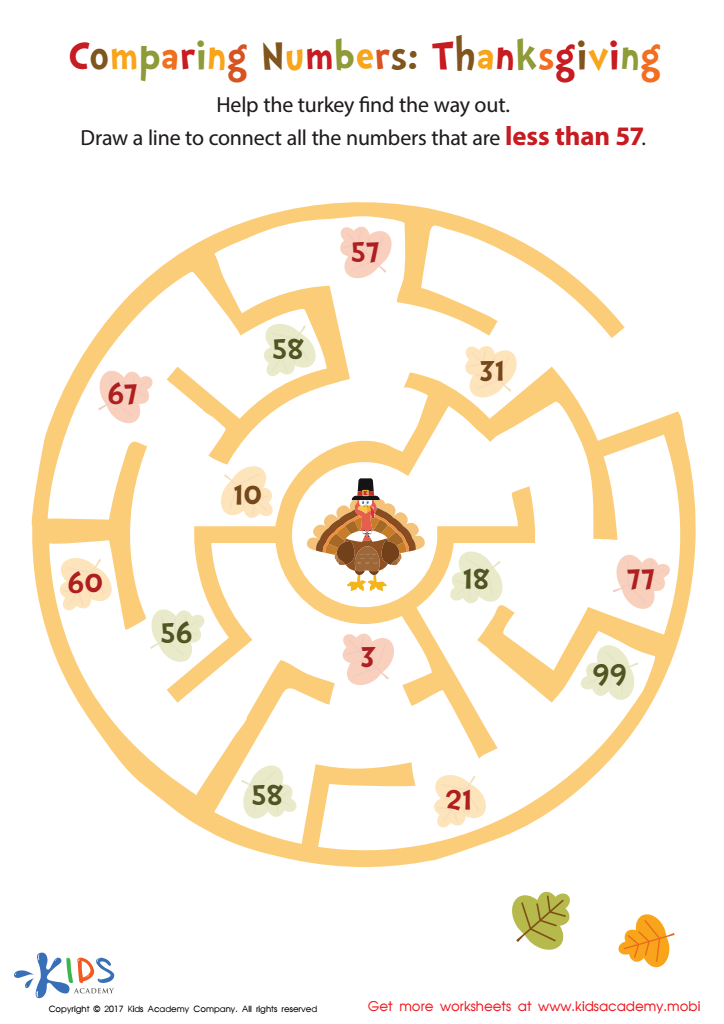
Comparing Numbers Printable
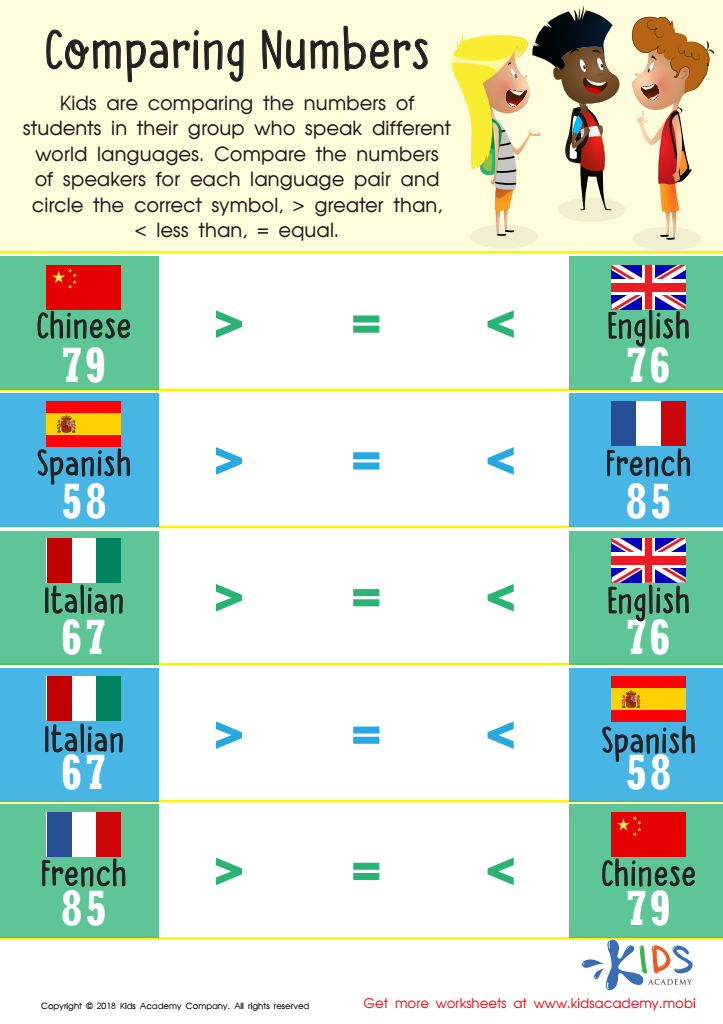
Comparing Numbers Worksheet for 1st Grade
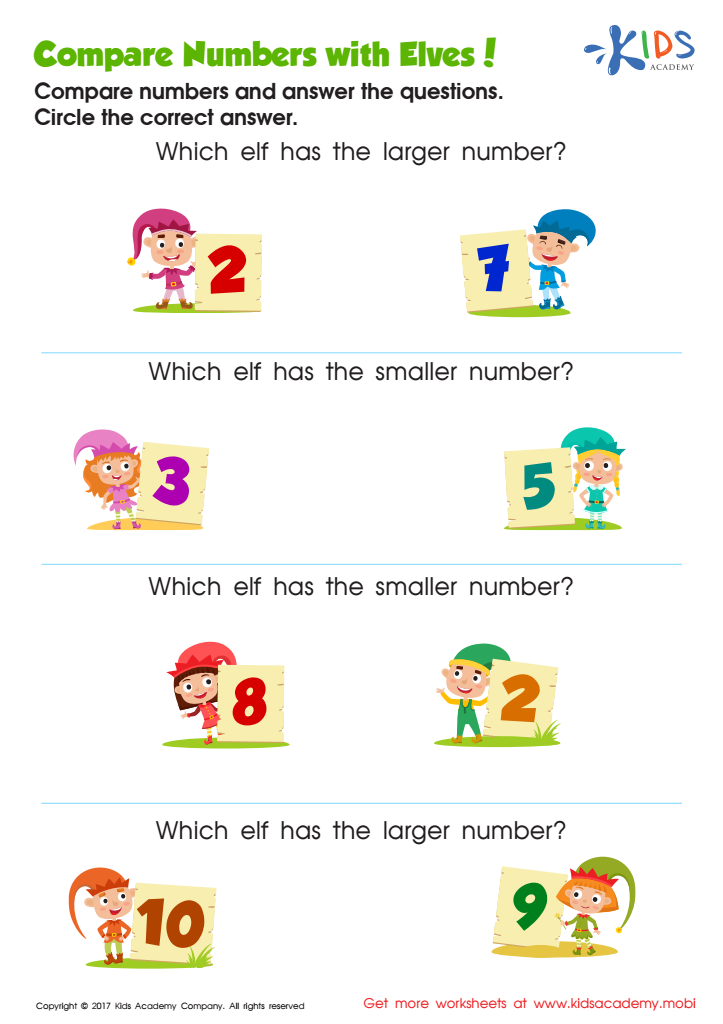
Comparing Numbers Worksheet for Kindergarten
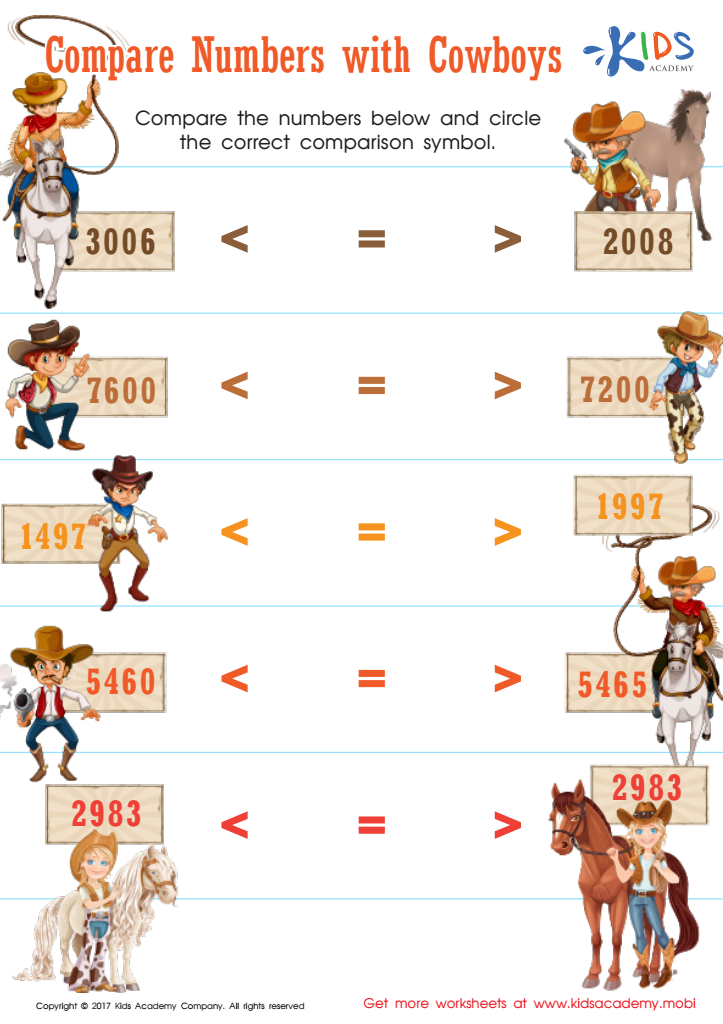
Compare Numbers Worksheet for 3rd Grade
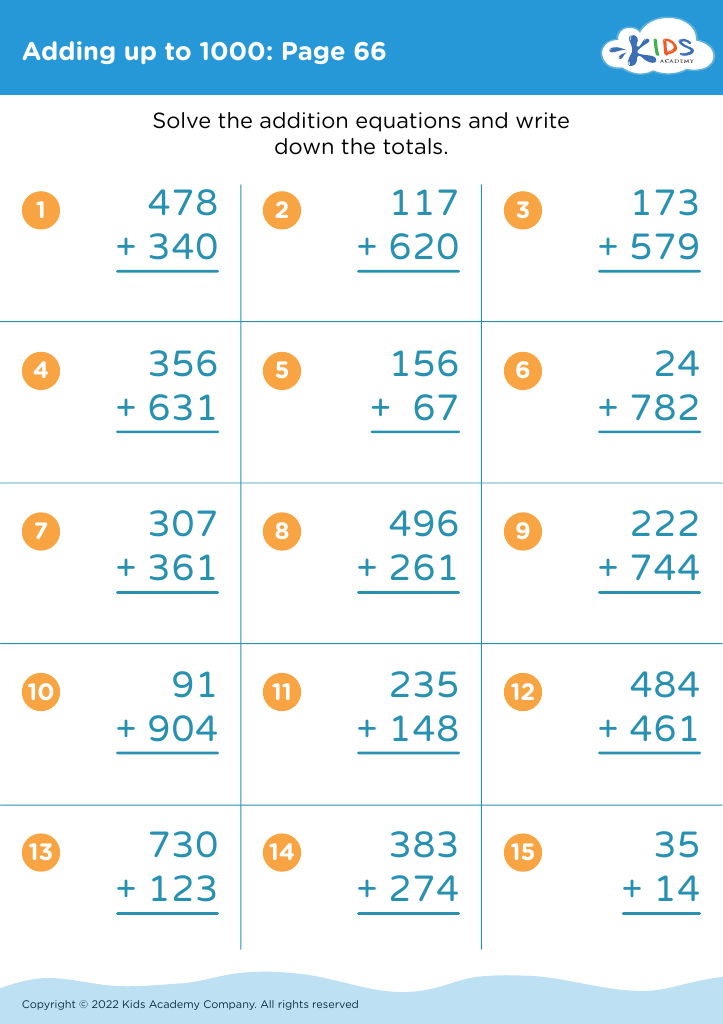








Number comparison is a fundamental math skill essential for children aged 4-9, and caregivers should prioritize its development for several compelling reasons. First, mastering number comparison forms the foundation for later mathematical concepts, such as addition, subtraction, and even more advanced arithmetic. Understanding how to evaluate the magnitude of numbers helps children make sense of math in everyday situations—whether counting objects, measuring ingredients for a recipe, or engaging in games that involve numbers.
Furthermore, developing this skill enhances critical thinking and problem-solving abilities. Children learn to analyze relationships between numbers, which fosters logical reasoning and encourages them to process information more systematically. These skills are not only vital for math but also transferable to other subjects and real-life challenges.
Moreover, engaging in number comparison can build confidence and a positive attitude toward math. As children become proficient, they are more likely to persist in challenging tasks and embrace learning opportunities. This early investment in math skills promotes long-term academic success. Parents and teachers can support this by incorporating fun, interactive activities—like games and puzzles—that make learning about number comparison enjoyable and impactful. Ultimately, prioritizing this skill sets children up for a bright educational future.








