Understanding habitats Math Worksheets for Ages 4-9
3 filtered results
-
From - To
Explore the fascinating world of habitats with our engaging math worksheets designed for children ages 4 to 9! These resources combine essential math skills with scientific concepts, allowing young learners to discover diverse environments while honing their counting, addition, and subtraction abilities. Through colorful illustrations and interactive activities, kids will understand how different species thrive in various habitats—be it forests, oceans, or deserts. Our worksheets are not only educational, but also fun, fostering a love for both math and nature. Perfect for classroom use or at-home learning, they provide an exciting way to explore mathematical concepts while connecting with the natural world!
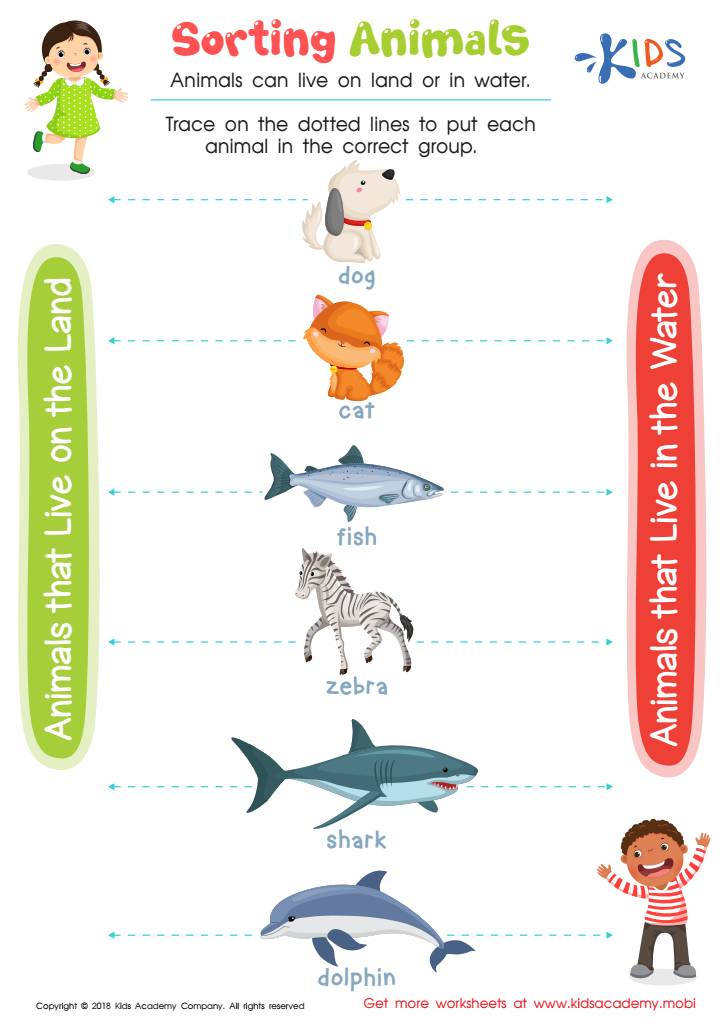
Sorting Animals Worksheet
 Assign to My Students
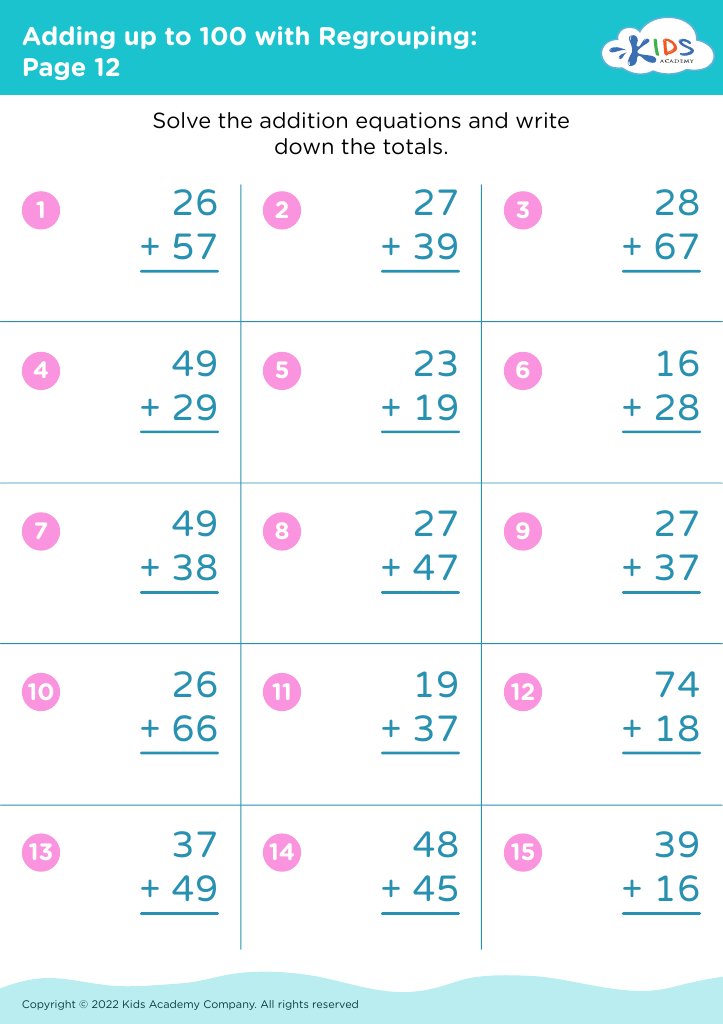
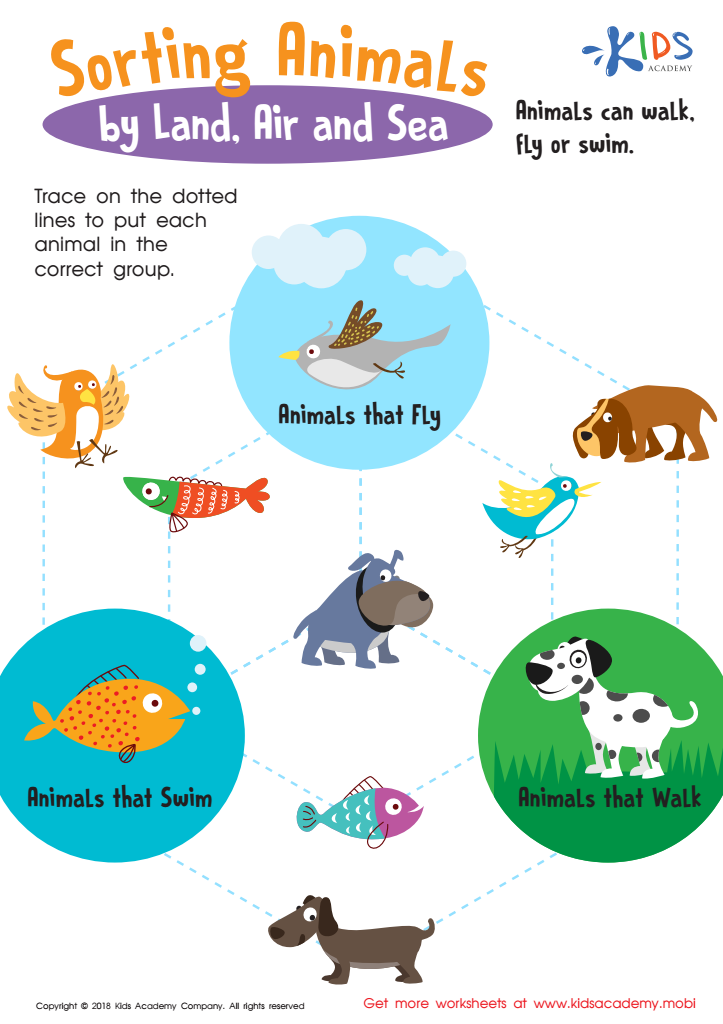
Sorting Animals by Land, Air and Sea Worksheet







Understanding habitats is crucial for young learners aged 4-9, as it encapsulates essential concepts in environmental science and mathematics, fostering both cognitive and emotional development. For parents and teachers, nurturing an understanding of habitats builds awareness about the natural world and our place within it. This understanding promotes critical thinking, as children explore the relationships among organisms and their environments.
Mathematics plays a significant role in this exploration. For instance, when studying habitats, children can engage in counting species, measuring areas, and graphing data related to local ecosystems. By integrating math into lessons about habitats, educators can help children see its practical applications, making math more relevant and enjoyable.
Moreover, this subject cultivates empathy and responsibility towards nature. As children learn about diverse ecosystems and the impact of human activities on wildlife, they can develop a sense of stewardship for the environment. This awareness encourages discussions about sustainability and conservation, empowering the next generation to make informed decisions.
Incorporating habitat studies into early education sets a foundation for inquisitive, environmentally conscious adults. By recognizing the importance of understanding habitats, parents and teachers can enrich children’s educational experiences while fostering lifelong learning.








