Understanding numeracy Math Worksheets for Ages 4-9
4 filtered results
-
From - To
Welcome to our "Understanding Numeracy" Math Worksheets for ages 4-9! These engaging and interactive resources are designed to build foundational math skills in young learners. Our worksheets help children develop essential numeracy skills, including number recognition, counting, and basic operations. Each activity promotes critical thinking and problem-solving, making math enjoyable and accessible. Tailored for various learning styles, the worksheets cater to different educational needs, ensuring all children can progress at their own pace. Join us in fostering a positive learning experience that nurtures a love for numbers and sets the stage for a successful mathematical journey!
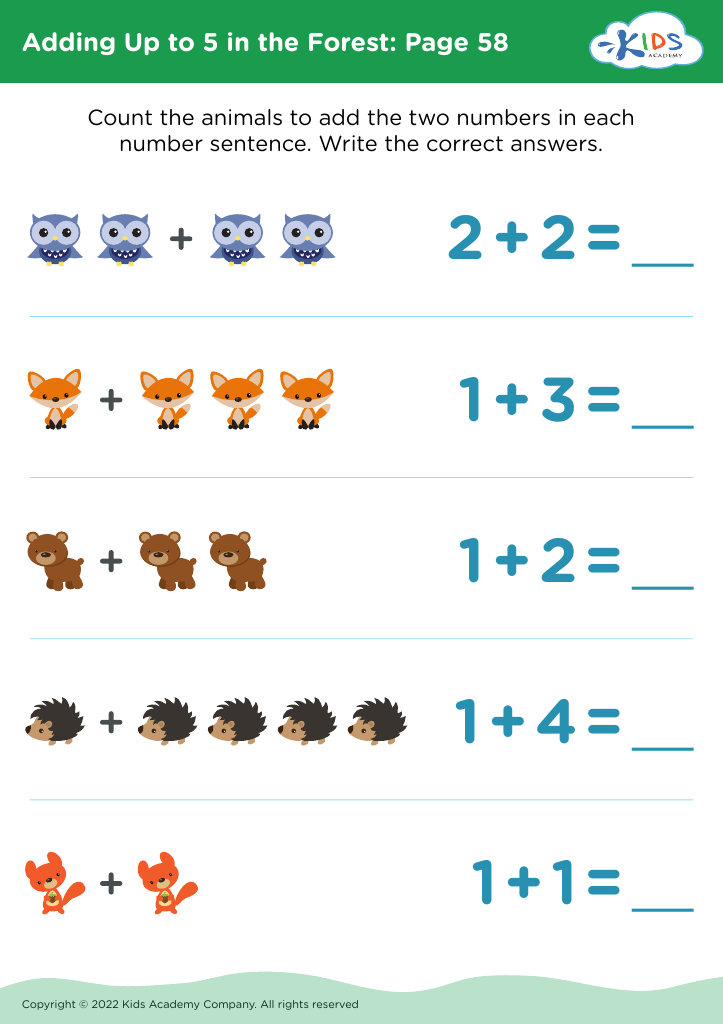
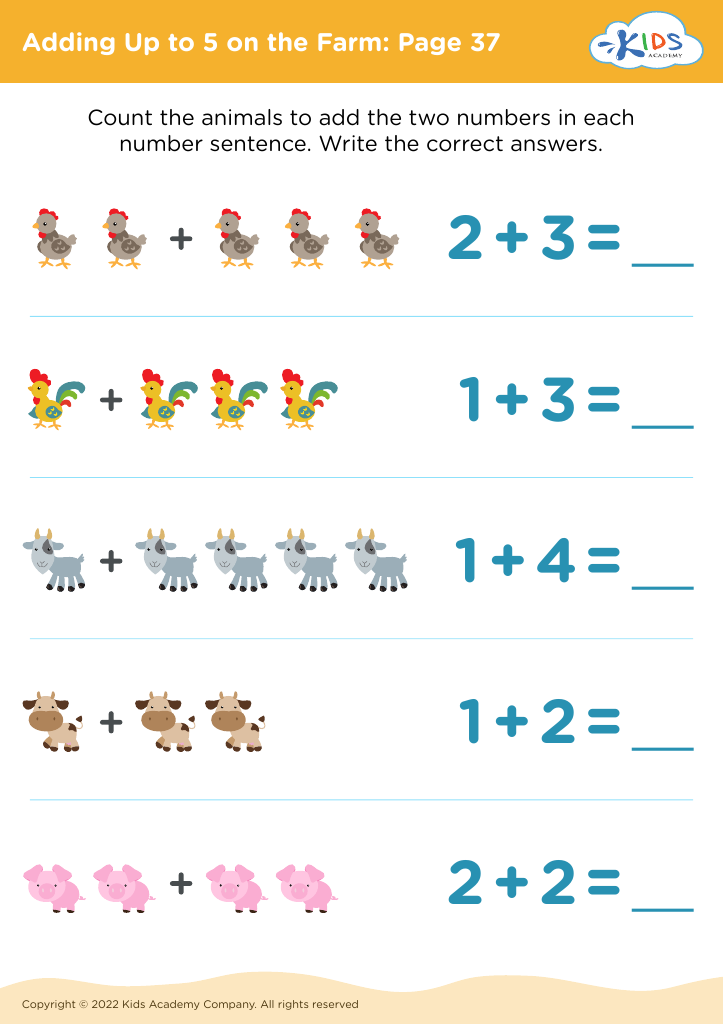
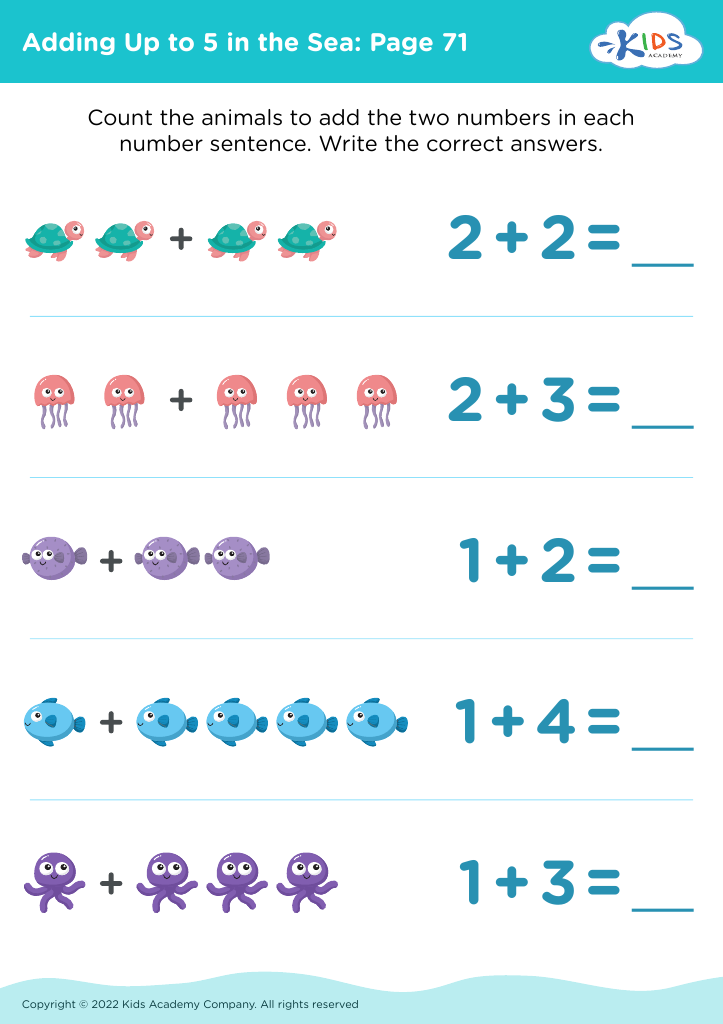
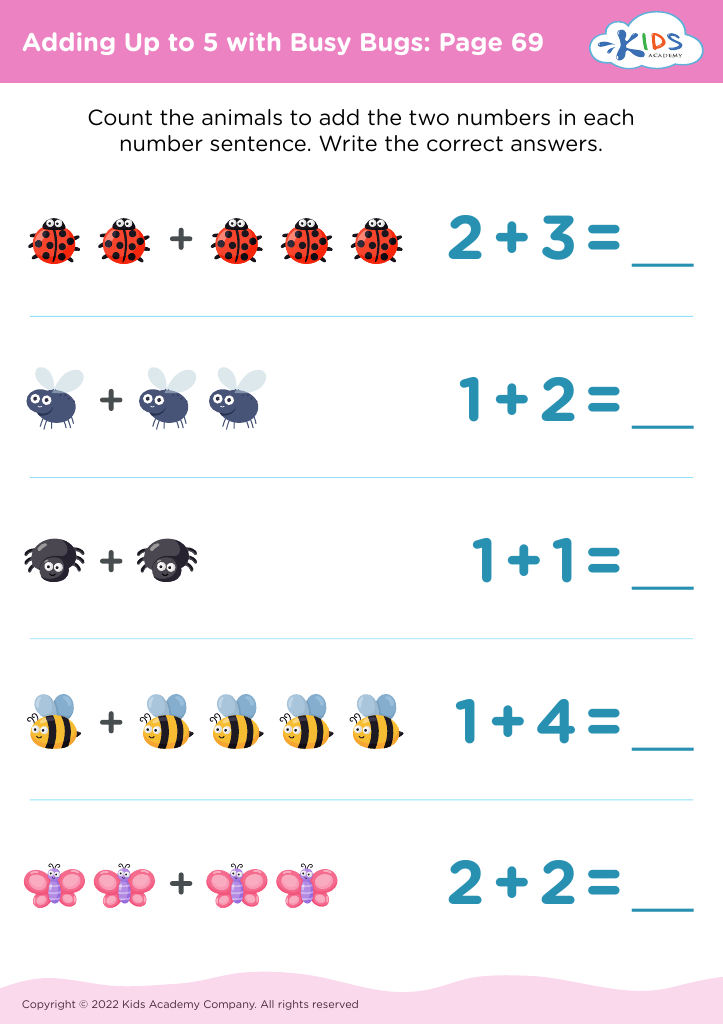








Understanding numeracy and mathematics for ages 4-9 is crucial for both parents and teachers as it lays the foundational skills necessary for a child’s future academic success and everyday life. At this young age, children are naturally curious and form concepts based on experiences and interactions. By equipping them with essential numeracy skills, parents and teachers empower children to recognize patterns, solve problems, and develop critical thinking strategies.
Early exposure to math concepts enhances cognitive development and boosts confidence in a child's abilities, which can lead to a lifelong positive relationship with math. Skills such as counting, understanding basic operations, and recognizing shapes not only contribute to academic performance but also have practical applications in real life—like budgeting, cooking, and time management.
Moreover, fostering a supportive and engaging math environment can help dismantle common fears and misconceptions about mathematics, creating a more equitable and inclusive learning space. By emphasizing the importance of numeracy, adults play a pivotal role in preparing children for more complex mathematical concepts in the future. Ultimately, understanding numeracy during these formative years creates well-rounded, capable individuals ready to face diverse challenges both in school and beyond.








