Understanding numerical values Math Worksheets for Ages 4-9
4 filtered results
-
From - To
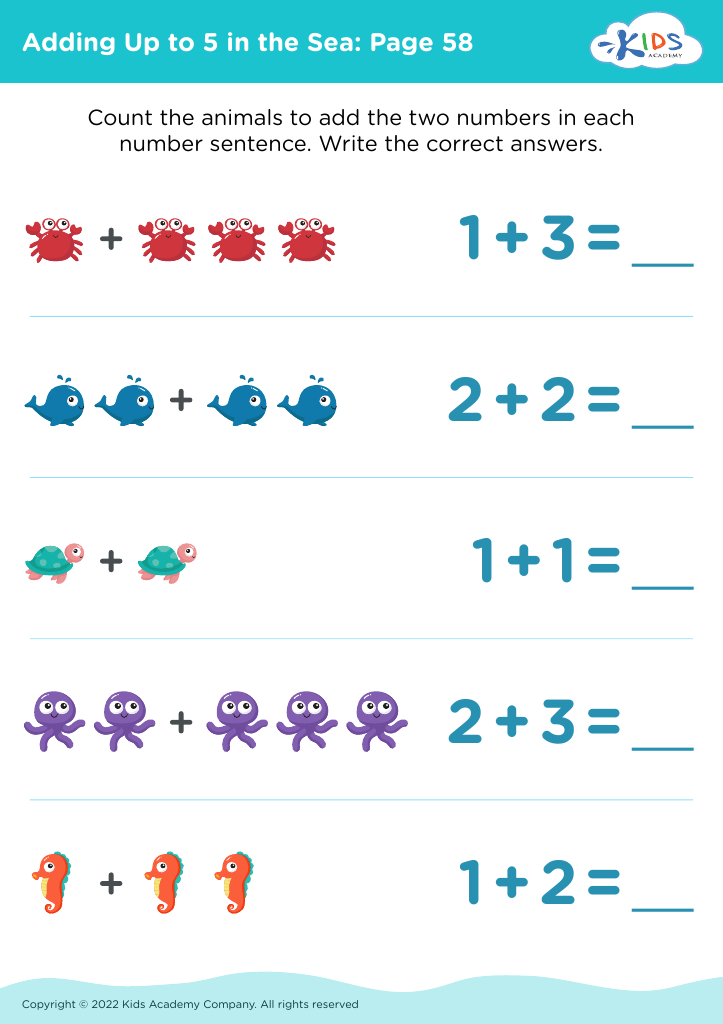
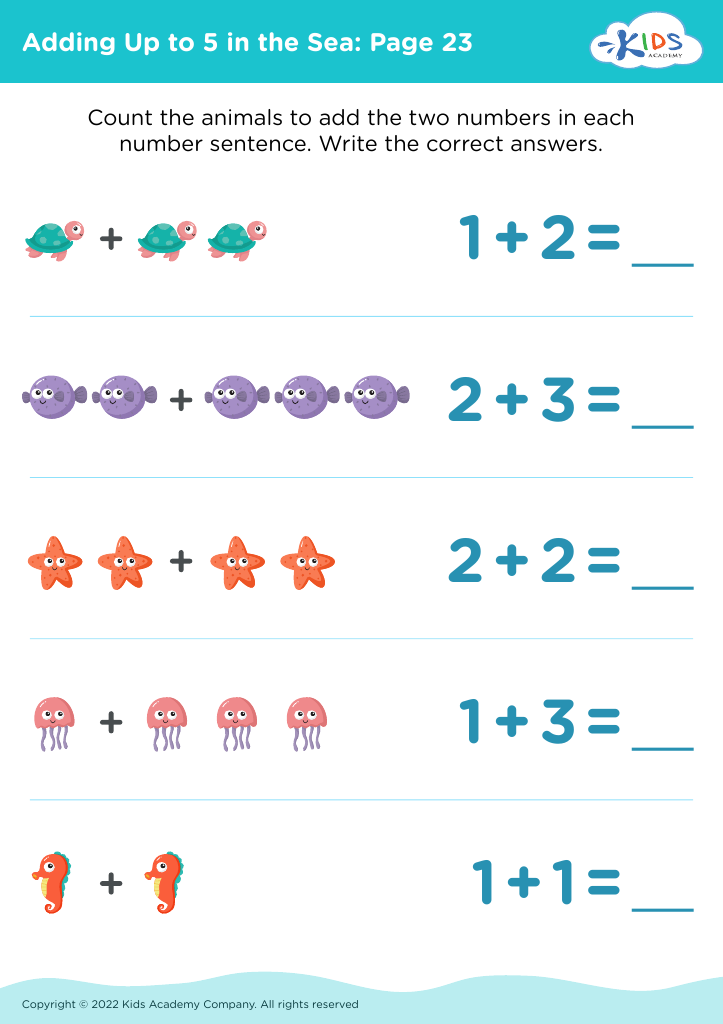
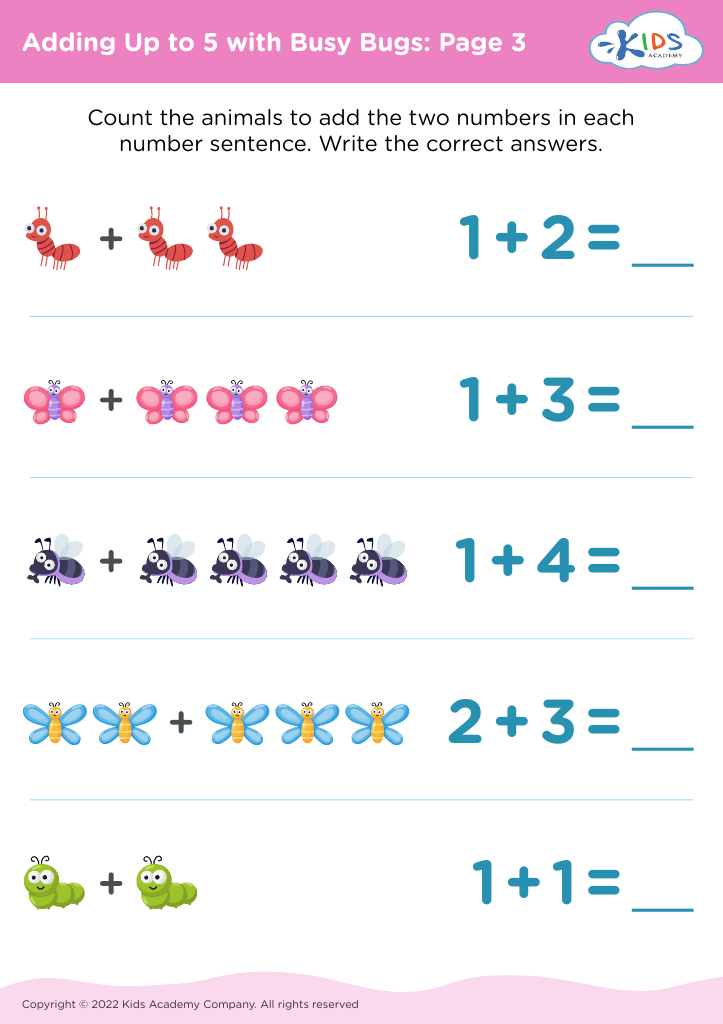
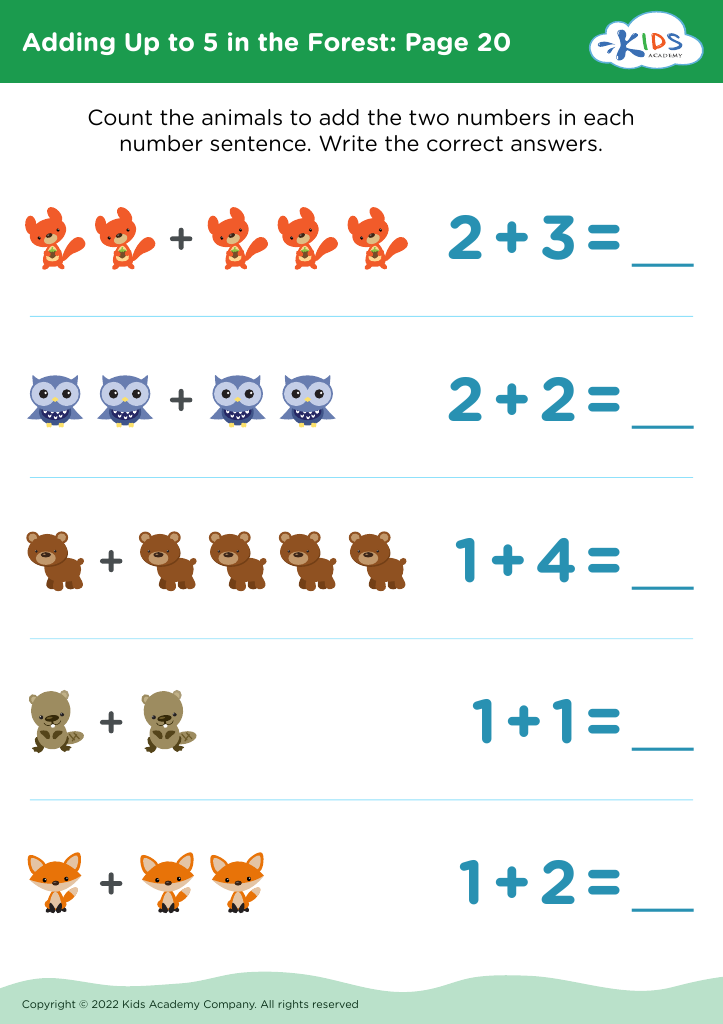
Explore our "Understanding Numerical Values Math Worksheets" designed for children aged 4-9! These engaging resources are perfect for enhancing foundational math skills by introducing young learners to basic numerical concepts. Each worksheet features fun activities that encourage kids to recognize, compare, and order numbers, setting the stage for more complex mathematical understanding. Tailored to meet various learning styles, our worksheets promote hands-on learning and critical thinking. Ideal for both classroom and home use, these materials will help your child build confidence and mastery in their numerical abilities. Dive into the world of numbers and ignite your child’s passion for math today!








Understanding numerical values is crucial for children aged 4-9 as it lays the foundation for their mathematical experiences and overall cognitive development. At this stage, children are not only introduced to numbers but also begin to comprehend their meaning and application in everyday life. Early mastery of numerical values enhances a child’s ability to engage with basic arithmetic, problem-solving, and critical thinking skills essential for future academic success.
Parents and teachers play a significant role in fostering a robust understanding of numerical values. When children grasp basic concepts—such as counting, comparing quantities, or recognizing number patterns—they develop confidence and curiosity in math, which helps reduce math anxiety later in life. Integrating numerical activities into everyday situations, such as shopping or cooking, makes learning relevant and engaging.
Moreover, a strong numerical foundation promotes cognitive skills such as logical reasoning and spatial awareness. This is vital as students advance in their educational journey, encountering more complex mathematical concepts. By prioritizing the understanding of numerical values, caregivers and educators help equip children with essential skills for their academic future and encourage lifelong math literacy, making it a focus area in early education.








