Understanding word problems Math Worksheets for Ages 4-9
3 filtered results
-
From - To
Enhance your child's math skills with our "Understanding Word Problems" worksheets for ages 4-9. These engaging, age-appropriate worksheets help young learners grasp complex concepts through relatable scenarios. By integrating math into real-life contexts, children develop critical thinking and problem-solving skills. Each worksheet offers a variety of problems, from simple addition and subtraction to more advanced challenges, designed to cater to individual learning paces. Boost your child's confidence and proficiency in math with these fun and educational activities, perfect for classroom use or at-home practice. Unlock their potential with our expertly crafted resources!
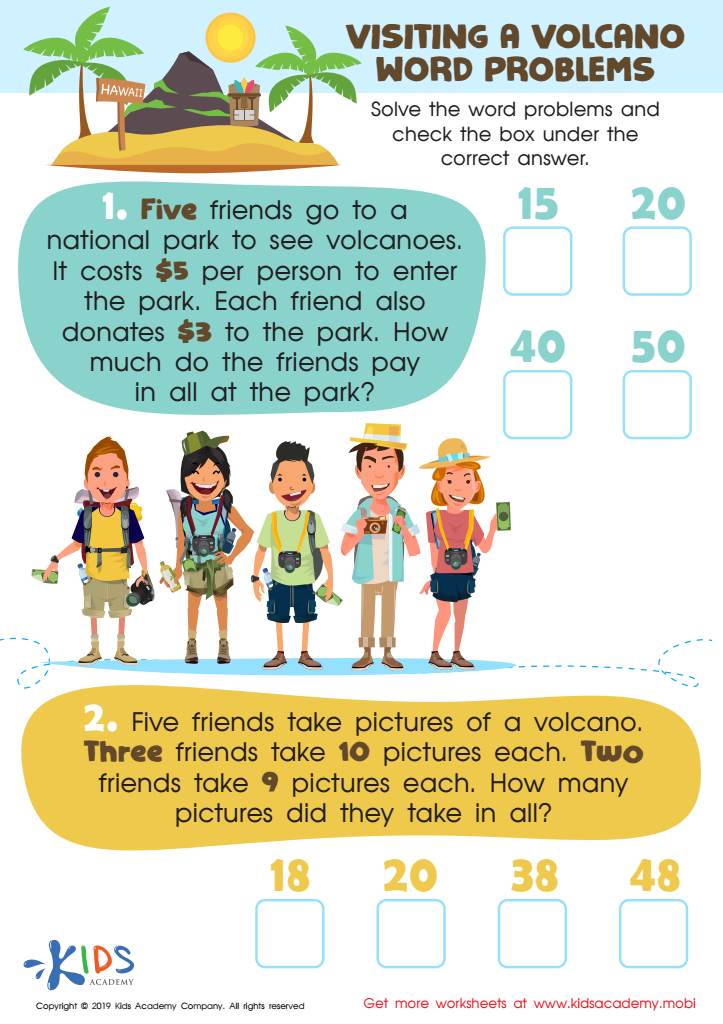
Visiting a Volcano Word Problems Worksheet
 Assign to My Students
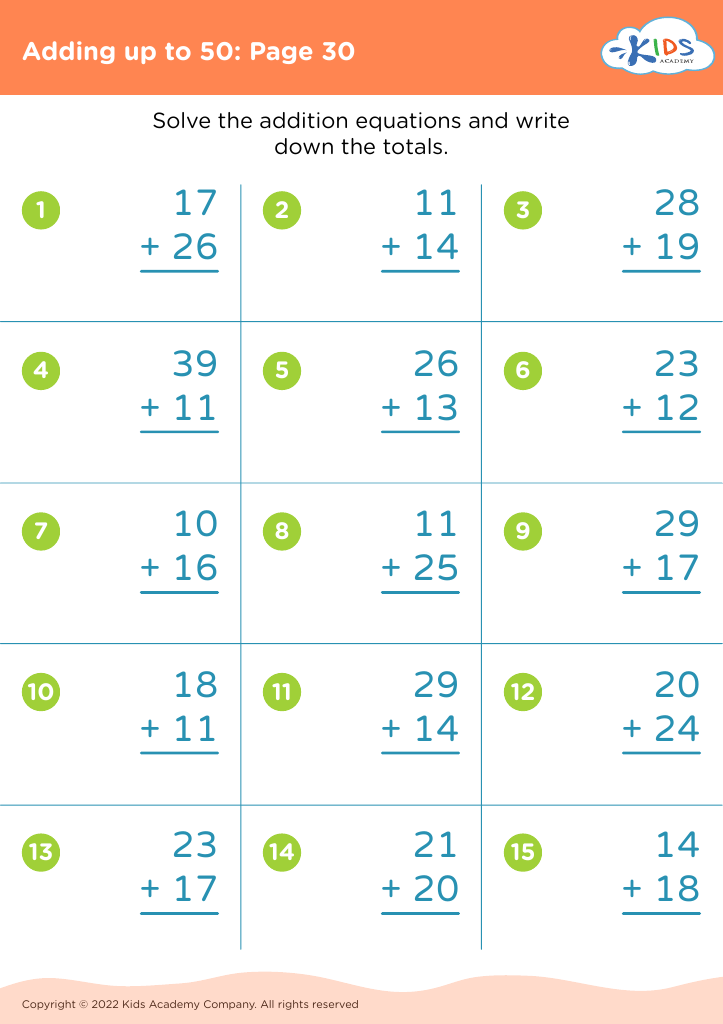
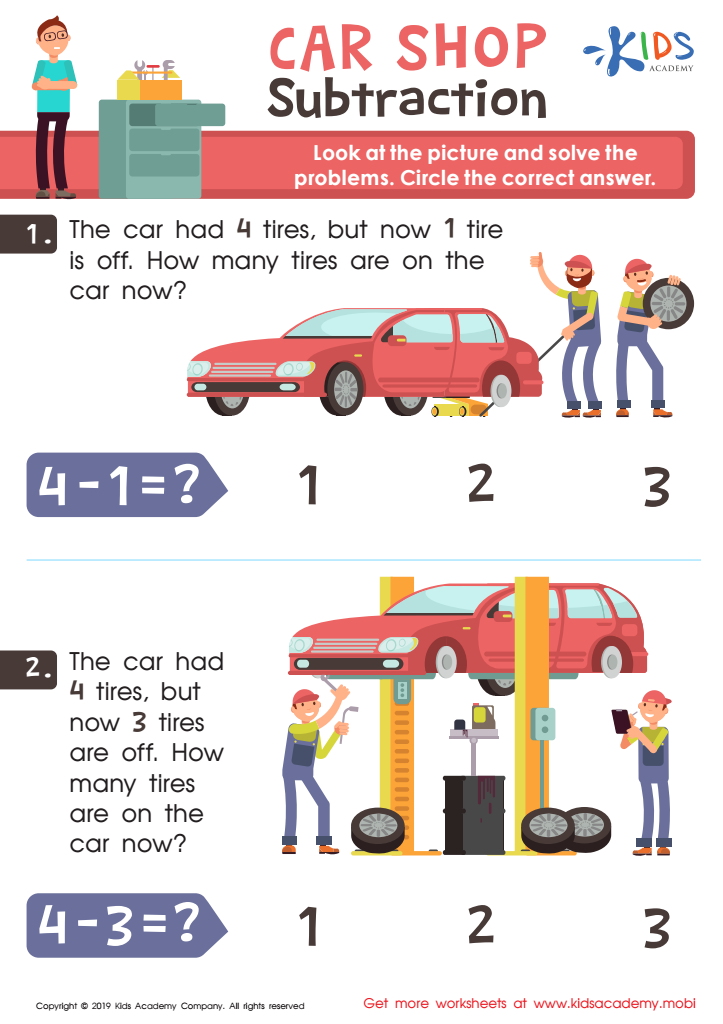
Car Shop Subtraction Worksheet








Understanding word problems in math is crucial for children ages 4-9, and parents and teachers should care deeply about this skill set for several reasons:
-
Foundation of Math Skills: Word problems help children develop essential math skills such as addition, subtraction, multiplication, and division. By interpreting a narrative and translating it into a mathematical equation, kids enhance their understanding of basic operations and how they interrelate.
-
Critical Thinking and Comprehension: Solving word problems requires more than executing a math operation; it demands critical thinking and reading comprehension. Children learn to pick out relevant information, ignore extraneous details, and ponder the relationships between numbers and elements within a problem. This enhances both their math and literacy skills.
-
Real-World Application: Word problems show how math operates within real-world scenarios, making math more relatable. Understanding concepts through familiar contexts, like sharing snacks or counting toys, helps kids recognize math's value in everyday life.
-
Confidence Building: Successfully solving word problems boosts a child's confidence. When kids solve problems on their own, they gain a sense of accomplishment, fostering a positive attitude towards learning and persistence when faced with challenges.
In conclusion, focusing on word problems equips young learners with versatile problem-solving skills, resulting in better academic performance and real-life preparedness.








