
Visual interpretation Math Worksheets for Ages 4-9
8 filtered results
Difficulty Level
Grade
Age
-
From - To
Subject
Activity
Standards
Unlock your child's potential with our engaging Visual Interpretation Math Worksheets for ages 4-9! Designed to enhance critical thinking and spatial awareness, these worksheets provide a fun and interactive way for young learners to master essential math concepts. With vibrant illustrations and captivating activities, children will develop skills in analyzing, interpreting, and drawing conclusions from visual data. Each worksheet encourages creativity while reinforcing key mathematical ideas, setting a strong foundation for future learning. Perfect for classrooms or home use, our materials make math enjoyable and accessible. Explore our collection today and watch your child's confidence grow as they excel in visual math understanding!
Favorites
With answer key
Interactive
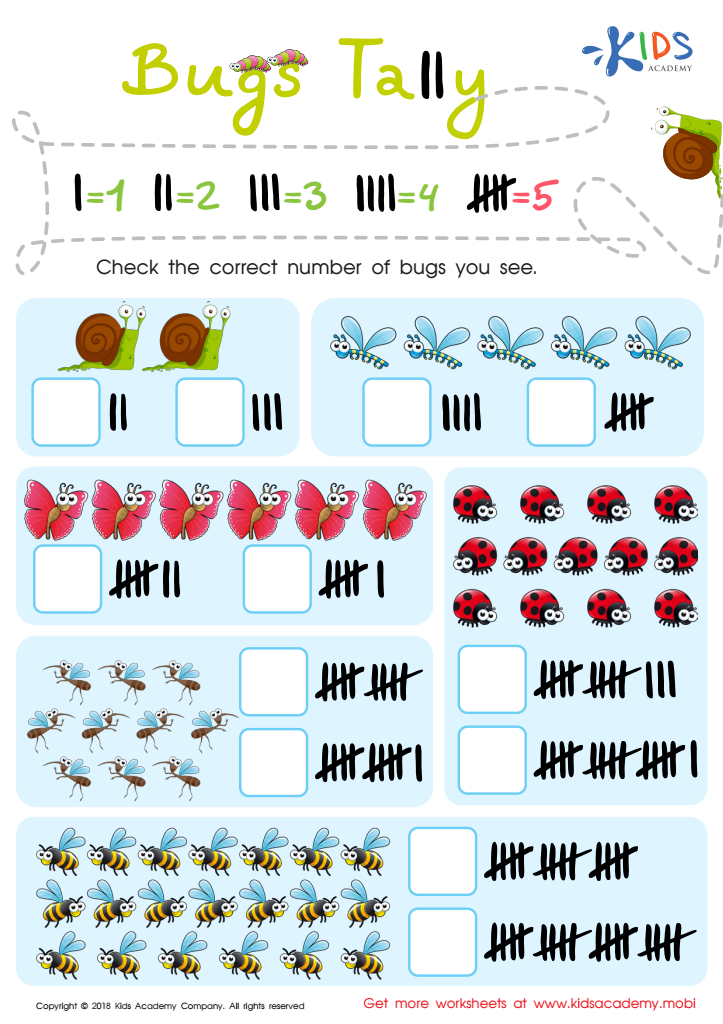
Bugs Tally Worksheet
This fun worksheet uses friendly bugs to help young mathematicians learn numbers and tally marks. They'll gain real-world skills to help with adding, subtracting and counting. Representations will solidify number reasoning, aiding with game playing and more.
 Assign to My Students
Bugs Tally Worksheet
Worksheet
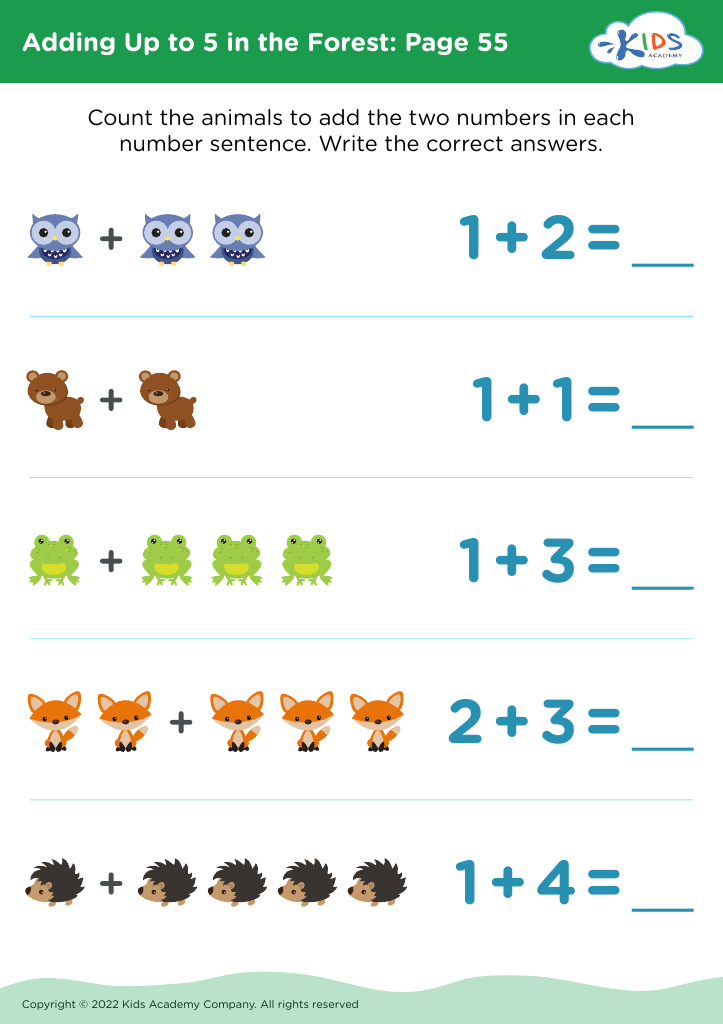
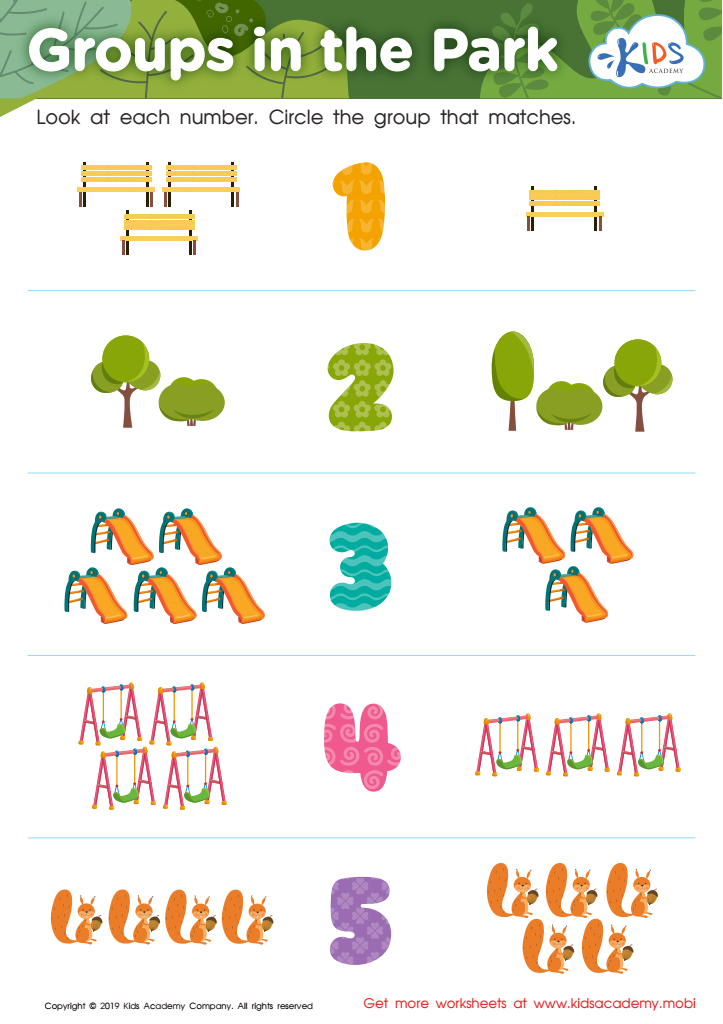
Groups in the Park Worksheet
Take your kids to the park and let them enjoy the freedom to play! Ask them what they love doing most and study a picture together - name items and count objects in the sets, then circle the correct one. It's a fun way for your kids to learn.
Groups in the Park Worksheet
Worksheet
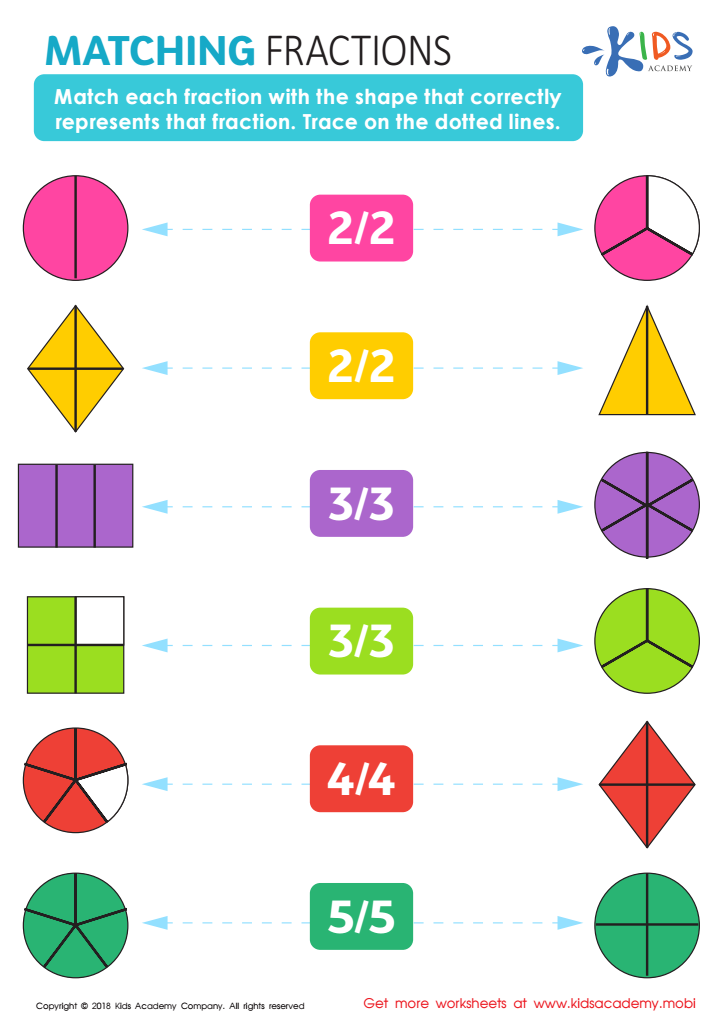
Matching Fractions Worksheet
This worksheet uses colorful images to engage students. On the left are six shapes, mirrored on the right, with fractions in the middle. Students must match up the fraction with the right shape. It's a fun way to sharpen fractions skills!
Matching Fractions Worksheet
Worksheet
Join Kids Academy for Free
Who is primarily going to use this learning content?





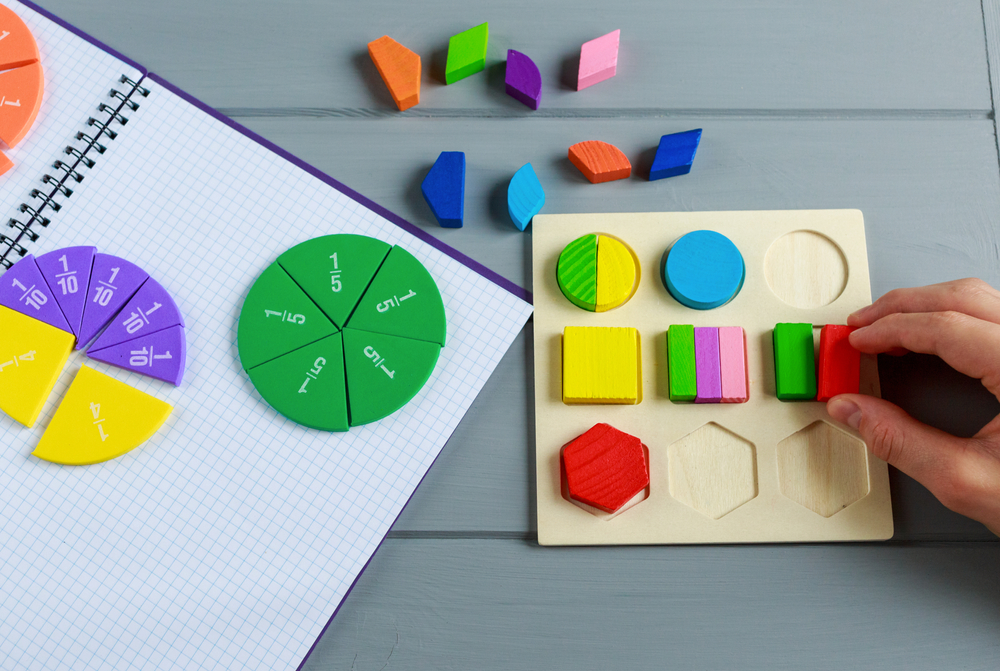


Visual interpretation in math is crucial for children aged 4-9 as it lays a strong foundation for their mathematical understanding. At this developmental stage, children are naturally inclined to learn through visual representations. Using visuals like shapes, number lines, and arrays helps them grasp abstract concepts, making math more accessible and engaging.
Parents and teachers should care about visual interpretation math because it enhances problem-solving skills and critical thinking. When children can visualize problems, they become more capable of breaking them down into manageable parts, fostering independence in their learning process. Early exposure to visual methods also cultivates number sense, which is essential for future mathematical success.
Furthermore, visual interpretation supports diverse learning styles. Not every child learns best through rote memorization; incorporating visual tools accommodates different learners and can reduce math anxiety by making challenges seem less daunting. Creating a positive attitude toward math early on encourages lifelong interest and confidence in the subject.
Ultimately, prioritizing visual interpretation helps children not only succeed in math but also develop essential skills like reasoning and creativity, vital for navigating an increasingly complex world. By focusing on visuals, parents and teachers equip children with tools to thrive academically and in everyday situations.








