Visual representation comprehension Math Worksheets for Ages 4-9
8 filtered results
-
From - To
Enhance your child's math skills with our Visual Representation Comprehension Math Worksheets designed for ages 4-9! These engaging worksheets foster critical thinking and help young learners grasp mathematical concepts through vivid illustrations and scenarios. By connecting numbers and visuals, children can easily understand addition, subtraction, and grouping, transforming abstract ideas into tangible knowledge. Our resources are tailored to make learning enjoyable and effective, promoting not only math proficiency but also confidence in their abilities. Explore our collection of interactive worksheets that cater to various skill levels, ensuring every child finds the right challenges to thrive in their mathematical journey!
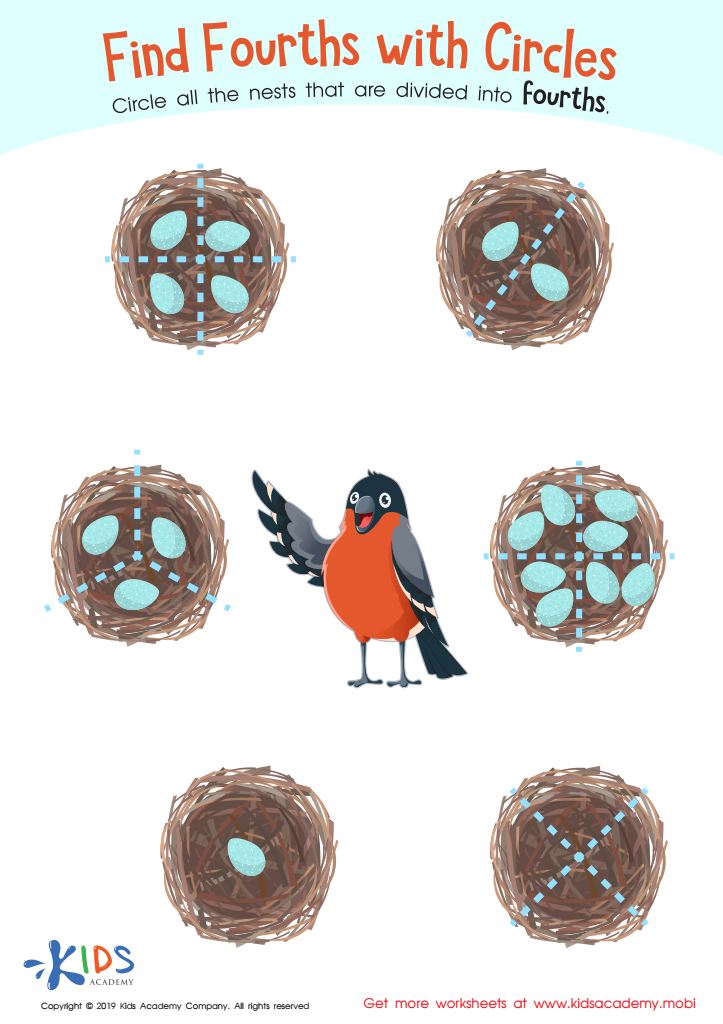
Find Fourths Circles Worksheet
 Assign to My Students
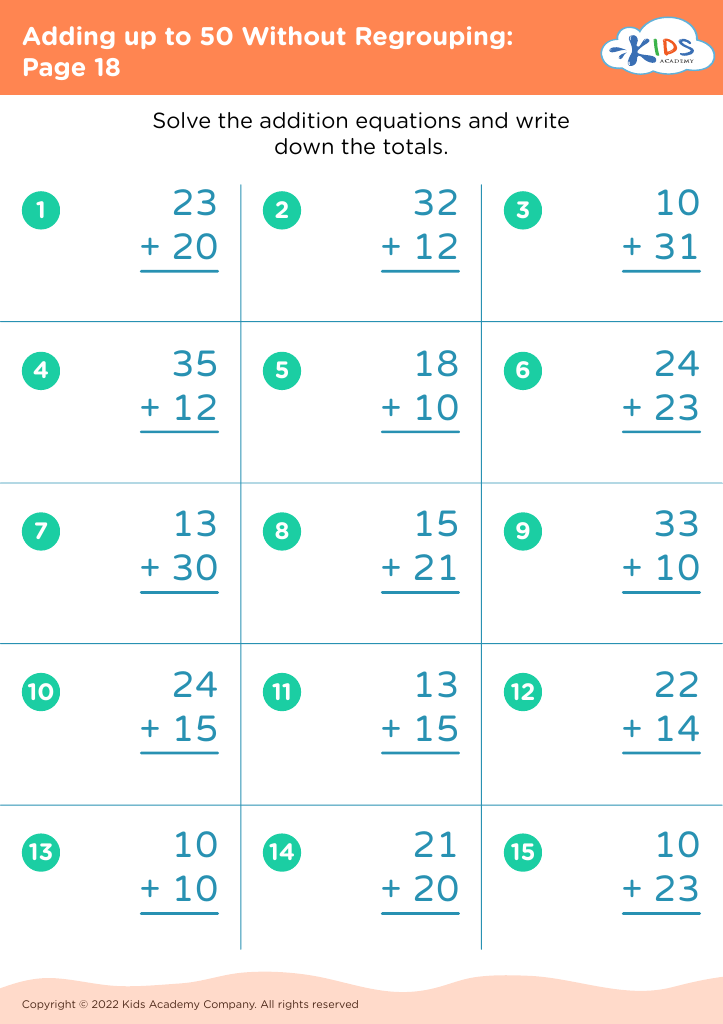
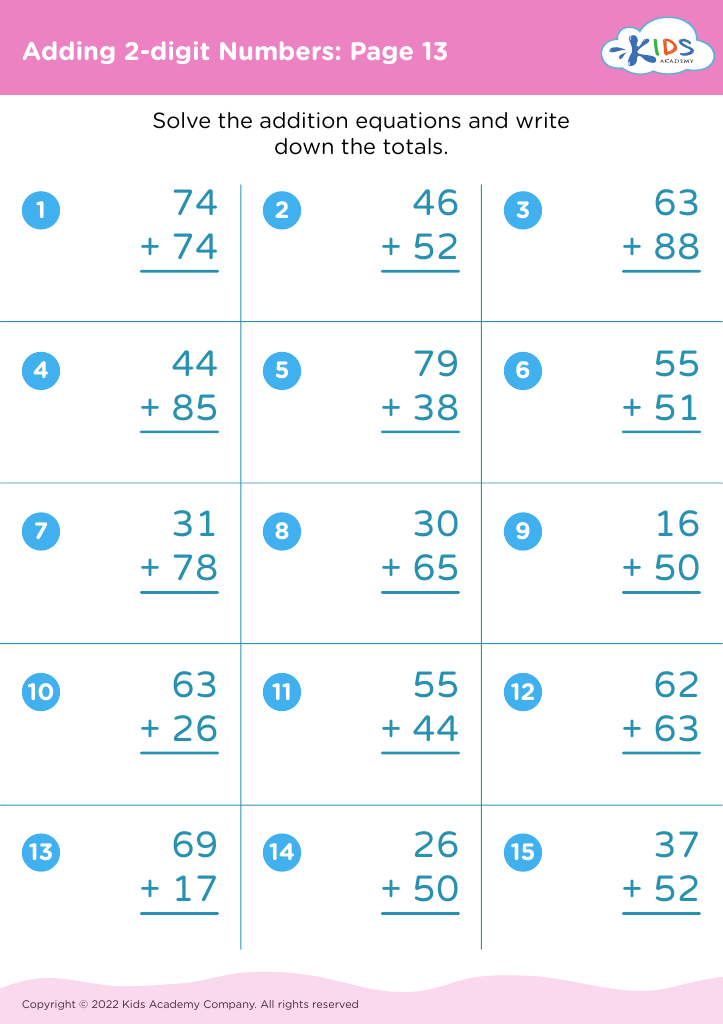
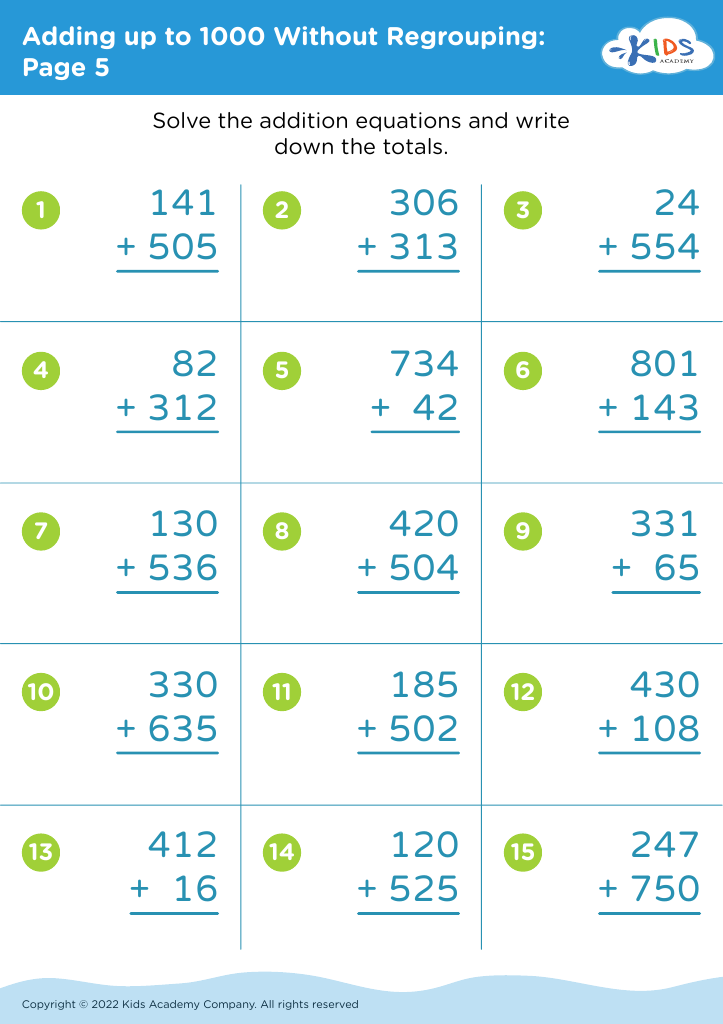
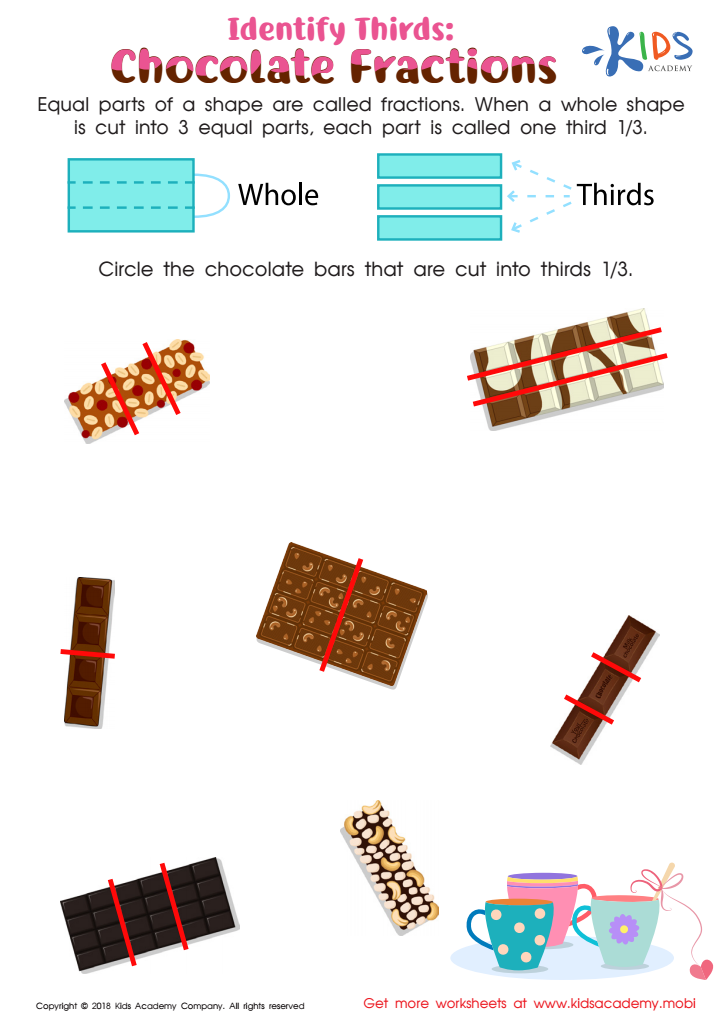
Identify Thirds: Chocolate Fractions Worksheet
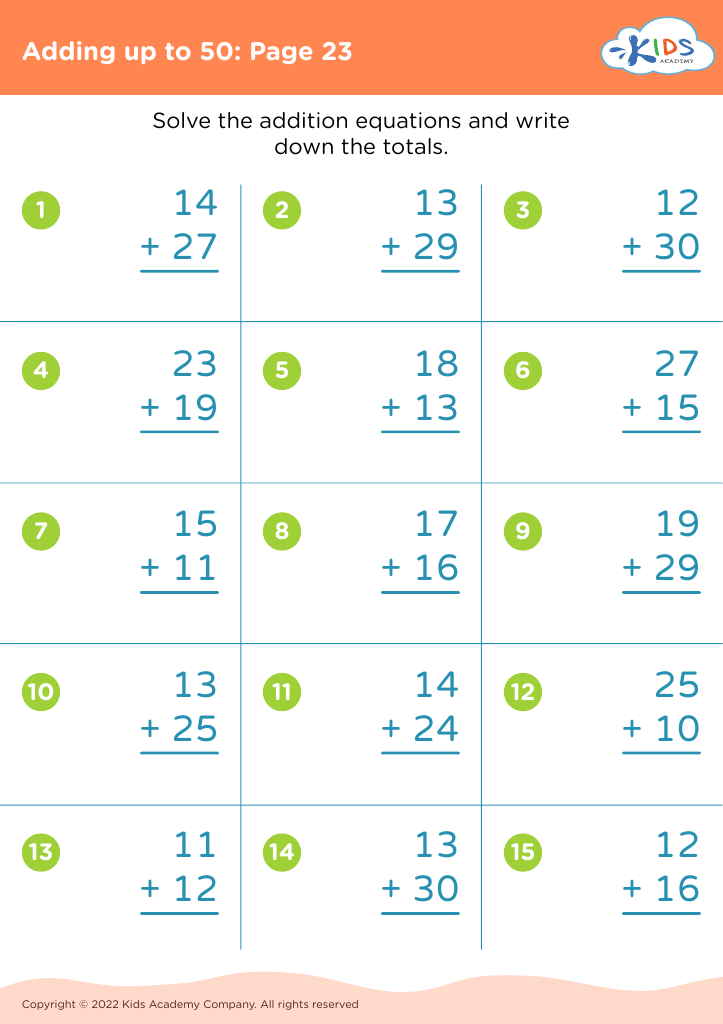
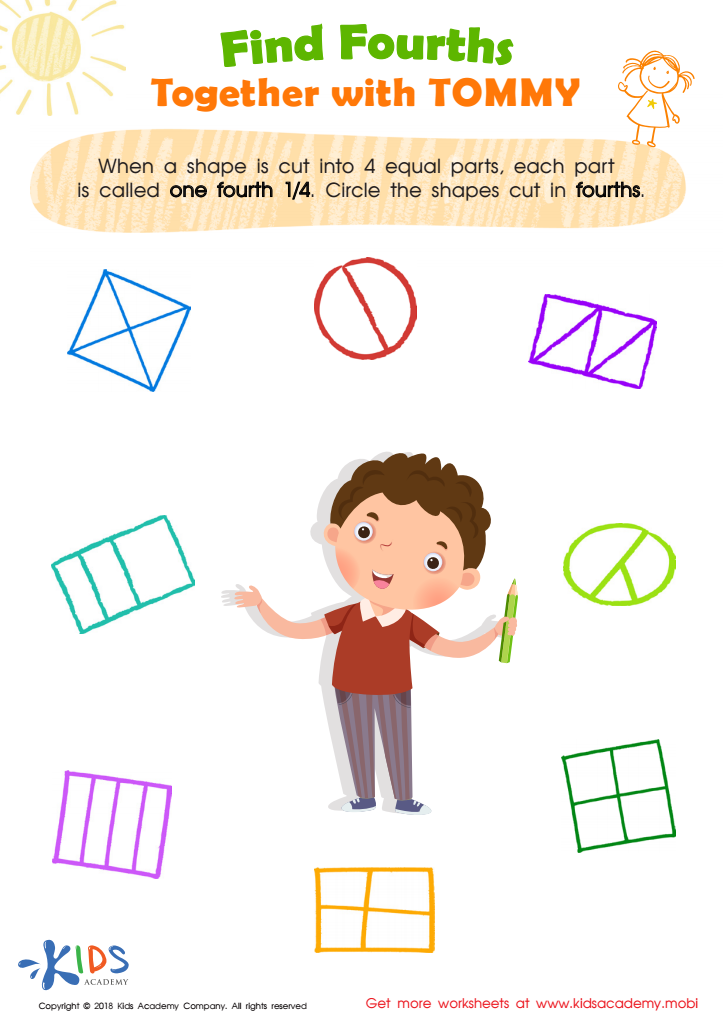
Find Fourths Together with Tommy Worksheet
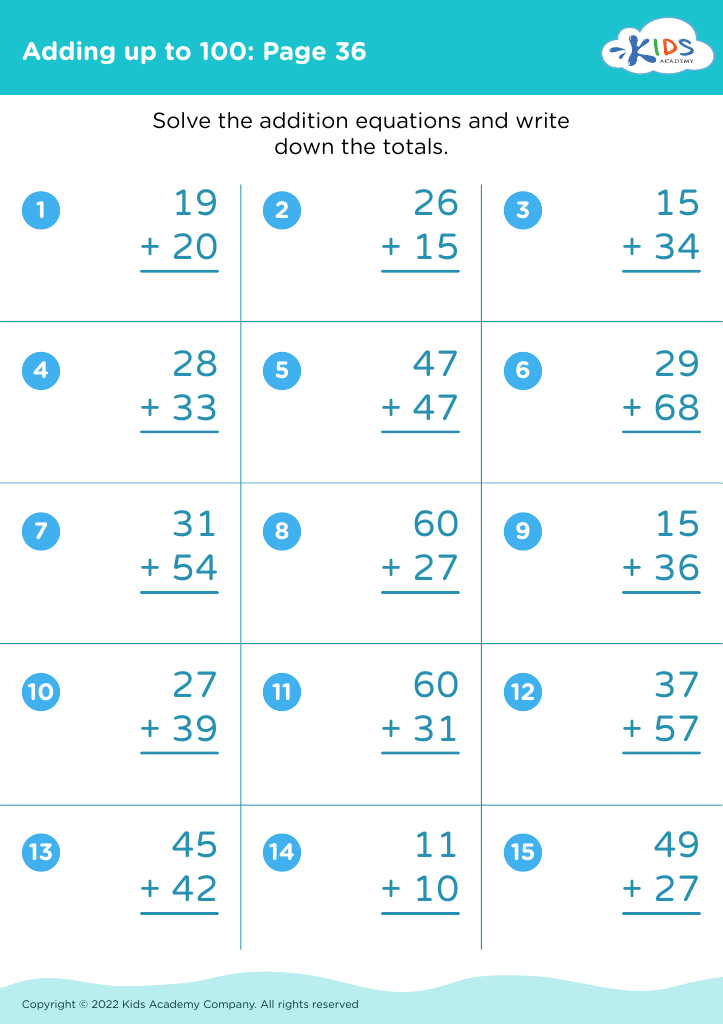








Visual representation comprehension in math is crucial for children aged 4-9 as it serves as a foundational skill for their mathematical understanding. During these formative years, children learn best through concrete experiences that engage their senses, and visual representations bridge the gap between abstract concepts and tangible understanding. By utilizing tools like diagrams, number lines, and visual models, children can better grasp operations such as addition, subtraction, and even basic geometry.
Parents and teachers should care about this aspect because children who understand visual representations are more likely to develop critical thinking and problem-solving skills. These skills enable them to approach new mathematical concepts with confidence and creativity. Moreover, strong visual comprehension fosters a positive attitude toward math, which can combat anxiety and disengagement.
Additionally, children with diverse learning styles benefit significantly from visual aids. By supporting visual comprehension, parents and teachers can enhance overall learning and retention. Early mastery of these skills can lay the groundwork for more advanced mathematical concepts in later grades. By prioritizing visual representation comprehension, caregivers empower children not only to succeed in math but also to develop a lifelong appreciation for learning and inquiry.








