Animal recognition Numbers 0–10 Worksheets for Ages 4-9
6 filtered results
-
From - To
Discover our engaging "Animal Recognition Numbers 0–10 Worksheets," designed specifically for children aged 4-9. These interactive worksheets combine foundational math skills with exciting animal themes, making learning enjoyable and effective! Kids will practice number recognition through colorful images of various animals while developing their counting abilities. Each worksheet features fun activities that help reinforce learning, encourage fine motor skills, and spark creativity. Ideal for both classroom use and home learning, these printable resources aim to enhance early math comprehension. Perfect for parents and teachers alike, our worksheets provide a delightful way to introduce children to numbers while exploring the animal kingdom!
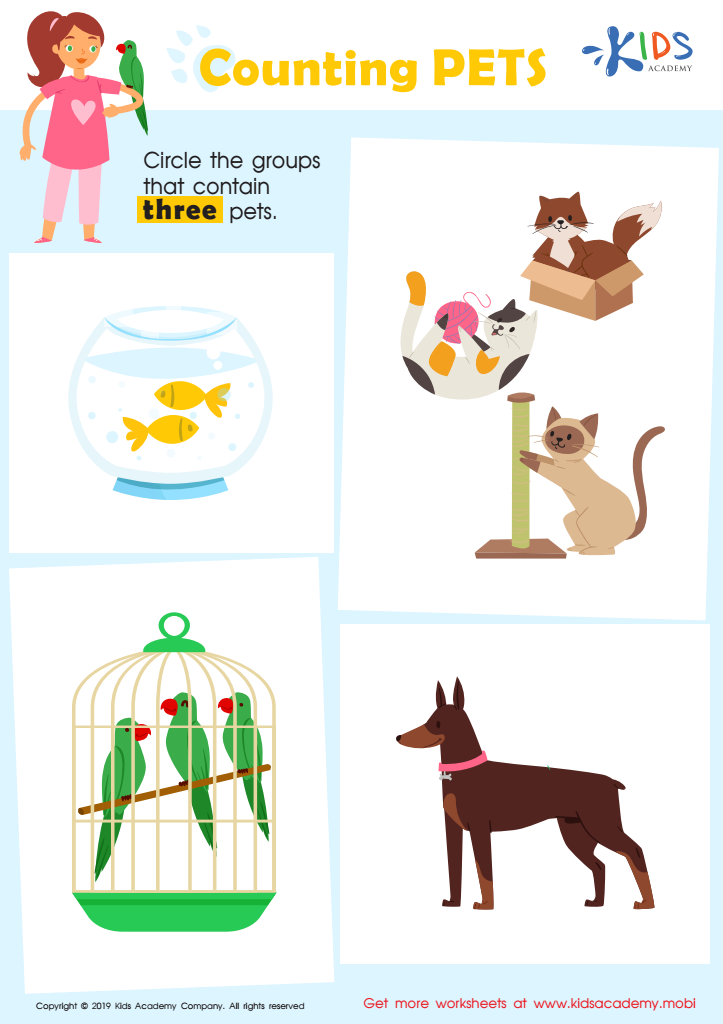
Counting Pets Worksheet
 Assign to My Students
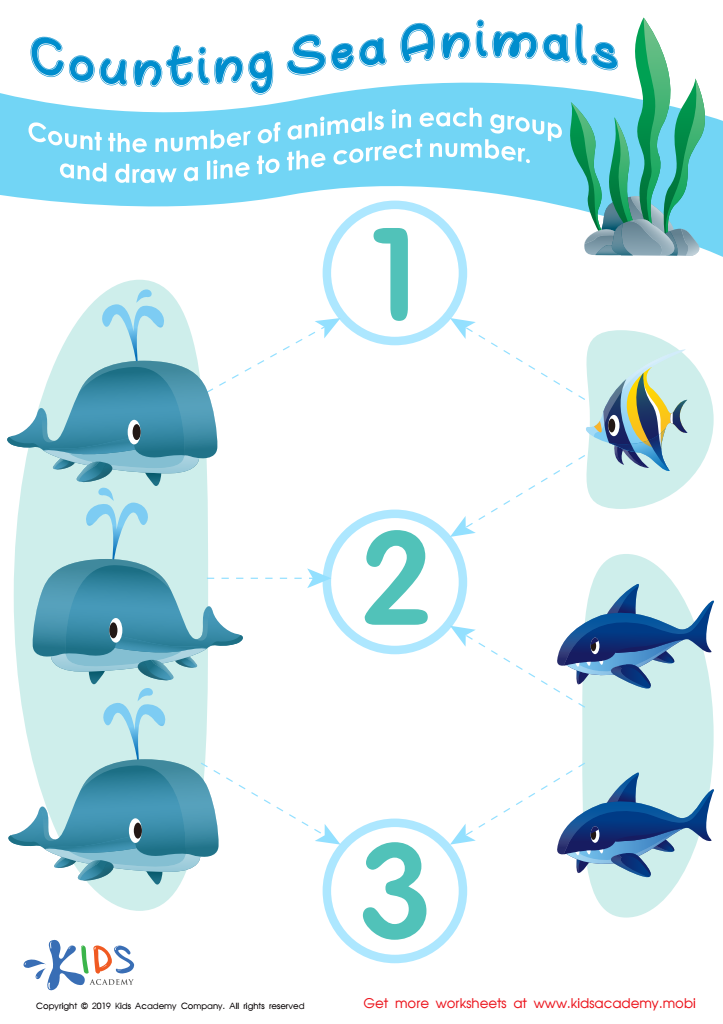
Counting Sea Animals Worksheet
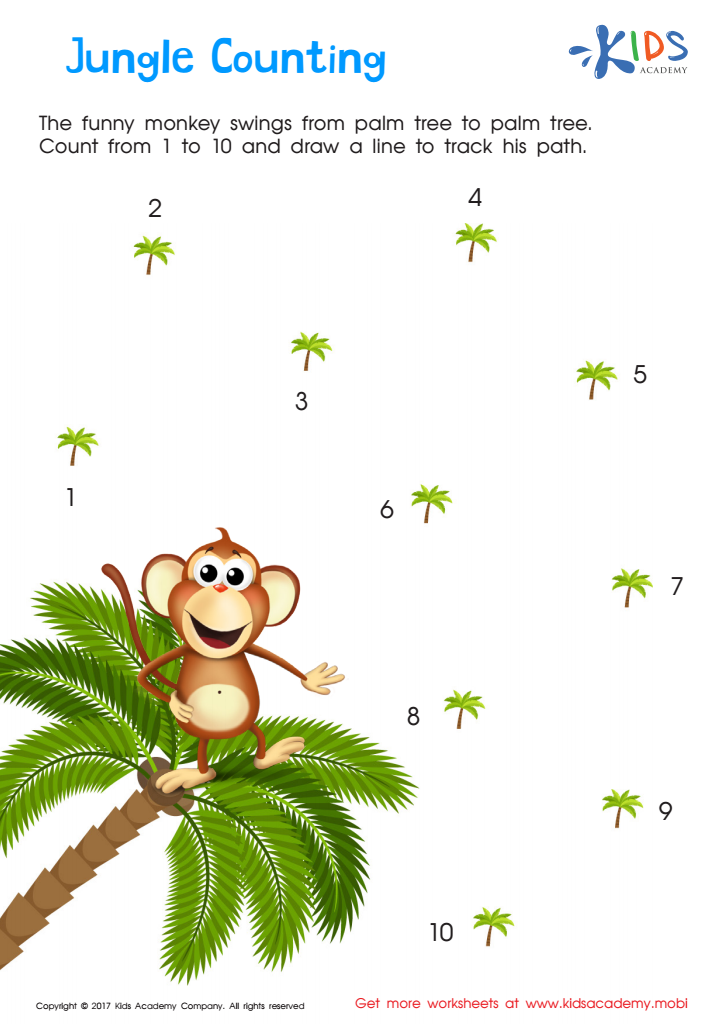
Jungle Counting Connect Dots Worksheet
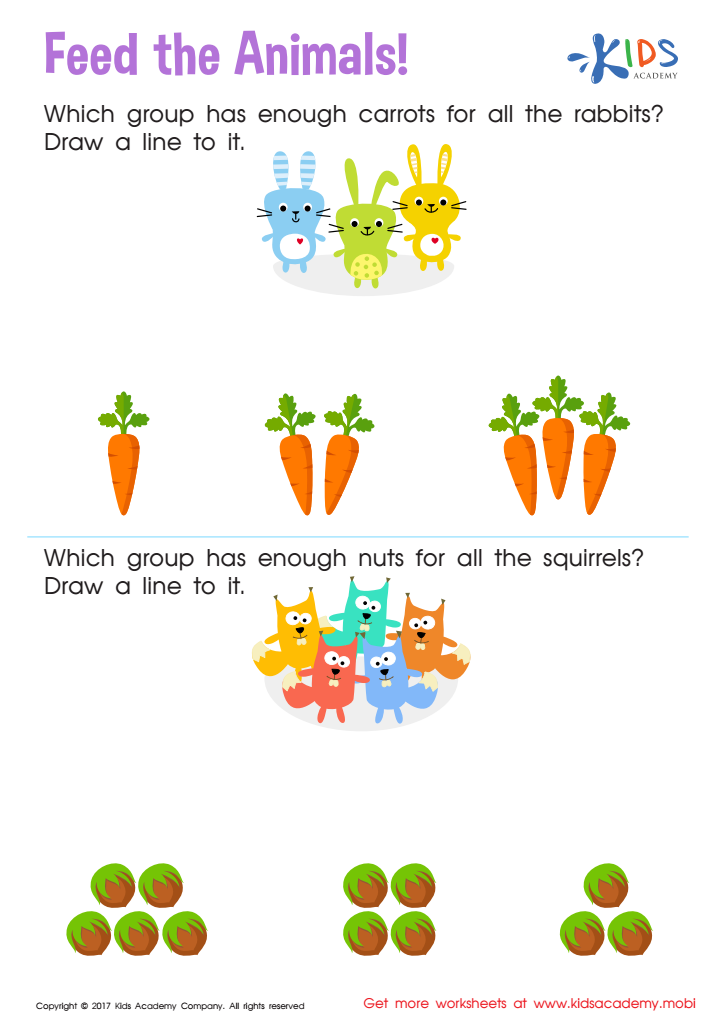
Count and Match: Feed the Animals Worksheet
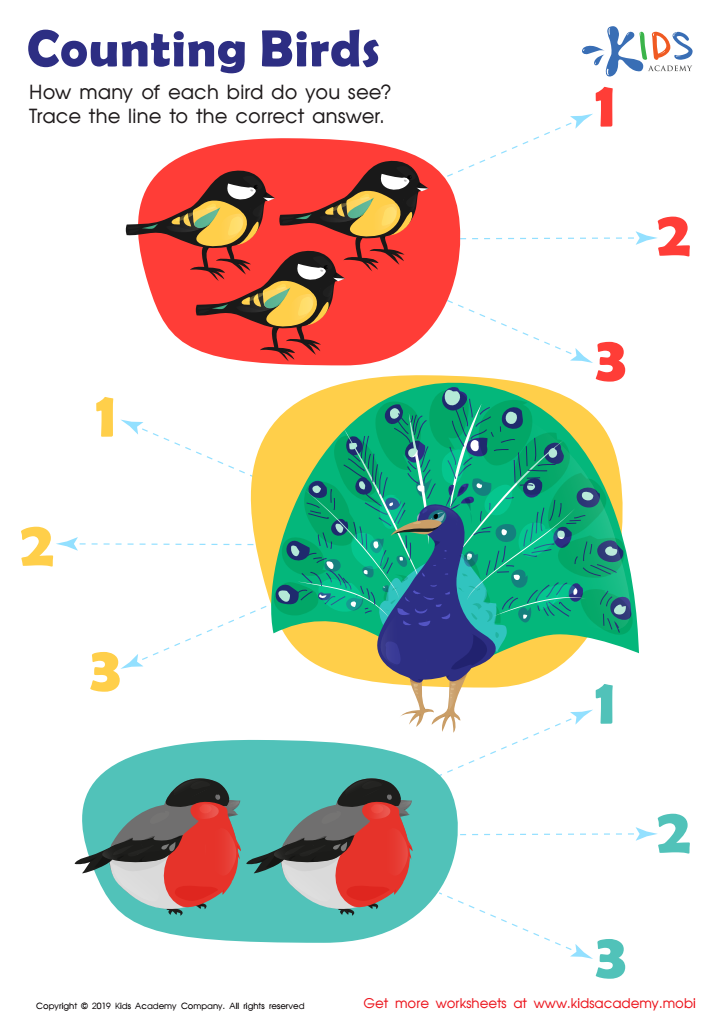
Counting Birds Worksheet
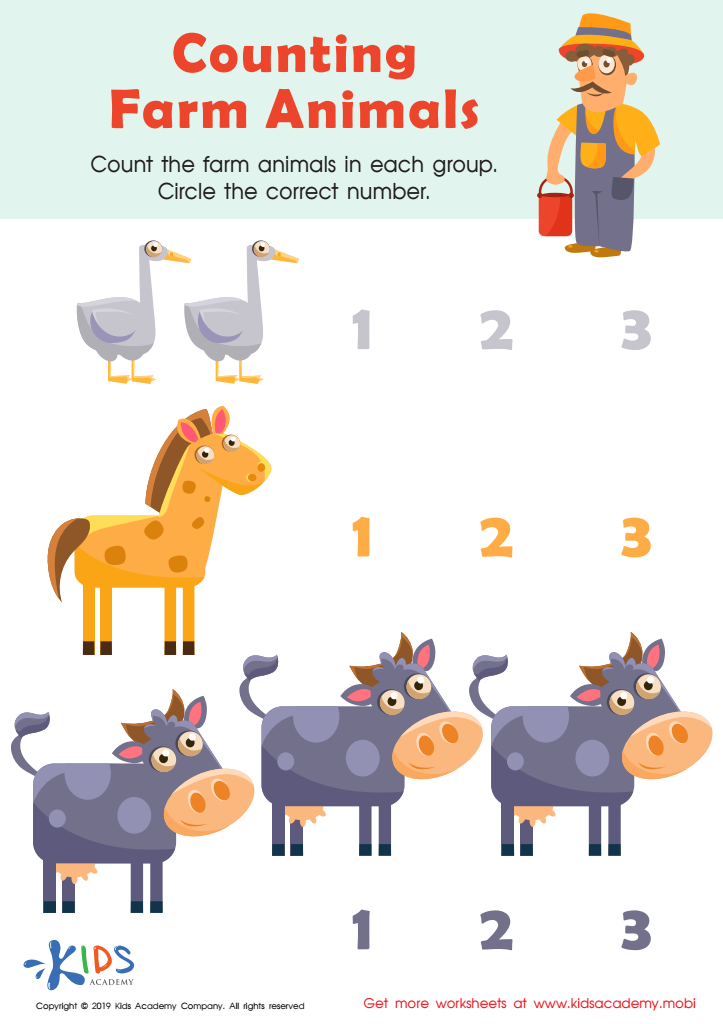
Counting Farm Animals Worksheet








Animal recognition numbers 0-10 are an engaging and educational tool for children ages 4-9. Teaching children to recognize numbers through animals not only introduces them to basic mathematics, but it also enhances their cognitive and linguistic development. By associating numbers with familiar animals, children can more easily grasp the concept of counting and quantity. For instance, seeing three ducks encourages students to visualize and comprehend the idea of “three” in a tangible, relatable way.
Parents and teachers should care about this approach because it fosters a positive learning environment. Utilizing animal recognition turns learning into a fun and interactive experience, helping to maintain children's interest and attention. Furthermore, this method can bridge discussions about wildlife, promoting empathy and curiosity about the natural world.
Incorporating animals into number recognition activities also supports cross-curricular connections, linking numeracy with science and art. Hands-on activities—like counting animal pictures or engaging in storytelling about them—cultivate motor skills and creativity. Ultimately, teaching animal recognition numbers provides a comprehensive learning experience that can support various developmental milestones, making learning both meaningful and memorable. Promoting such practices ensures a well-rounded educational approach that resonates with young learners, fostering lifelong love for learning.