Understanding patterns Numbers 0–10 Worksheets for Ages 4-9
3 filtered results
-
From - To
Introduce young learners to the engaging world of numbers with our "Understanding Patterns: Numbers 0–10 Worksheets for Ages 4-9." Designed to make learning fun and effective, these worksheets help children recognize and create number patterns, fostering critical math skills and logical thinking. Perfect for both classroom and home, each worksheet features vibrant illustrations and age-appropriate exercises tailored to different learning styles. Whether you’re an educator or a parent, these printables are an excellent resource to support foundational math concepts, making numbers 0-10 an exciting adventure for kids. Unlock your child’s potential in a structured, enjoyable way!
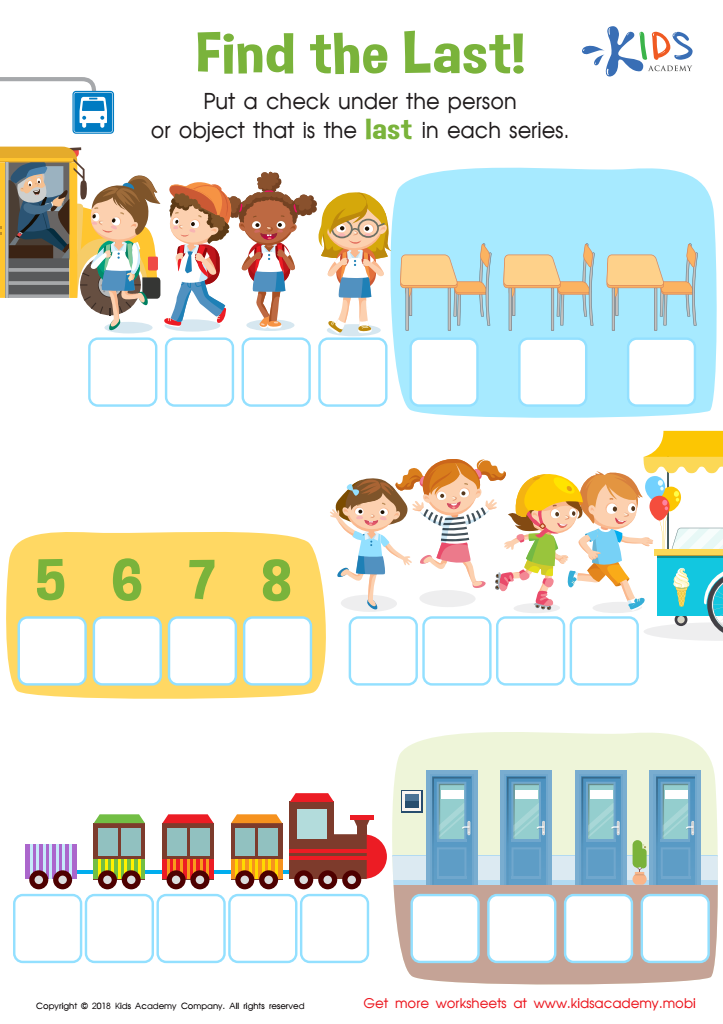
Find the Last! Worksheet
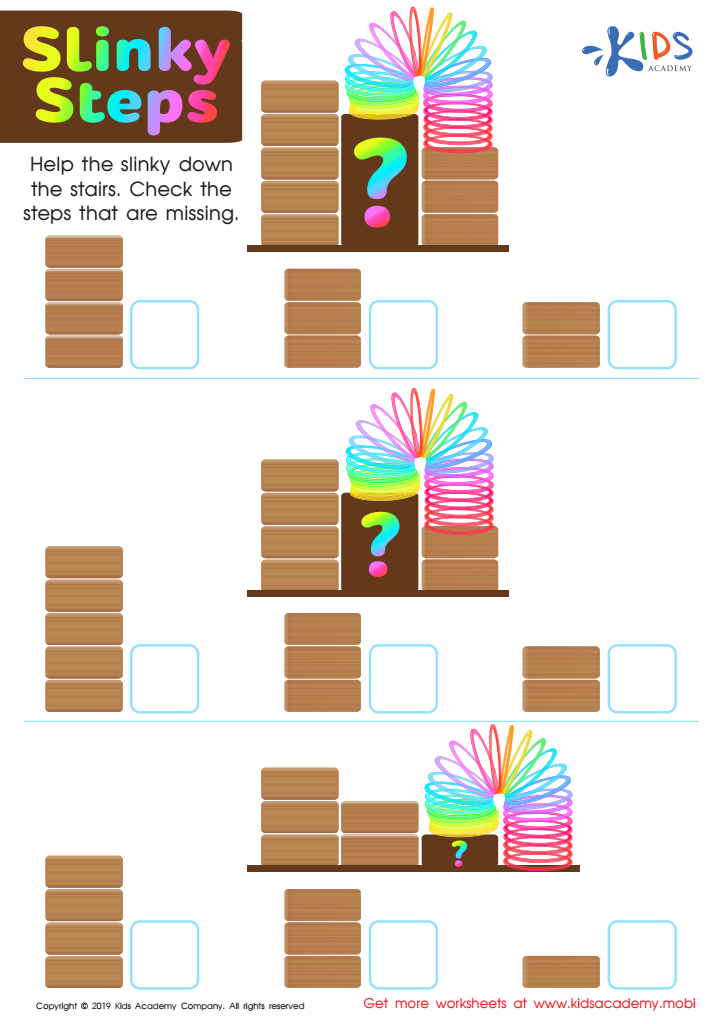
Slinky Steps Worksheet
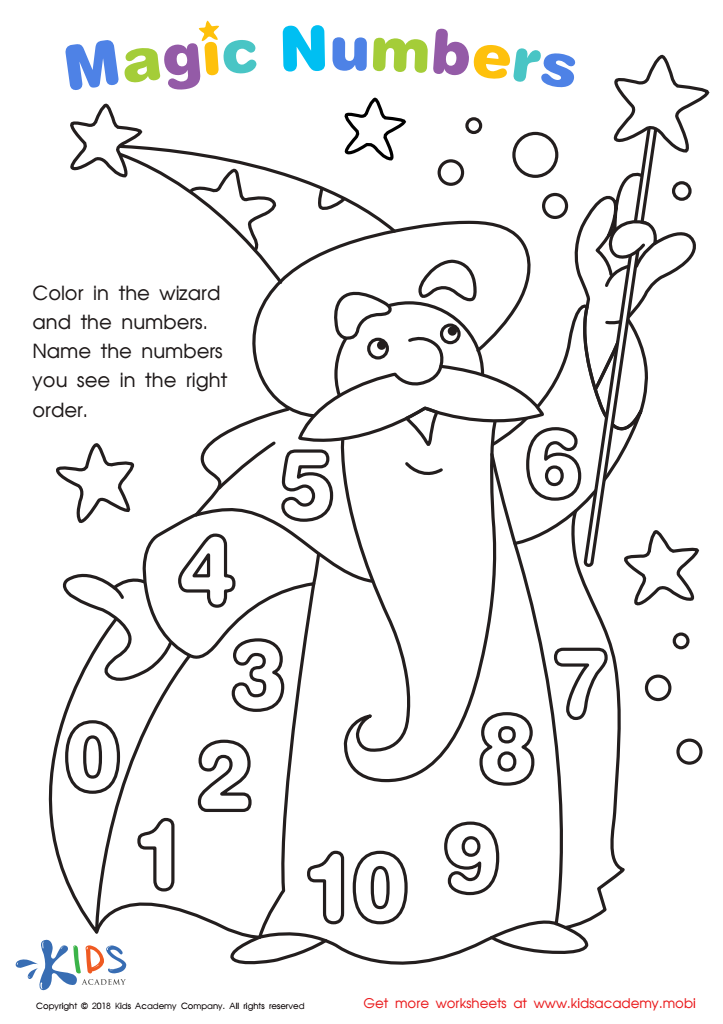
Magic Numbers Worksheet
 Assign to My Students








Understanding patterns and numbers from 0-10 is crucial for children aged 4-9 because these foundational concepts build essential mathematical skills and cognitive abilities critical for their academic and everyday lives. Recognizing and understanding patterns boosts problem-solving skills, as it helps children predict and make connections. It lays the groundwork for more advanced mathematics by aiding in the comprehension of multiplication, sequencing, and operations.
Learning numbers from 0-10 allows children to grasp the basics of counting, number recognition, and arithmetic. These early numeracy skills are integral for more complex math concepts taught later in school. Proficiency in these basics facilitates smoother learning progressions in subjects like addition, subtraction, and even algebra later on.
Moreover, understanding numbers and patterns nurtures logical thinking and reasoning skills. It also enhances memory and concentration, aiding in overall cognitive development. Early success with numbers and patterns builds confidence, fostering a positive attitude toward learning.
Parents and teachers should prioritize developing these skills to ensure children enjoy a solid educational background, enjoy higher self-esteem, and develop a love for learning that extends beyond the classroom. Engaging children in activities like counting and pattern recognition consistently supports this essential aspect of their development.