Basic Math Skills Place Value Worksheets for Ages 4-9
5 filtered results
-
From - To
Welcome to our "Basic Math Skills Place Value Worksheets" designed for children ages 4 to 9! These engaging printable worksheets help young learners grasp the essential concept of place value in a fun and interactive way. Our resources include colorful illustrations, varied activities, and step-by-step instructions that cater to different learning styles. By practicing with these worksheets, kids will build a solid foundation in math, enhancing their understanding of numbers, improving their counting skills, and preparing them for more complex math concepts. Perfect for homeschooling or classroom use, these worksheets make math learning enjoyable and effective for young learners.
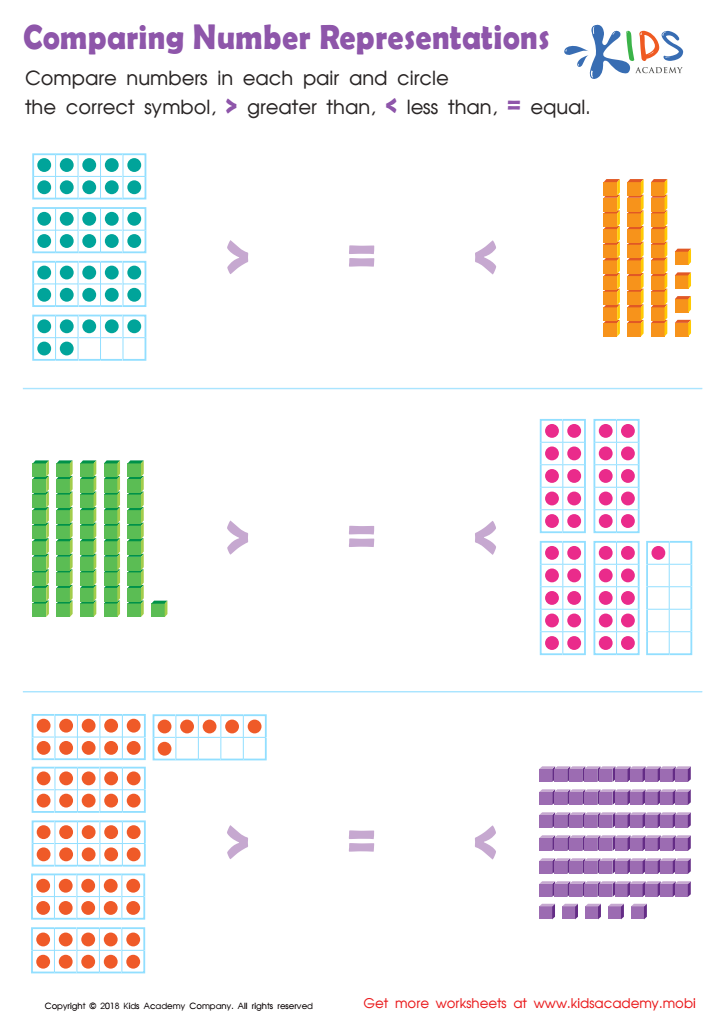
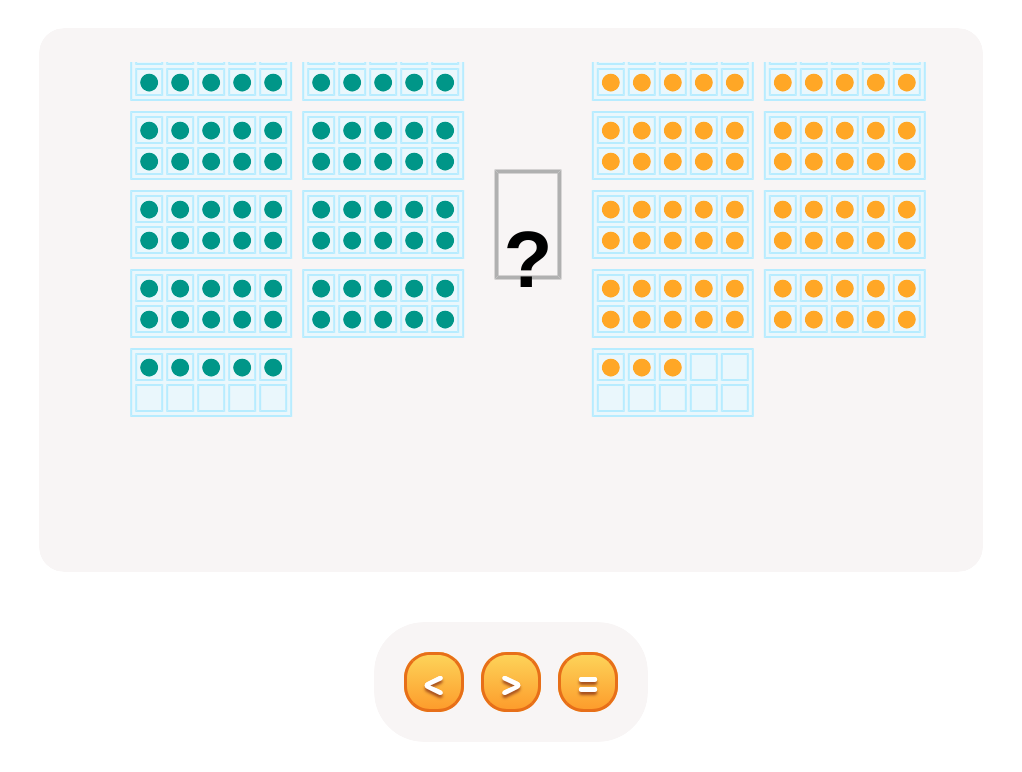
Comparing Number Representations Worksheet
 Assign to My Students
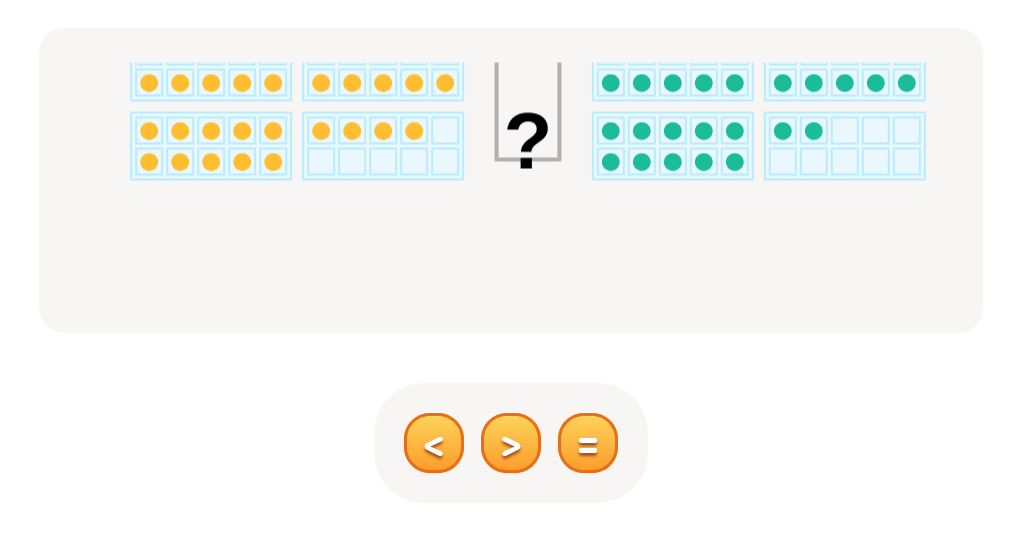

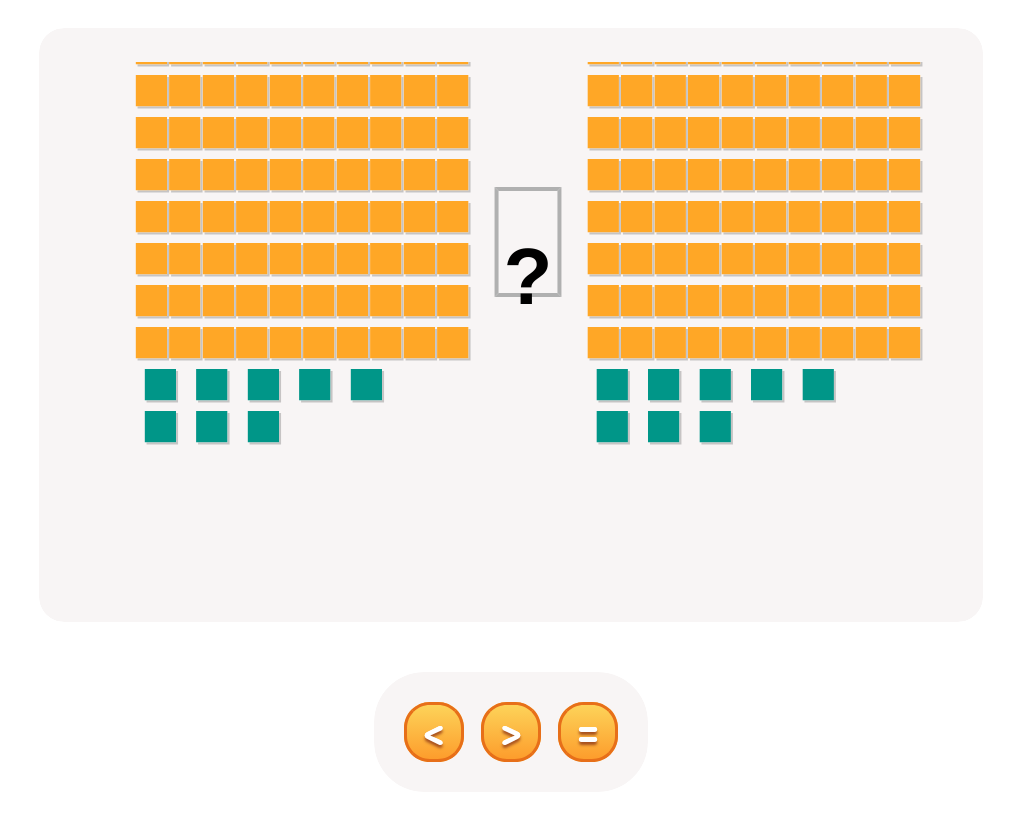
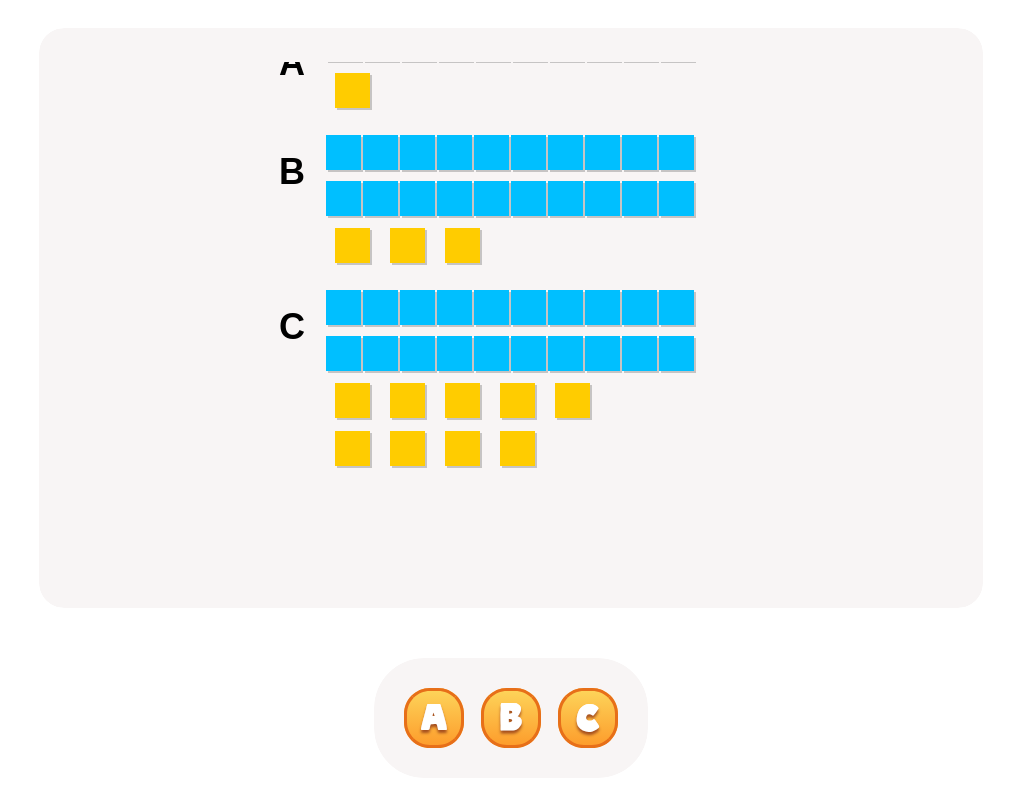
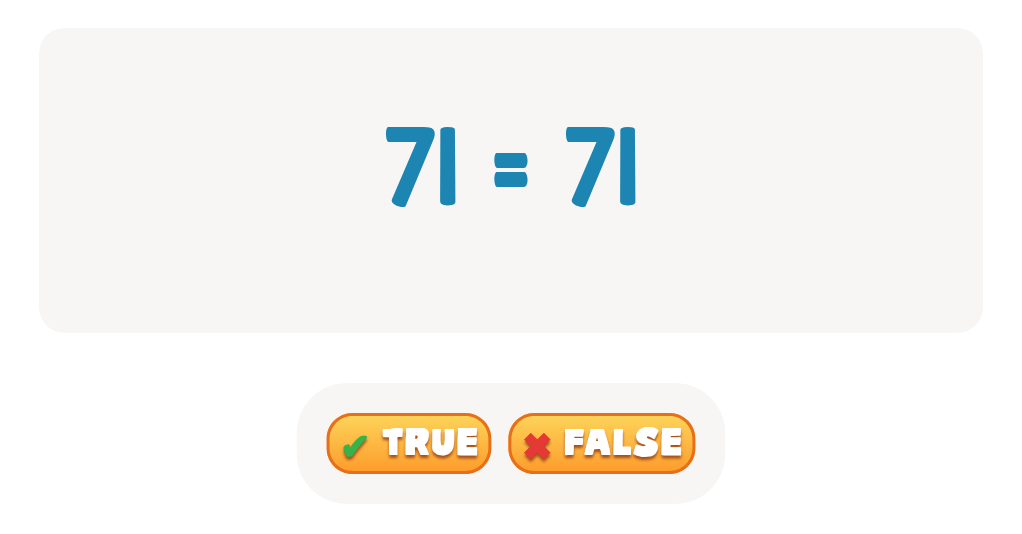
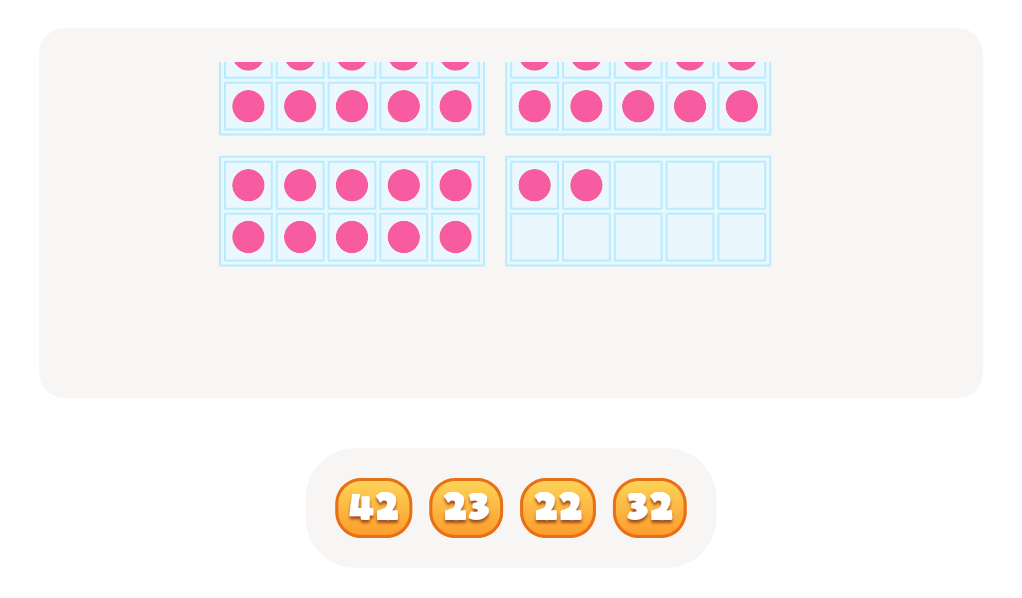
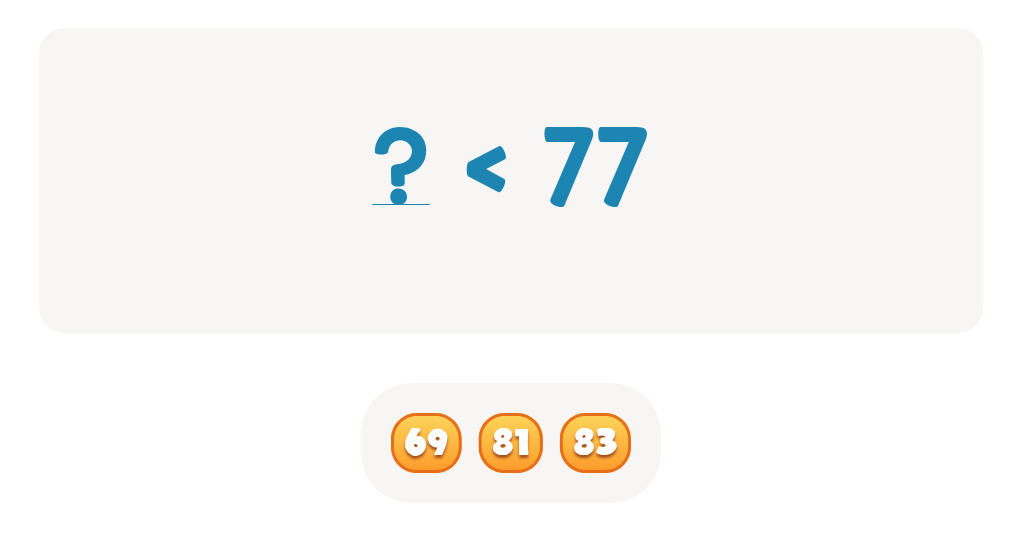
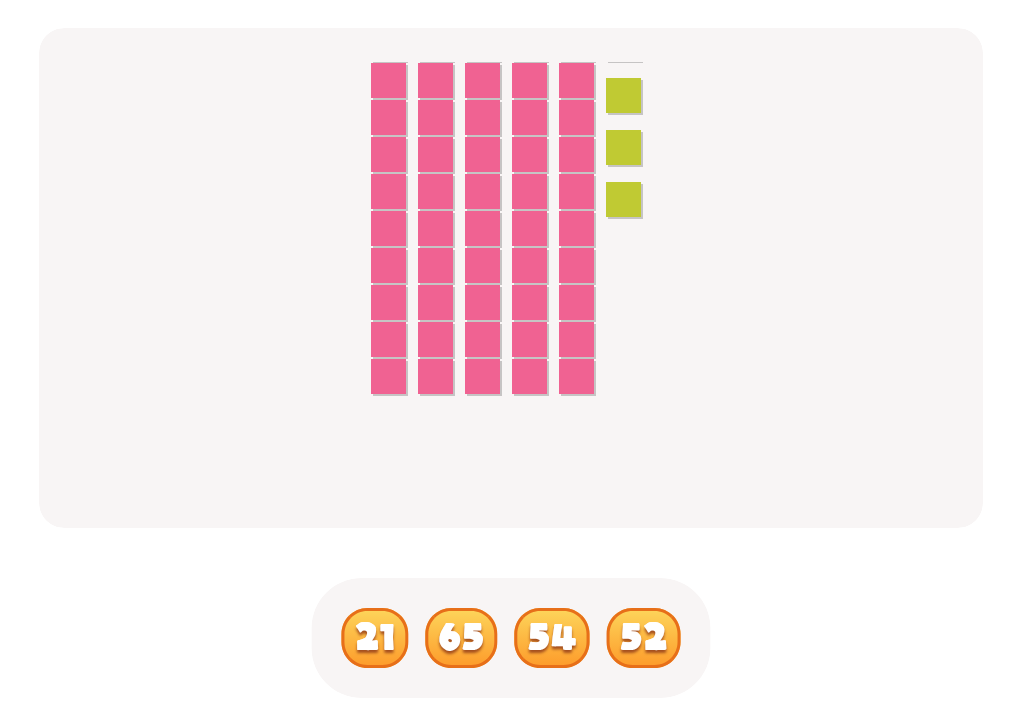
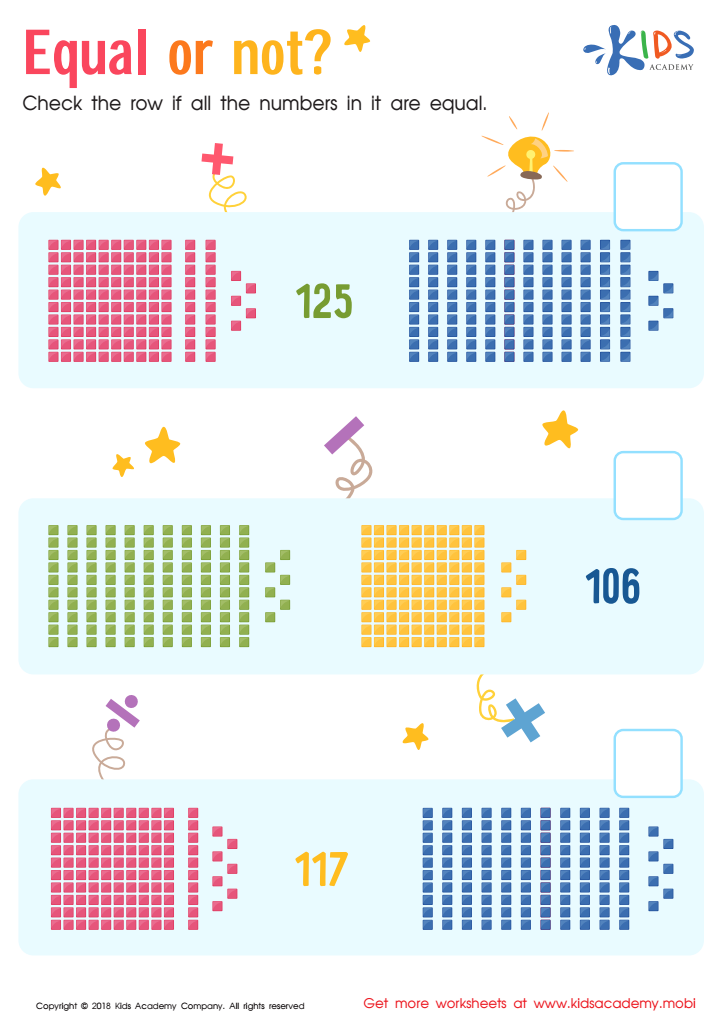
Equal or not Worksheet
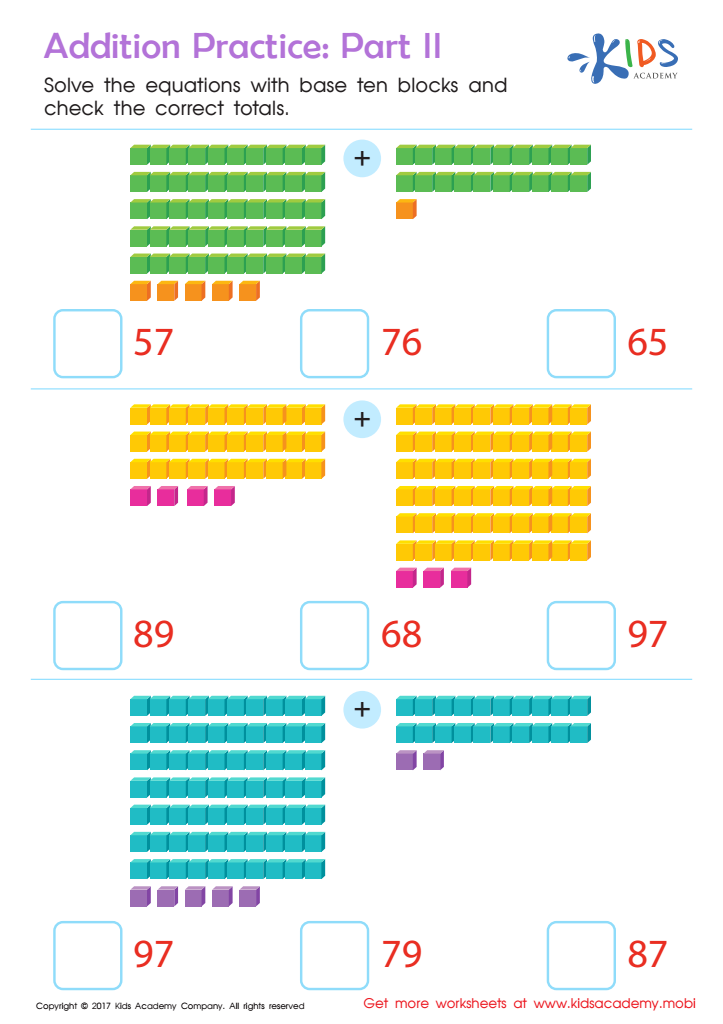
Addition Practice Sheet: Part 2
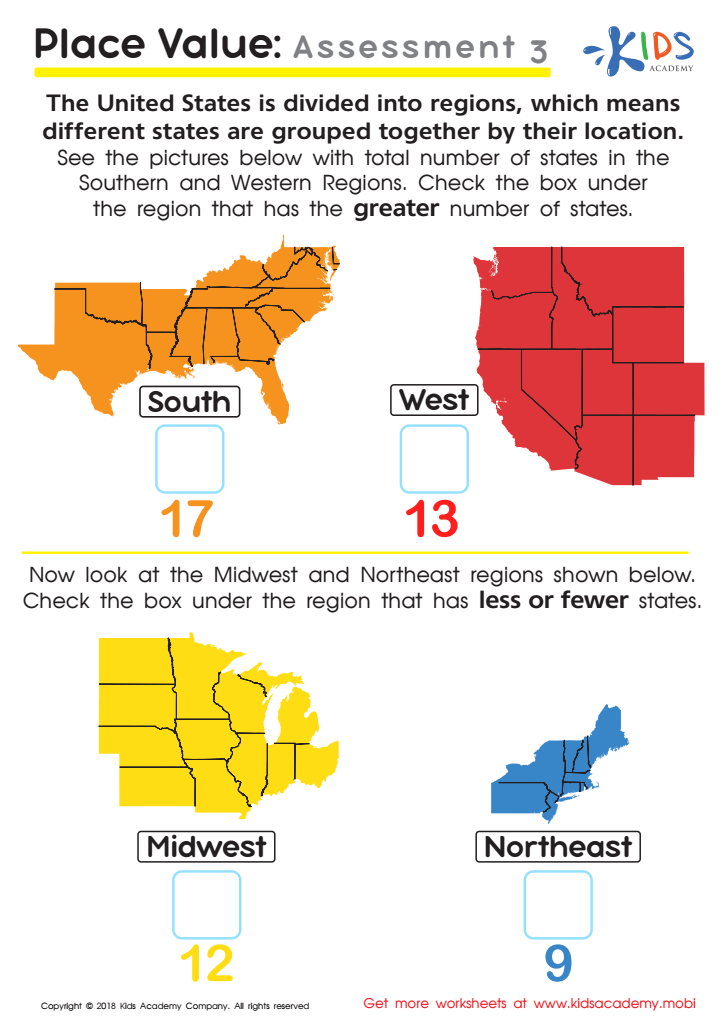
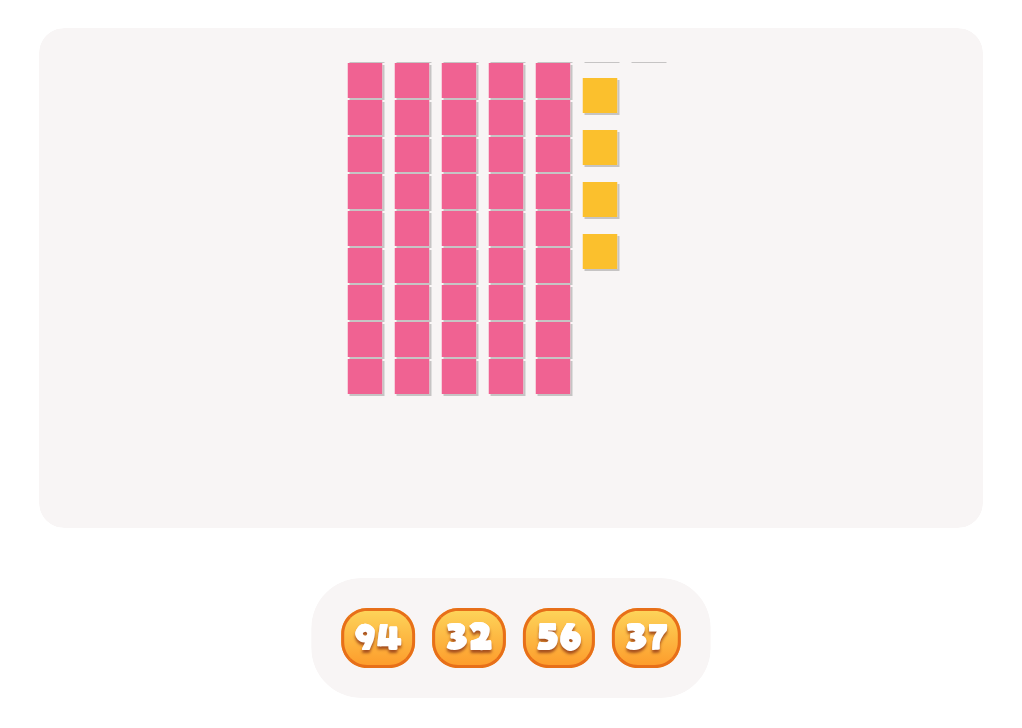
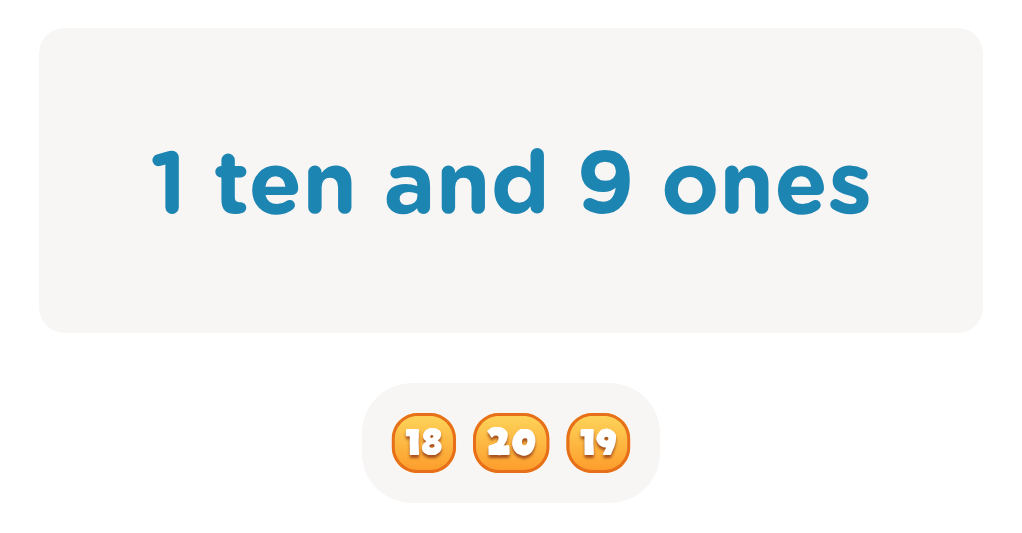
Place Value: Assessment 3 Worksheet
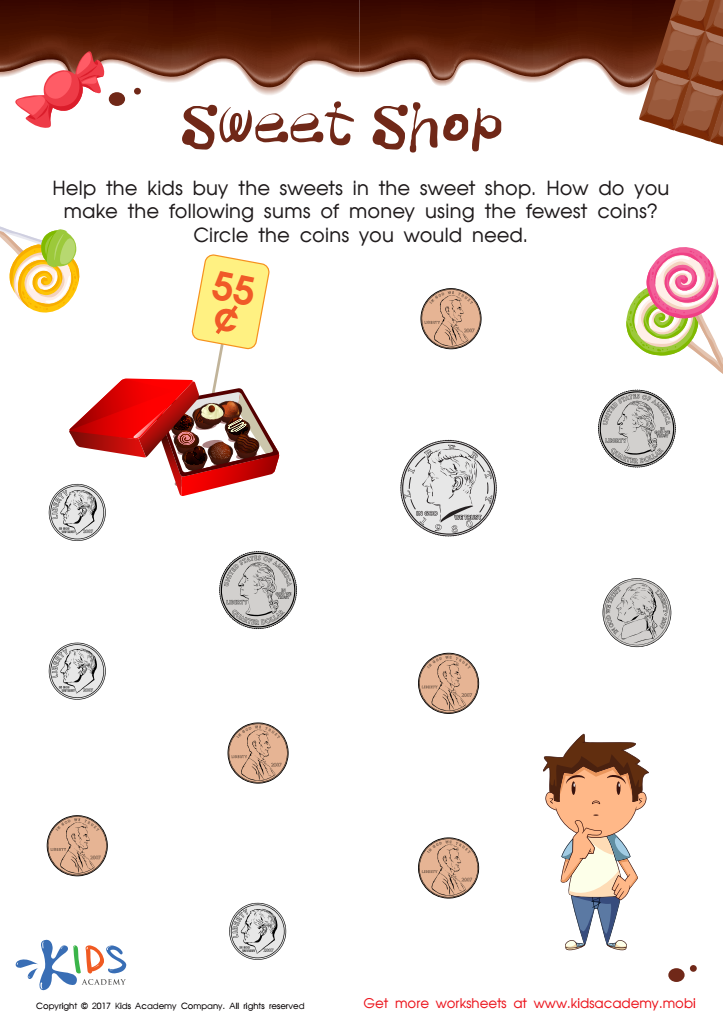
Sweet Shop – Counting Coins Worksheet








Understanding place value is crucial for children aged 4-9 as it serves as the foundation for all future mathematical concepts. Parents and teachers should prioritize this skill because it enables children to comprehend how numbers are structured and the significance of digits based on their position. Mastering place value equips students to perform essential operations like addition, subtraction, and later, multiplication and division, enhancing their overall math fluency.
Additionally, grasping place value allows for effective problem-solving strategies. Children learn to group and regroup numbers, which is vital as they face more complex equations in later grades. This understanding helps reduce math anxiety and builds confidence, as children can translate their knowledge into practical applications. Moreover, instruction in place value promotes critical thinking; it encourages students to analyze numbers in a more sophisticated way.
Finally, place value teaching fosters strong communication between home and school. Parents can engage in learning activities, reinforcing this concept and facilitating a supportive learning environment. By emphasizing place value early on, we are preparing children not just for their math lessons, but equipping them for everyday situations that require quantitative reasoning throughout their lives.








