Comparing quantities Building Vocabulary Worksheets for Ages 4-9
3 filtered results
-
From - To
Unlock your child's potential with our "Comparing Quantities Building Vocabulary Worksheets" designed for ages 4-9! These engaging worksheets provide an interactive way for young learners to develop essential vocabulary skills while mastering the concept of comparing quantities. Each activity encourages critical thinking, enhances language skills, and reinforces math understanding through colorful illustrations and relatable examples. Perfect for classroom use or at-home learning, these worksheets make complex concepts accessible and fun. Whether it's identifying more or less, greater or smaller, your child will enjoy gaining confidence as they explore vocabulary in context. Start their learning journey today!
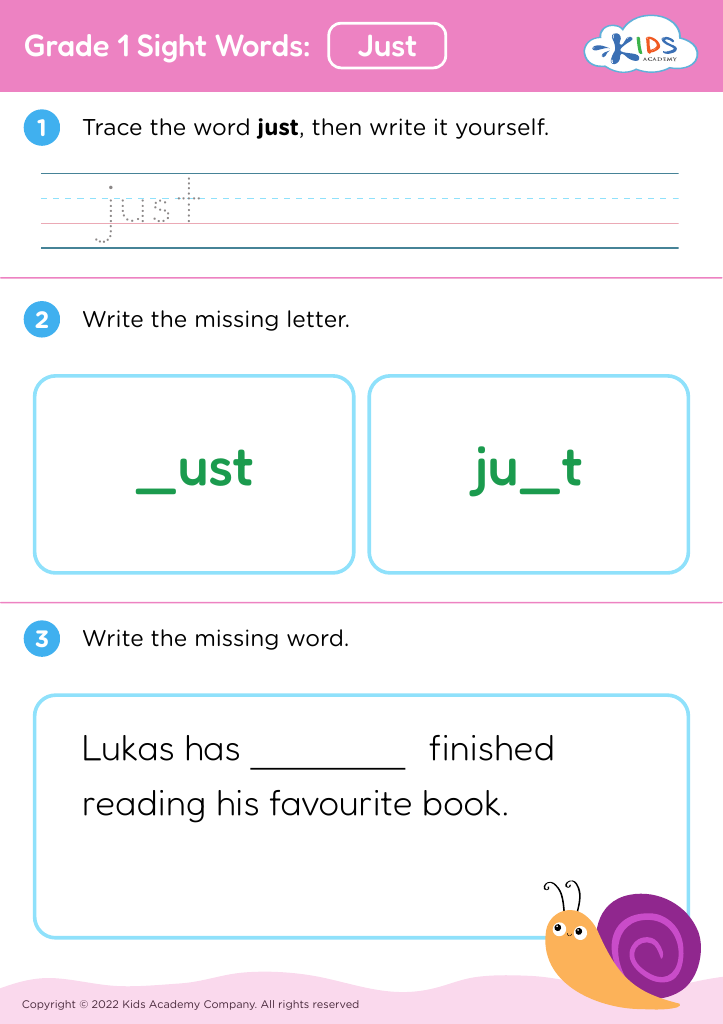











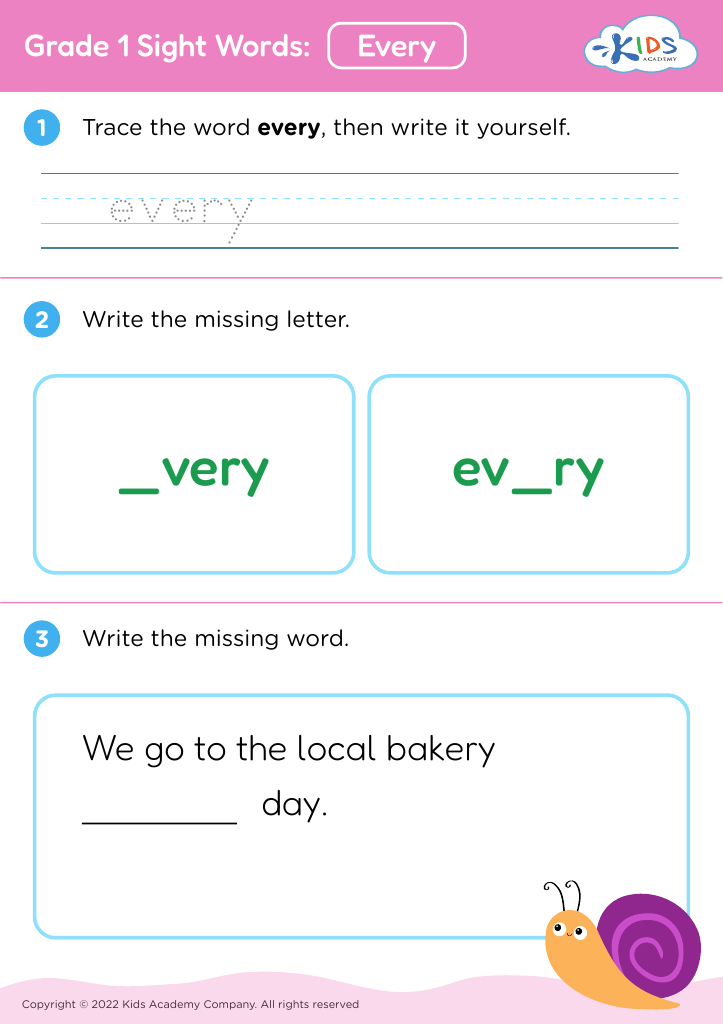
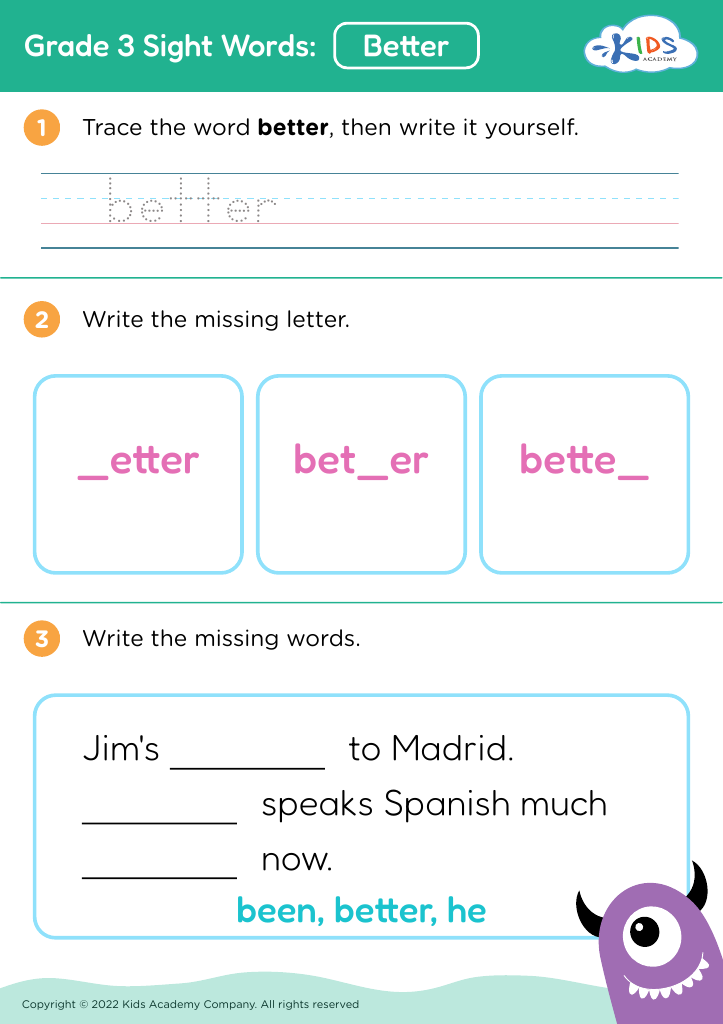








Comparing quantities and building vocabulary are crucial elements of early childhood education, particularly for children aged 4-9. First, understanding comparison helps children grasp fundamental mathematical concepts, such as more/less, bigger/smaller, and equal/unequal. This foundational skill sets the stage for more complex math later on. As children compare quantities—whether through counting objects, measuring heights, or weighing items—they develop critical thinking and analytical skills that are essential for problem-solving.
Moreover, developing a strong vocabulary during these formative years enhances a child's ability to articulate their thoughts and feelings. Exposure to a rich vocabulary empowers children to convey complex ideas clearly, fostering effective communication. It also strengthens reading and writing skills, as a broader vocabulary aids in comprehension and expression.
Parents and teachers play a vital role in facilitating these skills by creating an engaging learning environment. By incorporating games, discussions, and hands-on activities that encourage both comparing quantities and vocabulary building, they can support holistic development. Engaging children in these ways not only enhances their cognitive abilities but also builds confidence in their academic skills, ultimately setting them on a successful path for future learning. Therefore, caring for these aspects in education is essential to nurturing well-rounded, capable learners.








