Critical thinking skills Building Vocabulary Worksheets for Ages 4-9
7 filtered results
-
From - To
Enhance your child's learning journey with our "Critical Thinking Skills Building Vocabulary Worksheets" designed specifically for ages 4-9. These engaging worksheets promote vocabulary expansion while fostering essential critical thinking abilities. Each activity is meticulously crafted to encourage children to analyze, evaluate, and apply new words in various contexts, making learning both fun and effective. With colorful visuals and interactive exercises, kids will enjoy exploring language while honing their problem-solving skills. Equip your young learners with the tools they need for successful communication and academic growth. Explore our range of worksheets today and watch their confidence soar!
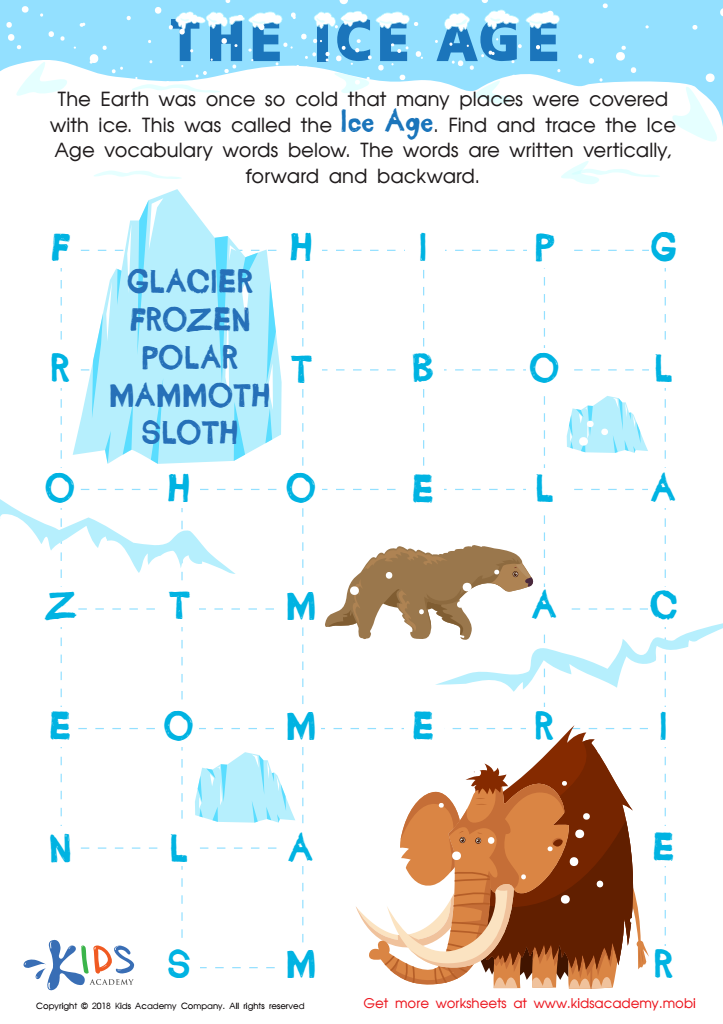
The Ice Age Worksheet
 Assign to My Students











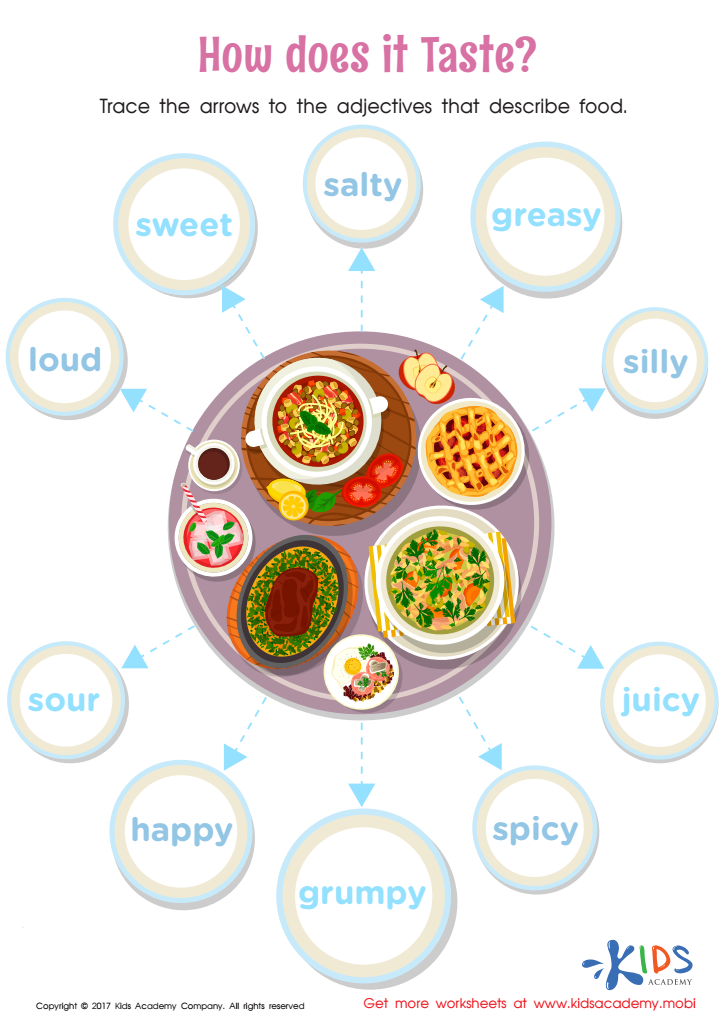
Food Adjectives Worksheet
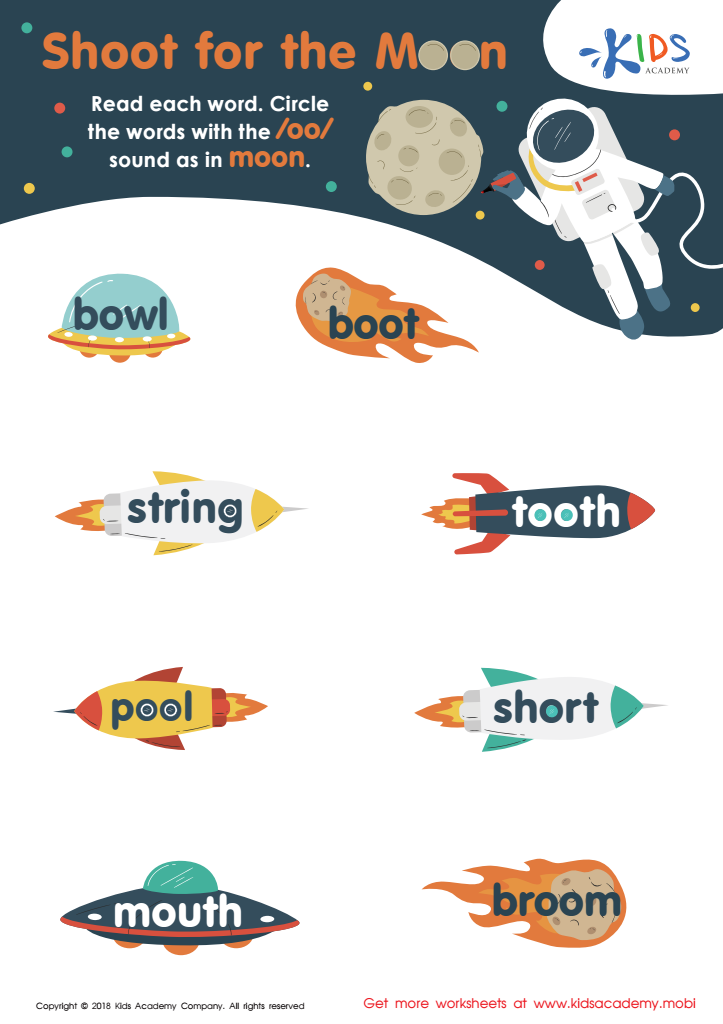
Reading: Shoot for the Moon Worksheet
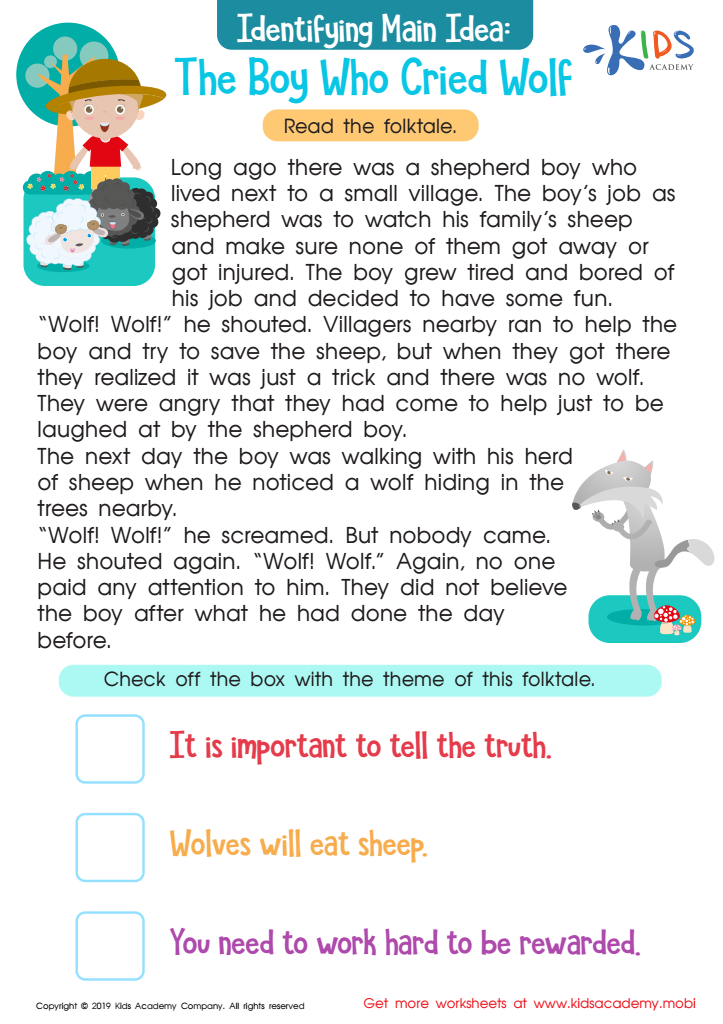
The Boy Who Cried Wolf Part 2 Worksheet




.jpg)

.jpg)

Developing critical thinking skills and building vocabulary in children aged 4 to 9 is essential for their overall growth and academic success. At this stage, children are naturally curious and eager to explore the world around them. Encouraging critical thinking helps them analyze, evaluate, and synthesize information, fostering creativity and problem-solving abilities. When parents and teachers support this development, they empower children to ask questions, make connections, and become independent learners.
Building vocabulary is equally vital as it enriches a child's language and enhances comprehension. A robust vocabulary allows children to express themselves clearly and understand the world better. When they are equipped with a rich vocabulary, they are better prepared to engage in discussions, comprehend texts, and convey their thoughts effectively.
Together, critical thinking and a strong vocabulary lay the foundation for a lifelong love of learning. They are crucial for academic achievements in later years and contribute to social skills, emotional intelligence, and confidence. By prioritizing these skills, parents and teachers can nurture well-rounded individuals who are not only capable of academic success but also equipped to navigate real-world challenges. The investment in these foundational skills pays dividends throughout a child's life.








