Fine Motor Skills Building Vocabulary Worksheets for Ages 4-9 - Page 2
25 filtered results
-
From - To
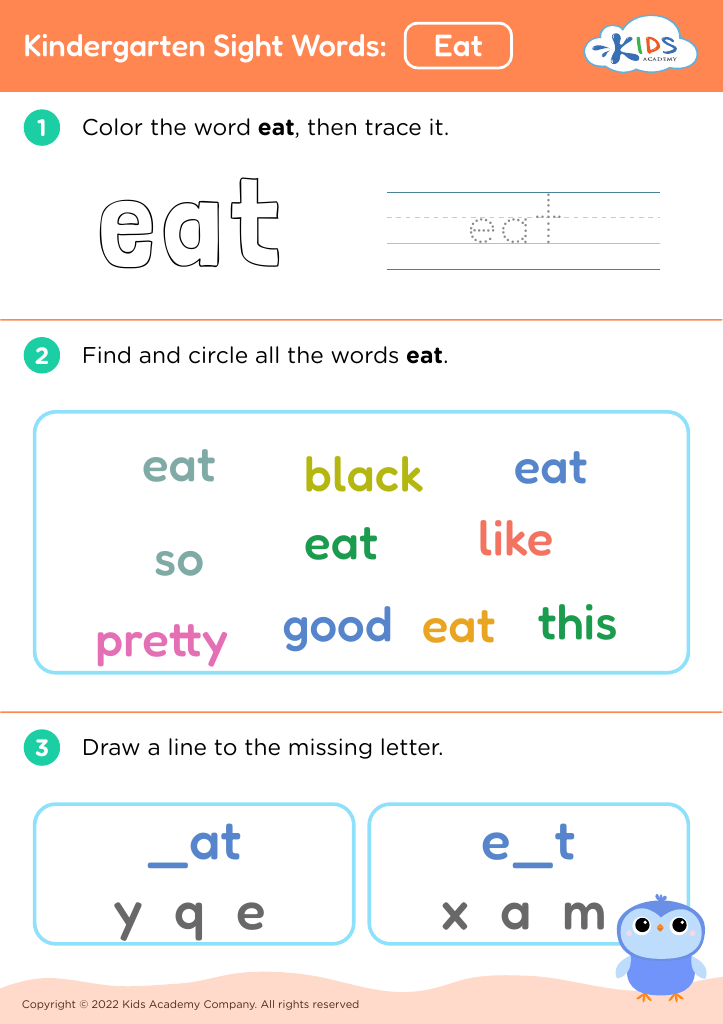



















Fine motor skills are crucial for children ages 4-9 as they play an essential role in early development, affecting daily tasks such as writing, cutting, and dressing. Parents and teachers should emphasize building these skills to support academic success and overall well-being. When children enhance fine motor abilities, they gain better control over small muscle movements in the hands and fingers, which directly influences their ability to grasp pencils, manipulate scissors, and engage in arts and crafts. These activities are foundational for classroom learning and often correlate with improved handwriting and comprehension abilities.
Building a relevant vocabulary around fine motor skills also empowers children by helping them understand and articulate their actions and experiences. Terms like gripping, squeezing, and pinching help them follow instructions better during play and learning activities. For educators and parents, using specific vocabulary can create more effective and targeted learning moments.
Moreover, strengthening fine motor skills promotes independence in self-care routines, such as buttoning shirts or tying shoelaces, which boosts a child's confidence and fosters a sense of responsibility. Addressing fine motor skills early lays a critical foundation for a child’s future educational journey and personal growth, underscoring the importance of integrating these practices into early childhood education.








