Fraction comparison Building Vocabulary Worksheets for Ages 4-9
13 filtered results
-
From - To
Enhance your child's math skills with our engaging Fraction Comparison Building Vocabulary Worksheets, designed specifically for ages 4-9. These worksheets provide a fun and interactive way for young learners to understand and compare fractions, making math accessible and enjoyable. Each worksheet includes colorful visuals and relatable examples that help children grasp the concepts of fractions, promoting critical thinking and vocabulary building. These resources are perfect for teachers, homeschooling, or reinforcing learning at home. Foster a strong math foundation and boost your child’s confidence with our Fraction Comparison worksheets, designed to inspire a love for learning through play and exploration!
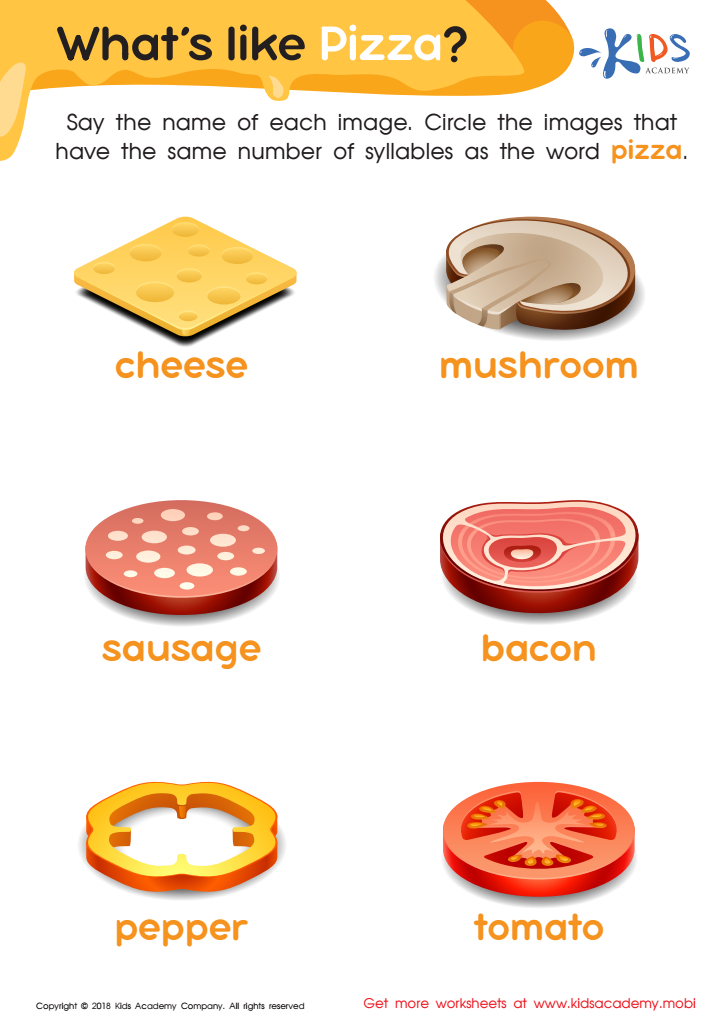
What's Like Pizza? Worksheet
 Assign to My Students











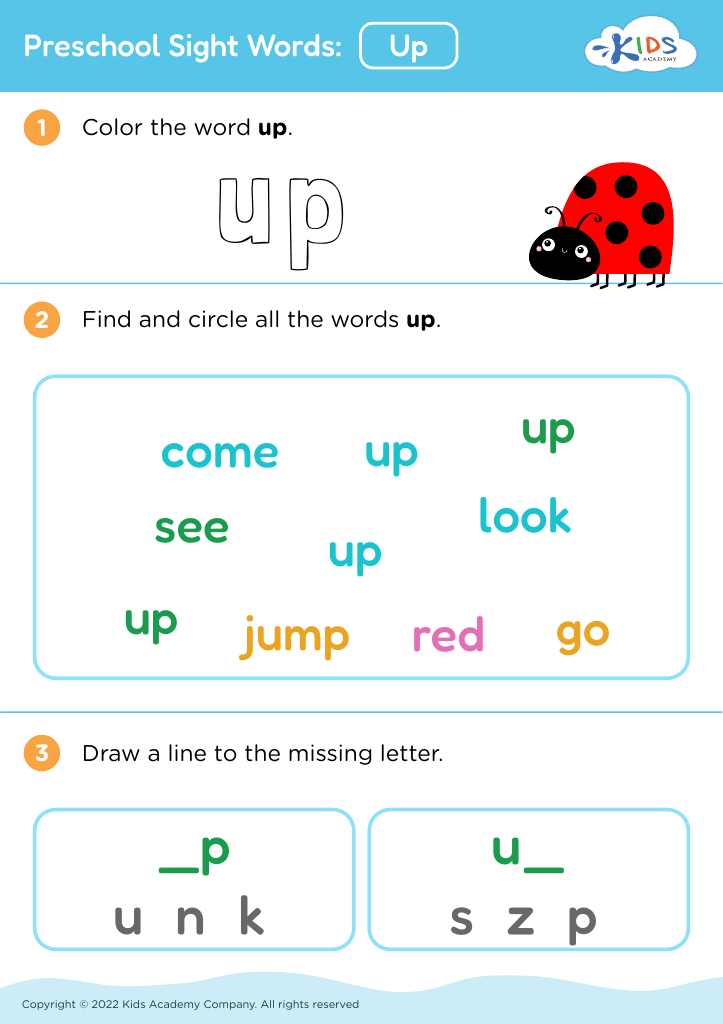
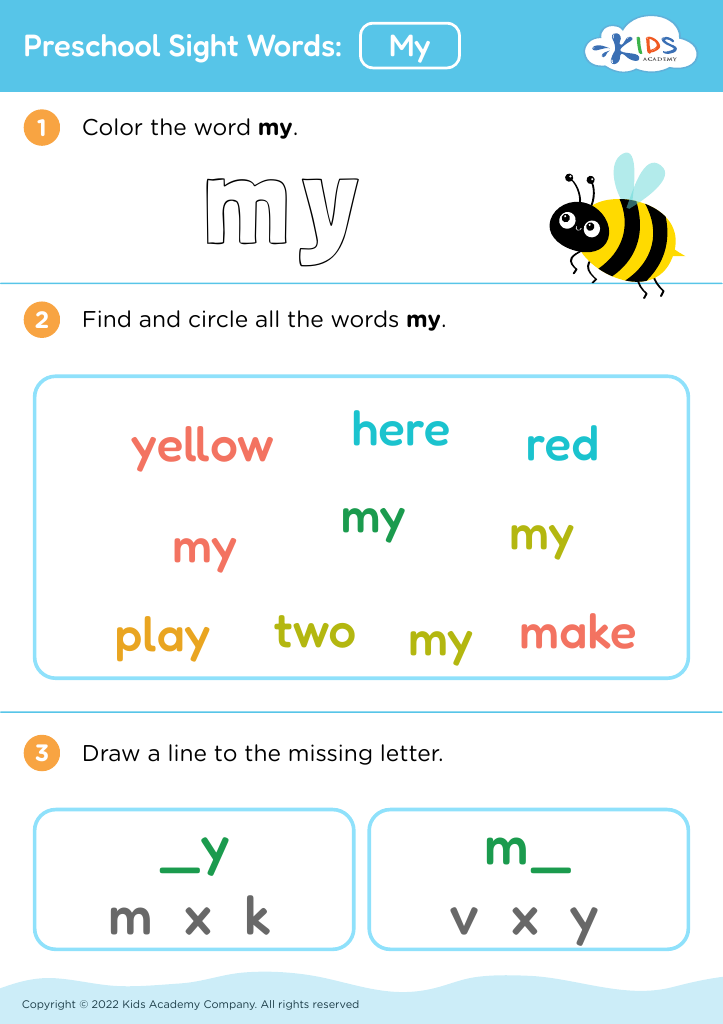
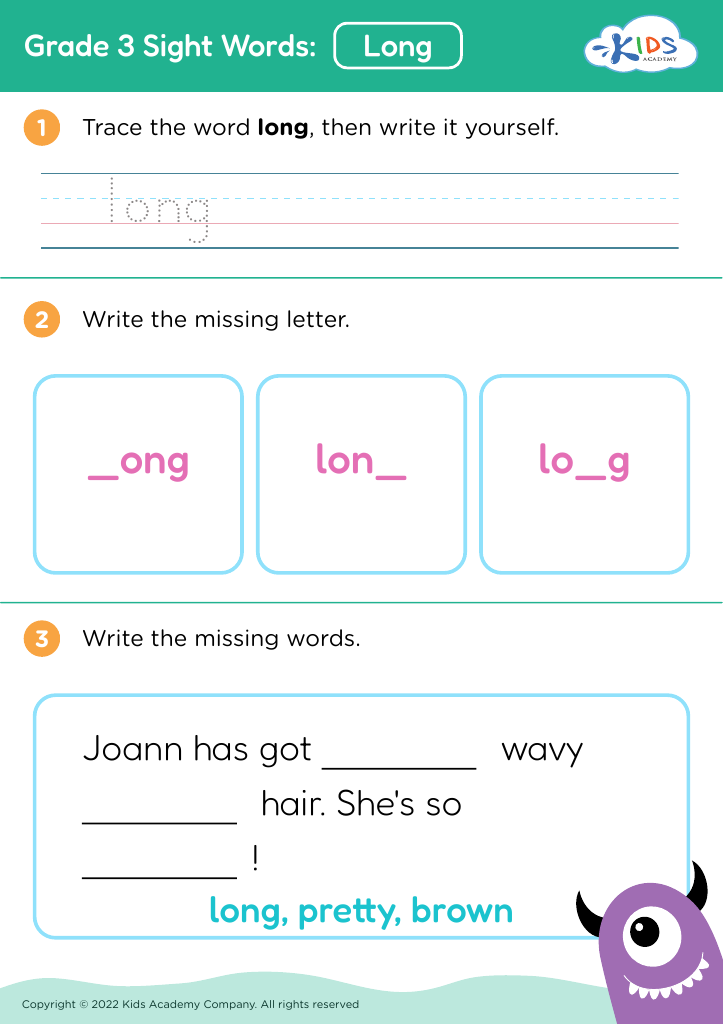
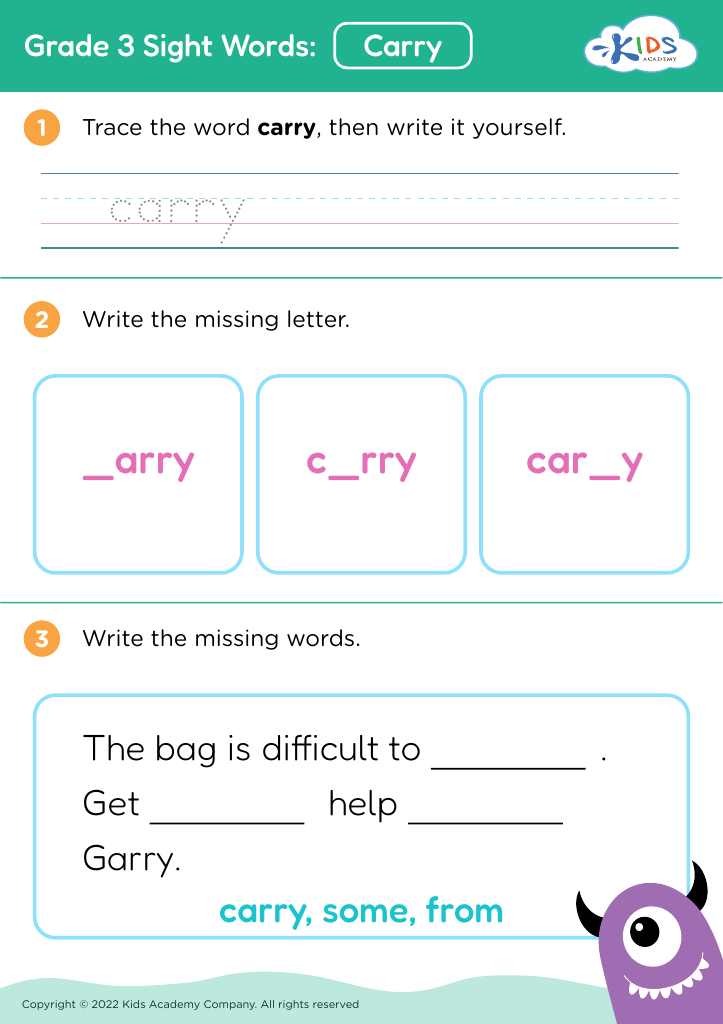
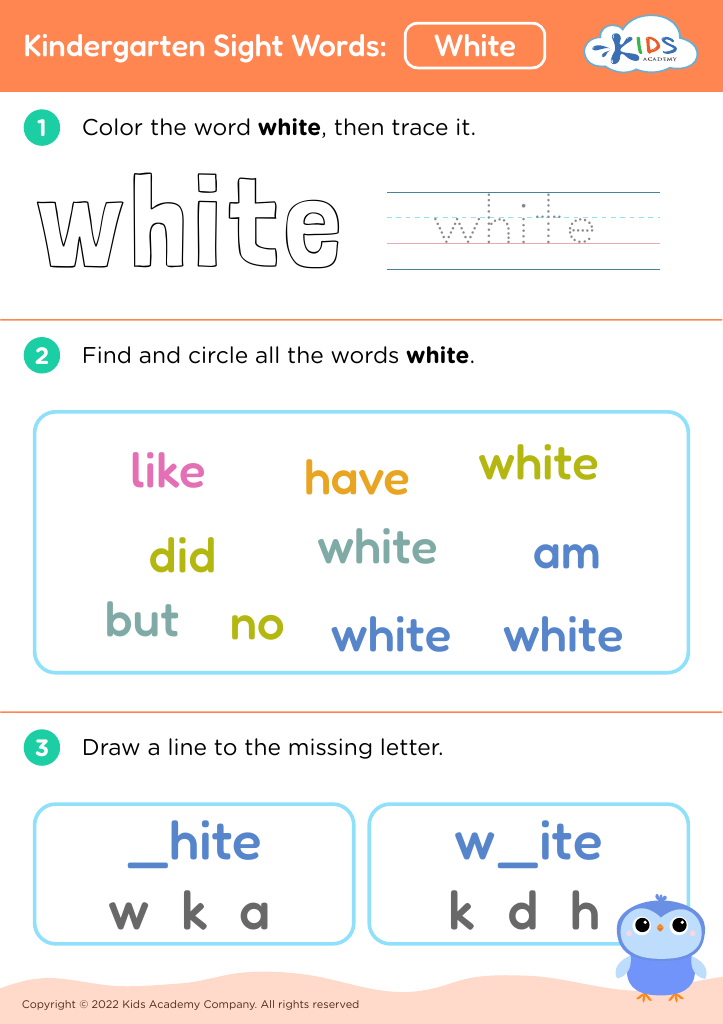
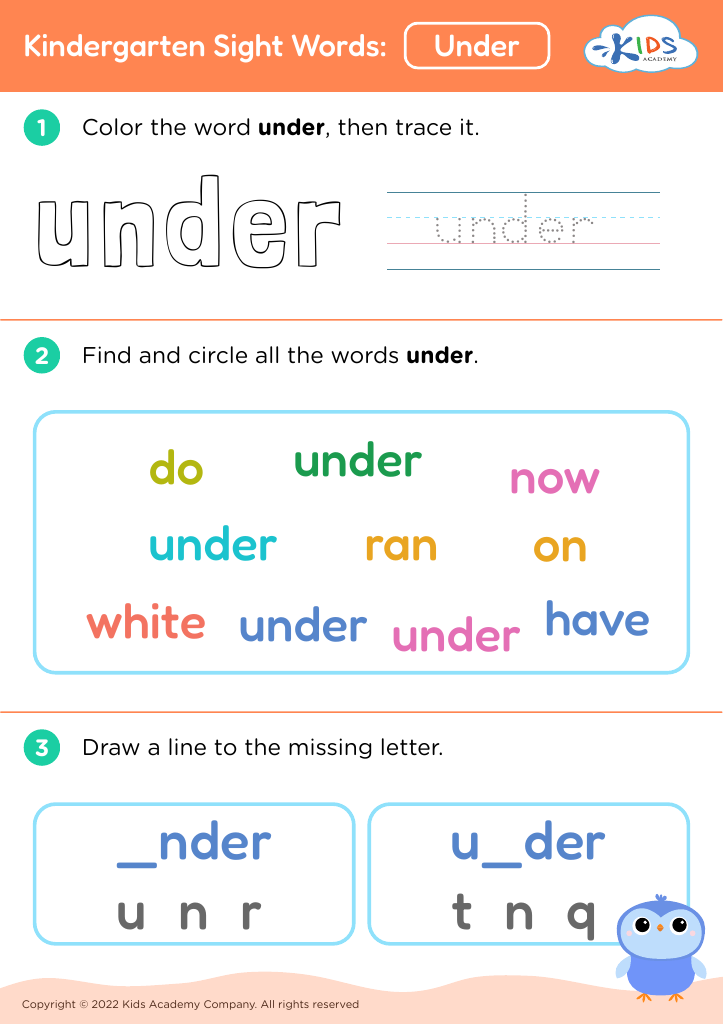
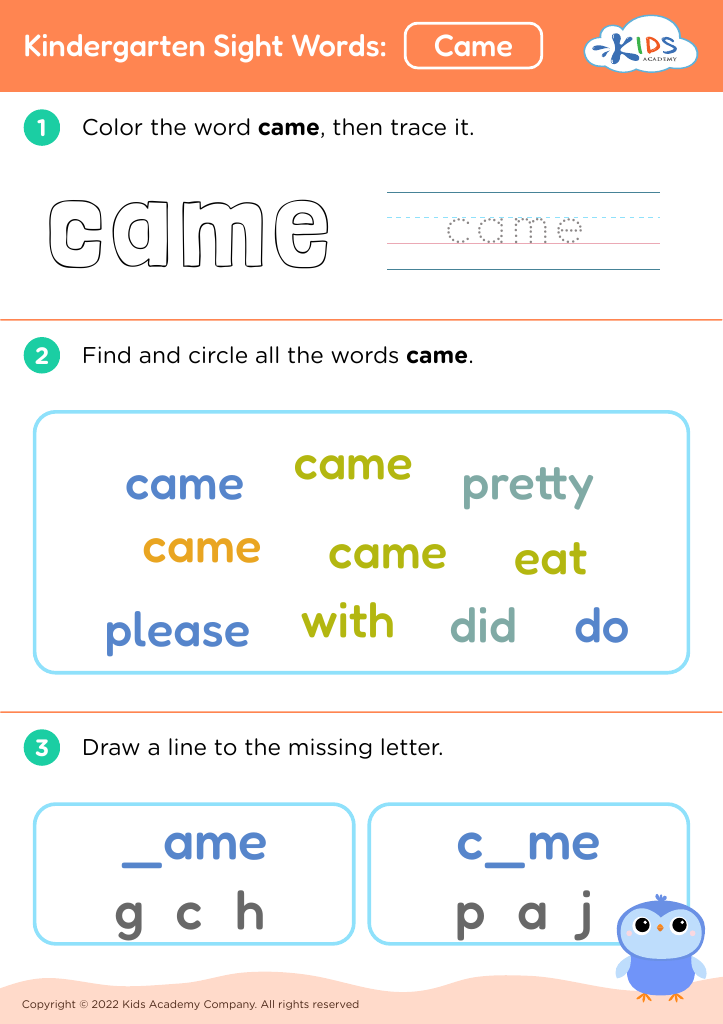








Understanding fraction comparison is essential for children aged 4-9, as it lays the foundation for their mathematical skills and problem-solving abilities. At this age, children are developing their language and cognitive skills, and building vocabulary around fractions is crucial for their comprehension and communication.
When parents and teachers focus on introducing fraction vocabulary—terms like "half," "quarter," "greater than," "less than," and "equal to"—they provide children with the language that is essential for discussing and reasoning about fractions. This vocabulary helps children articulate their thinking and equips them with the tools needed to compare fractions accurately.
Moreover, early mastery of this vocabulary boosts confidence, enabling children to engage more fully in classroom discussions and collaborative activities. It helps them relate fractions to real-life experiences, such as sharing food or measuring ingredients, fostering a practical understanding of these concepts.
Finally, good vocabulary practices enhance literacy skills, strengthening reading and writing abilities. By focusing on fraction comparison and language, parents and teachers create a rich learning environment that encourages curiosity, promotes critical thinking, and prepares children for more complex mathematical concepts in the future, forming a robust foundation for lifelong learning.








