Understanding fractions Building Vocabulary Worksheets for Ages 4-9 - Page 3
58 filtered results
-
From - To
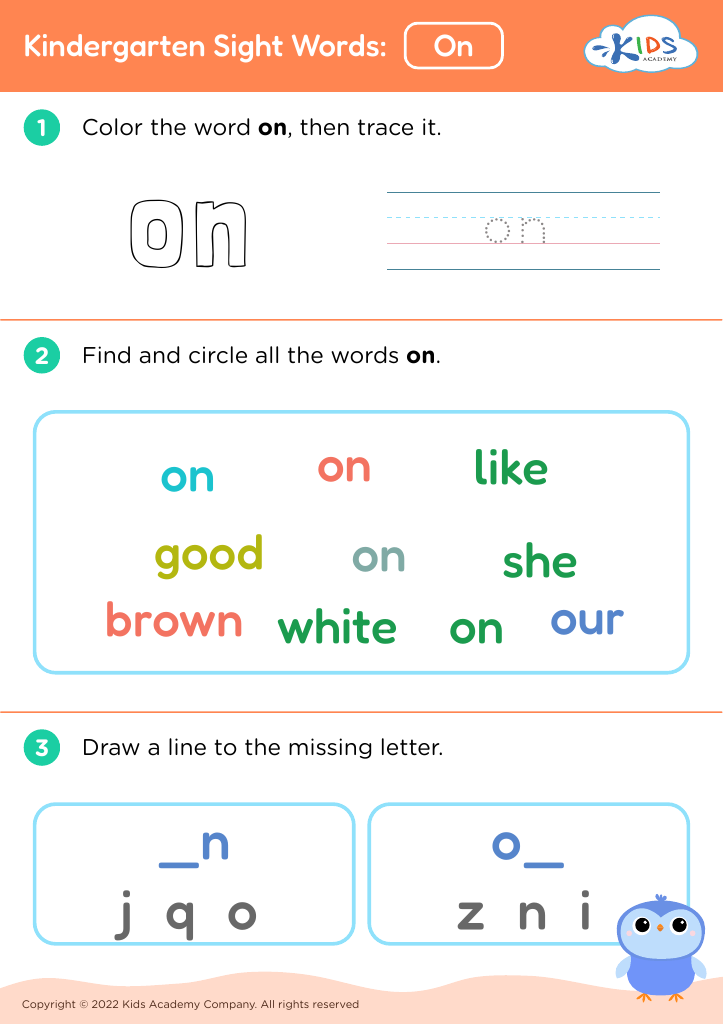











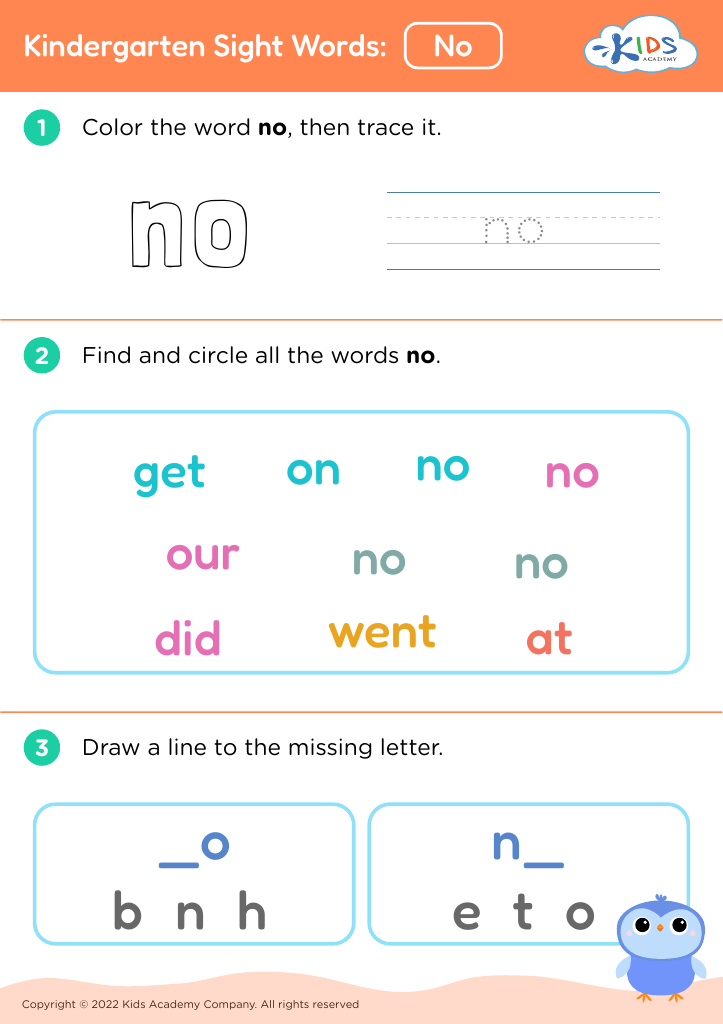
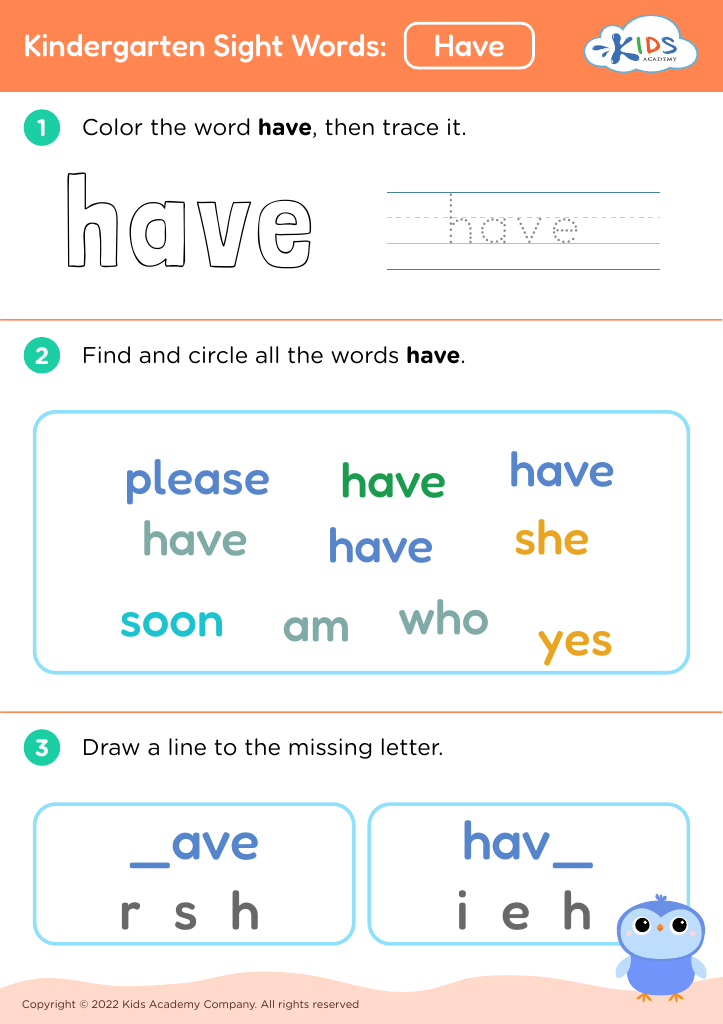
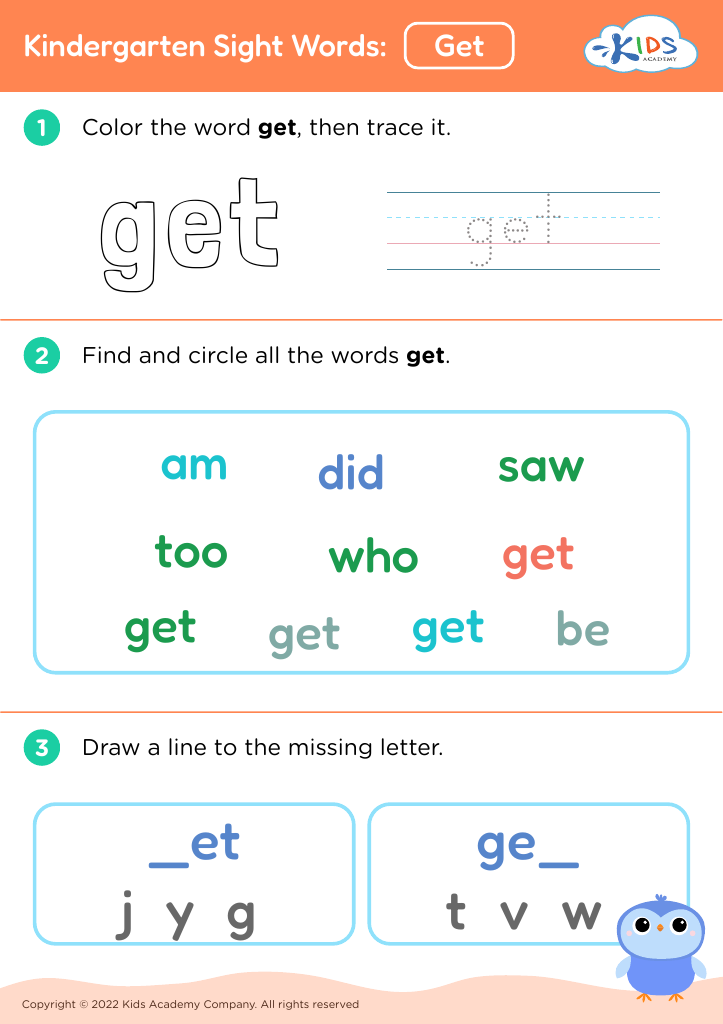






.jpg)

Understanding fractions and building vocabulary are crucial elements in early childhood education, with long-lasting benefits. For children aged 4-9, grasping the concept of fractions lays the foundation for more complex mathematical thinking. It fosters a strong number sense, aiding in understanding proportions, relationships, and operations such as division and multiplication. Early comprehension makes future math lessons less intimidating and more approachable.
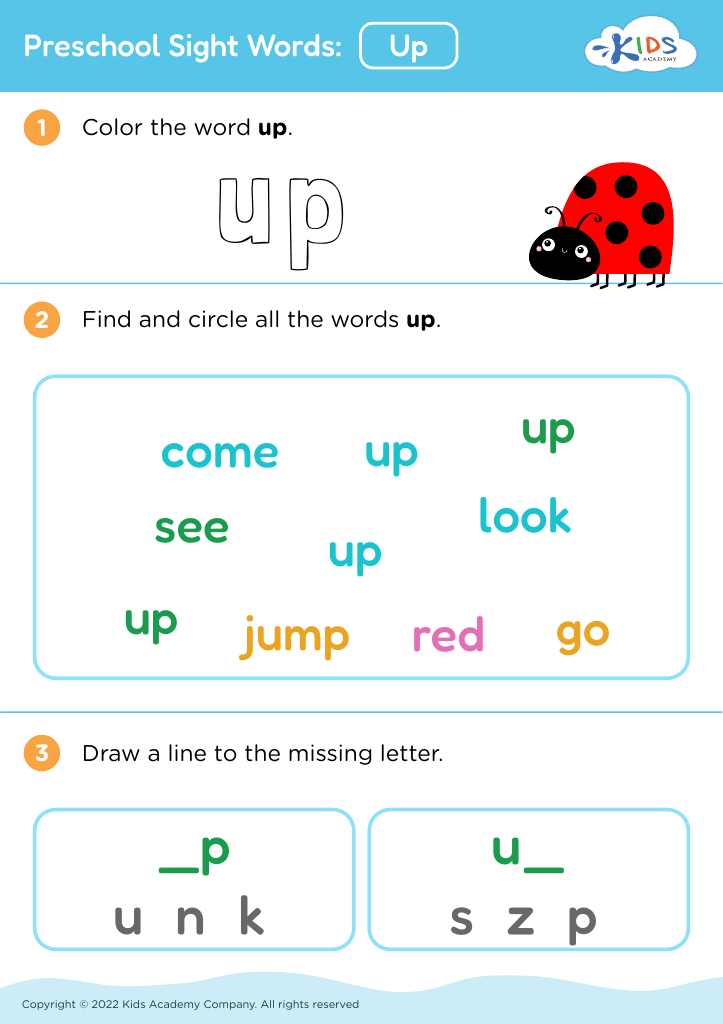
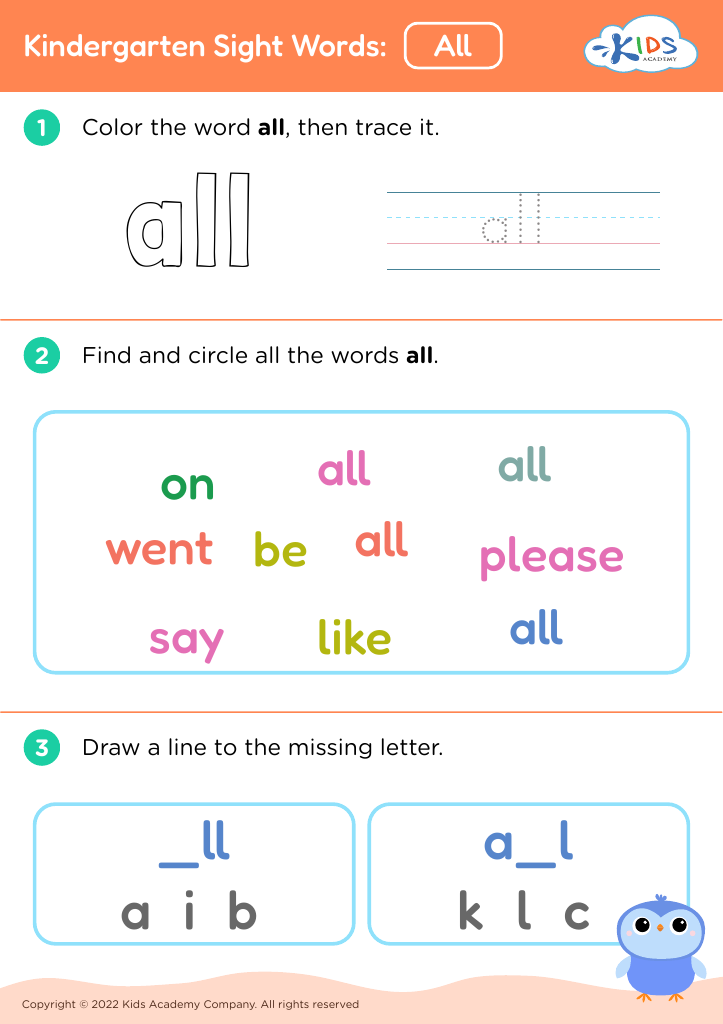
Vocabulary building is equally essential. A rich vocabulary enhances reading comprehension, communication skills, and cognitive development. When children understand and use a wide range of words, they're better equipped to express their thoughts, understand instructions, and engage in academic learning.
Both fractions and vocabulary contribute significantly to a child's overall educational success. Mastery of these skills supports their ability to problem-solve, think critically, and engage effectively in the classroom. Parents and teachers who prioritize these areas are investing in a child's ability to succeed not only in mathematics and literacy but in all subject areas. Early intervention and consistent practice can make learning enjoyable and instill lifelong skills, making these foundational concepts critical to prioritizing in early education.








