Understanding symmetry Building Vocabulary Worksheets for Ages 4-9
5 filtered results
-
From - To
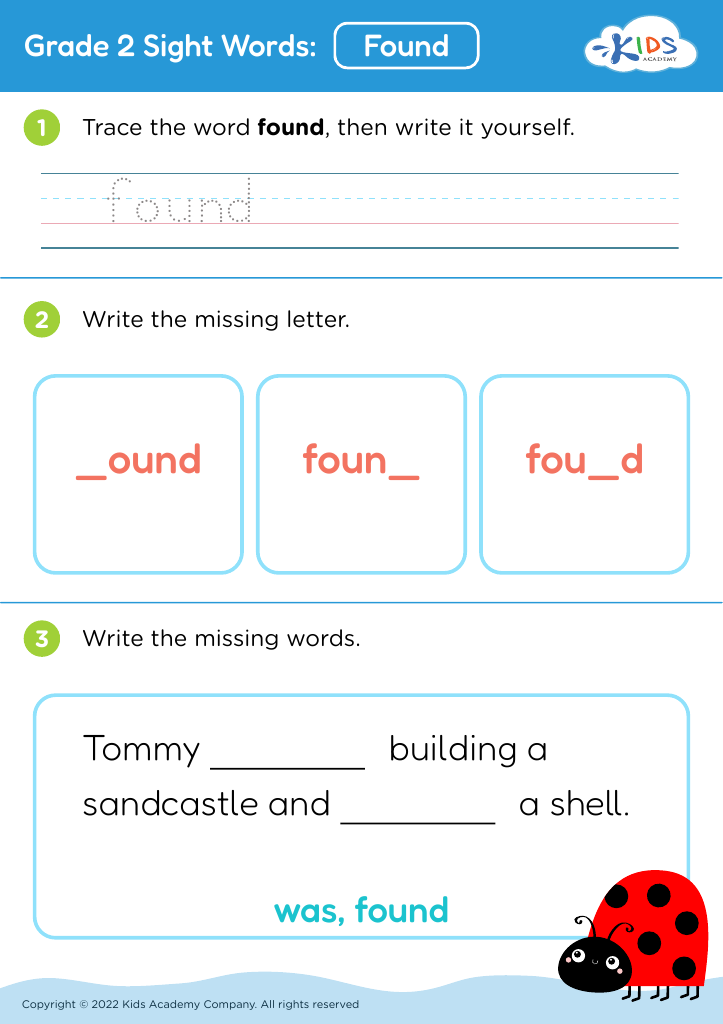
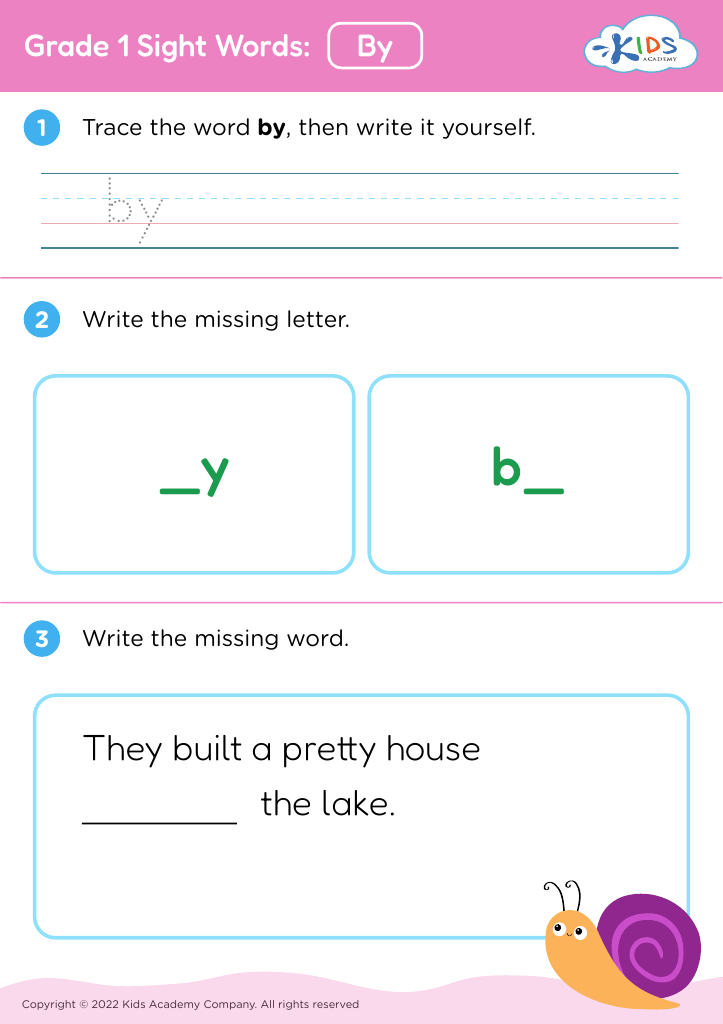
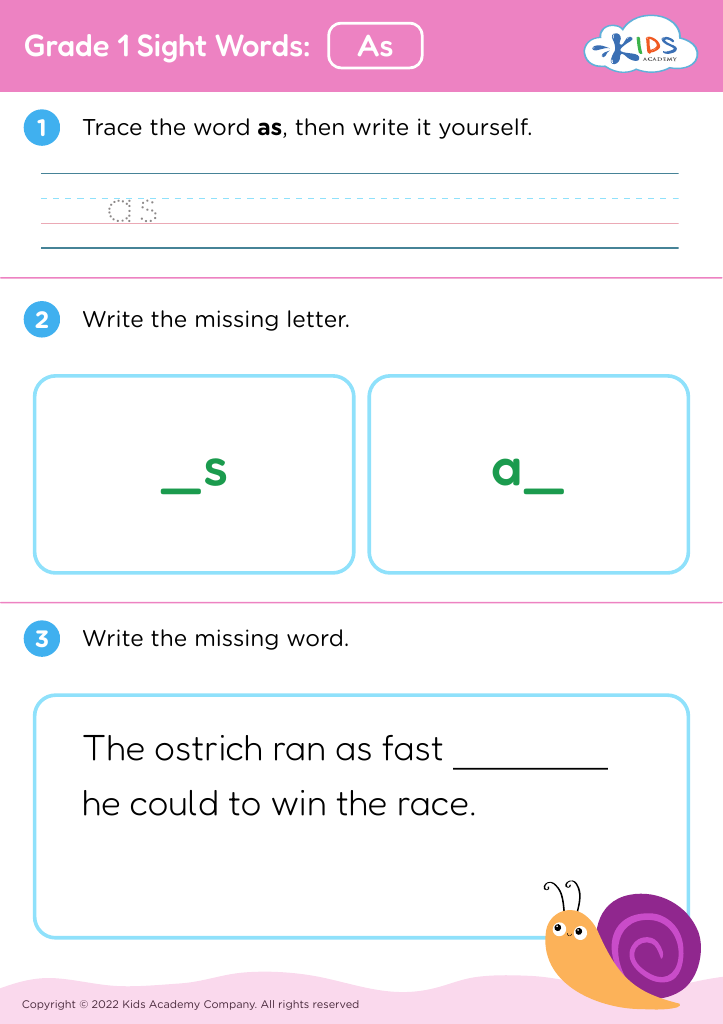
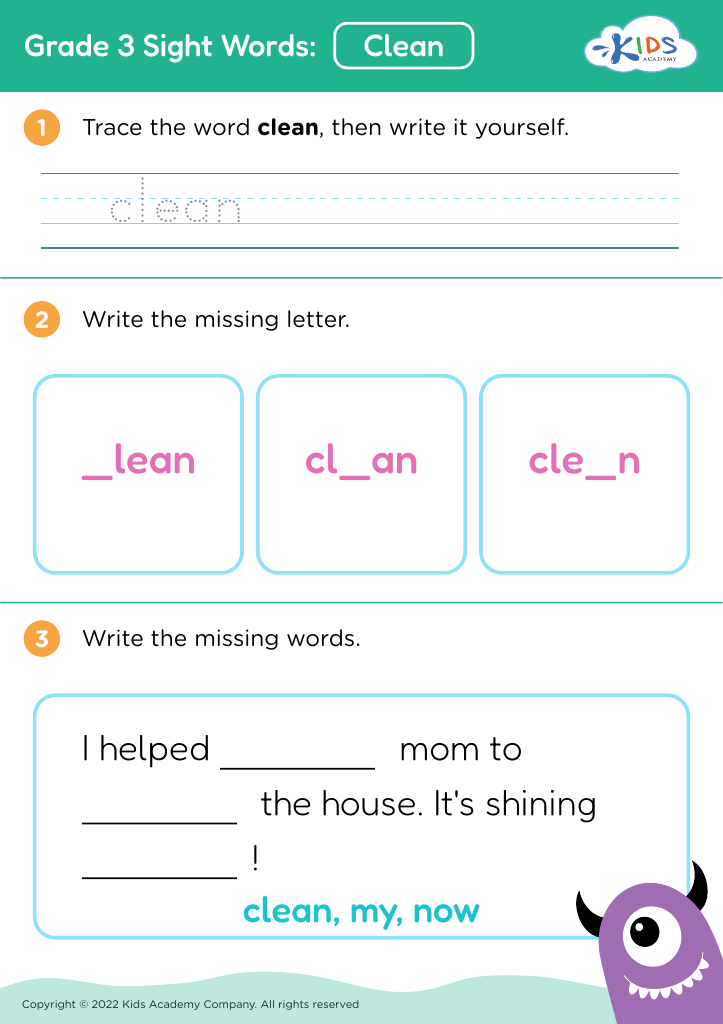
Discover the joy of learning with our "Understanding Symmetry Building Vocabulary Worksheets" designed for children ages 4-9. These engaging worksheets foster early literacy skills by connecting the concept of symmetry with vocabulary development. Young learners will explore words through fun activities that involve identifying symmetric shapes, solving puzzles, and completing sentences related to symmetry. Our thoughtfully crafted materials not only enrich vocabulary but also promote critical thinking and creativity. Perfect for classrooms or at-home education, these worksheets provide a hands-on approach to mastering an essential geometric concept while expanding language skills. Encourage your child's learning adventure today!











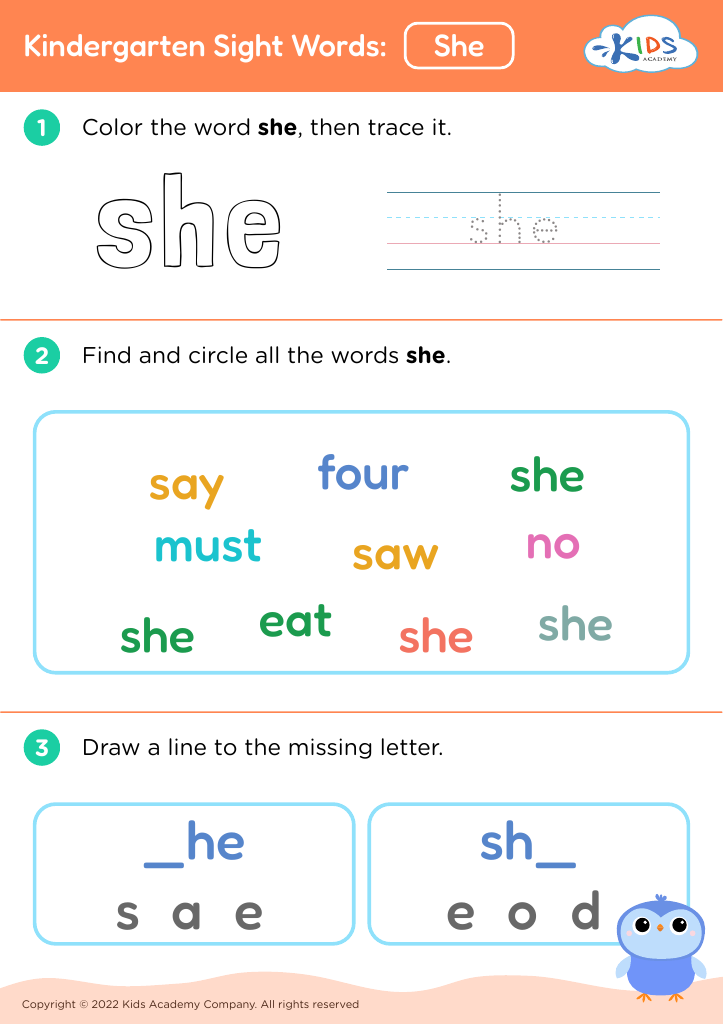








Understanding symmetry is a key concept in early childhood education that has far-reaching benefits for children ages 4-9, making it essential for parents and teachers to prioritize. Symmetry helps children develop critical thinking and spatial awareness skills, as they learn to recognize patterns and relationships in their environment. Through activities that explore symmetry, such as art projects or puzzles, children not only engage in hands-on learning but also bolster their cognitive abilities.
Building vocabulary in conjunction with symmetry is equally important. As children encounter new terms related to shapes, patterns, and symmetry—like “congruent,” “reflection,” and “axis”—they enhance their language skills and comprehension. A robust vocabulary equips children to express their thoughts clearly and improves their ability to engage in discussions about math and science, vital skills in an increasingly complex world.
Moreover, fostering these skills together promotes a holistic approach to learning. When children articulate their observations about symmetry using newfound vocabulary, they reinforce their understanding of both concepts. Parents and teachers who emphasize symmetry alongside vocabulary development lay a strong foundation for future academic success, creativity, and problem-solving talents, while helping children develop a love for learning that lasts a lifetime.








