
Reading Skills Reading Fiction Worksheets for Ages 4-9
5 filtered results
Difficulty Level
Grade
Age
-
From - To
Subject
Activity
Standards
Enhance your child's reading skills with our engaging Reading Fiction Worksheets designed for ages 4-9! These interactive worksheets provide a fun and effective way for young learners to explore fictional texts. Crafted to improve comprehension, vocabulary, and critical thinking, each activity is tailored to encourage a love for storytelling. With vibrant illustrations and age-appropriate content, children will find joy in reading while developing essential skills. Suitable for home or classroom use, our worksheets are perfect for reinforcing lessons and sparking creativity. Empower your child’s literacy journey today with these stimulating resources, and watch them thrive in the world of fiction!
Favorites
With answer key
Interactive
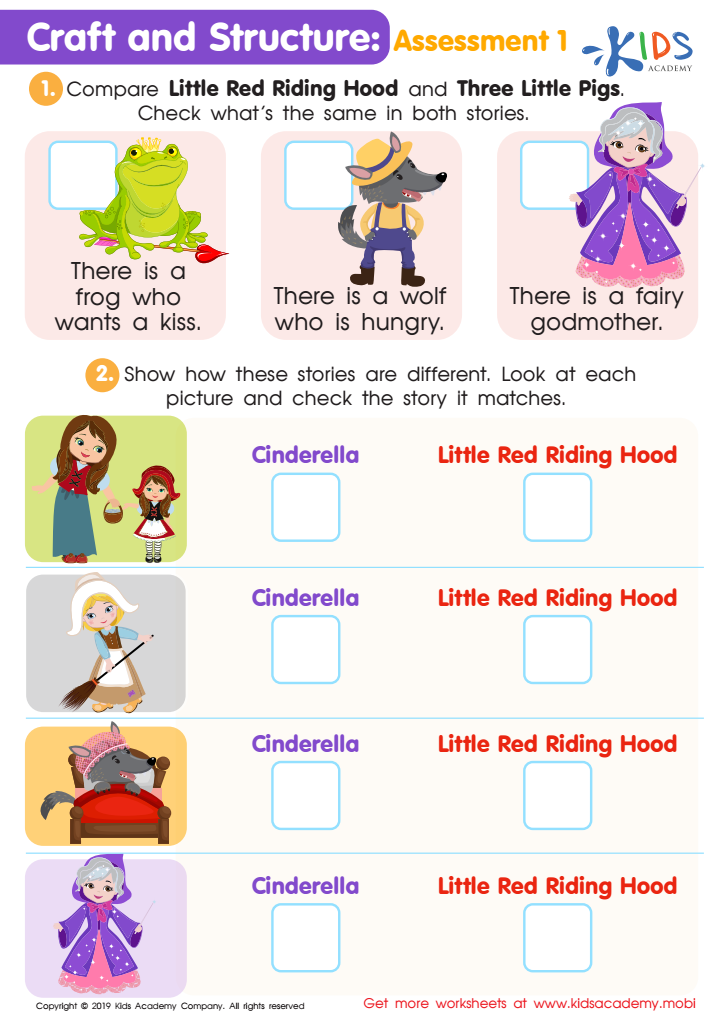
Craft and Structure: Assessment 1 Worksheet
Fairytales are a great way to bond with your kids while teaching them. Popular stories include Little Red Riding Hood and Three Little Pigs. Test how well they understood these two with this assessment worksheet. Ask them to compare the two stories and check what is the same. Doing this will help kids learn new words and sentence construction, as well as teaching them life lessons.
 Assign to My Students
Craft and Structure: Assessment 1 Worksheet
Worksheet
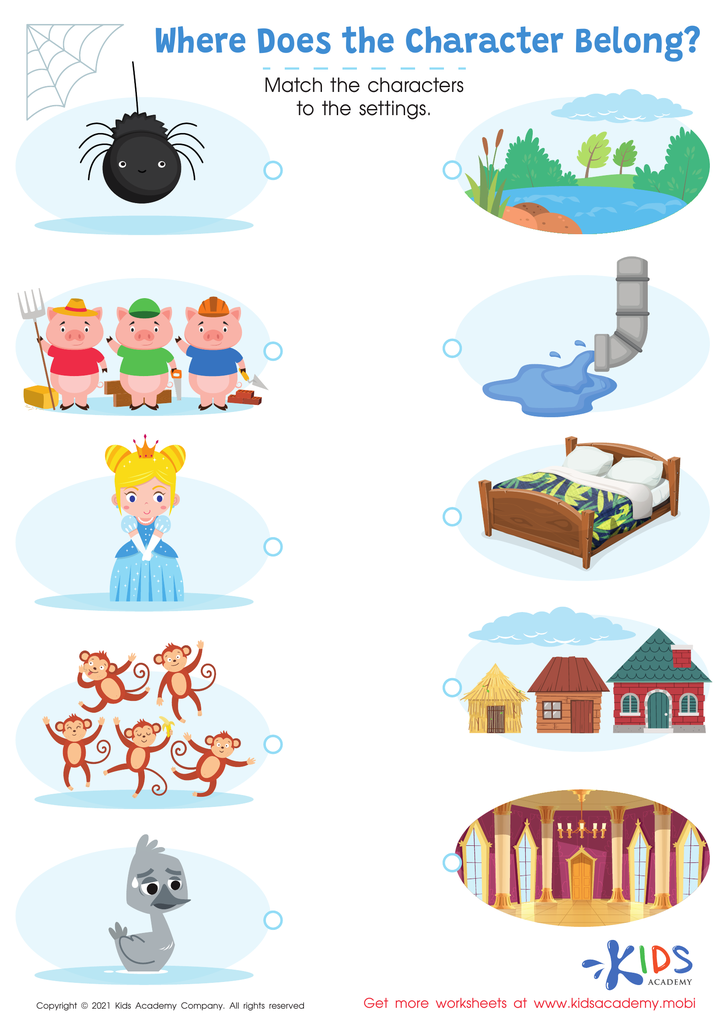
Where Does the Character Belong? Worksheet
Fairy Tales are a great way to teach young ones about settings, characters and other literary elements. This worksheet contains illustrations from popular fairy tales to help kids identify characters and match them to the right settings. It's a fun way to improve recall skills and enhance comprehension using visuals.
Where Does the Character Belong? Worksheet
Worksheet
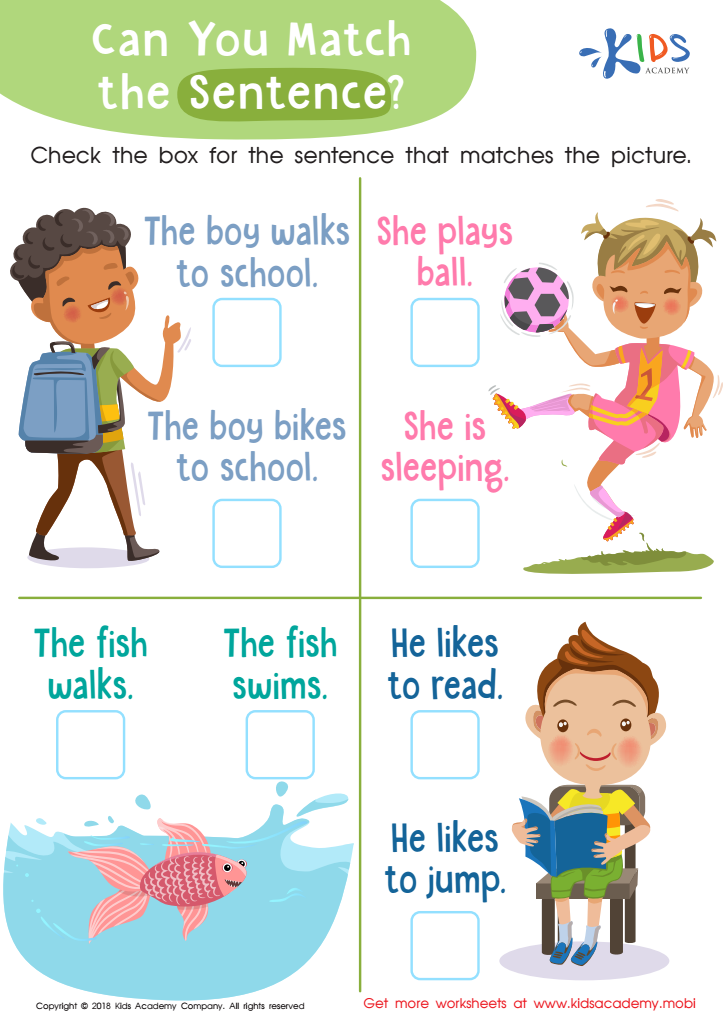
Can You Match the Sentence? Worksheet
Kids gain fluency with this worksheet which uses bright pictures. They select the sentence that matches the image and check the box. This repetition of words and phrases helps them improve their reading skills while having fun.
Can You Match the Sentence? Worksheet
Worksheet
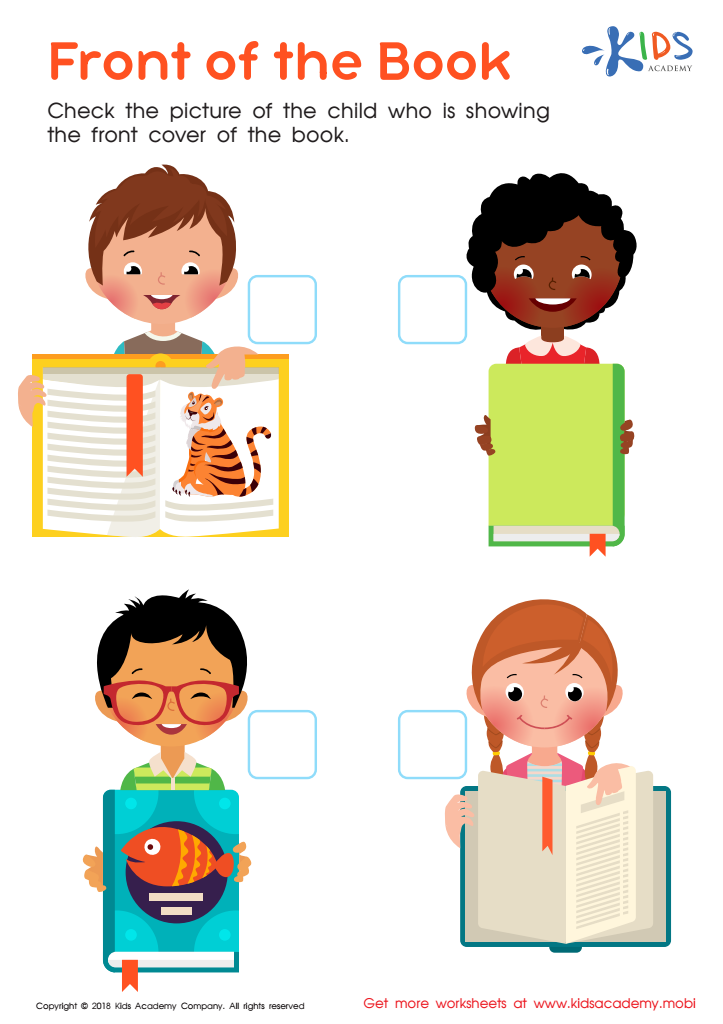
Front of the Book Worksheet
Help your child become a reader with this free worksheet! It's full of fun new friends and is designed to help kids understand concepts about the front of a book. They'll look at each picture and decide which friend is holding the book with the front cover, and check off the correct answer in the given boxes. Get your little one ready to be a reader!
Front of the Book Worksheet
Worksheet
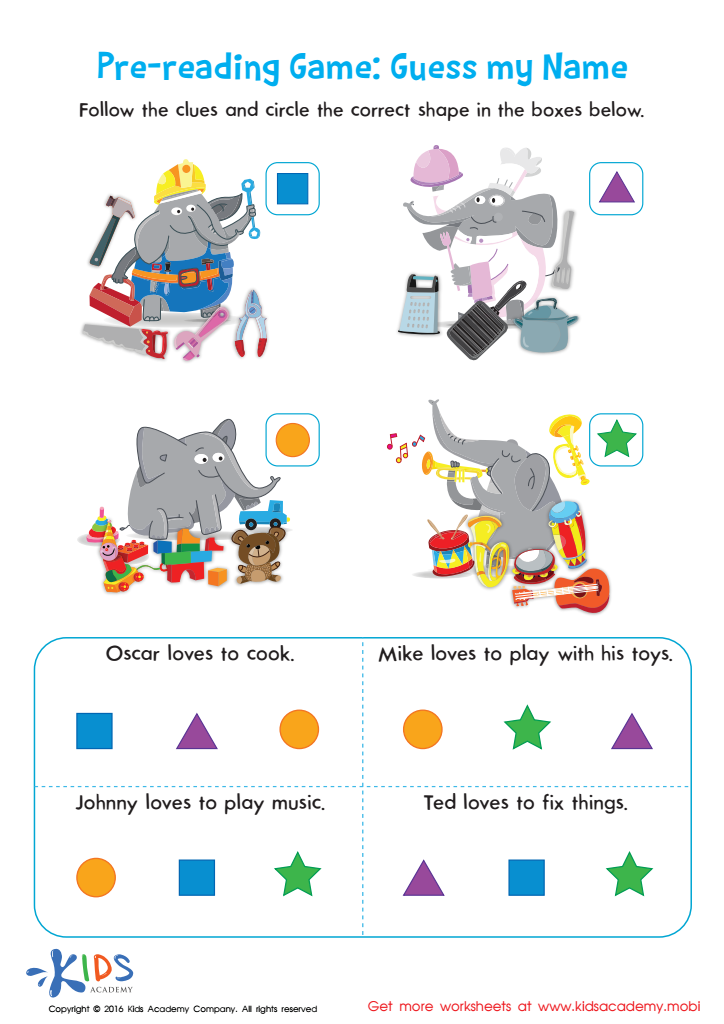
Pre Reading Worksheet Guess My Name
Guess My Name is a fun way to practice inference skills.
Guess My Name is a fun pre-reading game to help your child practice drawing inferences from clues. With colorful illustrations, they'll use clues to match each elephant with its sentence and sharpen their inference skills.
Pre Reading Worksheet Guess My Name
Worksheet
Join Kids Academy for Free
Who is primarily going to use this learning content?




.jpg)



Reading skills, especially in young children aged 4-9, lay the foundation for lifelong learning and successful communication. For parents and teachers, fostering a love for reading fiction during these formative years is crucial. Engaging with stories enhances imagination, creativity, and critical thinking. When children dive into different worlds through fiction, they learn to empathize with diverse characters and understand various perspectives, boosting their social and emotional intelligence.
Furthermore, reading fiction supports language development by exposing children to new vocabulary and complex sentence structures. This early exposure is vital for building strong literacy skills, which directly impact academic success. When children learn to read fluently and understand narrative structures, they develop essential comprehension skills that benefit them across subjects.
Additionally, reading as a shared activity nurtures bonding between parents and children, creating a rich environment for discussion and reflection. This shared experience fosters a positive attitude toward reading, encouraging kids to become lifelong learners. Ultimately, emphasizing reading skills in fiction gives young learners the tools they need to thrive in school and beyond, making it a priority for parents and educators alike.








