Reading practice Reading Non-Fiction Worksheets for Ages 4-9
4 filtered results
-
From - To
Enhance your child’s reading skills with our engaging Reading Non-Fiction Worksheets for Ages 4-9. Perfectly tailored to both early and growing readers, these worksheets make learning enjoyable and effective. Featuring captivating non-fiction topics, each worksheet helps young learners develop critical reading comprehension strategies and a love for informational texts. Kids will practice identifying main ideas, recalling details, and expanding their vocabulary through fun and informative activities. Boost your child's academic journey and foster a lasting interest in reading with our expertly designed non-fiction resources. Visit our website today to explore the complete collection and start the adventure!
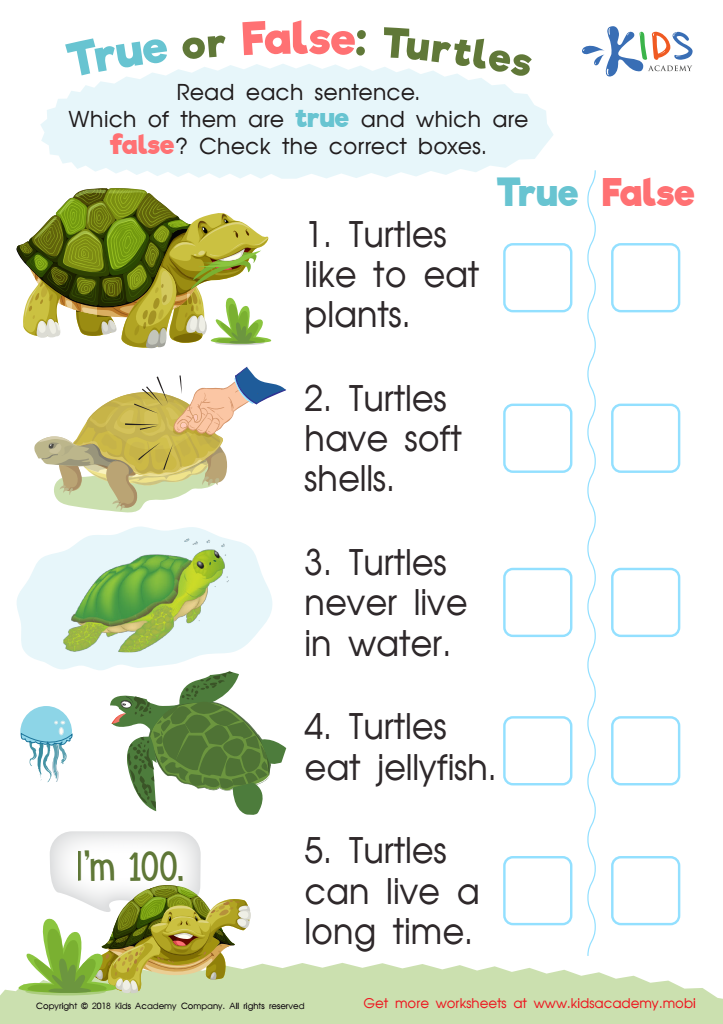
True or False: Turtles Worksheet
 Assign to My Students
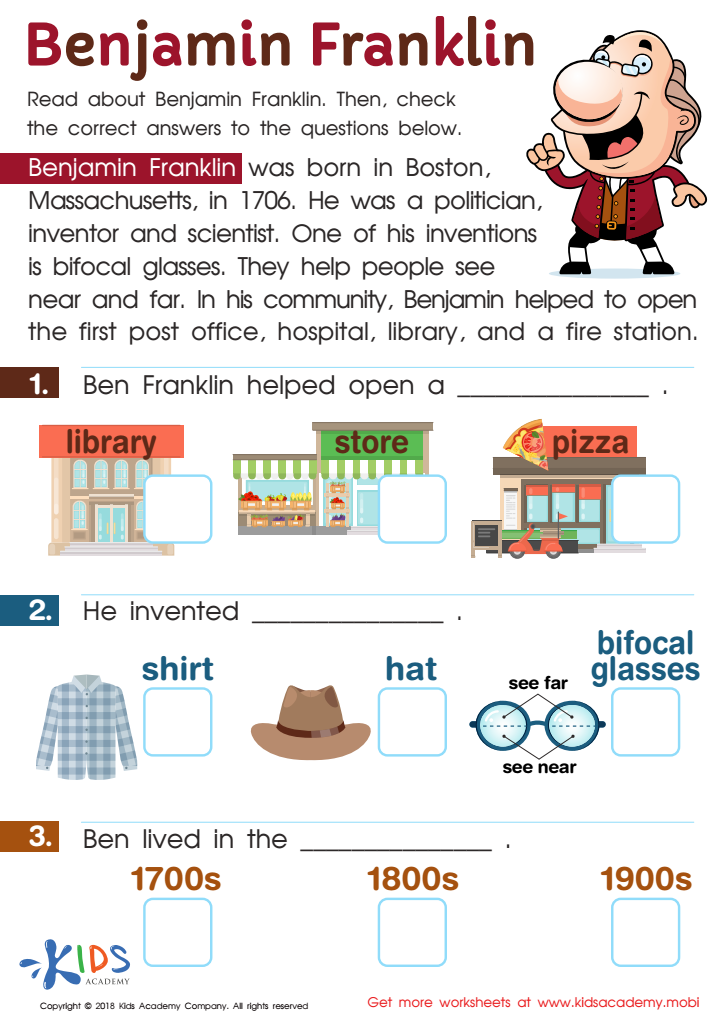
Benjamin Franklin Worksheet
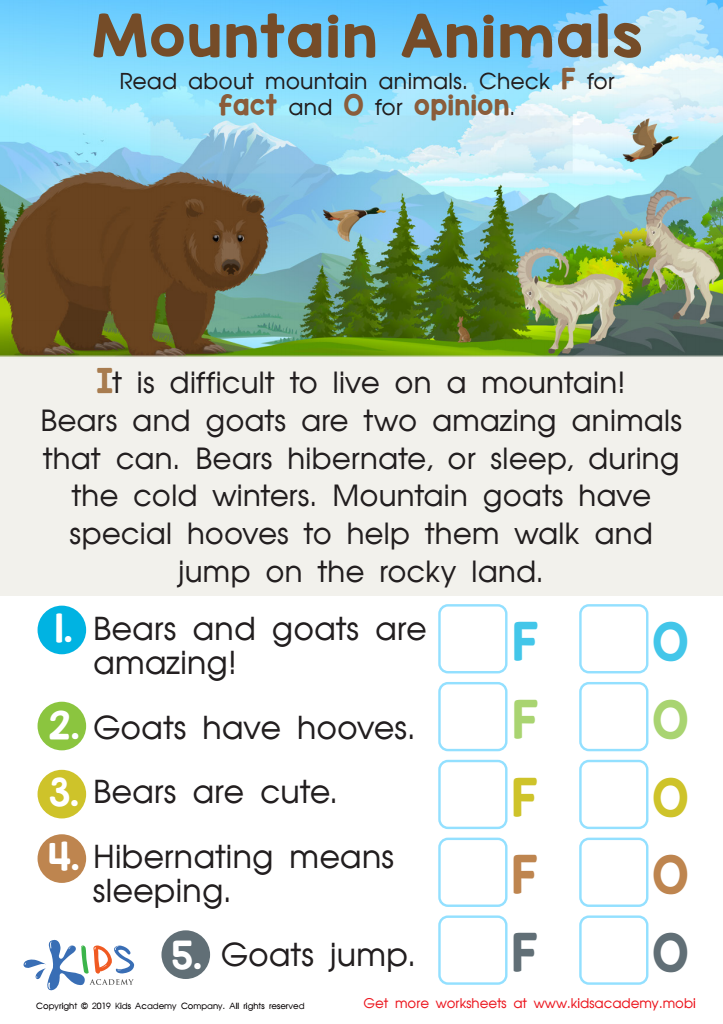
Mountain Animals Worksheet
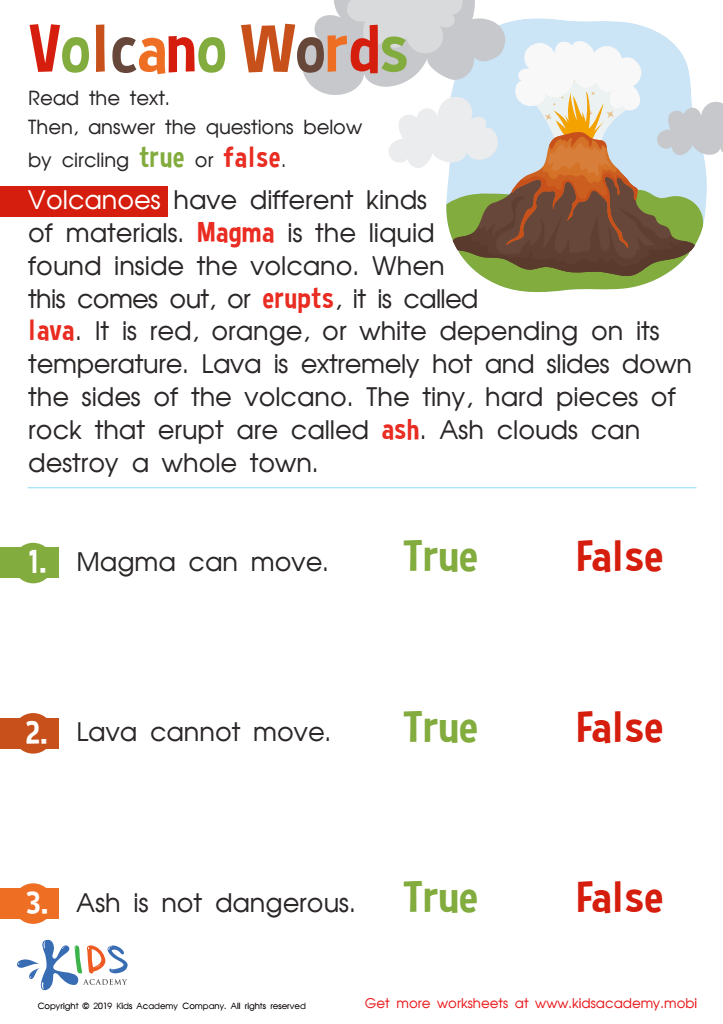
Volcano Words Worksheet








Parents and teachers should prioritize reading non-fiction for children aged 4-9 because it significantly contributes to their overall development and lifelong learning skills. Firstly, non-fiction enriches vocabulary and language comprehension by exposing children to factual content and diverse subject-specific terms. This age group is highly receptive to new information, and non-fiction books lay a crucial foundation for understanding the world around them, including nature, science, history, and everyday life.
Additionally, reading non-fiction fosters analytical and critical thinking. When children engage with informational texts, they learn to differentiate between facts and opinions, improve their ability to synthesize information, and develop curiosity and problem-solving skills. These abilities are important for academic success and essential in navigating everyday life situations.
Moreover, focusing on non-fiction helps cultivate a well-rounded perspective. Kids are often naturally curious about how things work and why events happen, and providing them with accurate and meaningful content satisfies their inquiries and promotes intellectual growth. It also introduces them to the concept of credibility and the importance of seeking knowledge from reliable sources.
Overall, incorporating non-fiction reading into early childhood education enriches vocabulary, enhances analytical skills, and nurtures a curious, informed, and independent learner, laying the groundwork for a more successful and fulfilling educational journey.








