Counting practice Sight Words Worksheets for Ages 4-9
7 filtered results
Difficulty Level
Grade
Age
-
From - To
Subject
Activity
Standards
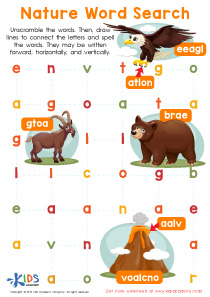
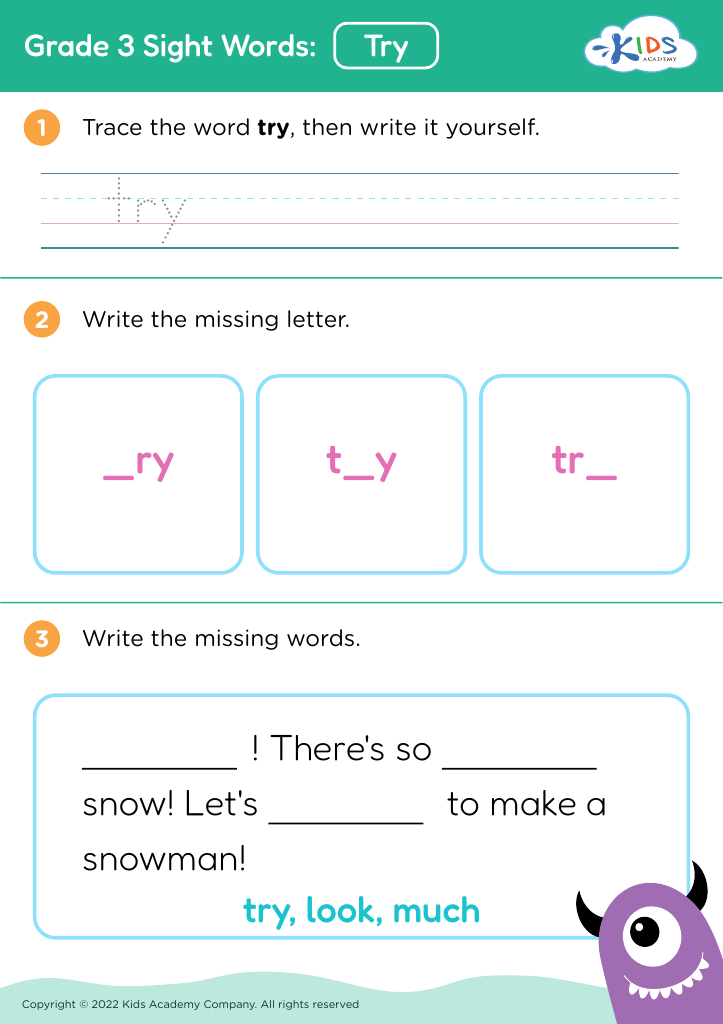
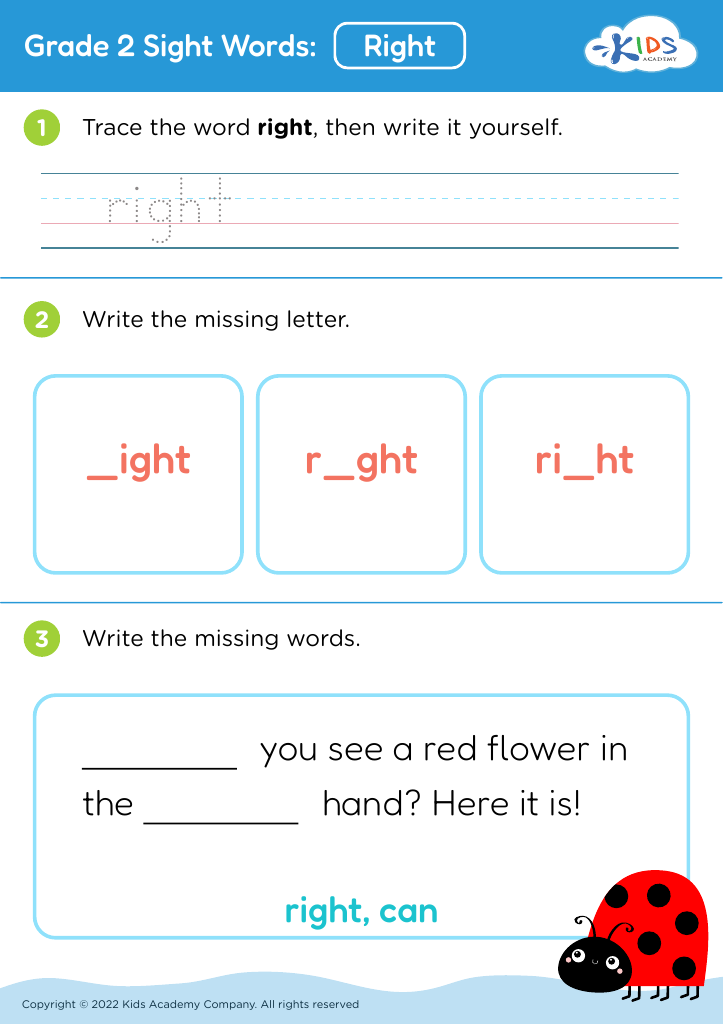
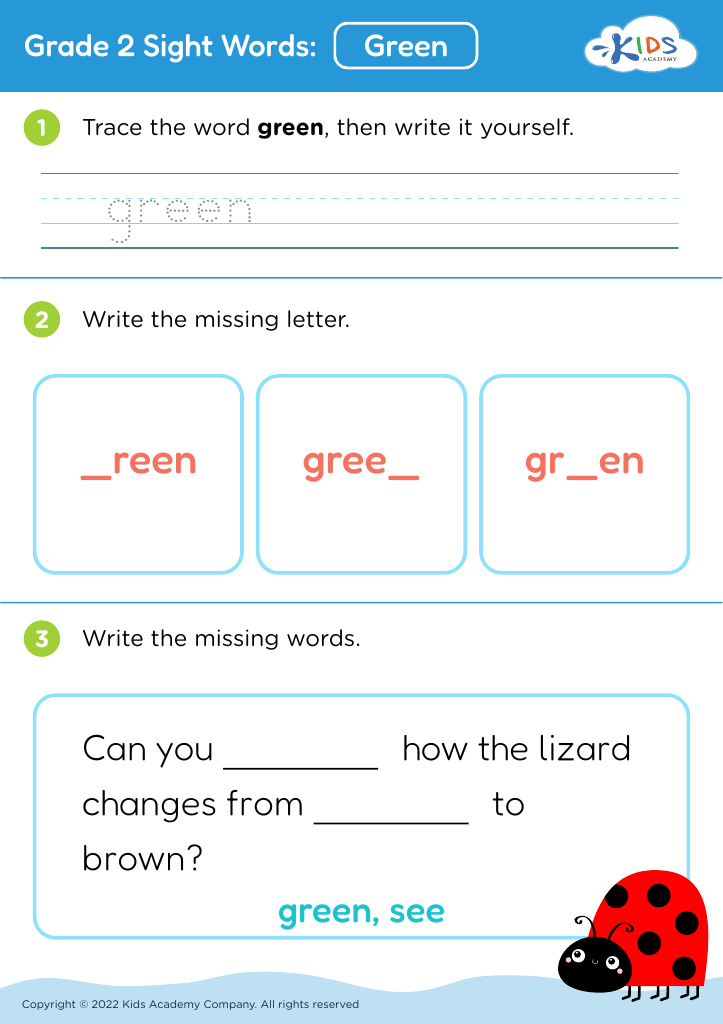
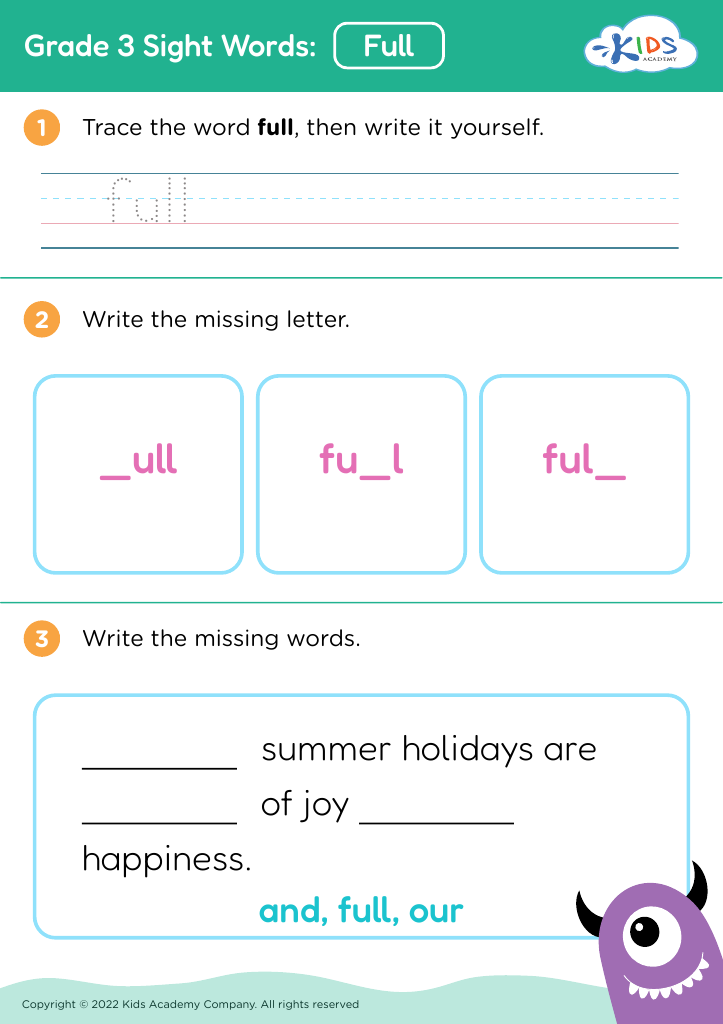
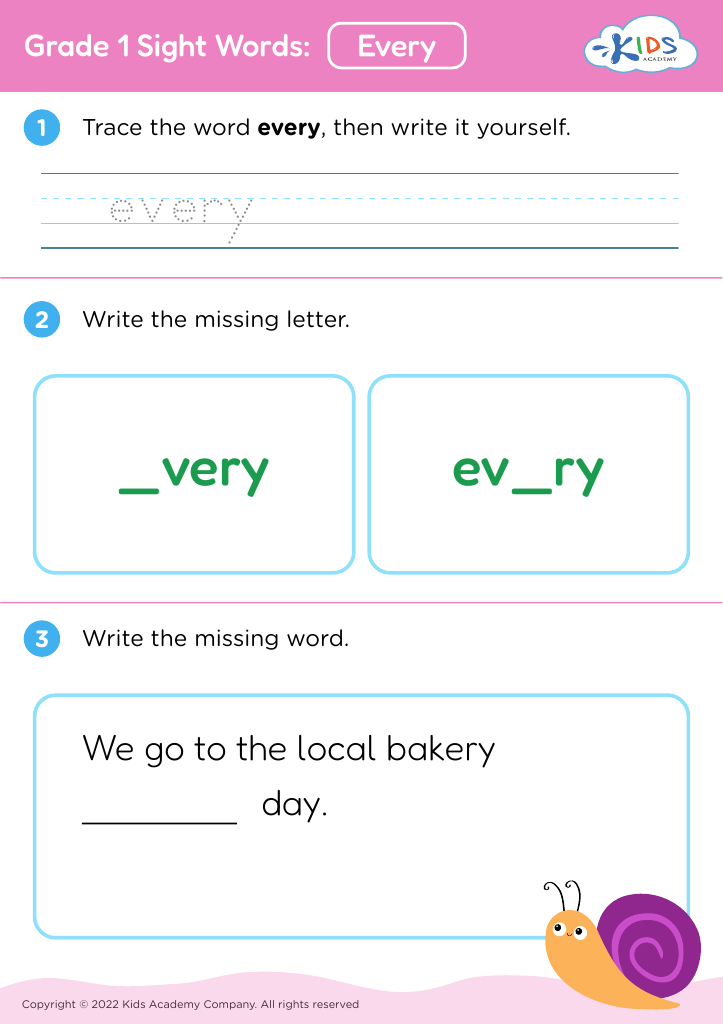
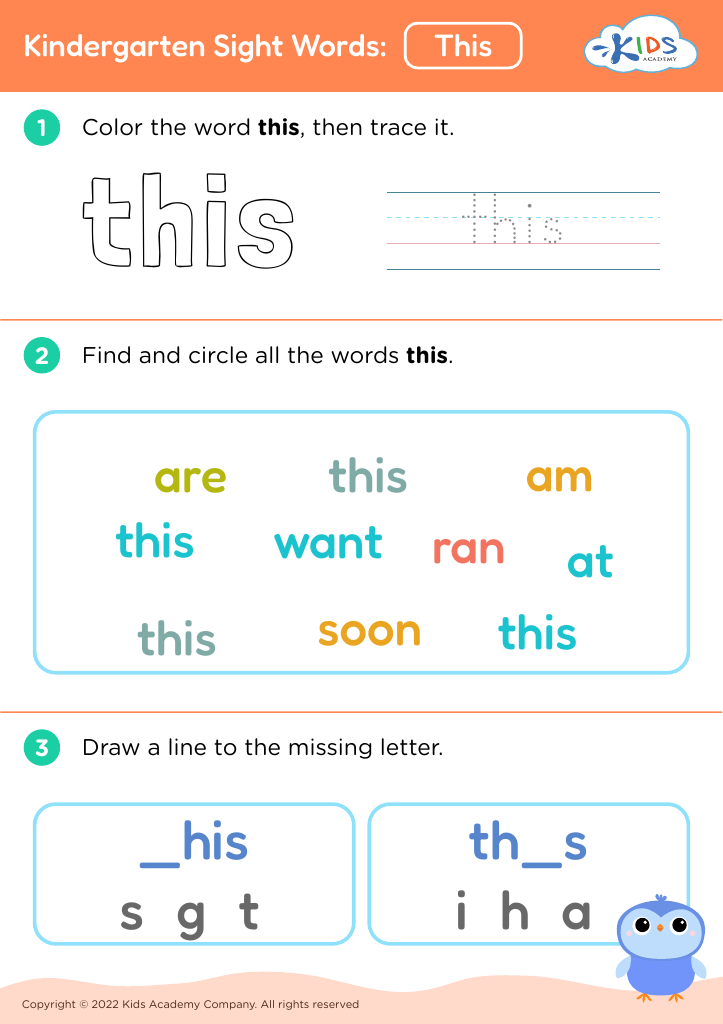
Explore our engaging Counting Practice Sight Words Worksheets designed for children ages 4-9! These interactive resources seamlessly combine numeracy skills with reading proficiency, helping kids not only recognize essential sight words but also enhance their counting abilities. Ideal for early learners, our worksheets feature vibrant illustrations and fun activities that make learning enjoyable. By integrating counting practice with sight words, children build a strong foundation for literacy and math, ensuring a well-rounded educational experience. Perfect for classroom settings or home use, our worksheets support skill development in a playful and effective way. Begin your child’s learning adventure today!
Favorites
With answer key
Interactive




Join Kids Academy for Free
Who is primarily going to use this learning content?








Counting practice and sight words are pivotal in early childhood education for children aged 4-9, as they lay the foundation for future academic success. Mastery of sight words enhances reading fluency, allowing students to recognize common words quickly without needing to sound them out. This familiarity fosters confidence in young readers and encourages a love for reading, which is crucial for cognitive and emotional development.
Counted practice complements sight word recognition by helping children develop essential numeracy skills. Counting reinforces understanding of numbers, sequences, and basic arithmetic—all foundational concepts in mathematics. Strong counting skills also support children in other subjects, enriching their learning experiences.
Furthermore, engaging with counting and sight word practices benefits parents and teachers as they observe children's progress and confidence grow. It encourages positive, nurturing environments where children feel supported in their learning journey. Such reinforcement enhances parent-child interaction through playful activities, making learning enjoyable and motivating.
Ultimately, prioritizing counting practice and sight words equips young learners with vital skills that promote literacy and numeracy, paving the way for academic achievement, critical thinking, and lifelong learning. Thus, both parents and teachers play a vital role in fostering these developmental milestones.