Numerical problem solving Sight Words Worksheets for Ages 4-9
3 filtered results
-
From - To
Explore our engaging Numerical Problem Solving Sight Words Worksheets designed specifically for children aged 4-9. These fun, interactive worksheets combine essential sight word recognition with critical problem-solving skills, making learning both exciting and effective! Each activity encourages young learners to read sight words in context while solving numerical problems, boosting their literacy and math abilities simultaneously. Perfect for classroom settings or at-home practice, our worksheets cater to diverse learning styles, fostering a love for reading and numbers. Help your child build a strong foundation in early math and reading skills today with our thoughtfully crafted resources!
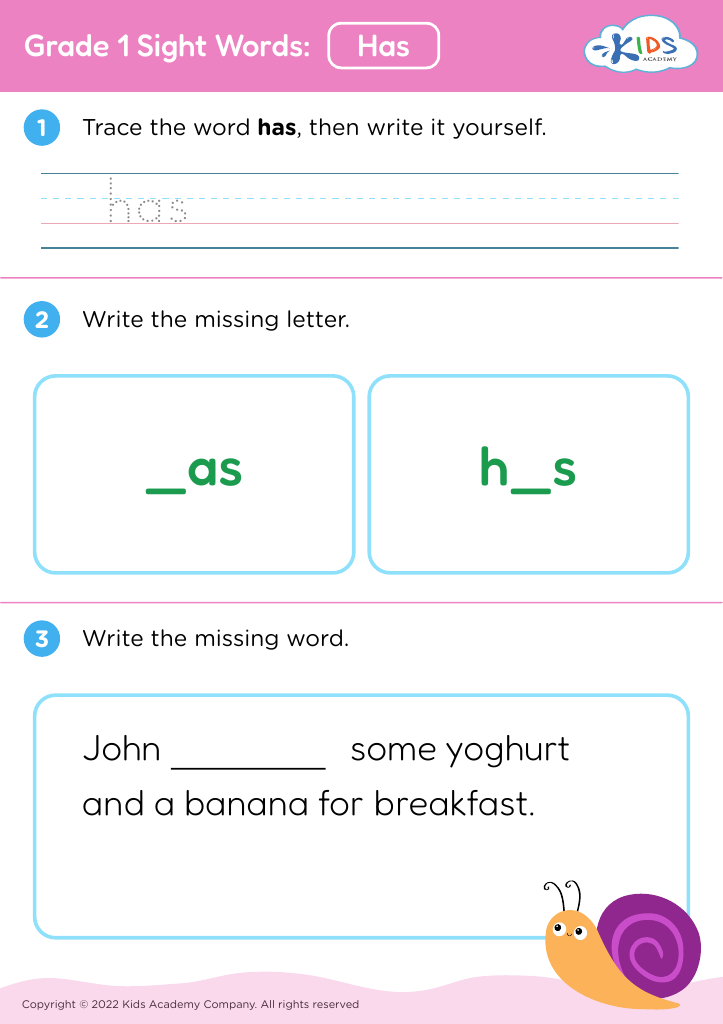


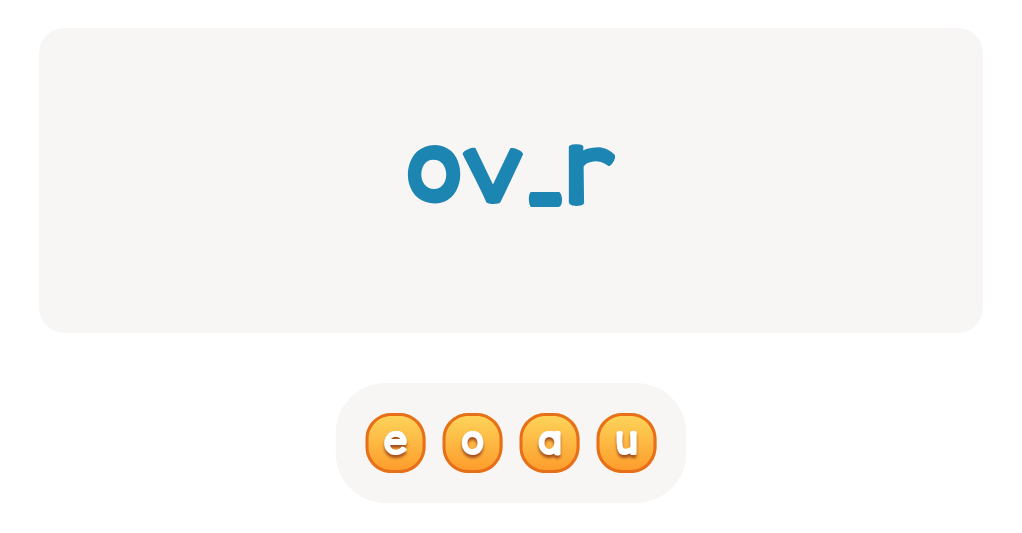
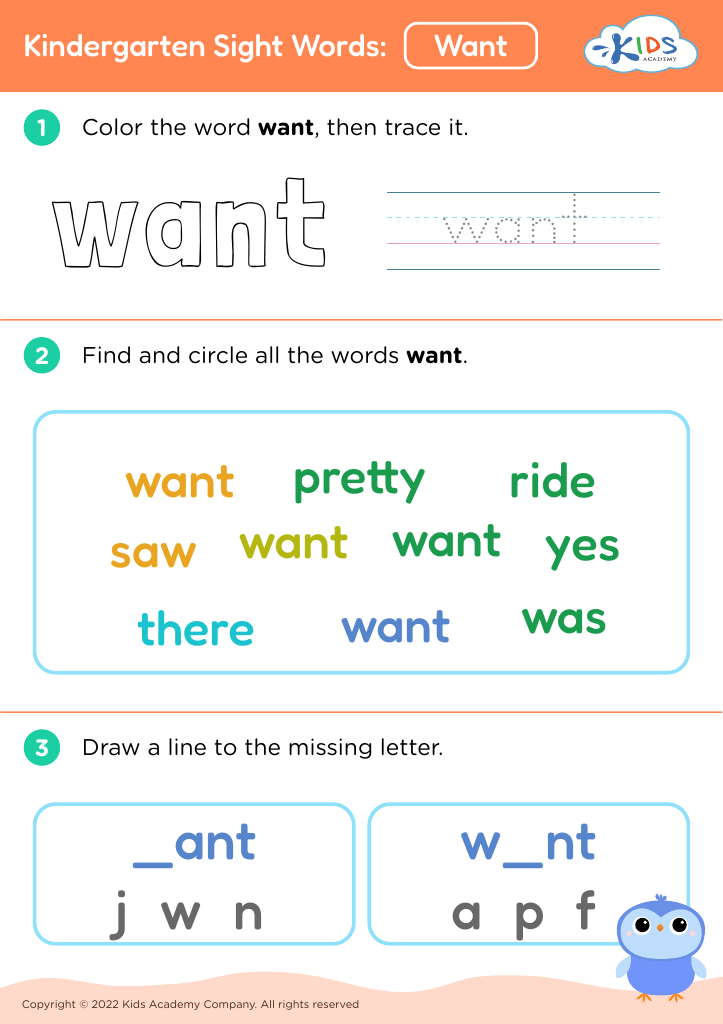
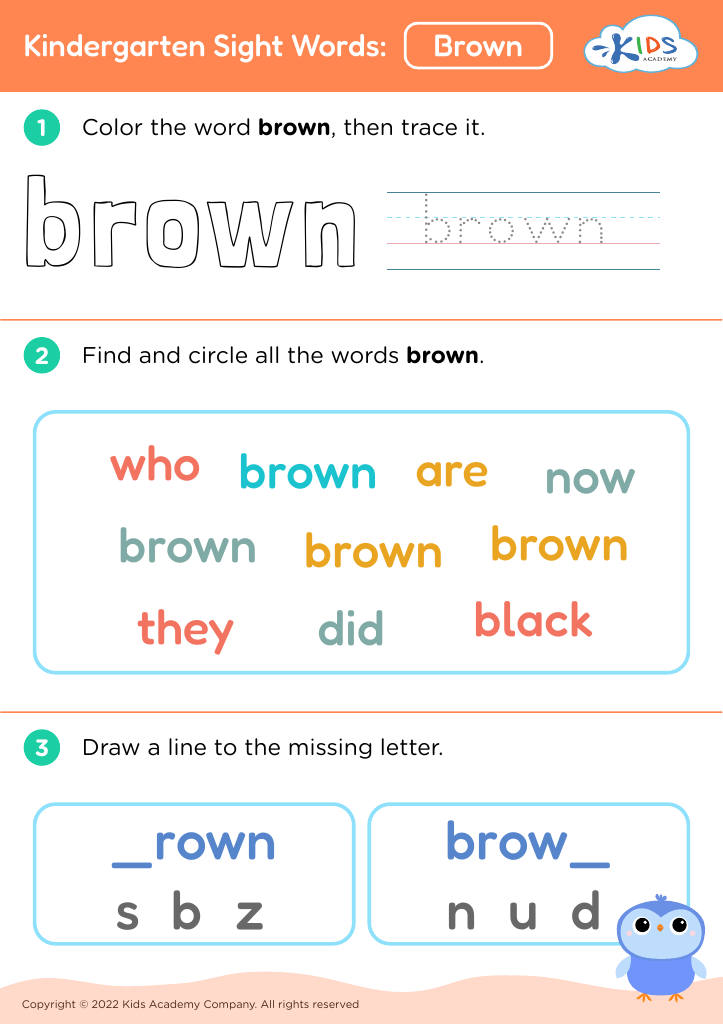








Numerical problem-solving sight words are pivotal for children aged 4-9, as they lay the foundation for mathematical literacy and critical thinking skills early in life. During this formative stage, children encounter various mathematical concepts, making it essential for them to recognize and understand numerical terms and phrases. Mastery of sight words related to numeracy, such as "add," "subtract," "more," or "less," enhances their ability to comprehend word problems, which are integral in developing logical reasoning and problem-solving capabilities.
Parents and teachers should care about these sight words because they help bridge the gap between language and mathematics. Familiarity with these terms allows children to participate confidently in classroom discussions and activities, fostering a positive relationship with math. Furthermore, recognizing and using numerical problem-solving sight words can enhance reading and comprehension skills overall, as children learn to decode and apply mathematical language effectively.
Engaging with numerical sight words also provides parents and teachers the opportunity to create interactive and fun learning environments, making math less intimidating. By prioritizing this aspect of their education, adults can help children form a strong mathematical foundation that will serve them well in future academic challenges and everyday life.