Understanding patterns Sight Words Worksheets for Ages 4-9
8 filtered results
-
From - To
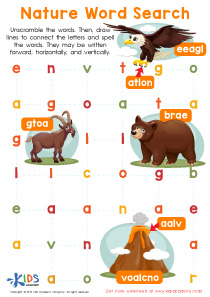
Explore our "Understanding Patterns Sight Words Worksheets," designed for children aged 4-9. These engaging worksheets help young learners recognize and understand sight word patterns, essential for developing reading fluency. By practicing repetitive sight words in a structured way, children build confidence and improve their comprehension skills. Our user-friendly worksheets feature colorful illustrations and fun activities, making learning enjoyable and effective. Ideal for home or classroom use, they encourage early literacy and enhance vocabulary retention. Foster a love for reading in your child today—download our worksheets and watch them thrive in their reading journey! Perfect for educators and parents alike!
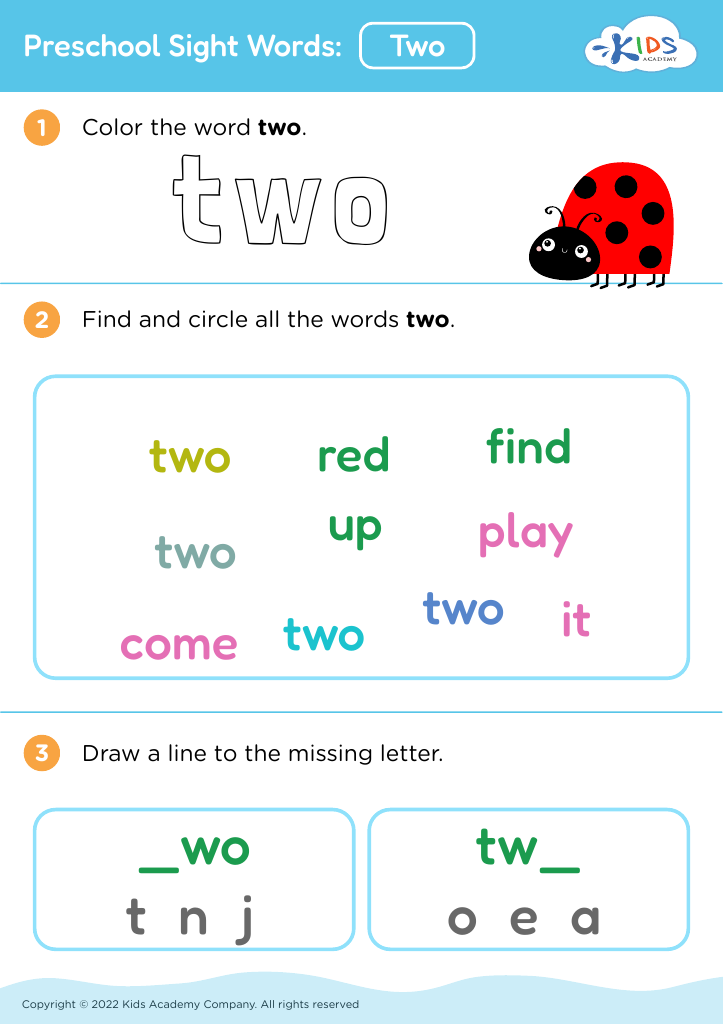




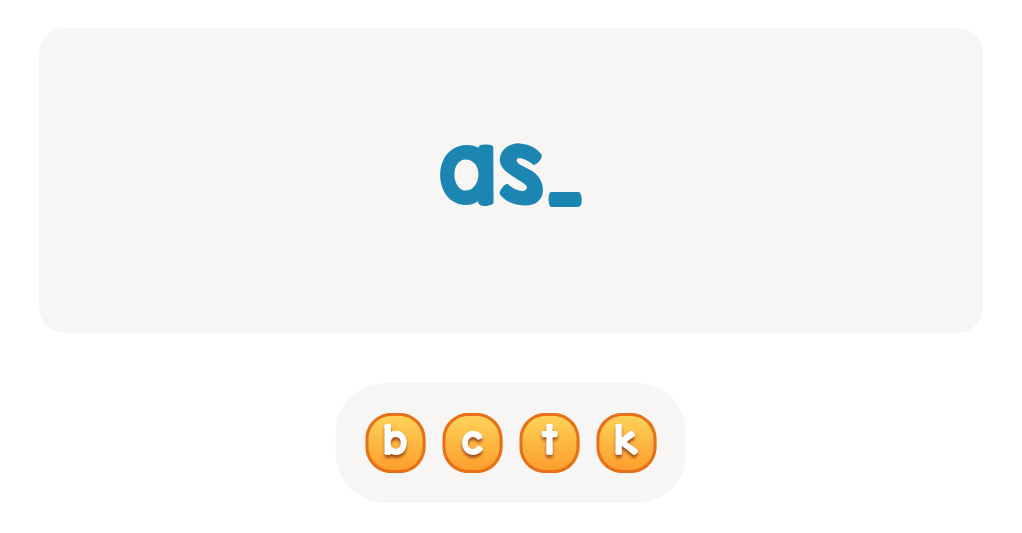
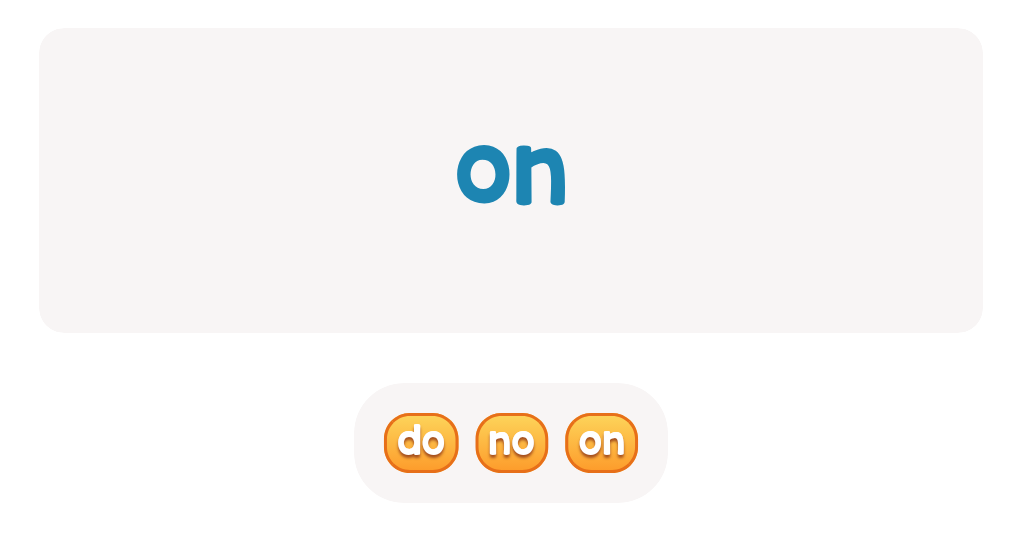
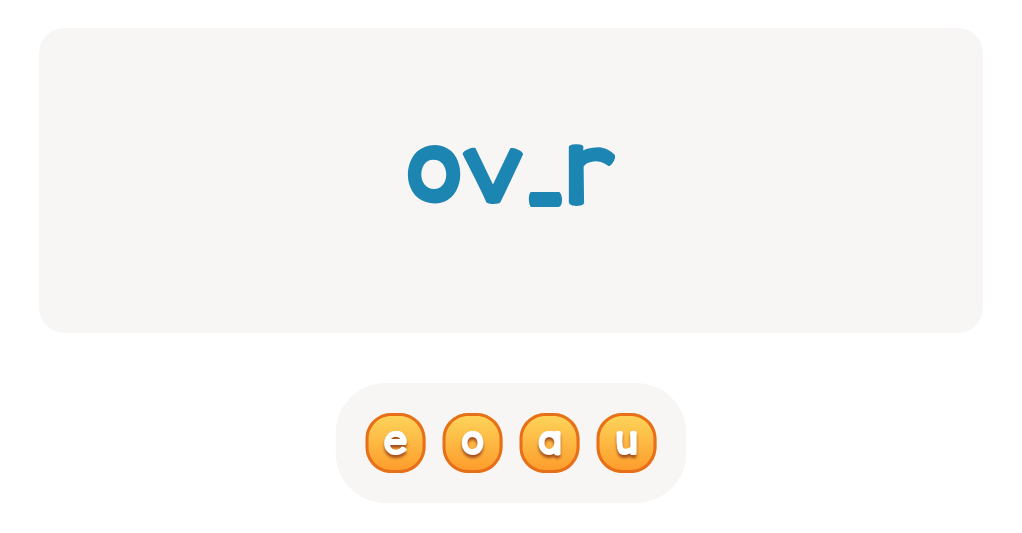
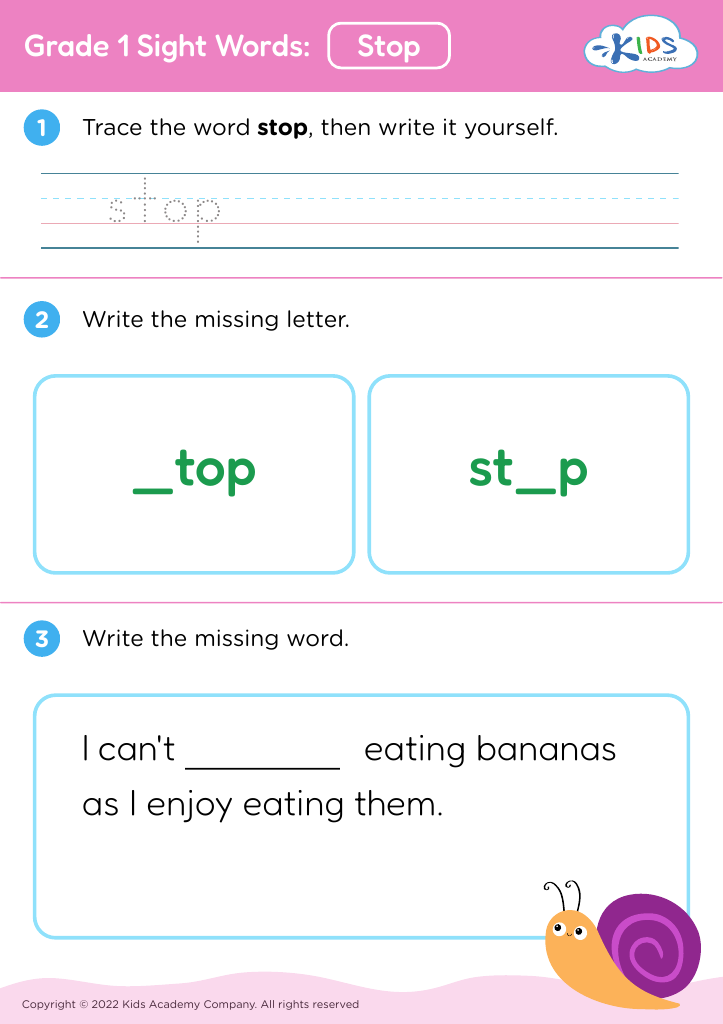
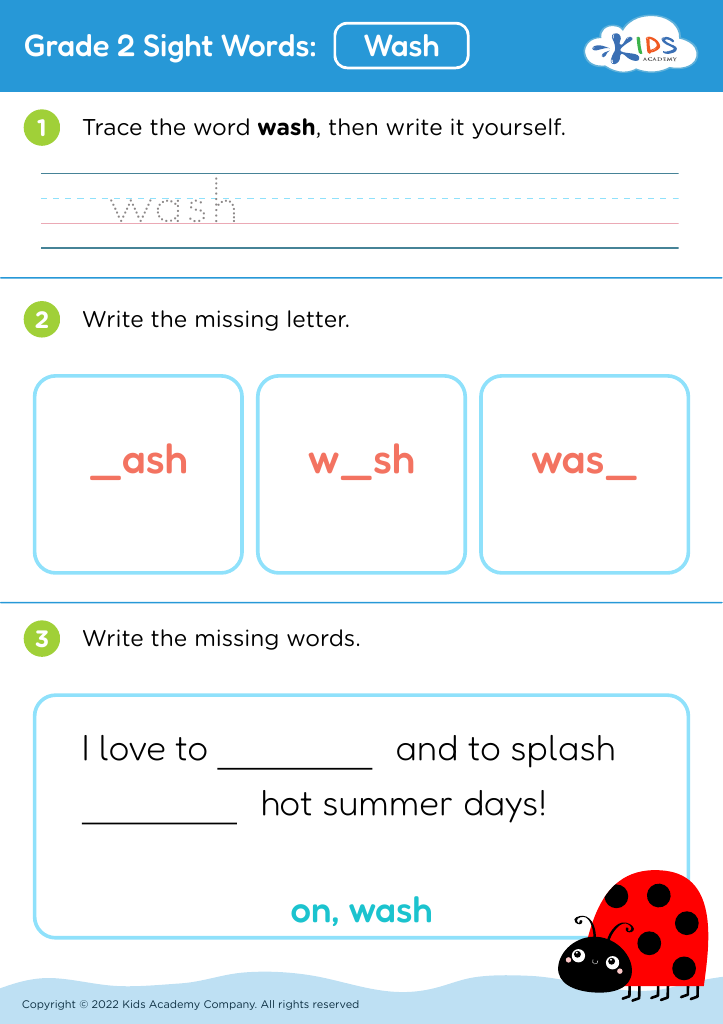
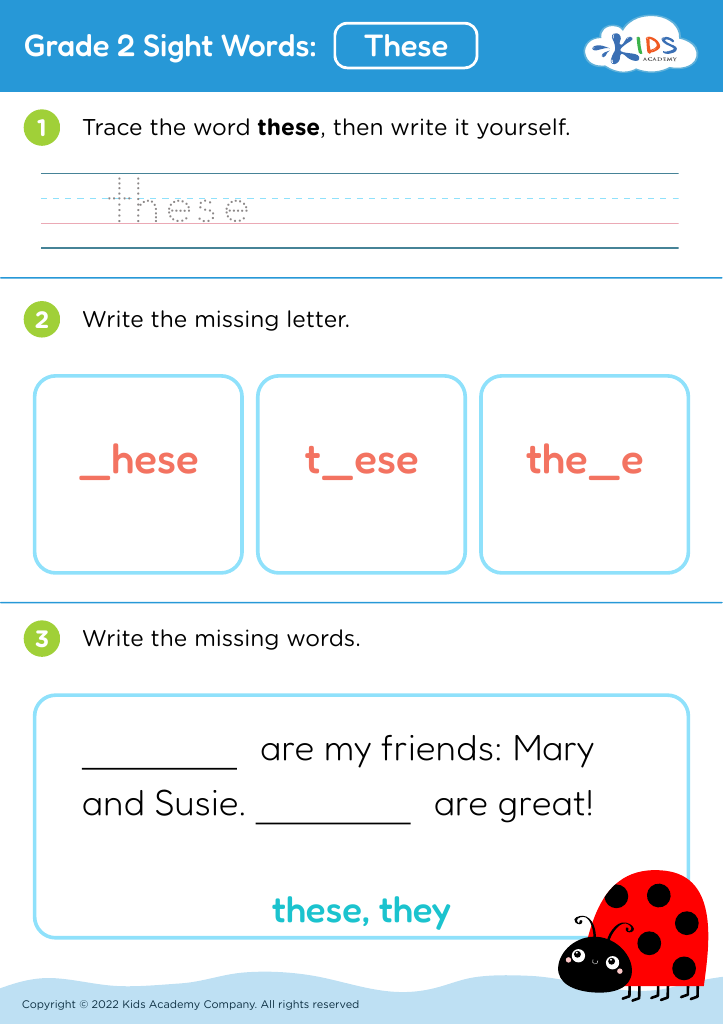
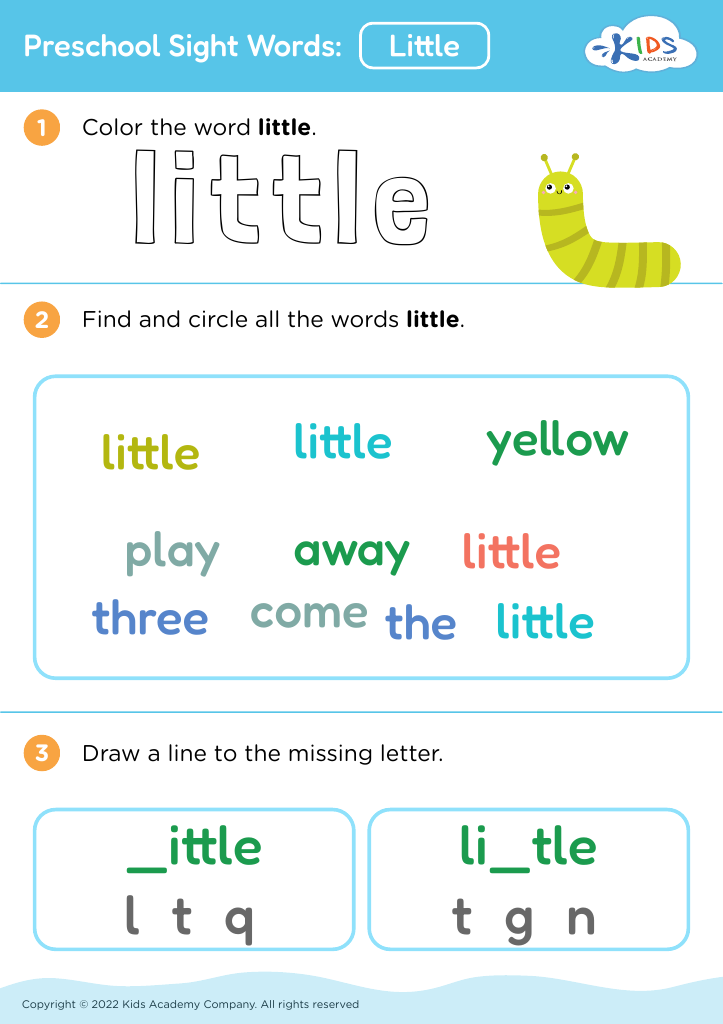
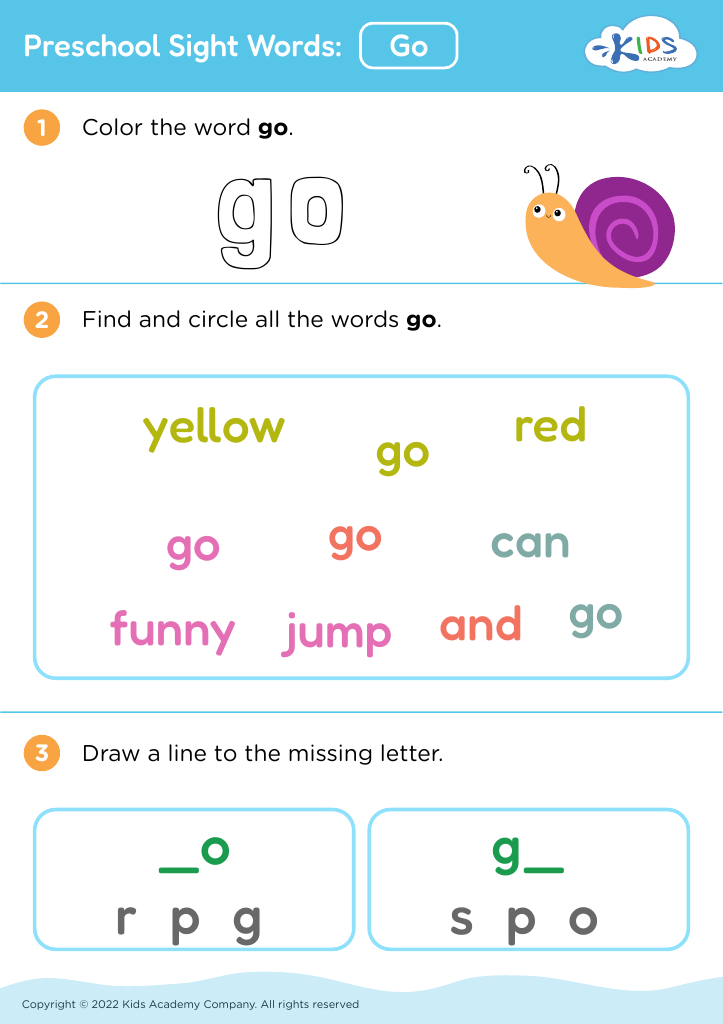
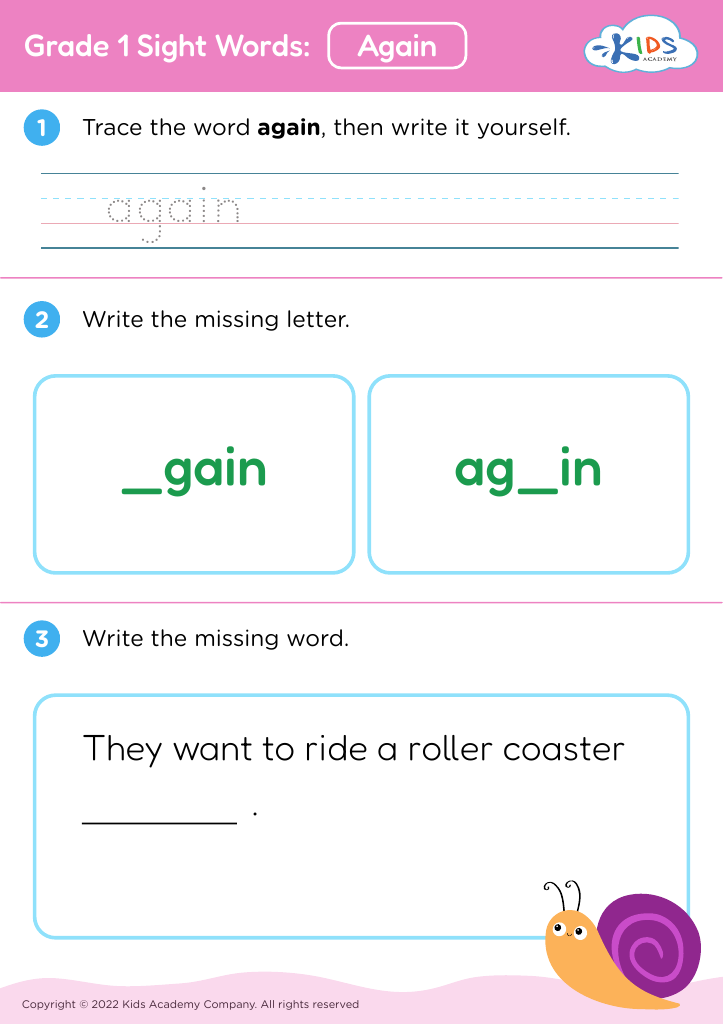
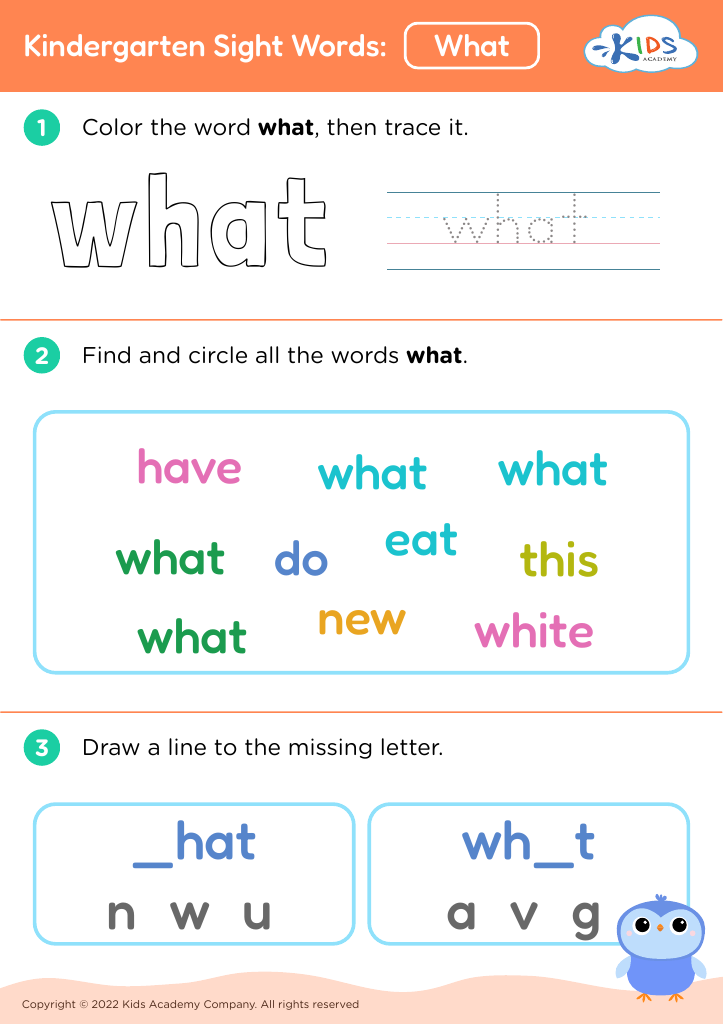







Understanding patterns and sight words is crucial for children's literacy development, particularly for ages 4-9. This age range serves as a foundational stage where children build essential reading and writing skills.
Sight words—commonly used words that children are encouraged to memorize by sight—allow young learners to develop fluency in reading. Recognizing these words quickly helps children read simple sentences with understanding, thus enhancing their confidence and overall interest in reading.
Furthermore, recognizing patterns in language, such as rhymes, word families, and sentence structure, not only aids in decoding words but also develops critical thinking and problem-solving skills. When children learn to identify patterns, they can generalize rules—they begin to understand that certain letters or sounds often appear together, which simplifies the learning process.
For parents and teachers, focusing on these elements helps create a more engaging and effective literacy environment. Encouraging children to notice patterns and recognize sight words fosters a love for reading, which is vital for lifelong learning. Ultimately, prioritizing this understanding cultivates a joy of learning that can positively influence children's academic careers and personal growth.