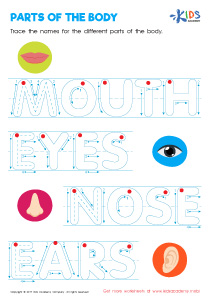
Categorization skills World Around Us Worksheets for Ages 4-9
3 filtered results
-
From - To
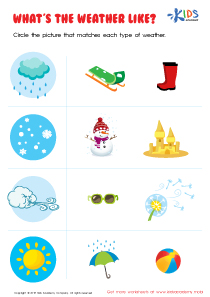
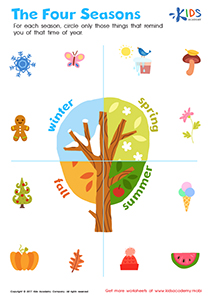
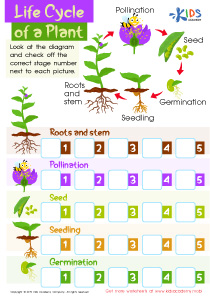
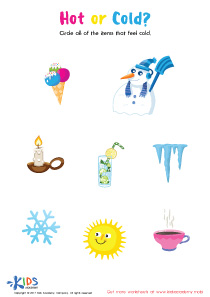
Enhance your child's learning experience with our "Categorization Skills World Around Us Worksheets" designed for ages 4-9. These engaging worksheets help young learners classify and sort various items related to their environment. By using fun and interactive activities, children strengthen their understanding of categories such as animals, plants, and everyday objects, fostering critical thinking and organizational skills. Perfect for classroom use or at-home learning, these worksheets encourage exploration and creativity while building a solid foundation in early math and science concepts. Discover the joy of learning about the world together and empower your child’s confidence through our expertly crafted resources!
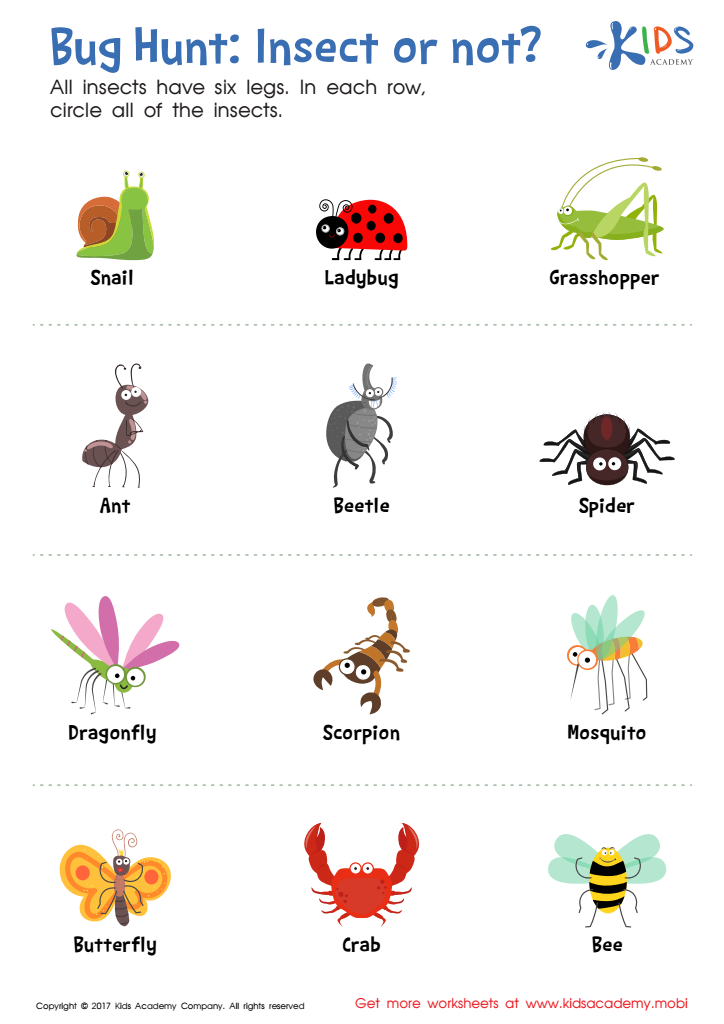
 Assign to My Students
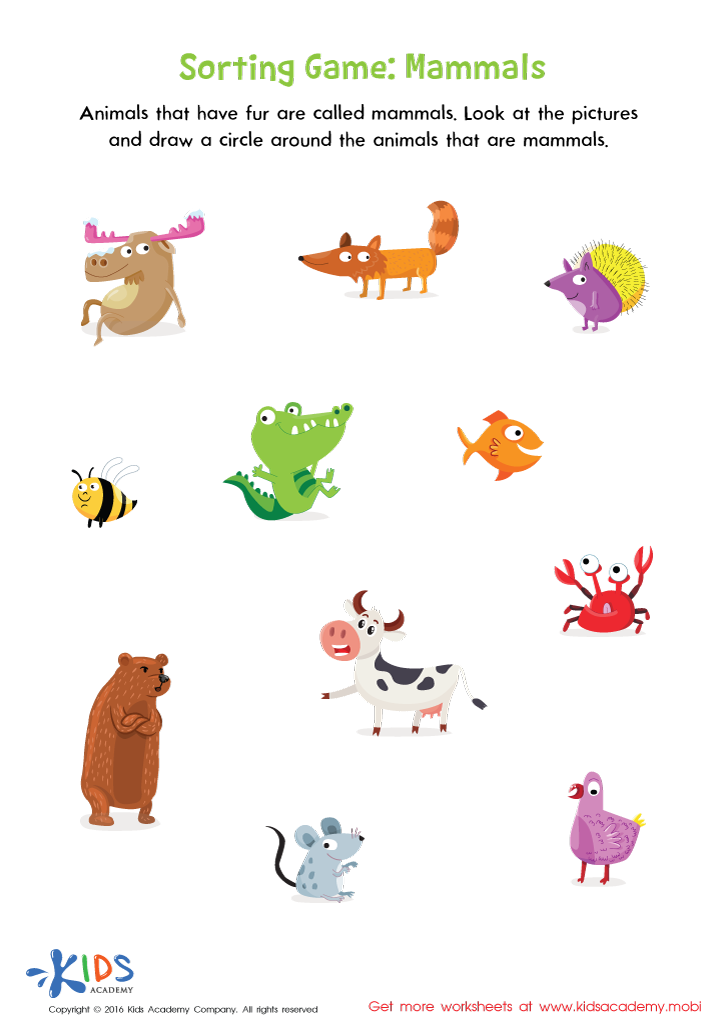
Mammals Sorting Worksheet
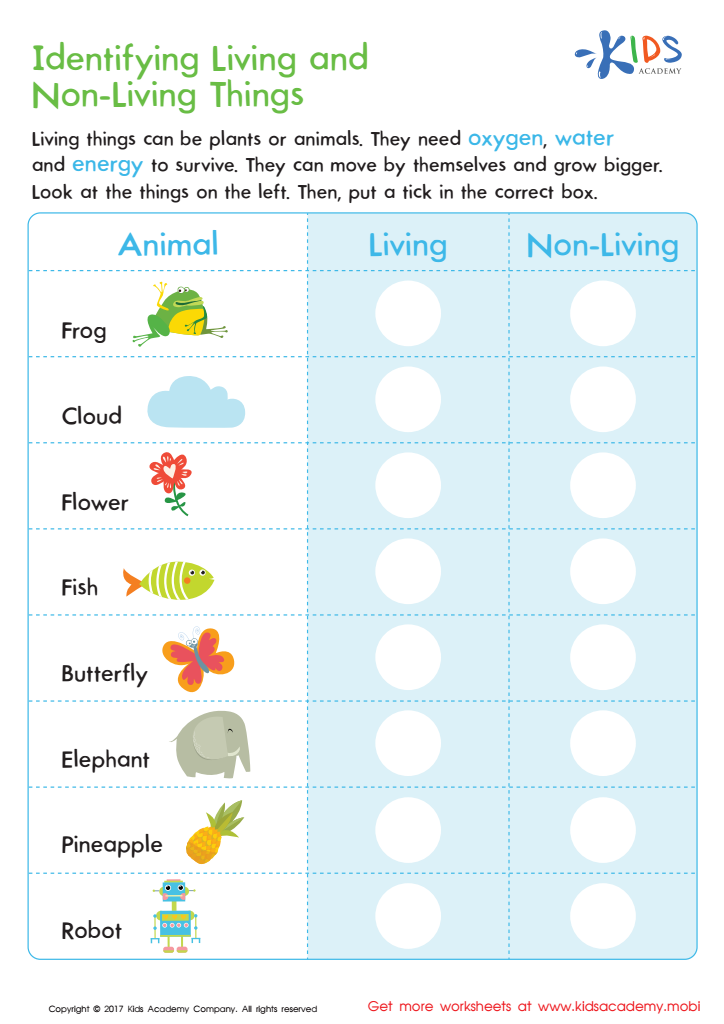
Identifying Living or Non–living Worksheet








Categorization skills are essential for children's cognitive development, particularly between ages 4-9 as they explore the world around them. Parents and teachers should care about these skills because they are foundational for learning and critical thinking. When children categorize objects, they learn to identify similarities and differences, which aids in their understanding of complex concepts.
Developing categorization skills enhances language development, as children learn new vocabulary related to different categories, such as animals, colors, and shapes. Furthermore, these skills foster problem-solving abilities, enabling children to make connections and recognize patterns, which are crucial for math and science learning.
In the social context, categorization influences how children understand social dynamics. It helps them group experiences and people, promoting empathy and acceptance by recognizing diversity within categories.
Moreover, strong categorization skills build confidence and independence. Children who can categorize independently are more prepared for academic challenges and daily life tasks. By placing emphasis on these skills, parents and teachers equip children with tools that are not only vital for academic success but also essential for navigating their social and emotional environments effectively, fostering lifelong learning and adaptability.