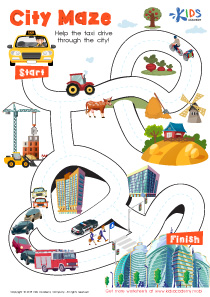
Geography knowledge Geography Worksheets for Ages 4-9
3 filtered results
-
From - To
Explore the world with our engaging Geography Worksheets for Ages 4-9. These printable activities foster curiosity about the planet, helping kids identify continents, countries, oceans, and landmarks. Tailored to build foundational geography knowledge, the worksheets blend fun with learning to ensure young explorers stay motivated. Ideal for preschool through elementary ages, each activity supports classroom learning or homeschool curriculums. Whether it’s mapping exercises, country facts, or exciting global trivia, our worksheets are designed to cultivate a love for geography. Dive into a journey of discovery and transform young minds into confident geography whizzes.
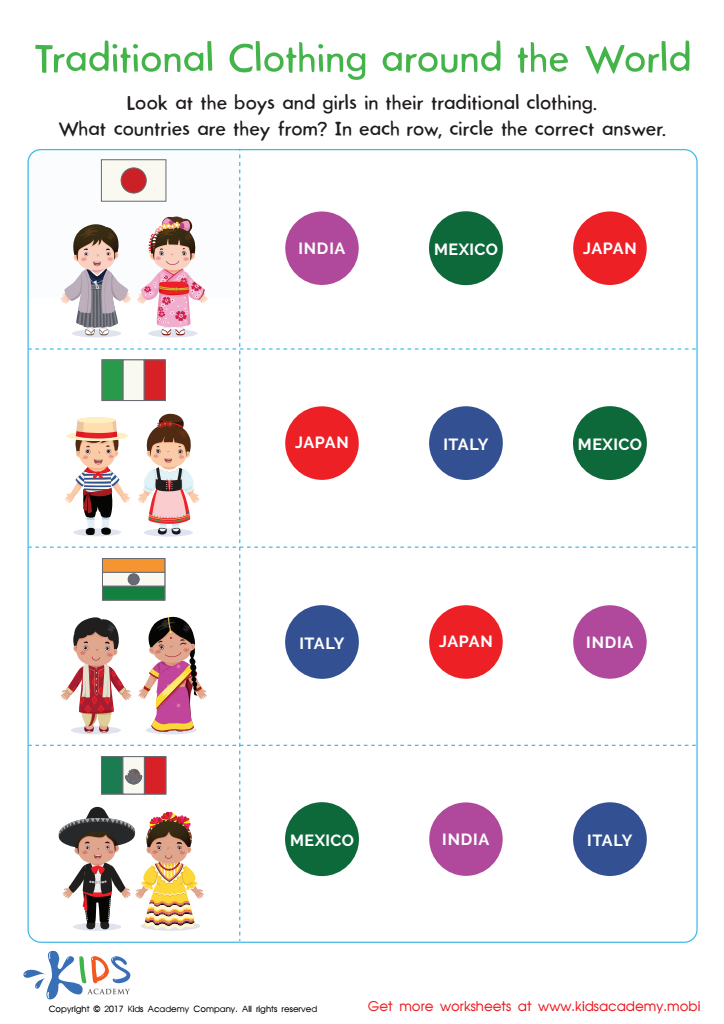
Traditional Clothing Worksheet
 Assign to My Students
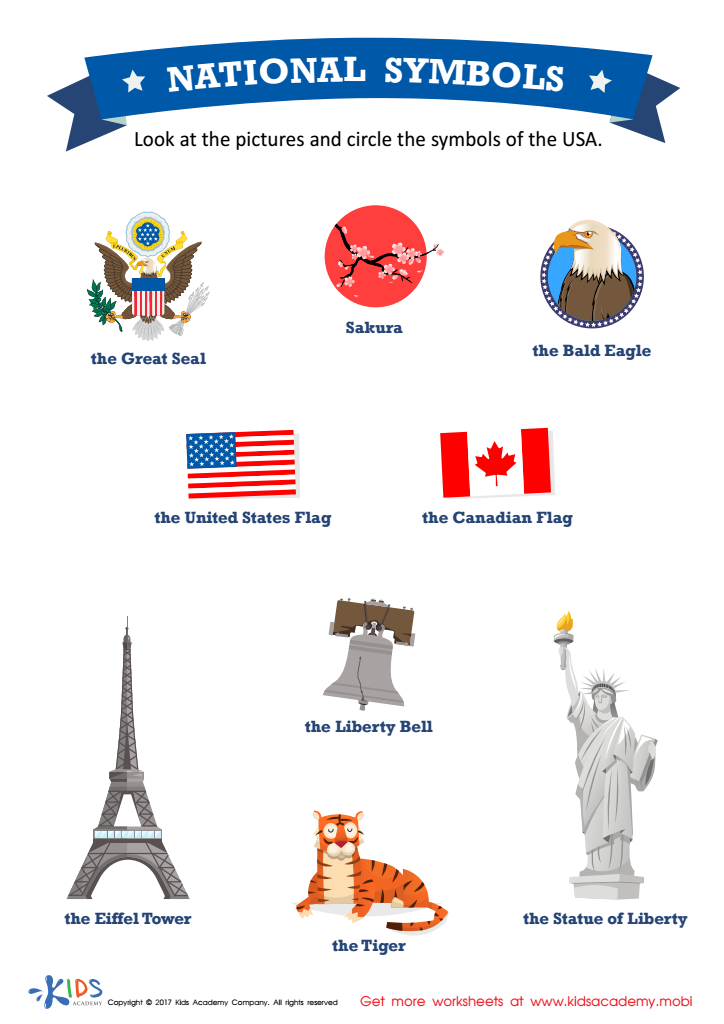
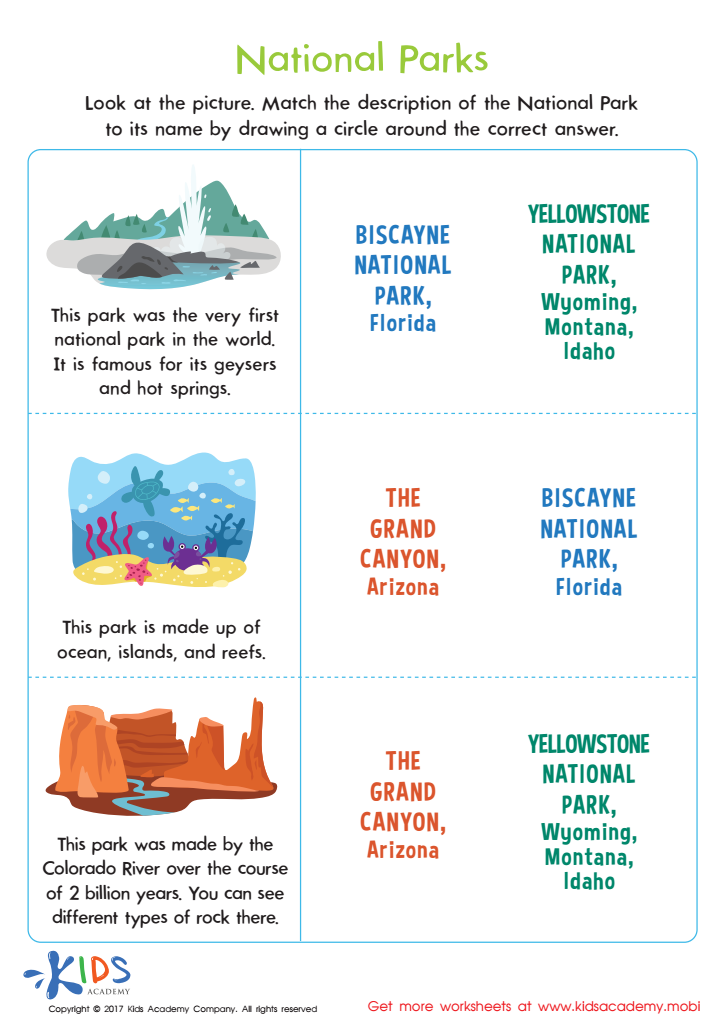
National Parks Printable






Geography knowledge is vital for children ages 4-9 because it sets the groundwork for a comprehensive understanding of their world, fostering essential skills and perspectives. Firstly, geography introduces kids to diverse cultures, encouraging respect and empathy by helping them realize that despite differences, we share a global connection. This understanding builds a foundation for open-mindedness and inclusivity later in life.
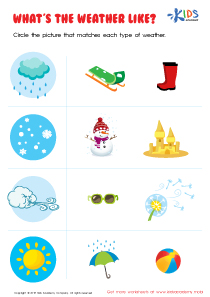
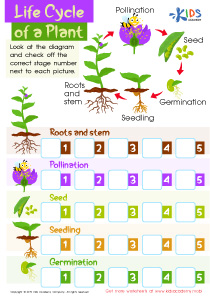
Secondly, learning about physical geography—landforms, weather, ecosystems—fuels curiosity and aids in the comprehension of environmental processes. Kids who grasp these concepts are more likely to take an interest in conservation and sustainable practices, becoming responsible stewards of the Earth.
Moreover, early geographic education enhances spatial awareness and cognitive abilities. Recognizing how places are arranged helps in developing navigation skills and a sense of direction. Through maps and globes, children also cultivate analytical thinking as they learn to interpret symbols, distances, and legends.
Geography isn't just about rote memorization; it intertwines elements of science, social studies, and even math, making it a comprehensive, interdisciplinary subject that prepares young minds for more advanced learning. Therefore, both parents and teachers should prioritize geography to build confident, informed, and compassionate future citizens.