Alphabet Recognition Grammar Worksheets for Ages 4-9
3 filtered results
-
From - To
Welcome to our "Alphabet Recognition Grammar Worksheets" designed specifically for children aged 4-9. These engaging and interactive worksheets help young learners master the alphabet while enhancing their grammar skills. Each worksheet features fun activities that encourage recognition of uppercase and lowercase letters, sound associations, and letter formation. Ideal for preschool and early elementary students, our materials support diverse learning styles through vibrant visuals and engaging prompts. Perfect for both classroom settings and home learning, these worksheets provide the foundational skills necessary for reading and writing. Foster your child's confidence and literacy development with our expertly crafted resources today!
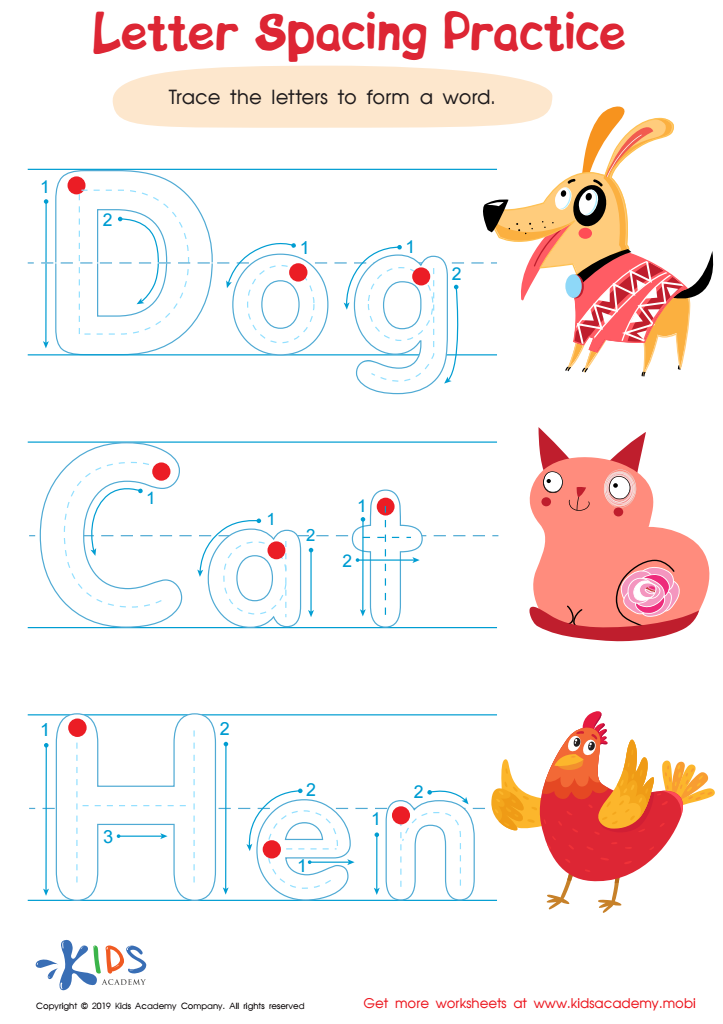
Letter Spacing Practice Worksheet
 Assign to My Students
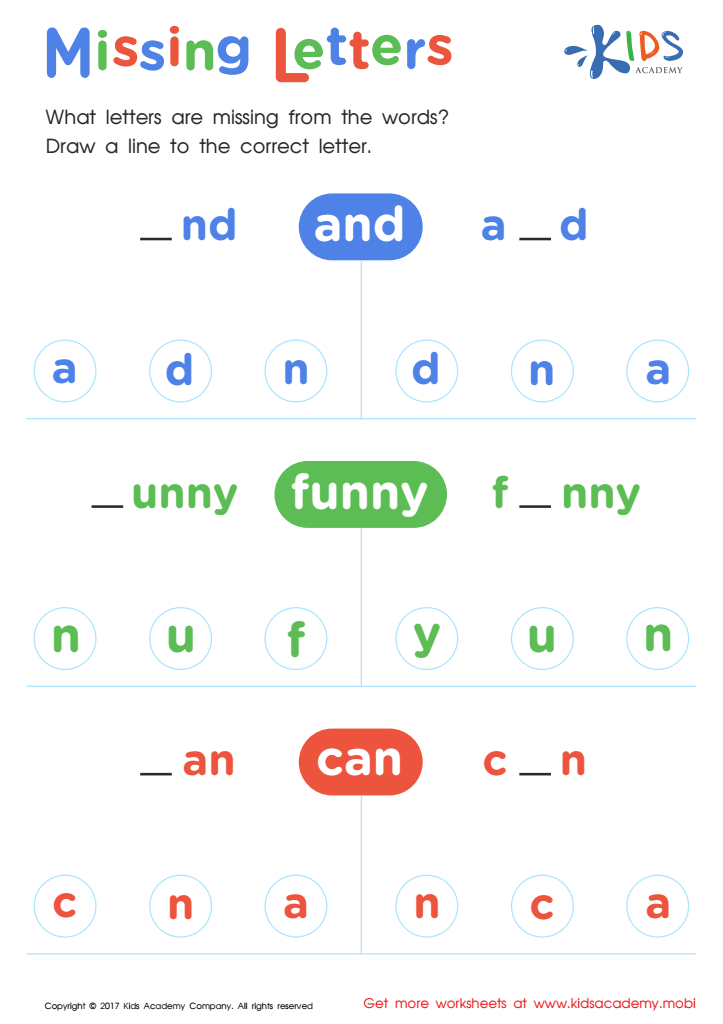
Missing Letters Worksheet
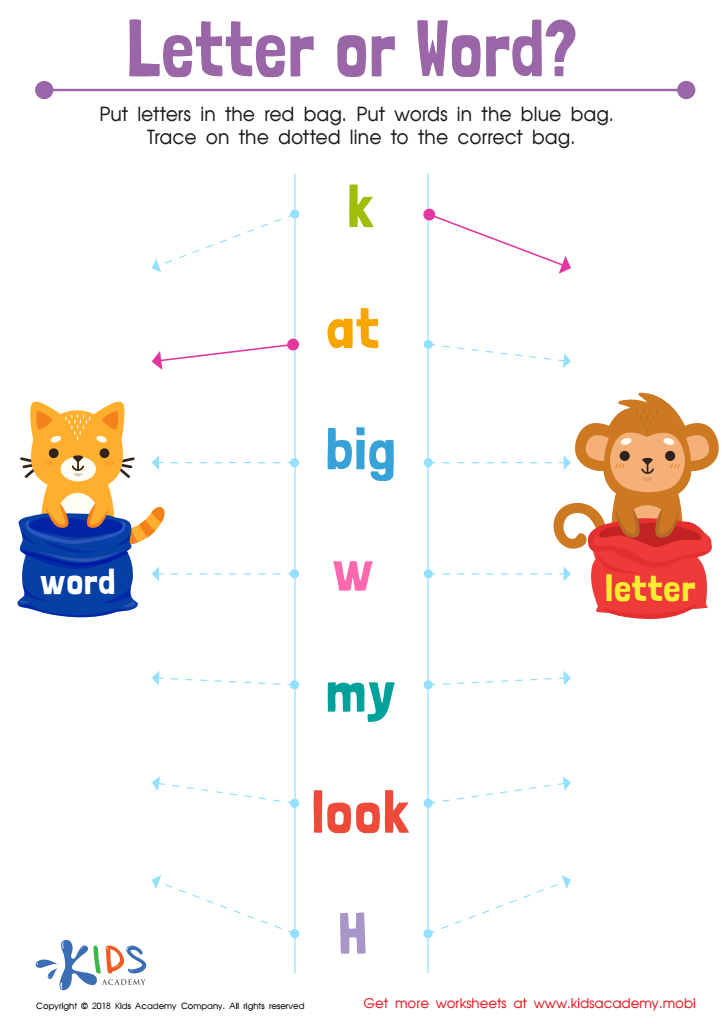
Letter or Word? Worksheet








Alphabet recognition is a vital foundational skill for children ages 4-9, as it significantly impacts their literacy development. Understanding the alphabet establishes the groundwork for reading and writing, key components of a child's education. When parents and teachers prioritize alphabet recognition, they help children become familiar with letter shapes and sounds, enabling them to decode words and enhance vocabulary.
Furthermore, mastering alphabet recognition boosts a child's confidence and motivation to engage with texts. Recognizing letters allows them to name items, sound out words, and ultimately explore stories and informational texts independently. Early intervention and consistent practice in the classroom and at home foster a positive learning environment that encourages curiosity and a love for reading.
Additionally, alphabet recognition is linked to later academic success. Children who can recognize letters are more likely to develop reading fluency and comprehension skills necessary for all subjects. For teachers, integrating engaging activities and games centered on alphabet recognition makes learning enjoyable and effective. For parents, reading together and playing phonics games reinforces this learning, further solidifying the connection between literacy skills and real-world applications. Ultimately, a strong foundation in alphabet recognition is crucial for ensuring children achieve their fullest potential as lifelong learners.








