Phonics skills development Alphabet Worksheets for 4-Year-Olds
5 filtered results
-
From - To
Boost your child's literacy with our engaging Phonics Skills Development Alphabet Worksheets designed for 4-year-olds! These carefully crafted resources foster early reading abilities by linking letters to sounds in an interactive and enjoyable way. Our worksheets feature fun activities that include matching letters with pictures, tracing letters, and identifying beginning sounds, making learning both effective and exciting. Perfect for parents and educators aiming to strengthen phonics skills at home or in the classroom, these worksheets encourage fine motor skills and reinforce letter recognition. Download our printable worksheets now to set the foundation for your child's reading journey!
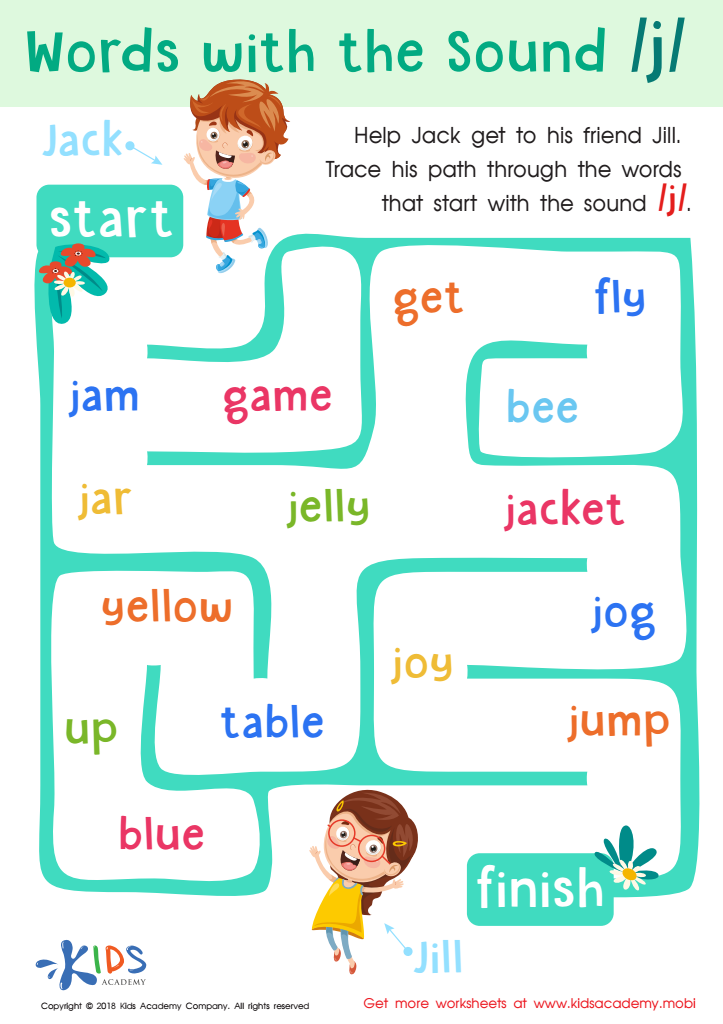
Words with sound j Reading Worksheet
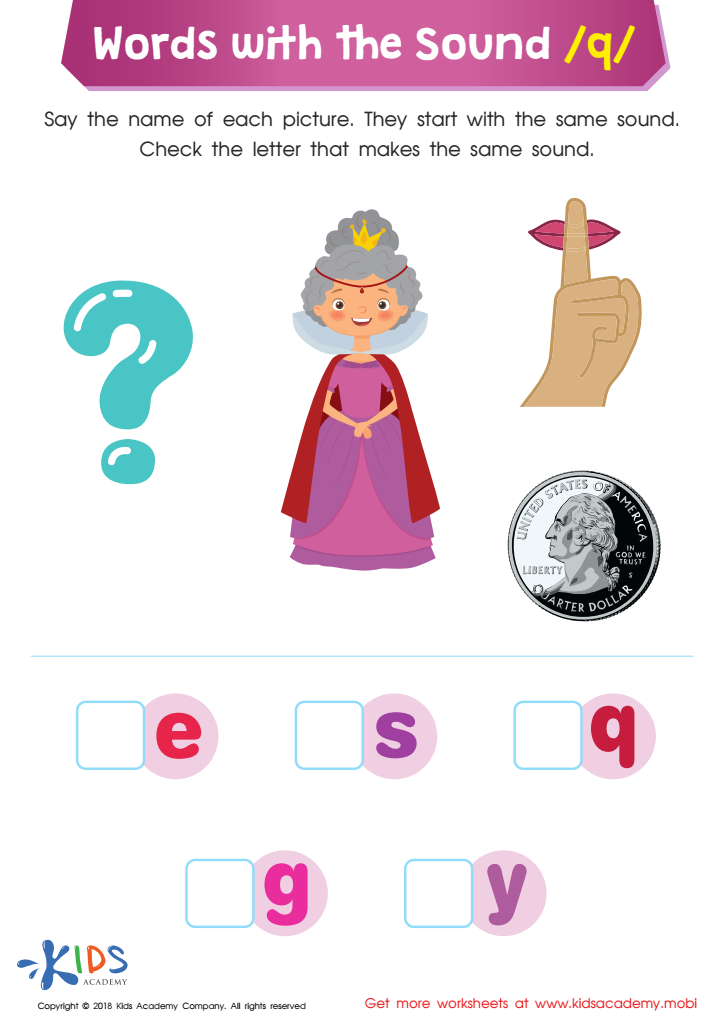
Words with Sound Q Reading Worksheet
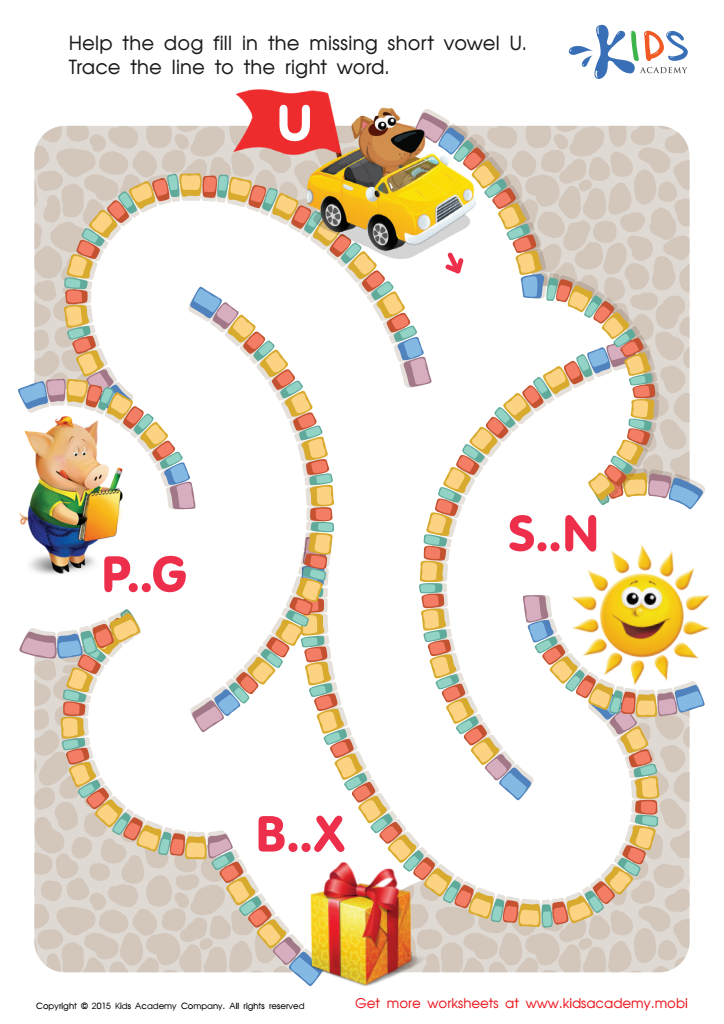
Short Vowel Sound U Worksheet
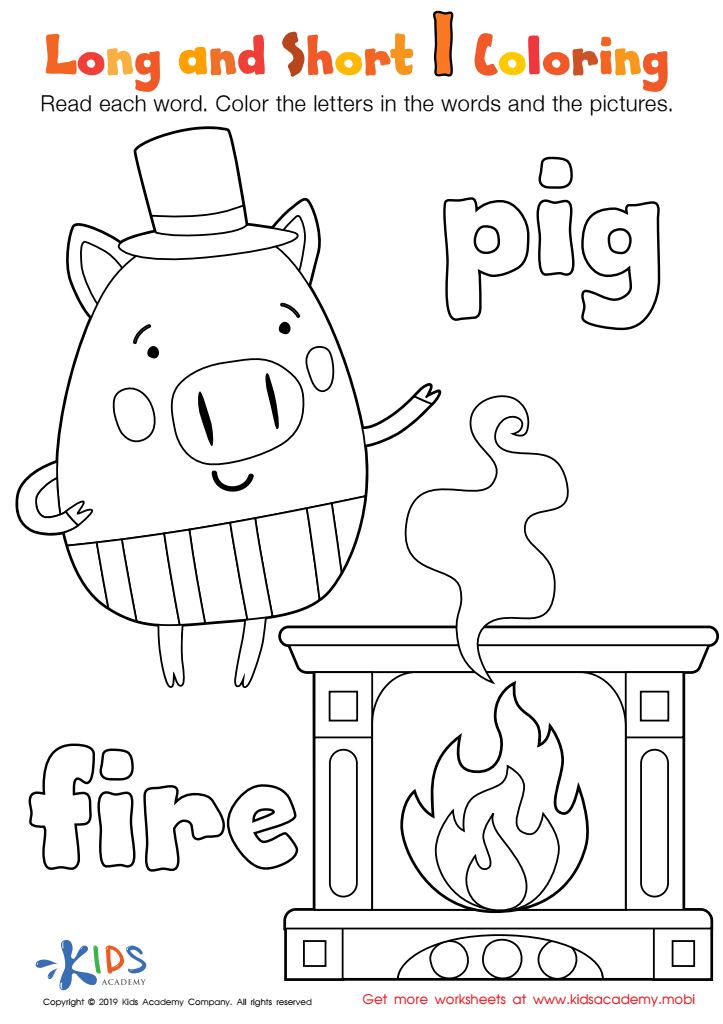
Long and Short I Worksheet
 Assign to My Students
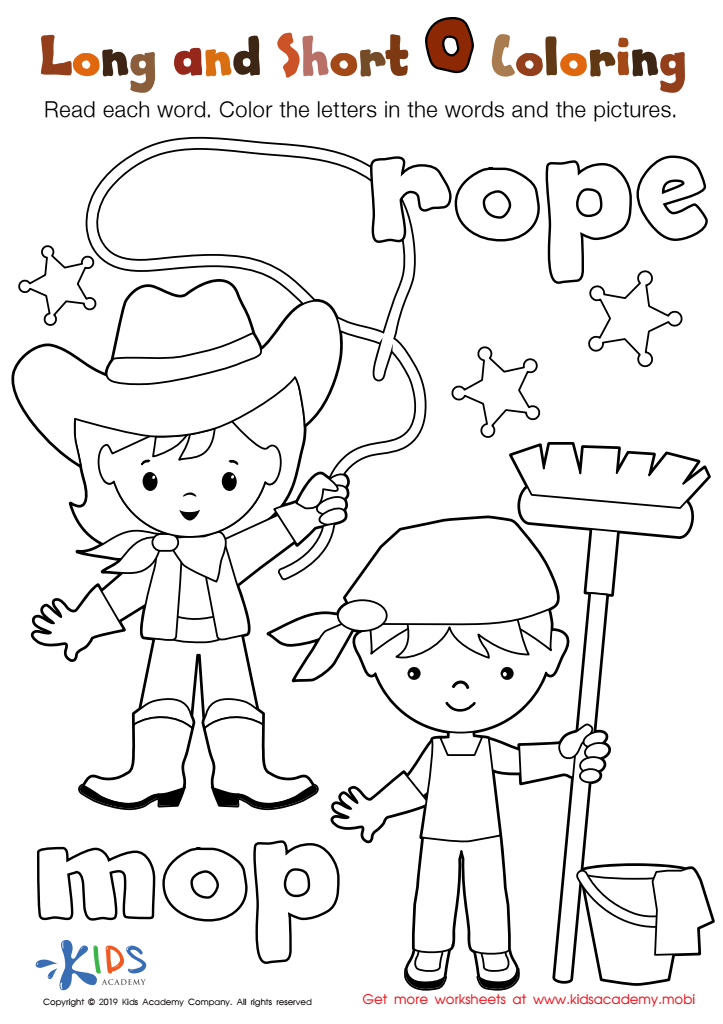
Long and Short O Worksheet
Assign to My Students




.jpg)

Phonics skills development is crucial for 4-year-olds as it lays the foundation for reading and writing proficiency. At this age, children are in a critical period of language development, making it vital for parents and teachers to engage them with alphabetic knowledge. Phonics teaches children the relationships between letters and sounds, enabling them to decode words, which is essential for literacy.
Early phonics exposure boosts children's confidence as they begin to recognize and manipulate sounds, fostering a love for reading. Children develop better comprehension skills when they can associate sounds with letters, as it aids in understanding the structure of language. Furthermore, phonics contributes to vocabulary expansion by encouraging kids to explore new words through sound patterns.
For parents and teachers, nurturing phonics skills promotes a seamless transition into formal schooling, reducing potential reading difficulties. Incorporating fun, interactive phonics activities—like singing songs, playing rhyming games, or reading aloud—encourages participation and excitement in learning. Ultimately, focusing on phonics at an early age helps create a strong literacy base, empowering children with essential skills that will benefit them throughout their educational journey and beyond. Therefore, supporting phonics development is essential for fostering lifelong readers and learners.







