Phonics understanding Alphabet Worksheets for 4-Year-Olds
3 filtered results
-
From - To
Discover our engaging phonics understanding alphabet worksheets designed specifically for 4-year-olds! Perfect for little learners, these worksheets help young children develop essential phonemic awareness through interactive activities and vibrant illustrations. As they explore the relationship between letters and sounds, kids will enhance their reading and writing skills in a fun and playful environment. Our carefully crafted resources promote early literacy and make learning enjoyable, ensuring children gain confidence in their abilities. With a variety of exercises tailored for different learning styles, our worksheets make phonics an exciting adventure that lays a strong foundation for lifelong learning. Start your child's phonics journey today!
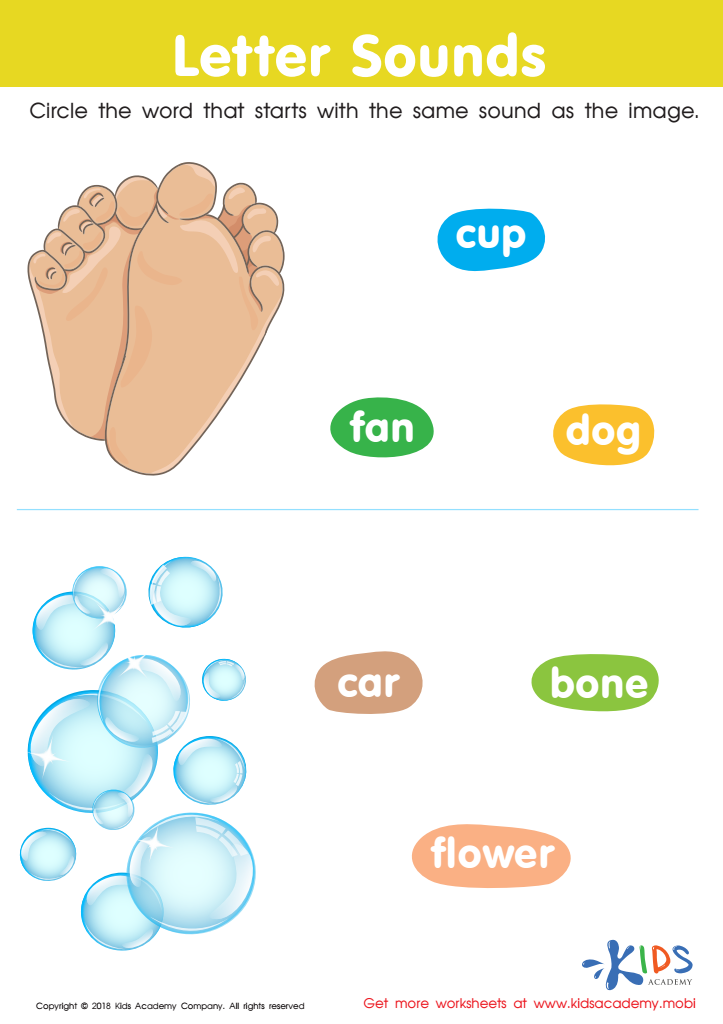
letter sounds Worksheet
 Assign to My Students
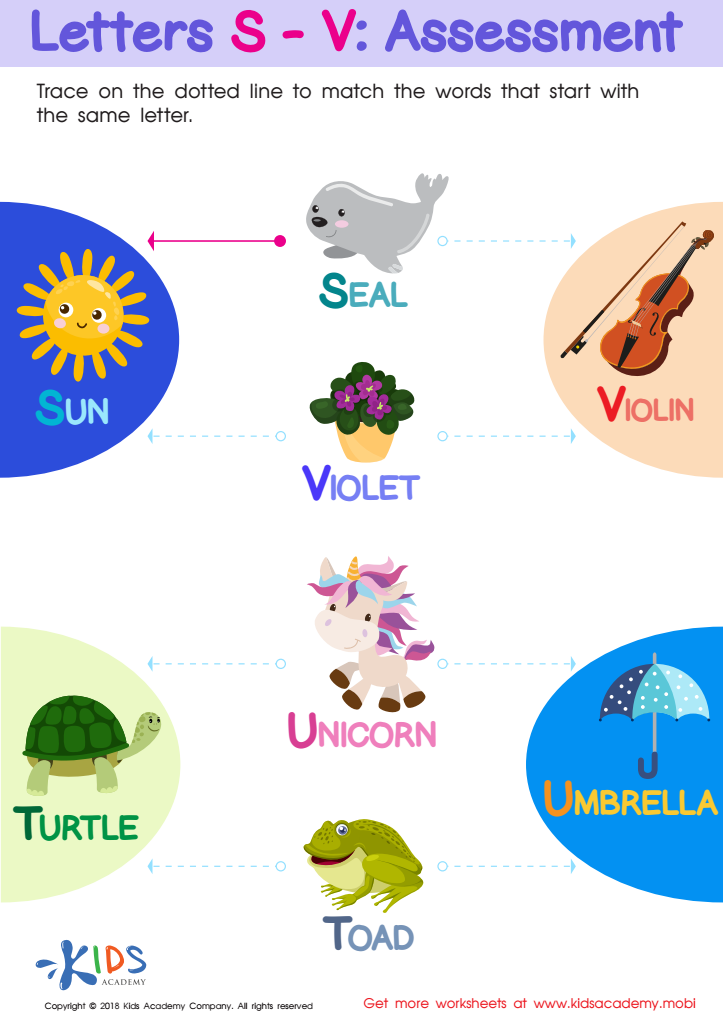
Letters S - V Tracing Worksheet
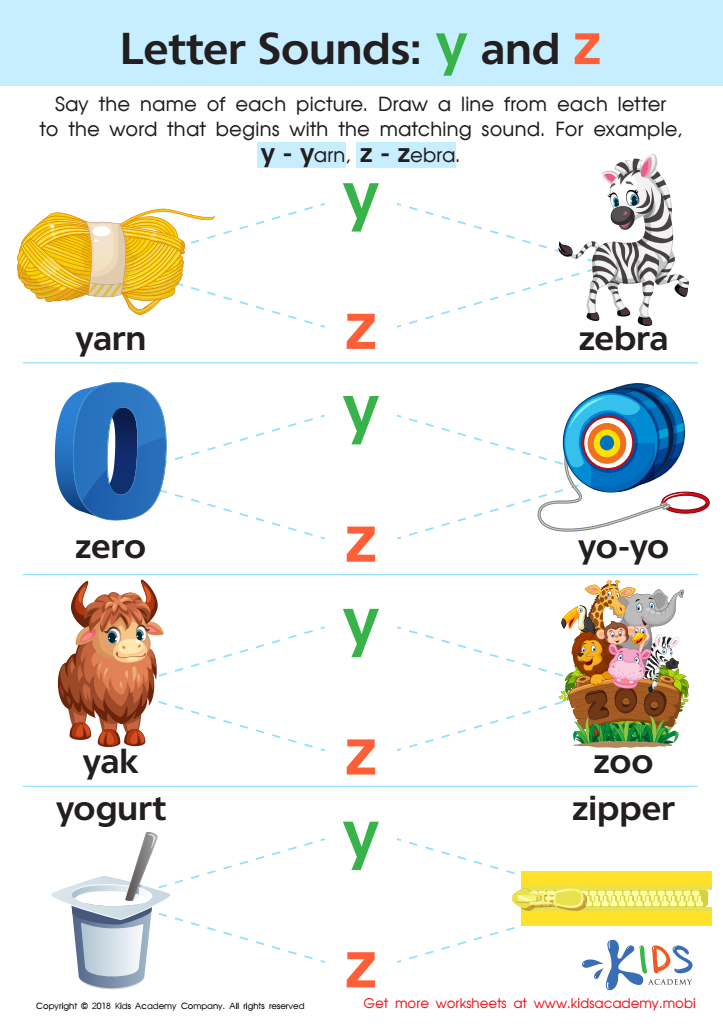
Letter Y and Z Sounds Worksheet







Phonics serves as a fundamental building block in early literacy, making it essential for parents and teachers to prioritize phonics understanding of the alphabet for 4-year-olds. Mastering phonics helps children connect sounds with letters, forming the basis for reading and writing. At this developmental stage, preschoolers are highly receptive to sound patterns, making it an ideal time to introduce phonetic concepts.
Early phonics exposure aids in vocabulary development and promotes strong listening skills. By recognizing letter sounds, children can decode words more effectively and gain confidence in their reading abilities. This confidence is crucial for their overall academic success, as strong readers are more likely to excel in other subjects.
Moreover, phonics instruction encourages critical thinking and problem-solving as children learn to blend and segment sounds. It fosters a love for literature by enabling children to understand and enjoy reading from an early age.
When parents and teachers work collaboratively to support phonics understanding, they lay a solid foundation for lifelong learning. Tracking a child’s progress in phonics can also provide insight into their overall development, helping adults identify any areas that may require additional support. Engaging children in phonics at this age sets them up for future literacy success.







