Shape Recognition Alphabet Worksheets for 4-Year-Olds
4 filtered results
-
From - To
Enhance your child's learning experience with our Shape Recognition Alphabet Worksheets designed specifically for 4-year-olds! These engaging worksheets combine shape recognition with early alphabet skills, making learning fun and interactive. Each activity encourages young learners to identify shapes while also familiarizing them with letters and sounds. Perfect for preschoolers, thesePrintable worksheets support cognitive development and improve fine motor skills through tracing and coloring exercises. Providing a foundation for future learning, they help develop essential skills in a playful and supportive environment. Explore our Shape Recognition Alphabet Worksheets today and inspire a love for learning in your child!
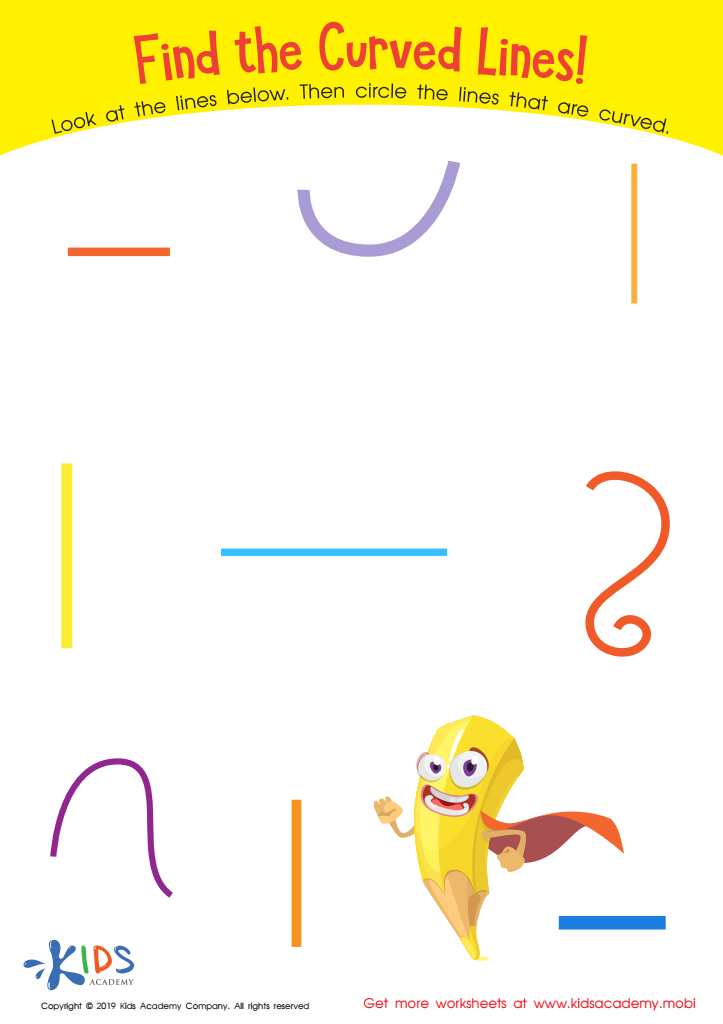
Find the Curved Lines! Worksheet
 Assign to My Students
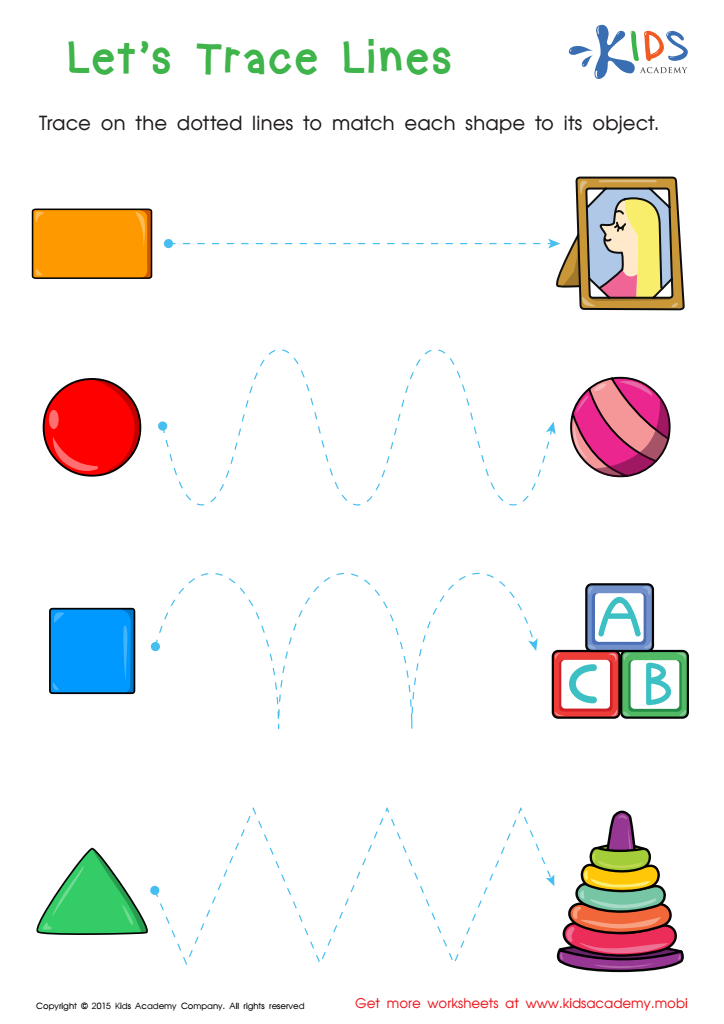
First Words: Let's Trace Lines Worksheet
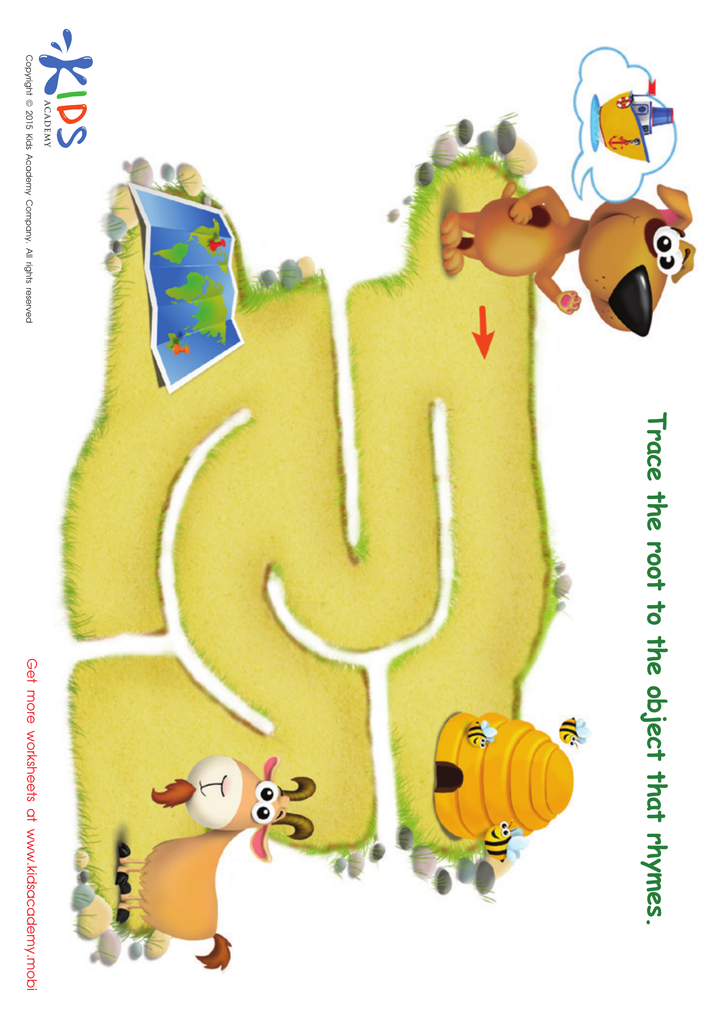
Boat Rhyming Words Worksheet
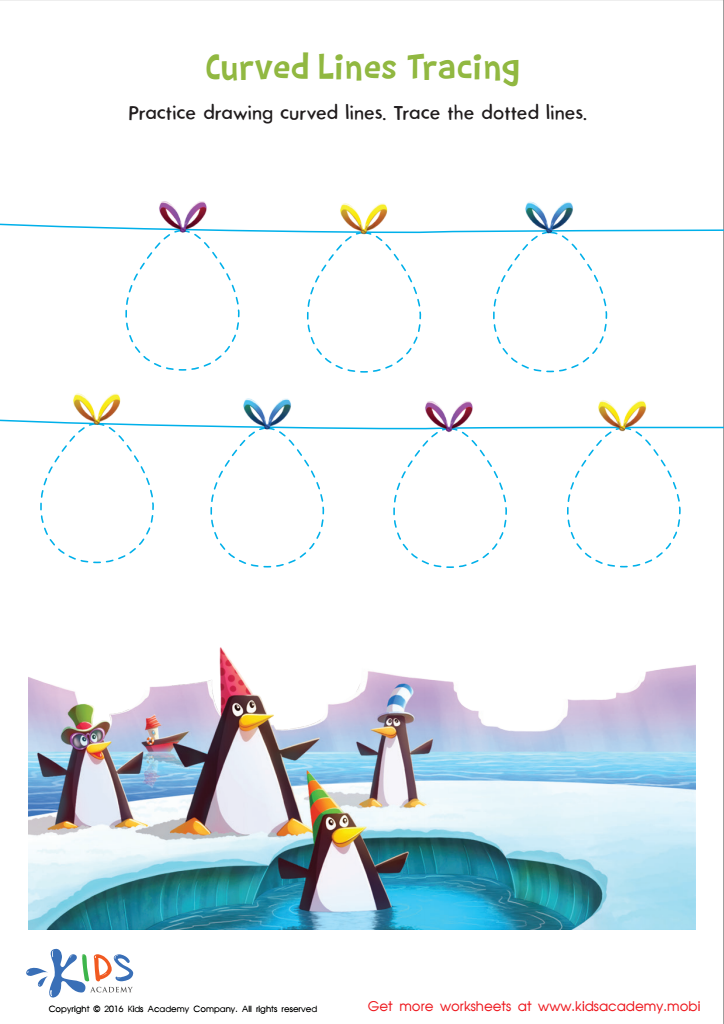
Curved Lines Tracing Worksheet








Shape recognition is a fundamental skill that lays the foundation for early math and problem-solving abilities. For 4-year-olds, understanding shapes goes beyond mere identification; it fosters cognitive development, encourages spatial awareness, and enhances critical thinking skills. When parents and teachers prioritize shape recognition, they are investing in a child's cognitive growth and learning potential.
By integrating shape recognition into play and learning activities, children begin to make connections between shapes and their real-world applications. This can be achieved through interactive games, art projects, and everyday discussions that encourage children to recognize and categorize shapes in their environment. For example, identifying circles in wheels, squares in windows, or triangles in rooftops promotes both learning and curiosity.
Moreover, shape recognition also plays a crucial role in literacy development. Understanding geometric shapes can enhance children's grasp of letters, as many alphabets are formed from basic shapes. In this way, parents and teachers who focus on shape activities can support a broader educational framework that includes reading and writing.
Ultimately, prioritizing shape recognition in early childhood education equips children with essential skills that will benefit them academically and socially as they grow. It is a vital stepping stone toward more complex learning and lifelong education.







