Fine Motor Skills Letter V Worksheets for 4-Year-Olds
4 filtered results
-
From - To
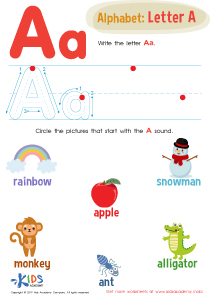
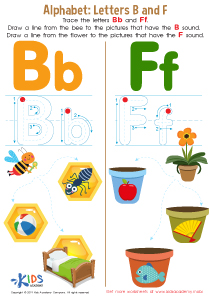
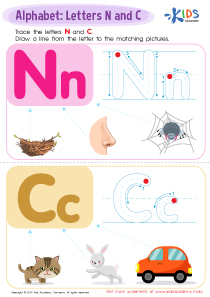
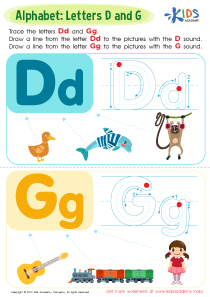
Enhance your child's fine motor skills with engaging Letter V worksheets, specially designed for 4-year-olds. These fun and educational worksheets from Kids Academy attract young learners with delightful activities that involve tracing, coloring, and cutting, all focused on the Letter V. Each exercise is crafted to improve coordination, dexterity, and pencil grip, making learning enjoyable and effective. Perfect for preschoolers, these printable resources incorporate playful themes and illustrations that capture kids' imaginations while reinforcing essential pre-writing skills. Foster your child's development and confidence with our expertly designed fine motor skills worksheets today!
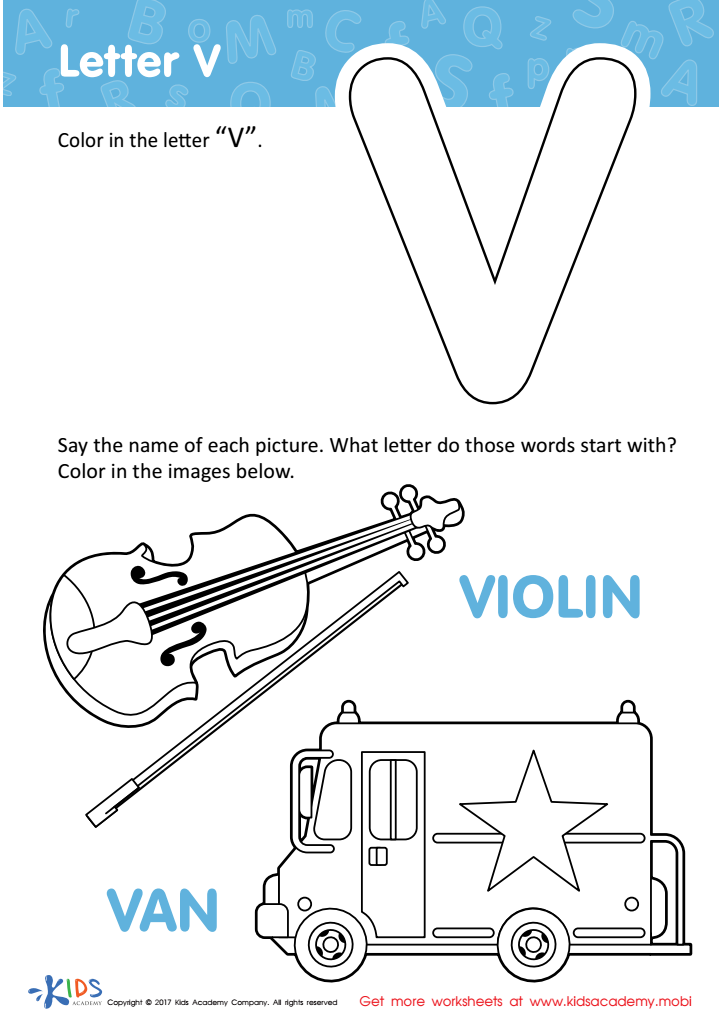
Letter V Coloring Sheet
 Assign to My Students
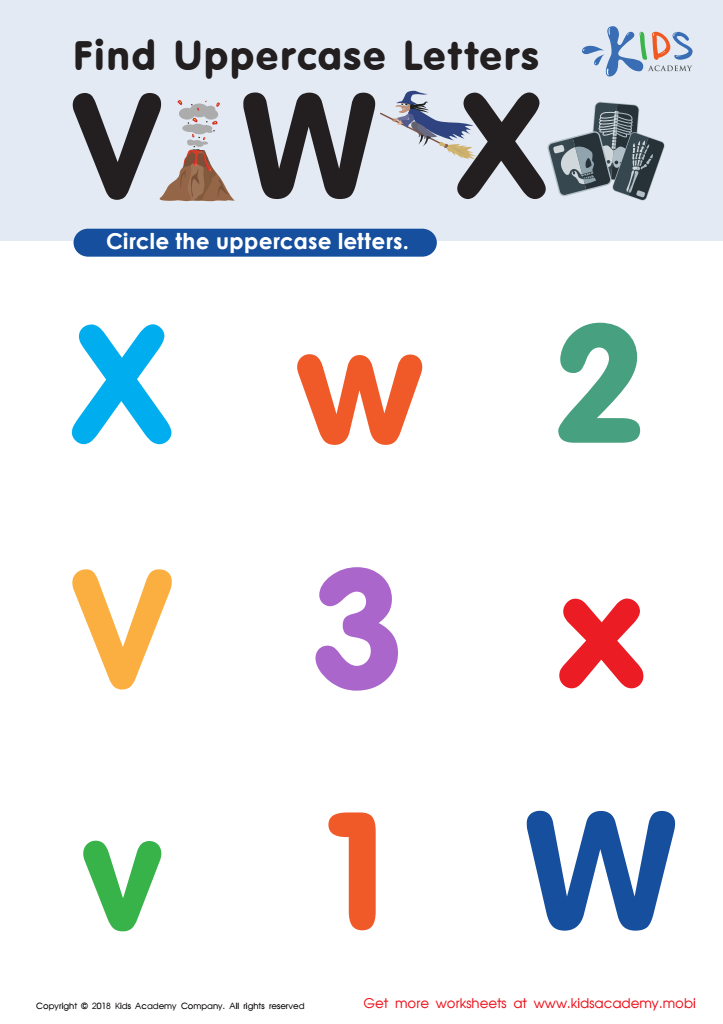
Find Uppercase Letters V, W, X Worksheet
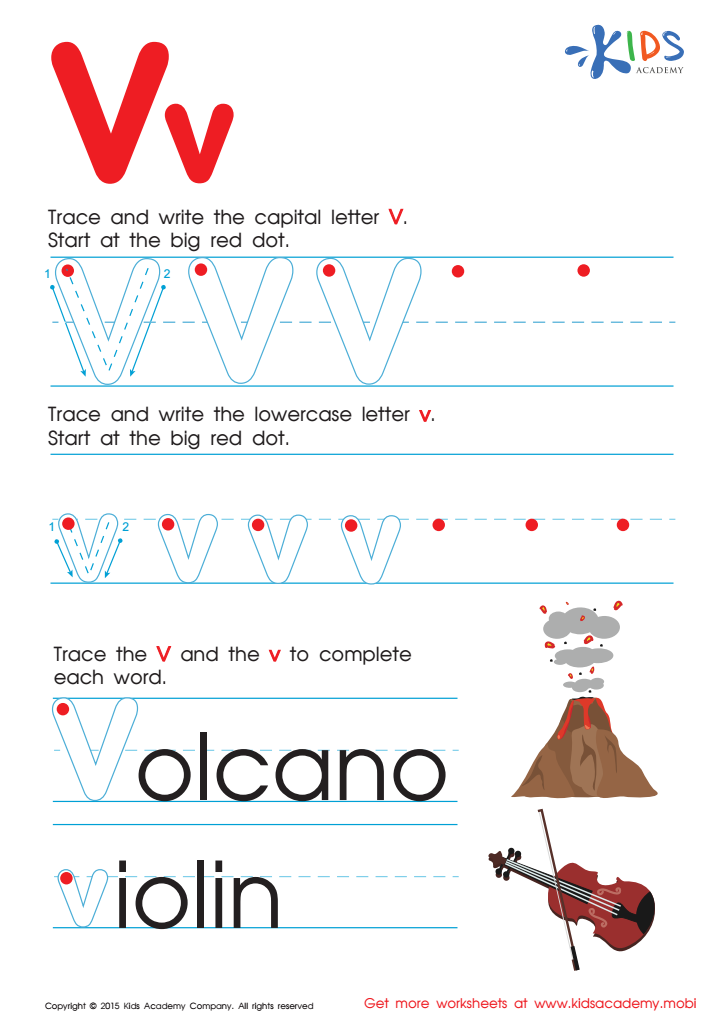
Letter V Tracing Page
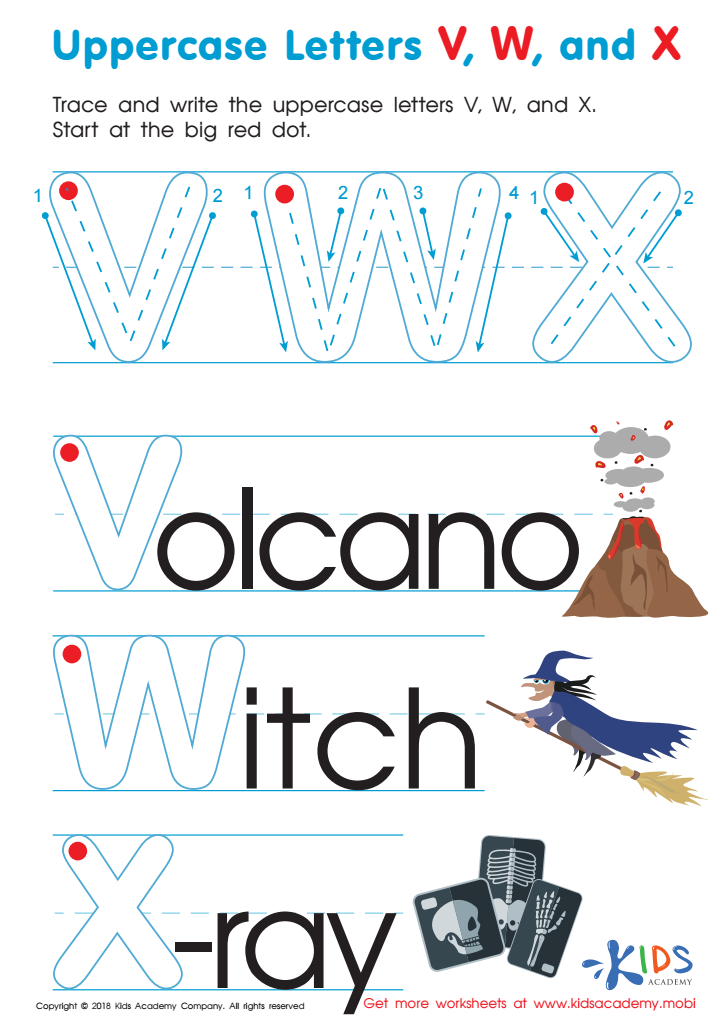
Uppercase Letters V, W, and X Worksheet




Fine motor skills are critical for young children's development because they form the foundation of many essential daily activities, and teaching the letter V can be particularly beneficial for 4-year-olds. Fine motor skills involve the coordination of small muscles in the hands and fingers, enabling actions such as writing, buttoning clothes, and using utensils.
When children practice forming the letter V, they engage in precise movements that strengthen these muscles and improve their dexterity. This activity helps in developing hand-eye coordination, control, and endurance. Tracing and writing the letter V requires children to follow specific patterns, promoting cognitive skills like attention to detail and spatial awareness. Moreover, fine motor activities lay the groundwork for academic success. The ability to write letters legibly and effectively contributes to literacy development, a key stepping stone for future educational achievement.
Focusing on the letter V can also enhance a child's growing confidence; mastering specific skills fosters a sense of accomplishment. Additionally, incorporating playful, hands-on activities such as using playdough or building blocks to form the letter can make learning engaging. Therefore, prioritizing the refinement of fine motor skills through tasks like letter writing is vital in a child's formative years, setting the stage for successful future learning and daily functioning.