Reading comprehension Long Vowels Worksheets for 4-Year-Olds
8 filtered results
Difficulty Level
Grade
Age
-
From - To
Subject
Activity
Standards
Enhance your child's reading skills with our specially designed Reading Comprehension Long Vowels Worksheets for 4-Year-Olds. These engaging, age-appropriate worksheets make learning long vowels fun and exciting. Focusing on early literacy skills, each worksheet features activities to help young learners recognize and practice long vowel sounds. Through interactive exercises, children can improve their pronunciation, vocabulary, and overall reading comprehension. Perfect for parents and educators, our worksheets support foundational language development and foster a love for reading from the start. Dive into a world of phonics-based learning with Kids Academy's top-quality resources!
Favorites
With answer key
Interactive
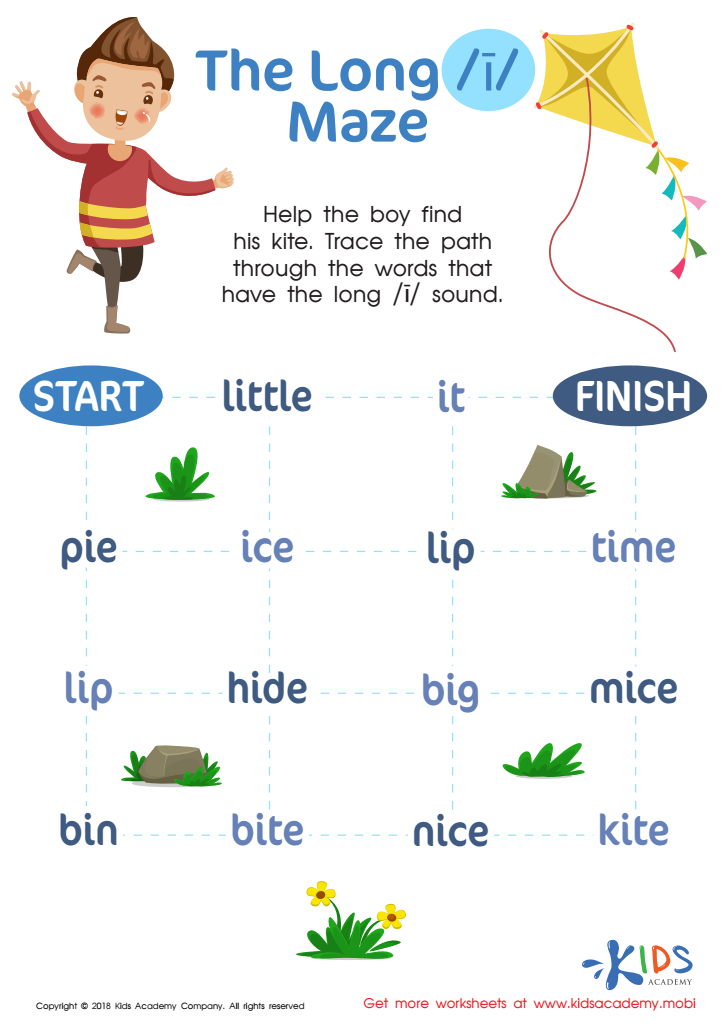
The Long I Maze Reading Worksheet
Help your child learn phonics to help them read. Show them the difference between long and short "i" sounds. Guide them as they use a pencil to trace words with the long "i:" sound in the "Help the Boy in the Picture" worksheet exercise. This will help them find the kite in the picture.
The Long I Maze Reading Worksheet
Worksheet
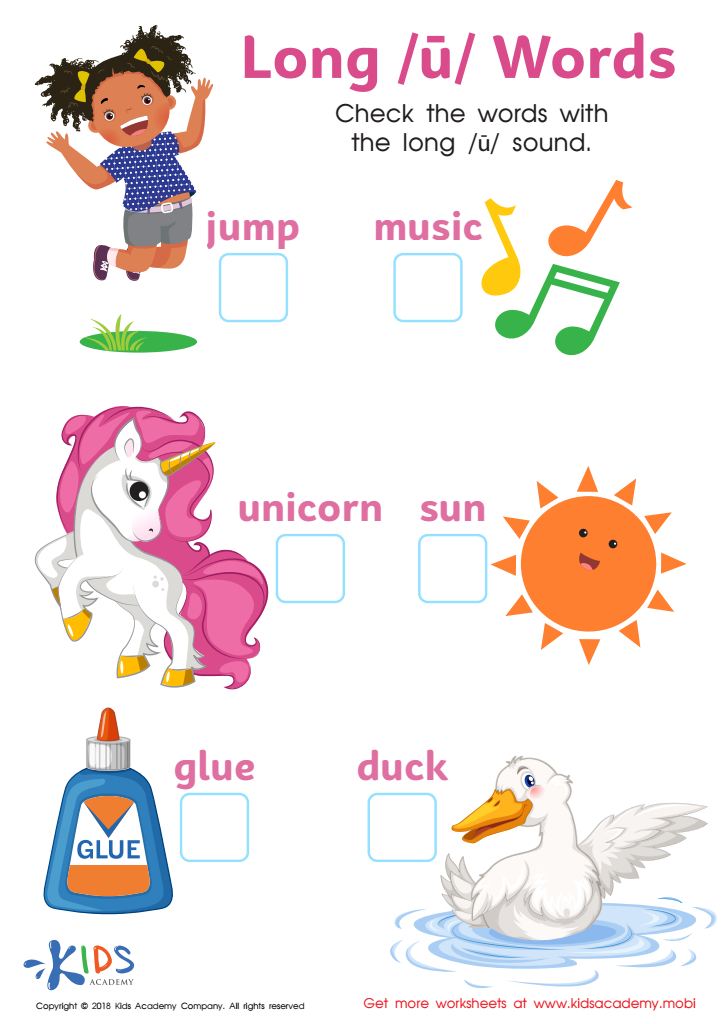
Long U Words Reading Worksheet
Emerging readers will love this free worksheet! It's a great way to practice distinguising between long and short vowel sounds, while identifying high-frequency words. They'll also get to develop fine motor skills and gain confidence in decoding and reading skills.
Long U Words Reading Worksheet
Worksheet
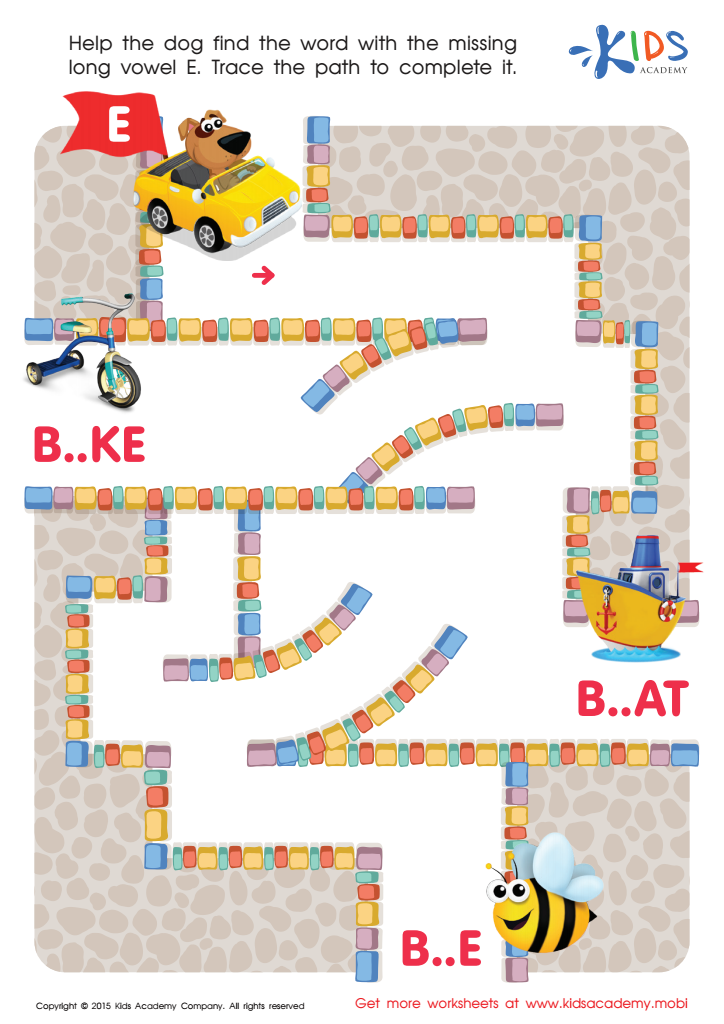
Long Vowel Sound E Worksheet
Practice distinguishing long and short vowel sound E with this free printable! Kids must complete the word “bee” by tracing the maze and adding the missing letter E. Remind them to say the word aloud to help sharpen their phonics ear. Get more phonics fun with the vowel sound E here.
Long Vowel Sound E Worksheet
Worksheet
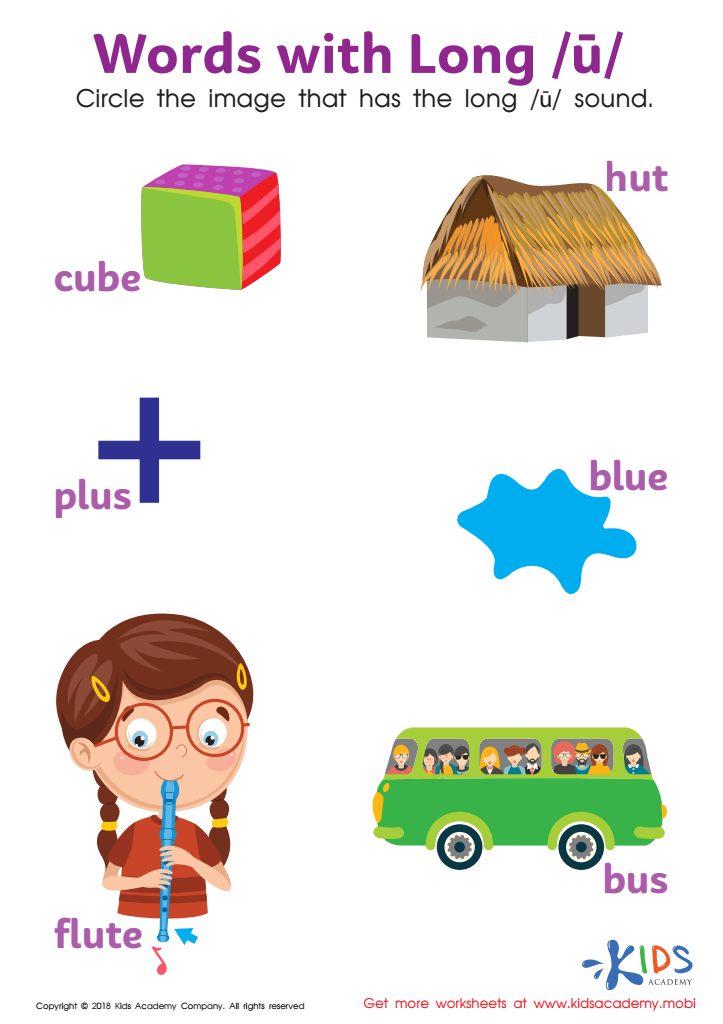
Words with Long U Reading Worksheet
Help your new reader master vowel recognition with this fun worksheet. By using picture clues and practicing fine motor skills, they'll learn to differentiate between words with the long and short «u» sound. Your learner will also get to practice vowel discrimination in high-frequency words. It's a great way to learn the importance of vowels in reading!
Words with Long U Reading Worksheet
Worksheet

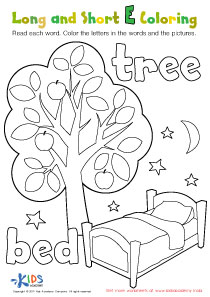
Long and Short E Worksheet
This fun printout makes learning phonics enjoyable for Grade 3 students. Get them to read the words “tree” and “bed” to recognize the different sounds of the letter “E”. After hearing the words they can color the words and the pictures to understand differences between long and short vowels.
Download (PDF)
 Assign to My Students
Assign to My Students
Long and Short E Worksheet
Worksheet
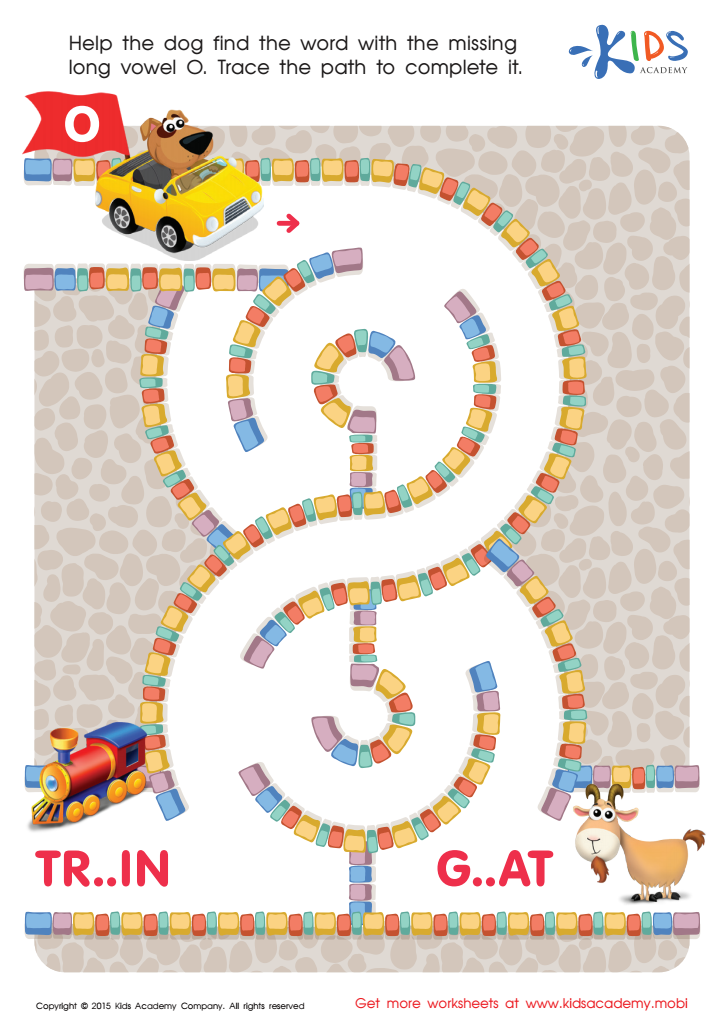
Long Vowel Sound O Worksheet
Help the goat find her missing O! Guide your little learner through this fun maze to help the goat get its vowel sound back. Make phonics learning engaging and enjoyable with this free printable worksheet.
Long Vowel Sound O Worksheet
Worksheet
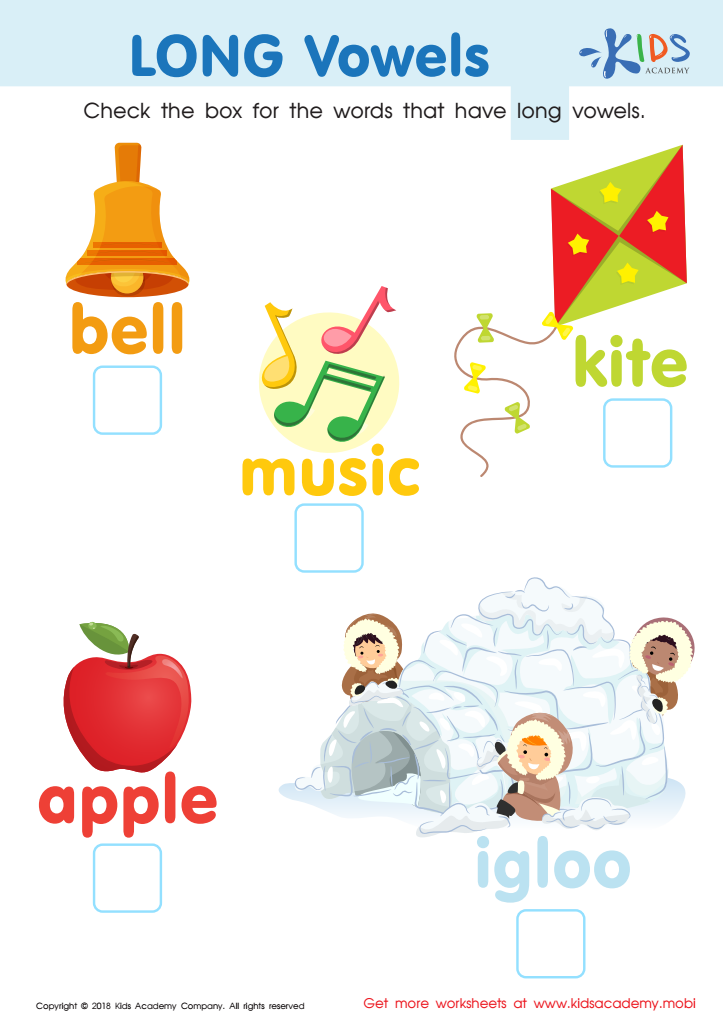
long vowels Worksheet
Have your early learner identify long vowels with this quick review. Ask them to name each picture aloud and listen out for the long vowel sounds to separate them from the shorter ones. Circle the ones that are long! Watch out for words with two vowels - they can be tricky!
long vowels Worksheet
Worksheet
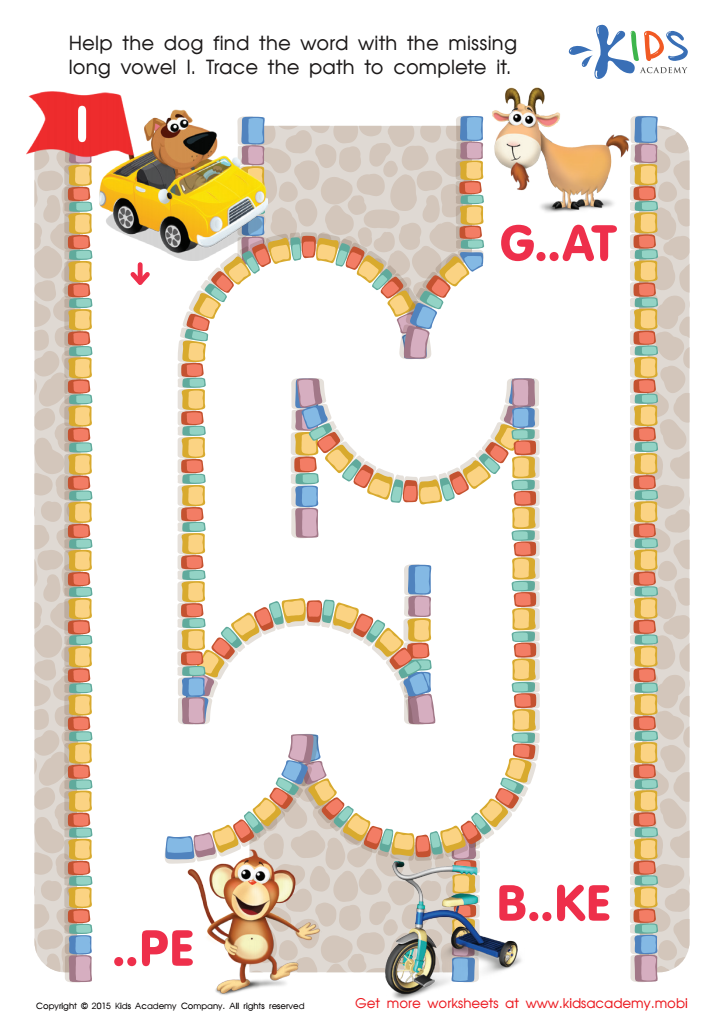
Long Vowel Sound I Worksheet
Learning long vowels is essential to becoming a good reader. Ask your child to distinguish between the long and short I vowel sounds. Remind them that the long I says its name, while the short I doesn't. With this fun printable phonics worksheet, your kid can practice writing and spelling while helping a dog find his way through a maze. Check out our phonics worksheets for more learning activities.
Long Vowel Sound I Worksheet
Worksheet
Join Kids Academy for Free
Who is primarily going to use this learning content?



Reading comprehension and long vowels are foundational elements in early literacy that parents and teachers should prioritize for 4-year-olds. At this age, children are like sponges; their brains are highly receptive to new information. Teaching long vowels provides them with essential phonetic building blocks that contribute significantly to their ability to read fluently.
Understanding long vowels enhances a child's decoding skills, enabling them to accurately pronounce and understand words. This is crucial for reading comprehension, or the ability to understand and derive meaning from text. When children recognize and correctly pronounce long vowels, they are more likely to grasp the content they read, making reading a more enjoyable and rewarding experience.
Moreover, well-developed reading comprehension skills benefit children beyond literacy. They improve learning in all subjects, foster critical and analytical thinking, and build confidence. By engaging with stories and informational texts, children also enhance their vocabulary and grasp of sentence structure, aiding both spoken and written communication.
Thus, parents and teachers should focus on reading comprehension and long vowels to set a solid foundation for lifelong learning and success in school and beyond. By investing time and resources now, they support children's intellectual growth, emotional well-being, and future academic achievements.