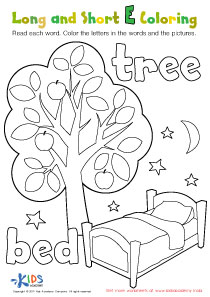
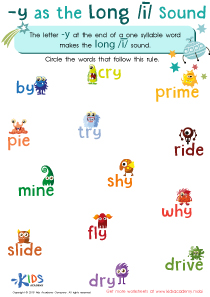
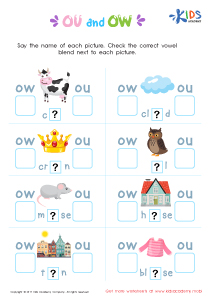
Vocabulary expansion Long Vowels Worksheets for 4-Year-Olds
5 filtered results
-
From - To
Explore our engaging Vocabulary Expansion Long Vowels Worksheets designed specifically for 4-year-olds! Tailored to enhance early literacy skills, these worksheets introduce young learners to phonetic sounds and help them identify and use long vowel words effectively. Through vibrant illustrations and interactive activities, children can practice recognizing, writing, and expanding their vocabulary in a fun and playful manner. Our curriculum-aligned resources support early childhood development by making learning enjoyable and accessible. Foster a love for language as your child discovers the magic of long vowel sounds! Perfect for parents and teachers alike, these worksheets are a great addition to any early learning program.
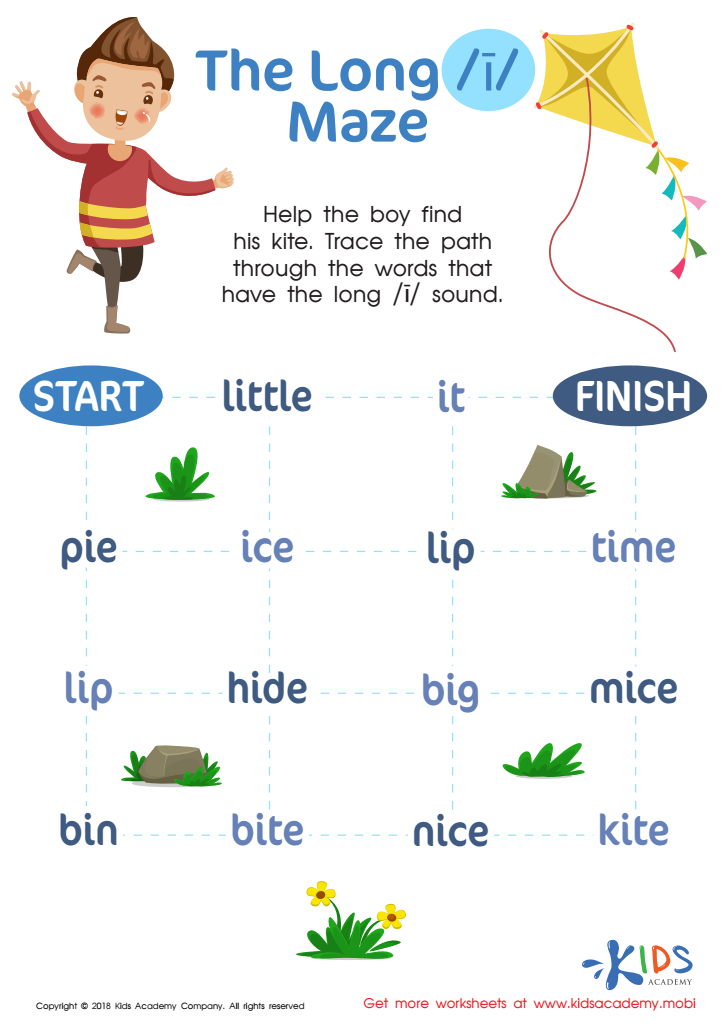
The Long I Maze Reading Worksheet
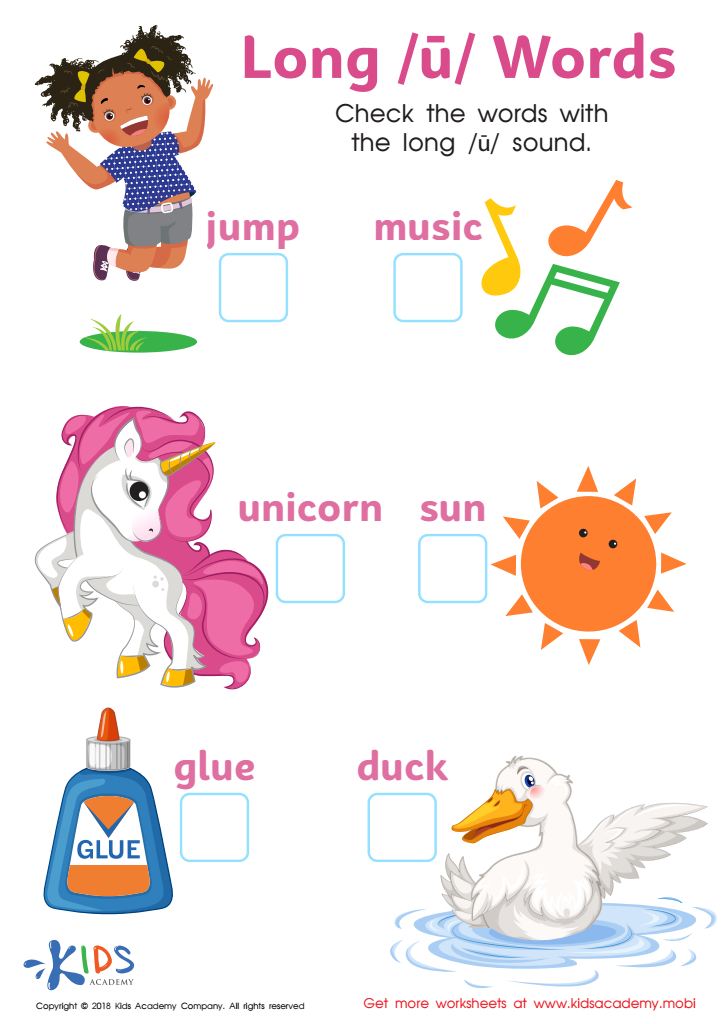
Long U Words Reading Worksheet
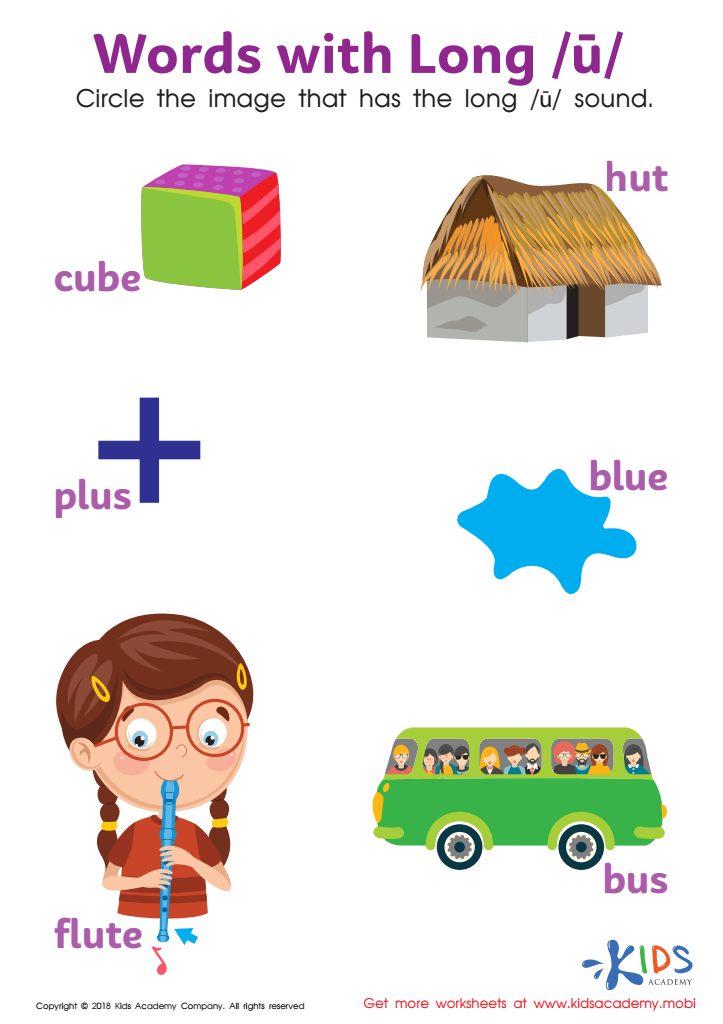
Words with Long U Reading Worksheet

Long and Short U Worksheet
 Assign to My Students
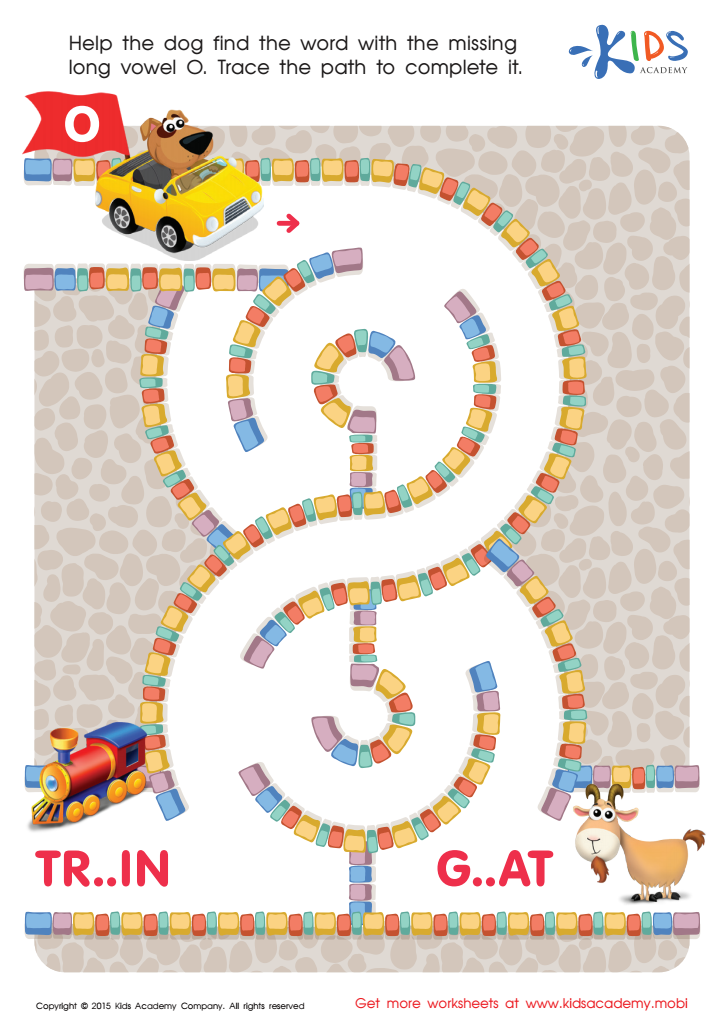
Long Vowel Sound O Worksheet



Vocabulary expansion, particularly focusing on long vowels, is crucial for 4-year-olds as it lays the foundation for future literacy skills. At this age, children are intensely curious and absorb language rapidly. Encouraging their understanding of long vowels—like the sounds in “cake,” “bike,” or “boat”—helps enhance their phonemic awareness. This phonemic awareness is essential as it allows children to manipulate sounds in words, a skill they will utilize when learning to read and write.
Moreover, a strong vocabulary improves comprehension. When children can recognize and produce words with long vowel sounds, they develop the confidence to engage in conversations and express their ideas more clearly. This skill promotes social interactions and encourages a love for storytelling and literature.
Engaging in activities that support long vowel sounds, such as singing songs, reading stories with rhyming words, and playing word games, makes learning enjoyable and effective. When parents and teachers actively participate in this process, they not only set children up for academic success but also create a lifelong love for learning and language. Ultimately, focusing on vocabulary expansion in early childhood fosters better communication skills, cognitive development, and a positive self-image in young learners.