Vowel Recognition Long Vowels Worksheets for 4-Year-Olds
4 filtered results
Difficulty Level
Grade
Age
-
From - To
Subject
Activity
Standards
Explore our engaging Long Vowel Recognition Worksheets designed specifically for 4-year-olds! Our interactive activities help young learners identify and understand long vowels in a fun and captivating way. These worksheets feature colorful images, vibrant designs, and simple exercises to keep little minds intrigued while developing essential literacy skills. With our carefully crafted resources, children will practice vowel sounds through tracing, matching, and completing tasks that reinforce their learning. Perfect for both classroom and home use, our long vowel worksheets provide a strong foundation for early reading success. Join us in making learning joyful and effective with these essential vowel recognition activities!
Favorites
With answer key
Interactive
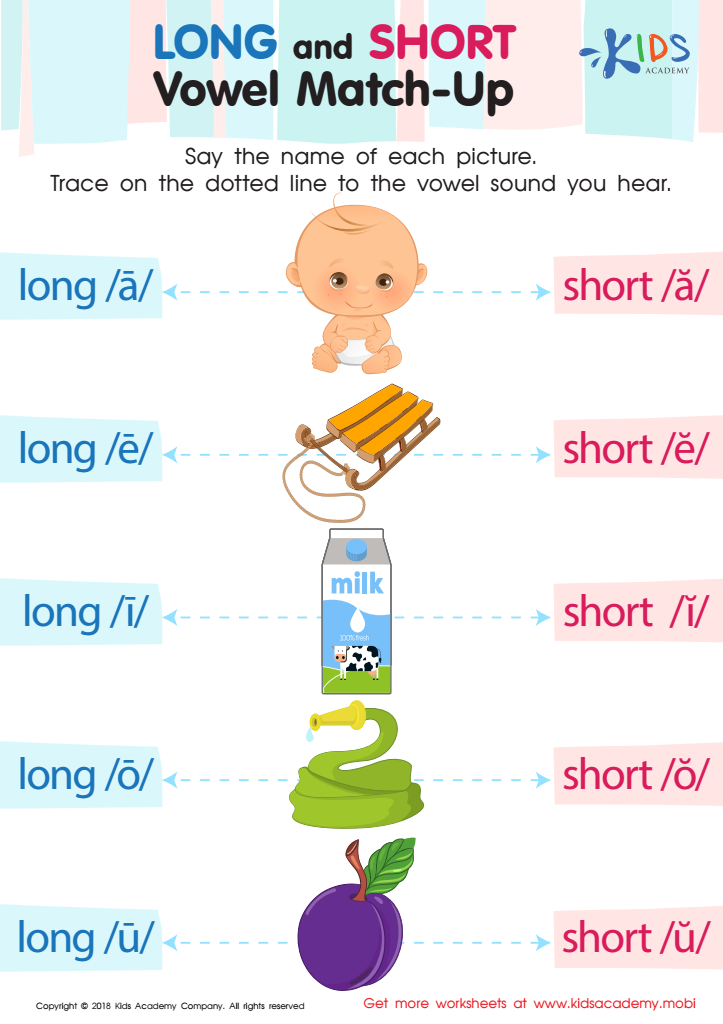
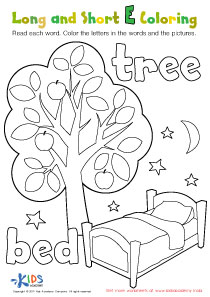
Long and Short Vowel Match up Reading Worksheet
Help your reader build confidence and refine their decoding skills! This worksheet combines long and short vowel recognition with a traceable component to improve fine motor skills. Your learner will name each picture and trace the dotted lines to get to the correct vowel sounds.
 Assign to My Students
Long and Short Vowel Match up Reading Worksheet
Worksheet
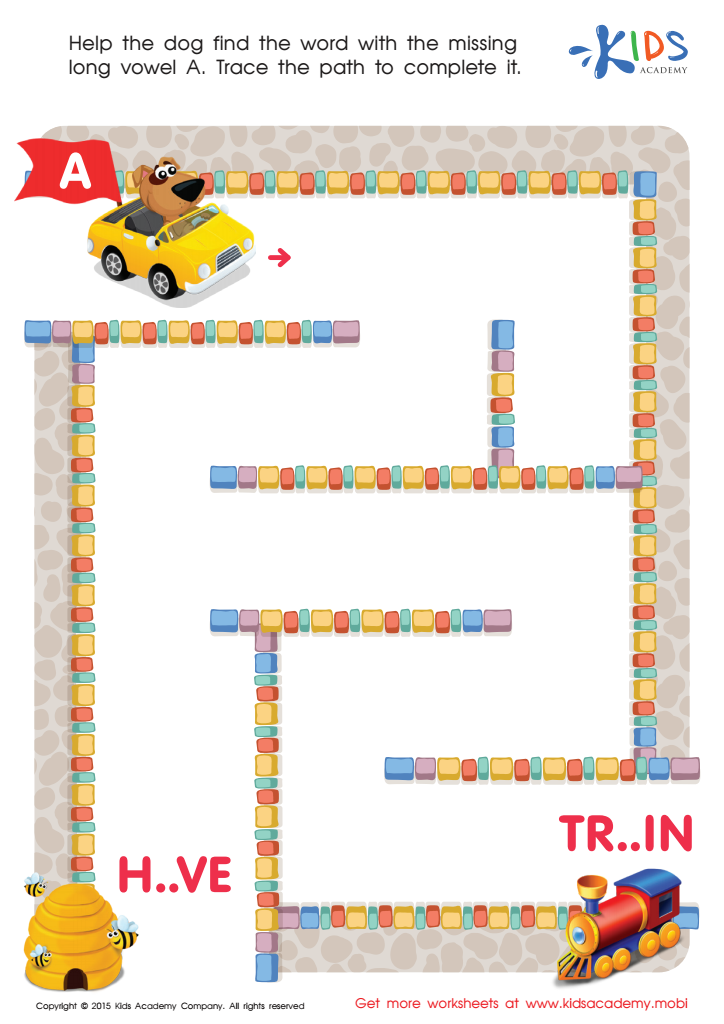
Long Vowel Sound A Worksheet
Teach your young learner about the long vowel A with this colorful free printable phonics worksheet. The long vowel A says its name while the short vowel A does not. Complete the worksheet by tracing the root to the toy train and helping the dog by filling in the missing letter A. Have them practice writing and spelling with phonics while having fun!
Long Vowel Sound A Worksheet
Worksheet
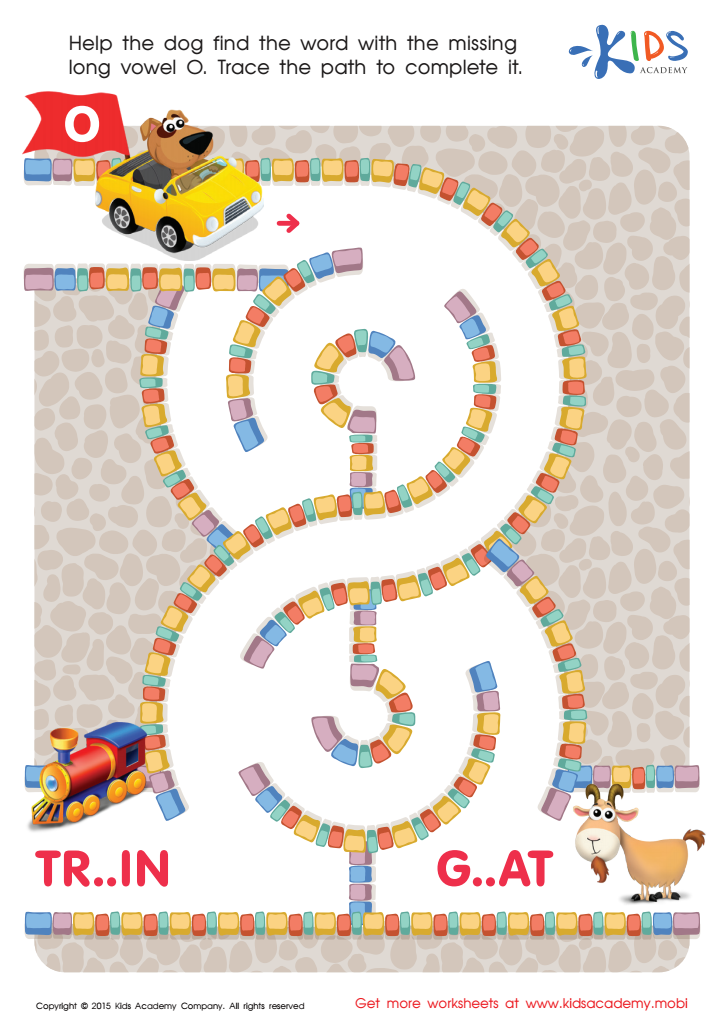
Long Vowel Sound O Worksheet
Help the goat find her missing O! Guide your little learner through this fun maze to help the goat get its vowel sound back. Make phonics learning engaging and enjoyable with this free printable worksheet.
Long Vowel Sound O Worksheet
Worksheet
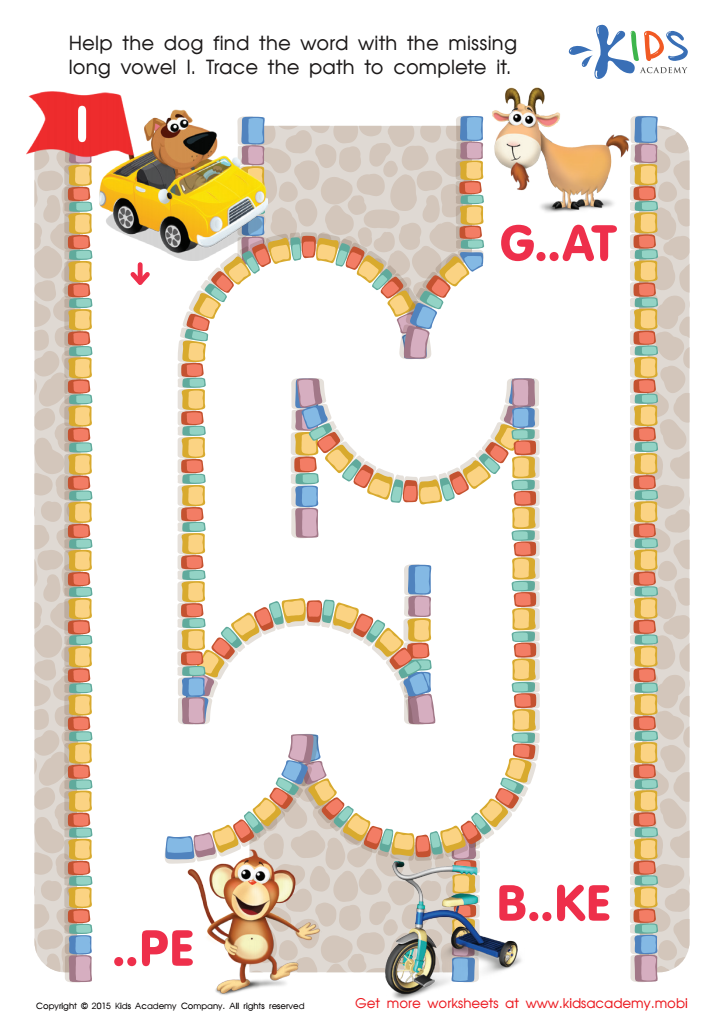
Long Vowel Sound I Worksheet
Learning long vowels is essential to becoming a good reader. Ask your child to distinguish between the long and short I vowel sounds. Remind them that the long I says its name, while the short I doesn't. With this fun printable phonics worksheet, your kid can practice writing and spelling while helping a dog find his way through a maze. Check out our phonics worksheets for more learning activities.
Long Vowel Sound I Worksheet
Worksheet
Join Kids Academy for Free
Who is primarily going to use this learning content?



Vowel recognition, particularly long vowels, is a critical milestone in early literacy development for 4-year-olds. Understanding long vowels helps young children develop phonemic awareness, which is essential for reading and spelling. When parents and teachers prioritize vowel recognition, they equip children with a foundational skill that enhances their ability to decode words later on.
Long vowels often signal a deeper understanding of phonics, as they demonstrate a child’s ability to recognize patterns and apply their knowledge in various contexts. This understanding fosters confidence in reading and promotes a lifelong love for literature. Early exposure to long vowel sounds empowers children to explore word formation, enhancing their vocabulary and grammar skills.
Moreover, engaging with long vowels through songs, games, and storytelling creates a fun learning environment. This playful approach captivates young learners, making it less intimidating to delve into language concepts. Recognizing long vowels also aids in writing, allowing children to construct sentences with greater complexity.
Ultimately, investing time in teaching vowel recognition—especially long vowels—prepares 4-year-olds for future academic success, paving the way for safe, capable readers and writers. Parents and teachers play a pivotal role in nurturing these skills, fostering a generation of enthusiastic learners.