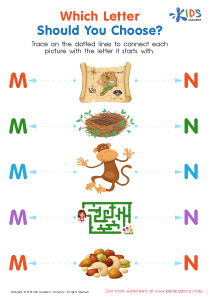
Letter recognition Lowercase/Small Letters Worksheets for 4-Year-Olds
11 filtered results
-
From - To
Enhance your preschooler's learning experience with our engaging lowercase/small letters worksheets designed for 4-year-olds! These fun and interactive activities focus on letter recognition skills, helping your child identify and familiarize themselves with the alphabet. Each worksheet features colorful illustrations and engaging exercises, making learning enjoyable while developing fine motor skills. Perfect for home or classroom use, these resources support early literacy and aid in preparing young learners for reading and writing. Explore a variety of activities, from tracing to matching and coloring, fostering a love for learning in the process. Start your child's letter recognition journey today!
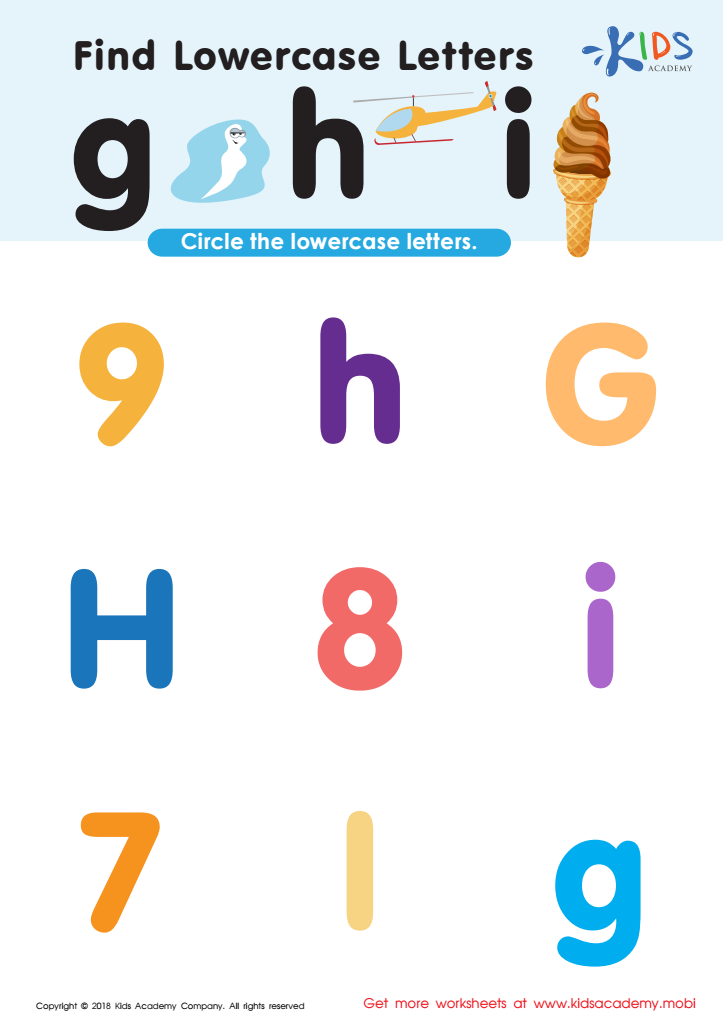
Find Lowercase Letters g h i Worksheet
 Assign to My Students
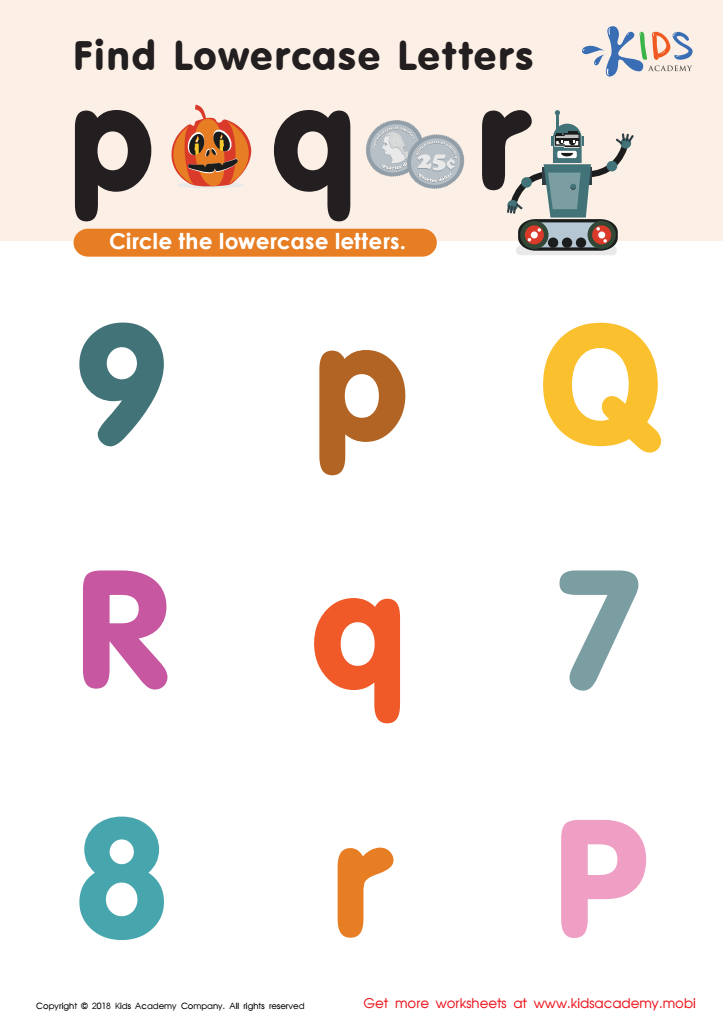
Find lowercase Letters p q r Worksheet
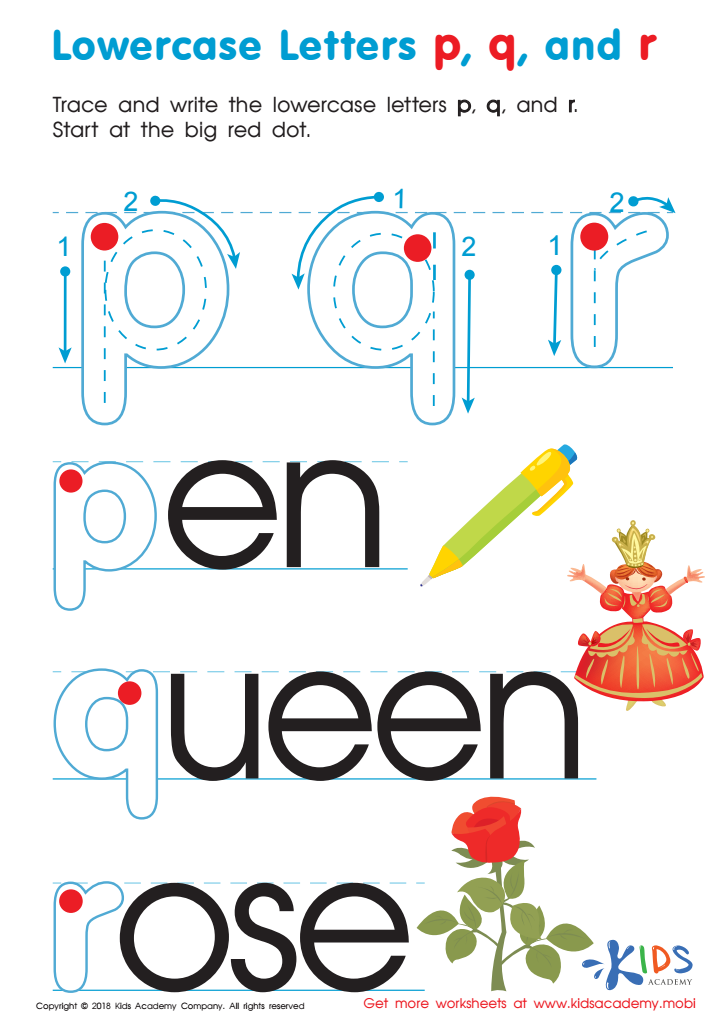
Lowercase Letters p q r Worksheet
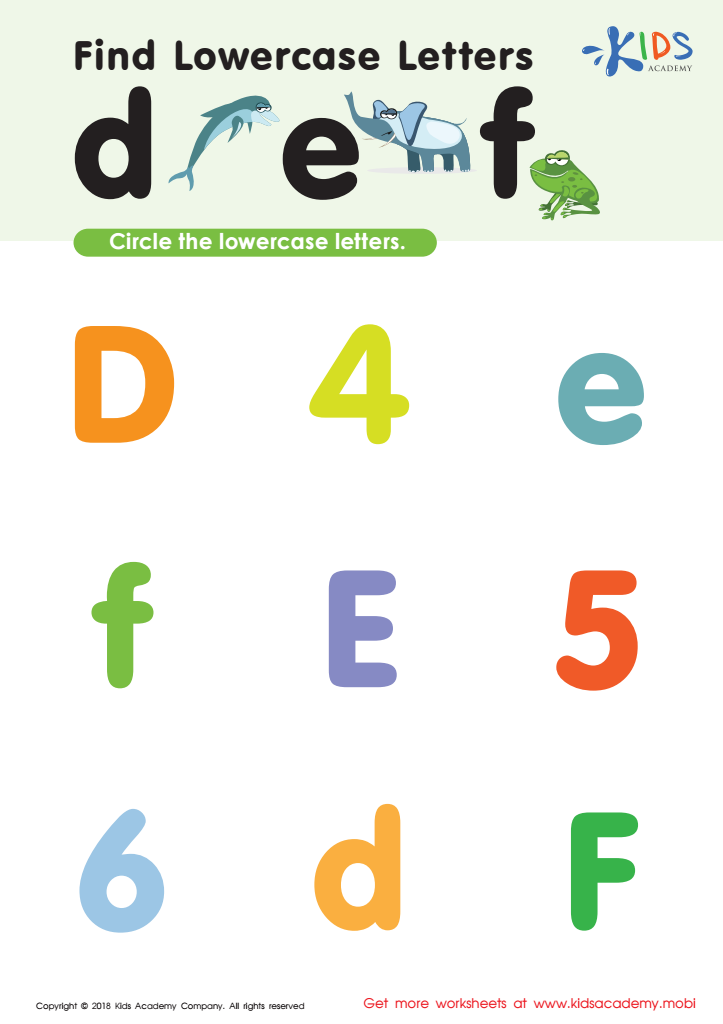
Find Lowercase Letters d e f Worksheet
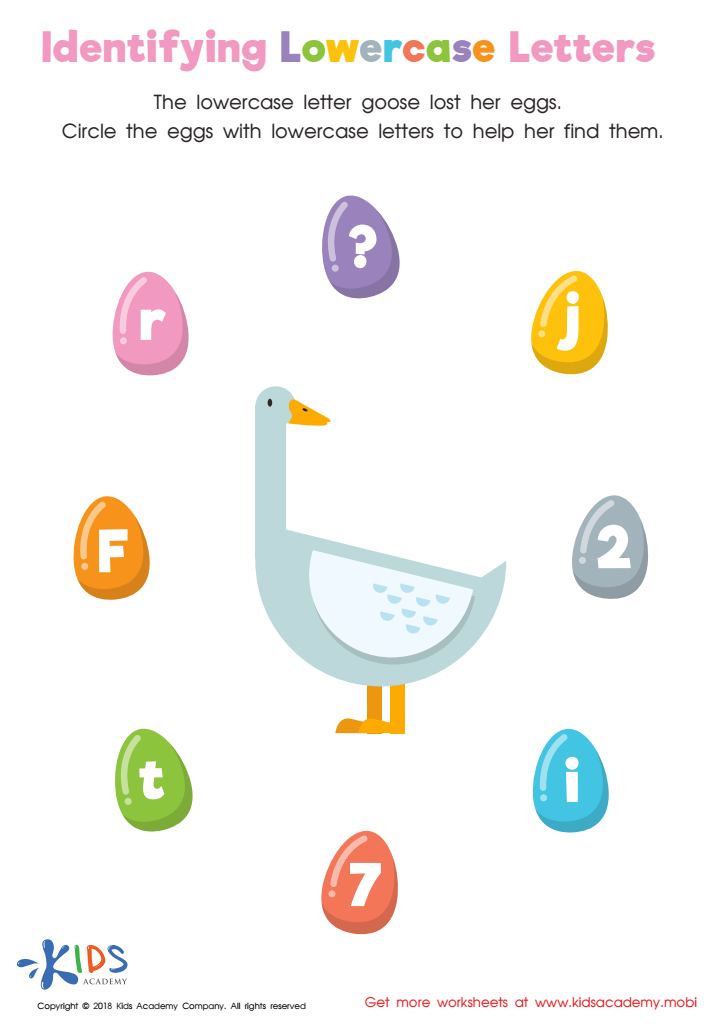
Identifying Lowercase Letters Worksheet
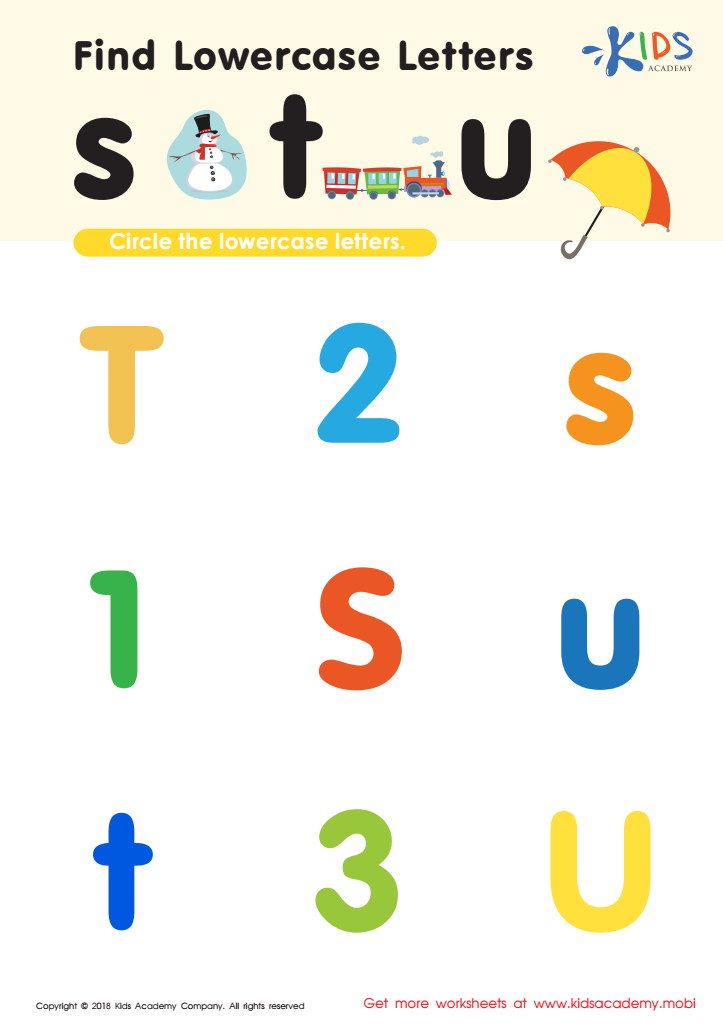
Find lowercase Letters s t u Worksheet
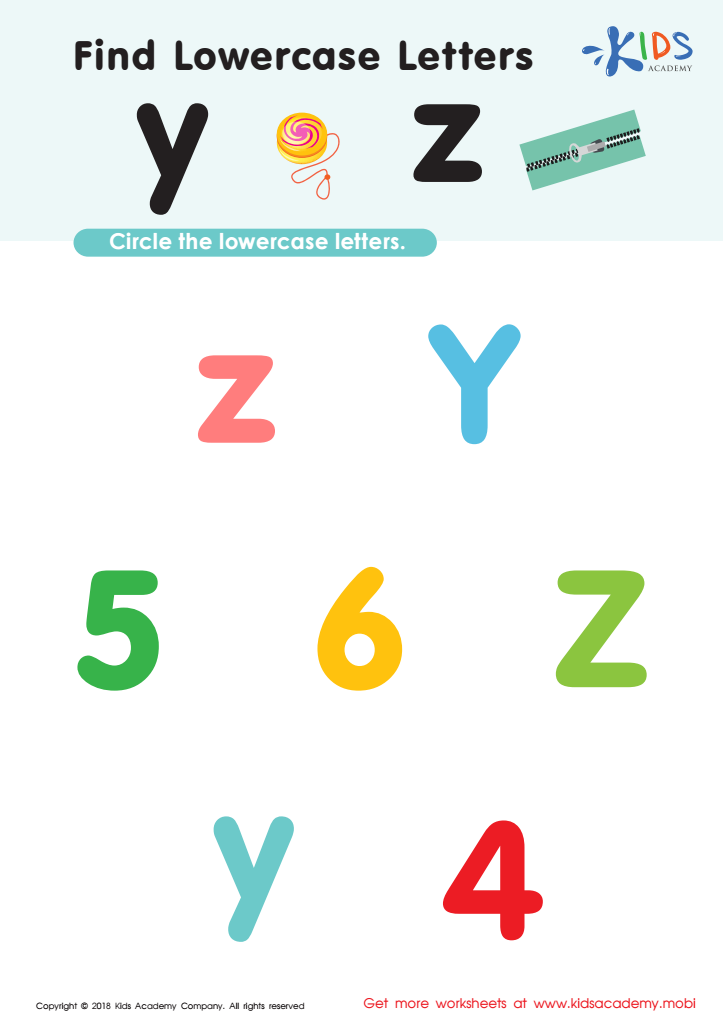
Find Lowercase Letters y z Worksheet
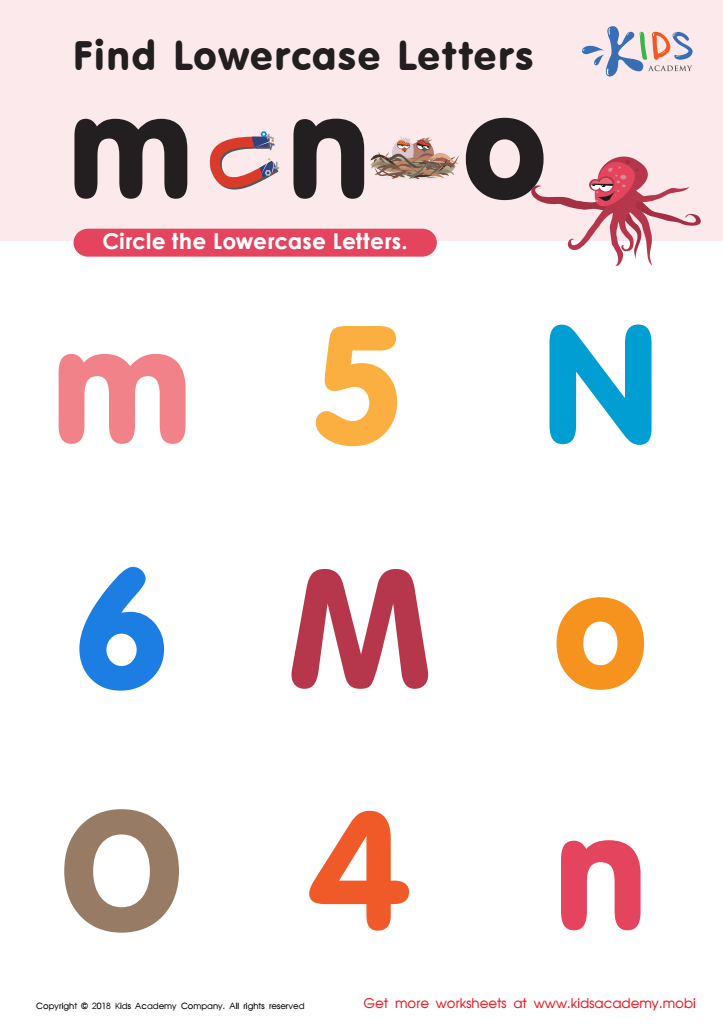
Find Lowercase Letters m n o Worksheet
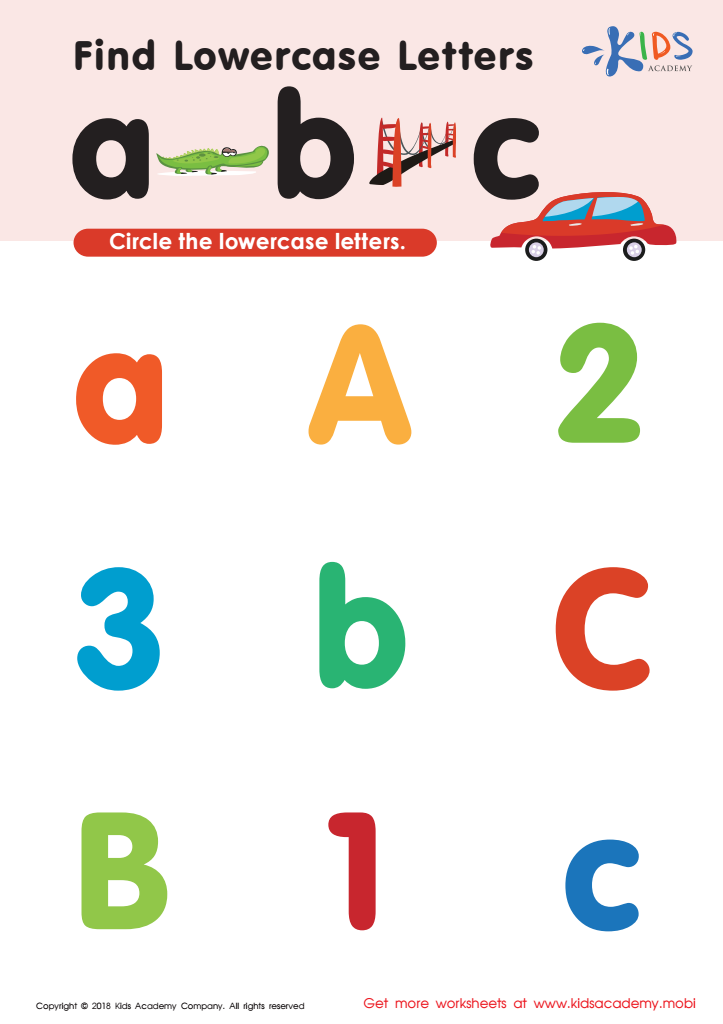
Find lowercase letters a b c Worksheet
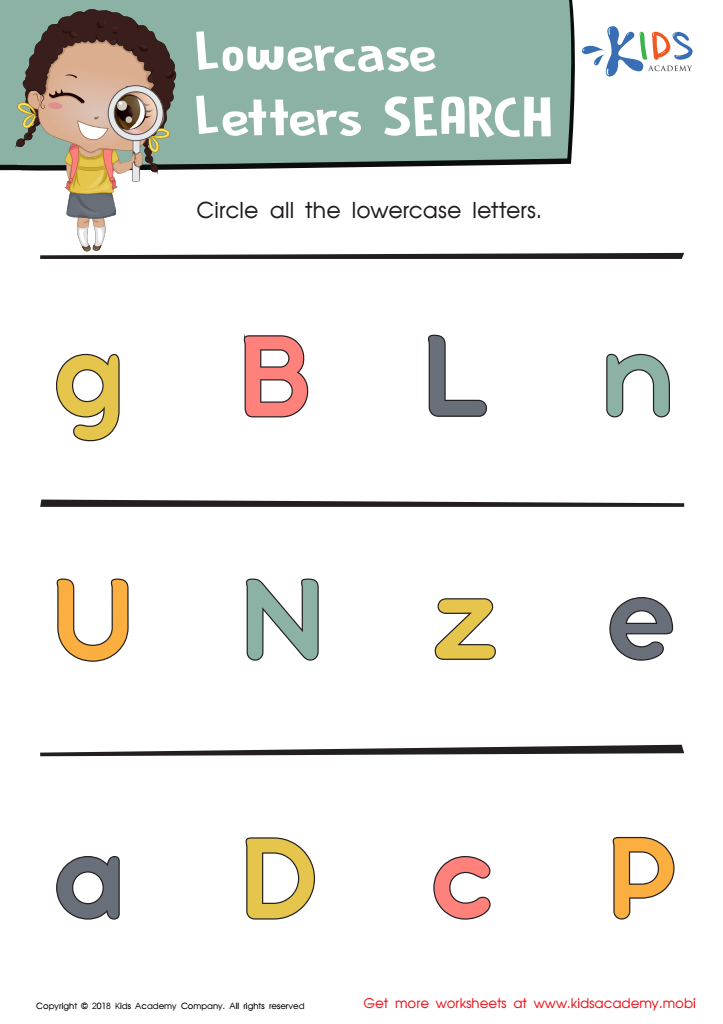
Lowercase Letters Search: Assessment Worksheet
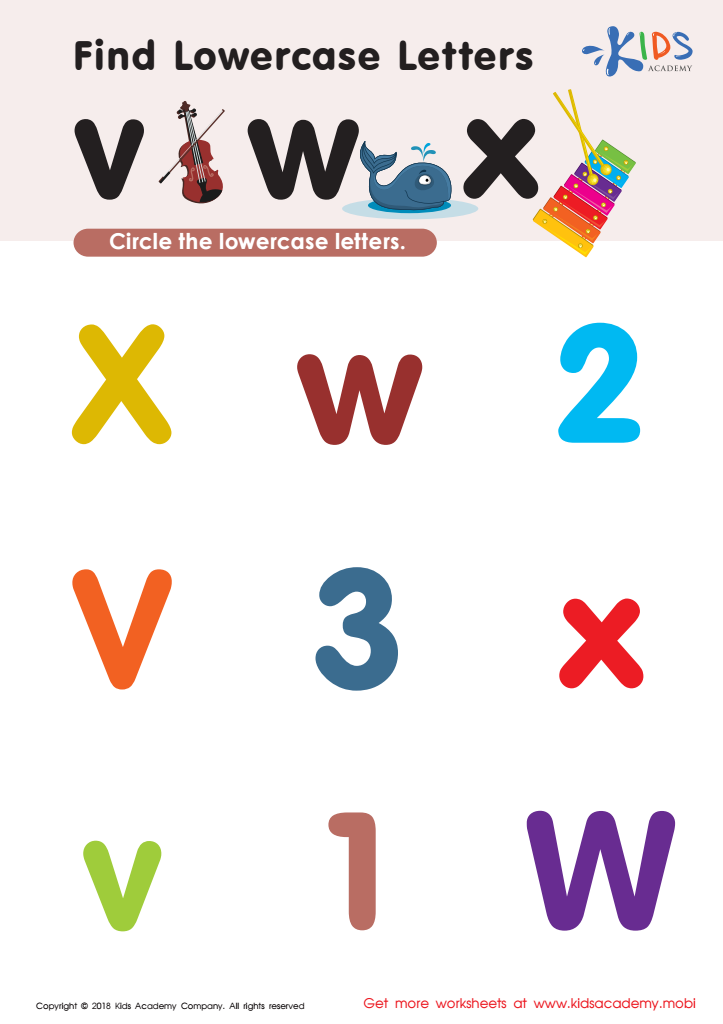
Find Lowercase Letters v w x Worksheet


Letter recognition, particularly lowercase or small letters, is a foundational skill in early literacy development for 4-year-olds. Understanding lowercase letters is crucial as they comprise the majority of written texts children will encounter daily, including books, signs, and labels. Conversely, many frequently used words, such as "a," "is," and "the," appear primarily in lowercase. When children become proficient in recognizing these letters, they are better equipped to read and write, fostering their confidence and interest in literacy.
Parents and teachers should care about this aspect of literacy education as it helps lay the groundwork for successful reading and writing skills. By focusing on lowercase letter recognition, caregivers can create a more effective learning environment tailored to students' needs. Engaging activities such as reading aloud, singing the alphabet song, using flashcards, and incorporating letter games in everyday activities can make learning fun and interactive.
Moreover, fostering letter recognition enhances children's cognitive and observational skills. This foundational knowledge supports their academic growth and development across various subjects. Ultimately, nurturing letter recognition enforces vital building blocks for lifelong learning and communication, making it essential for parents and teachers to prioritize in early education.