Phonics practice Phonics Worksheets for 4-Year-Olds
8 filtered results
-
From - To
Discover engaging Phonics Worksheets designed for 4-year-olds at Kids Academy. Our carefully crafted sheets make learning phonics fun and effective, fostering early literacy skills in a playful way. Perfect for preschoolers, these printable activities focus on letter sounds, building a solid reading foundation. Each worksheet encourages creativity and critical thinking, featuring colorful illustrations and interactive tasks. Ideal for both parents and teachers, our phonics practice worksheets support lessons at home or in school, ensuring young learners grasp essential phonics concepts with ease. Help your child embark on their reading journey with confidence today!
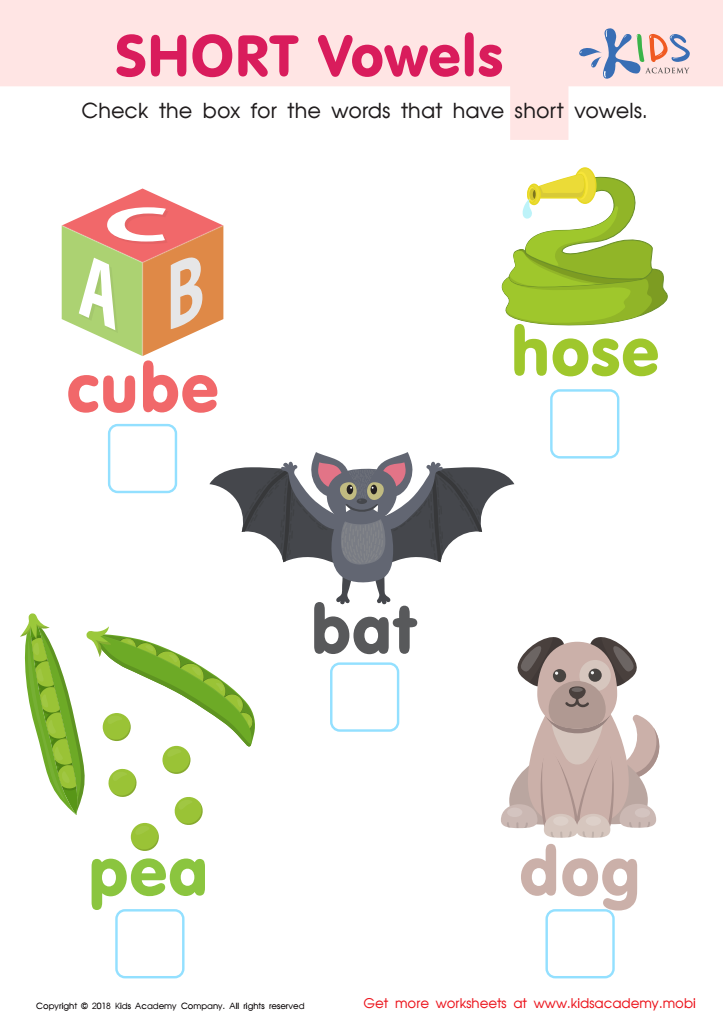
short vowels Worksheet
 Assign to My Students
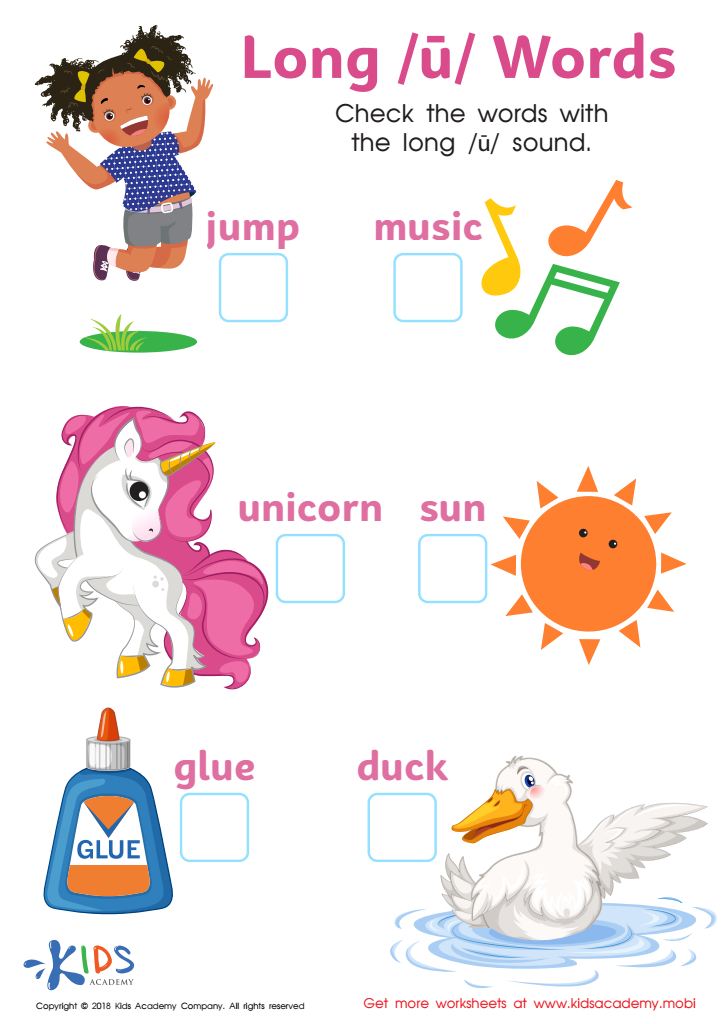
Long U Words Reading Worksheet
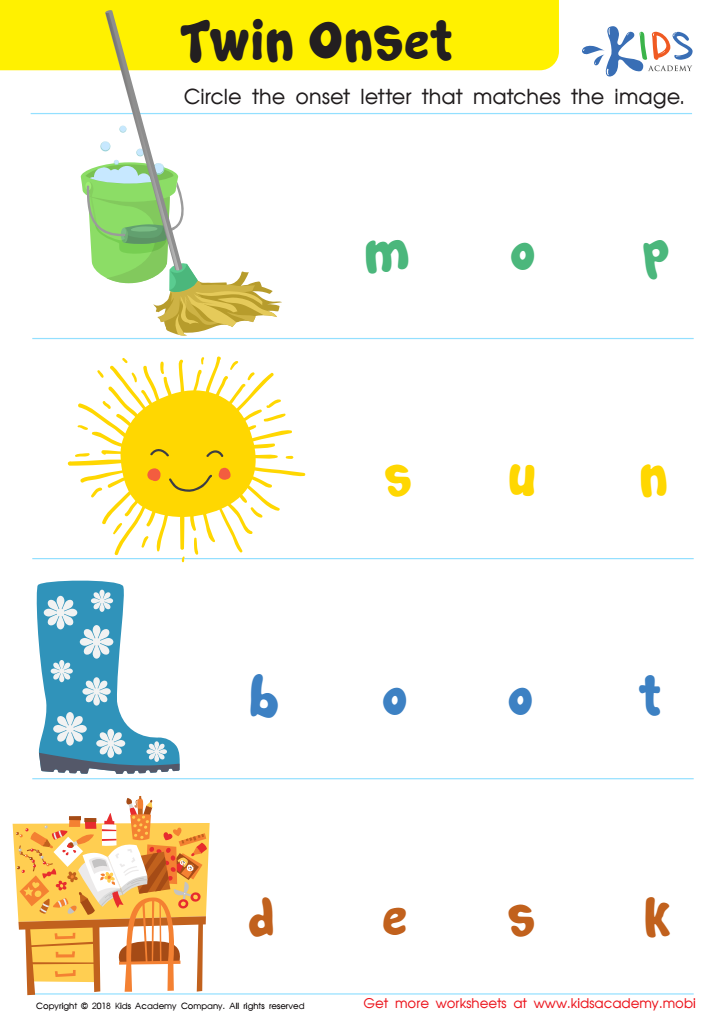
Twin Onset Worksheet
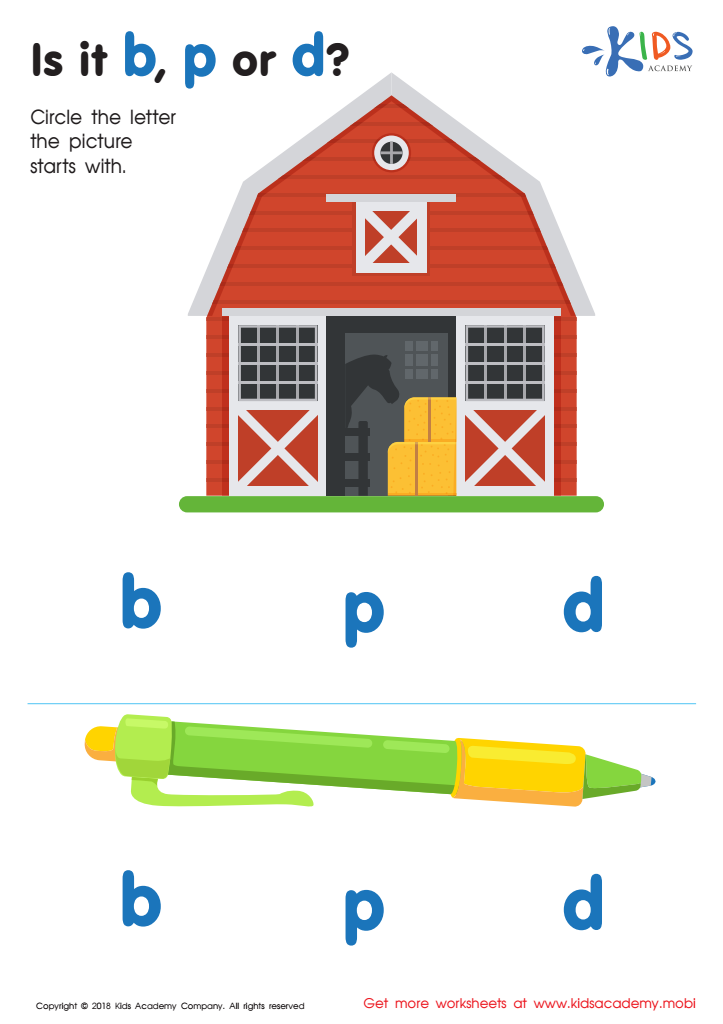
Is it b, p or d? Worksheet
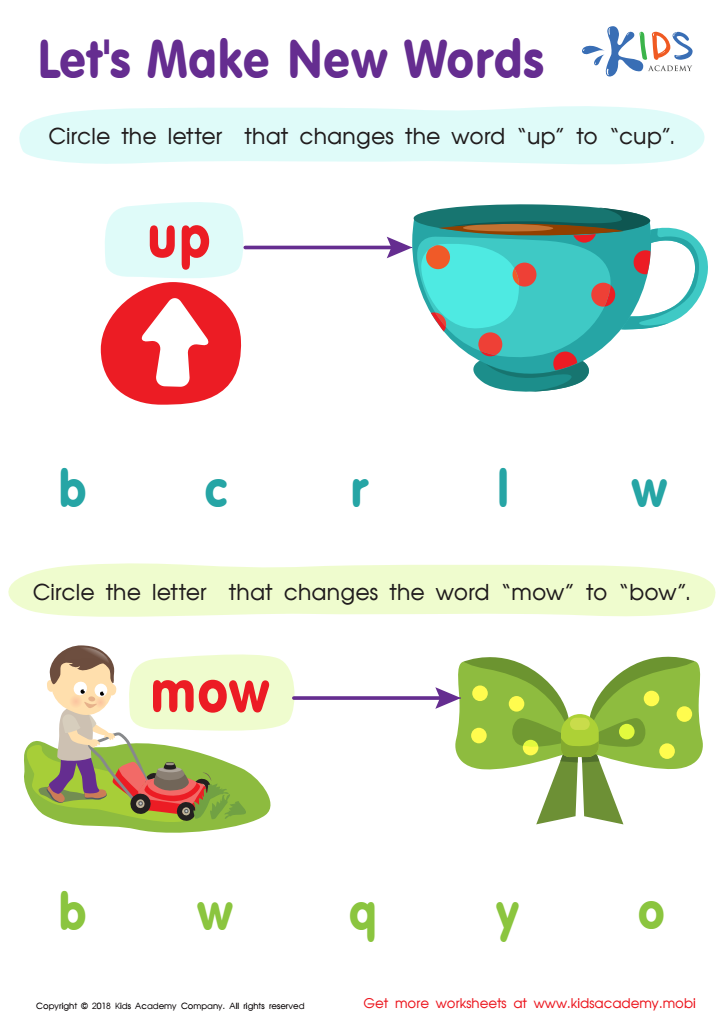
Let's Make New Words Worksheet
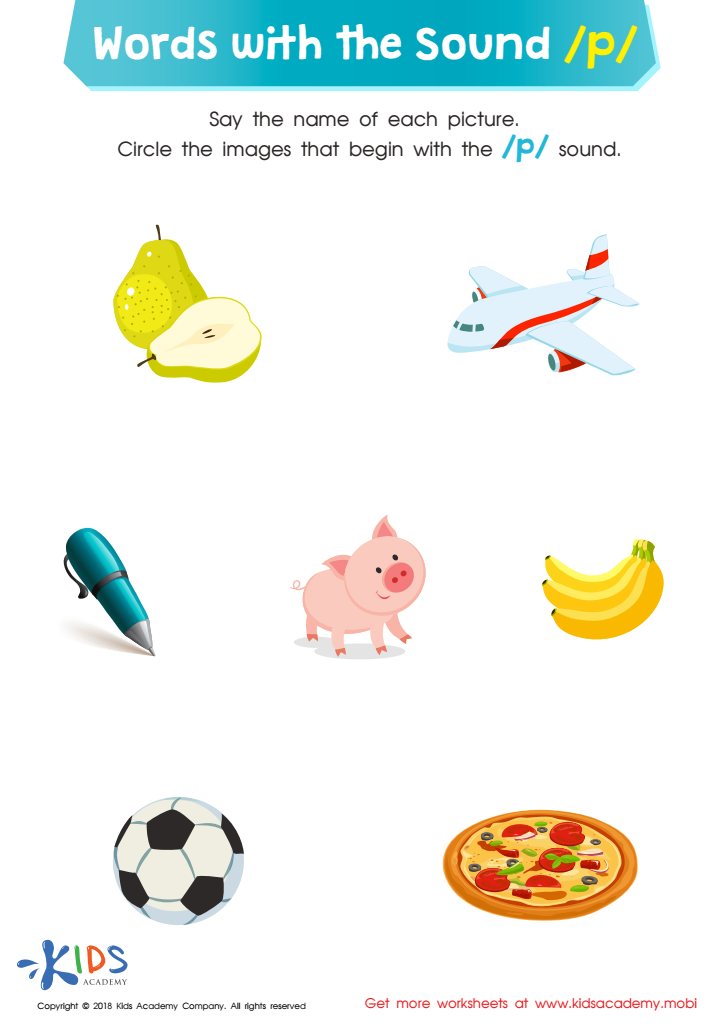
Words with sound p Reading Worksheet
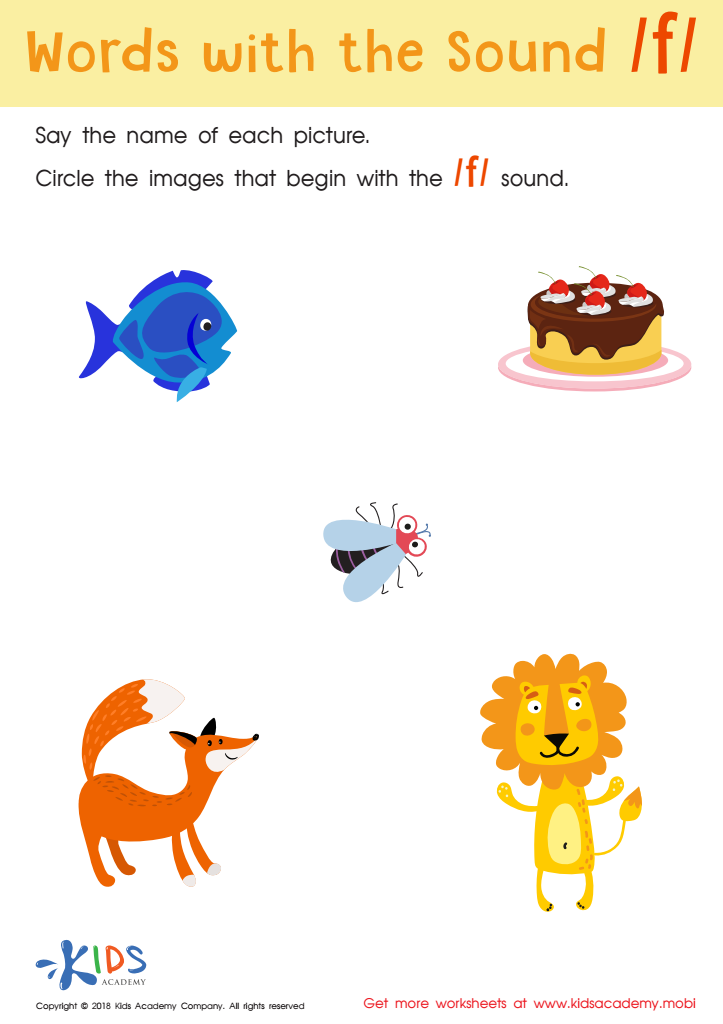
Words with sound f Reading Worksheet
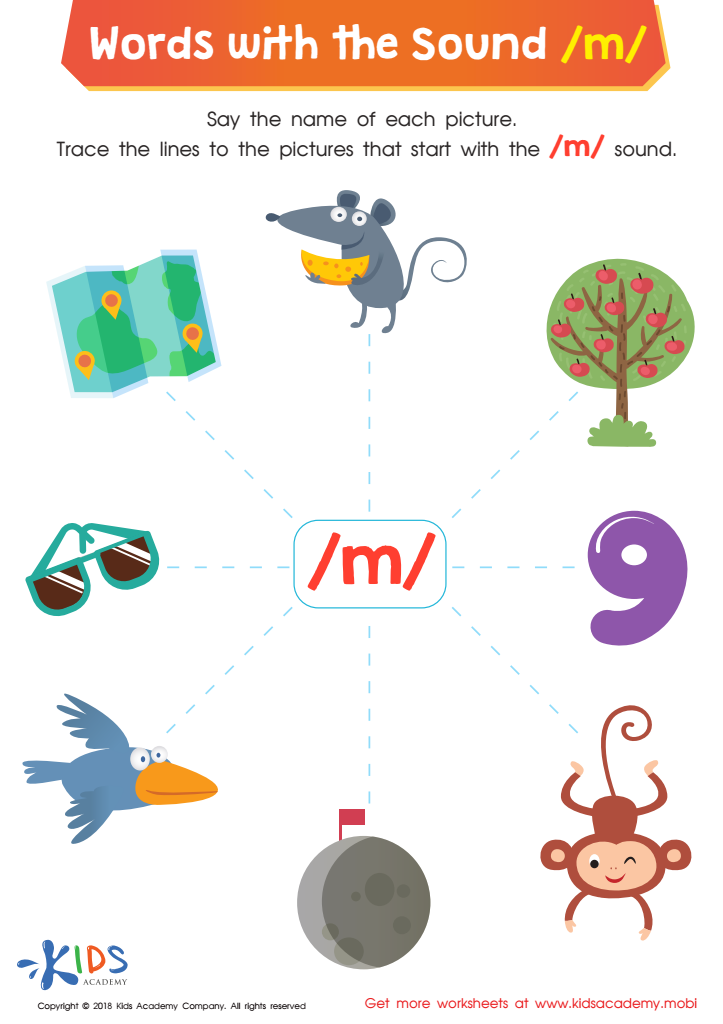
Words with Sound M Reading Worksheet








Phonics practice for 4-year-olds is crucial for developing foundational reading skills, which paves the way for academic success. Phonics emphasizes the relationship between letters and their corresponding sounds, enabling children to decode and read words accurately. Engaging in phonics activities at an early age builds phonemic awareness, which is the ability to hear, identify, and manipulate individual sounds in spoken words. This skill is essential for recognizing word patterns and spelling, which ultimately facilitates fluent reading.
Early phonics practice also nurtures listening skills, as children learn to distinguish between different sounds. This auditory discrimination aids in improved comprehension and vocabulary development, as they can better grasp the meaning of new words.
Furthermore, phonics practice helps foster a love for reading by making the process interactive and enjoyable. Using games, songs, and other creative methods makes learning engaging and boosts confidence due to early success in reading efforts. Parental or teacher involvement in phonics practice also cultivates meaningful interactions, providing emotional support and encouragement.
In sum, investing time in phonics practice at age four lays a robust literacy foundation, making children well-prepared for future learning endeavors and mitigating potential reading difficulties that could arise later in their educational journey.







