Handwriting practice Tracing Letters Worksheets for 4-Year-Olds - Page 2
28 filtered results
-
From - To
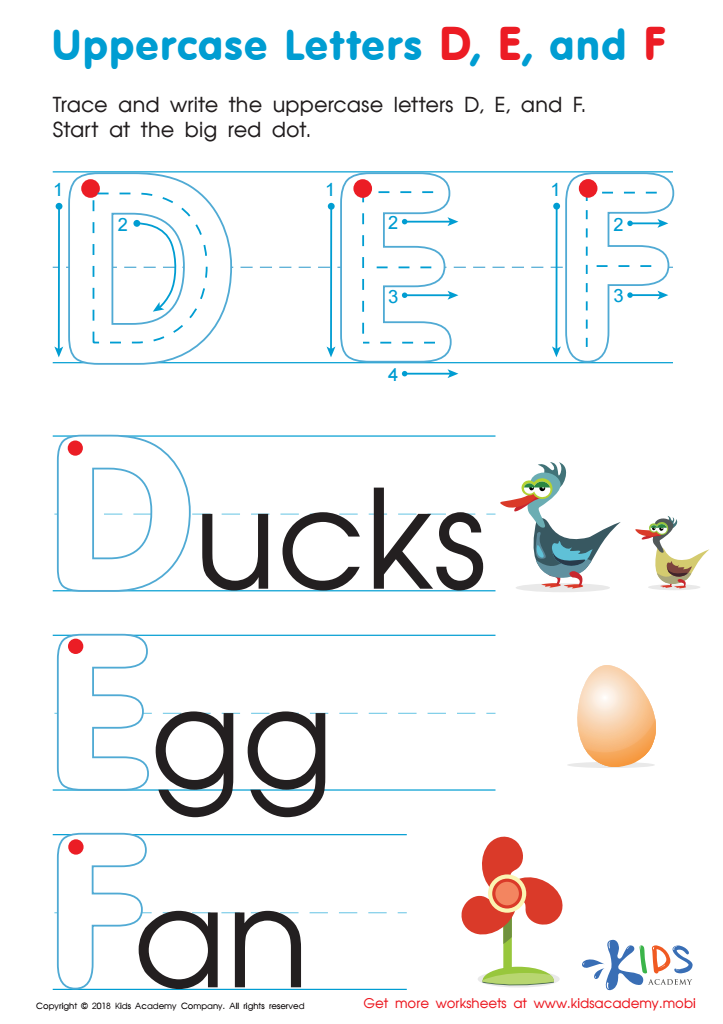
Uppercase Letters D, E, and F Worksheet
 Assign to My Students
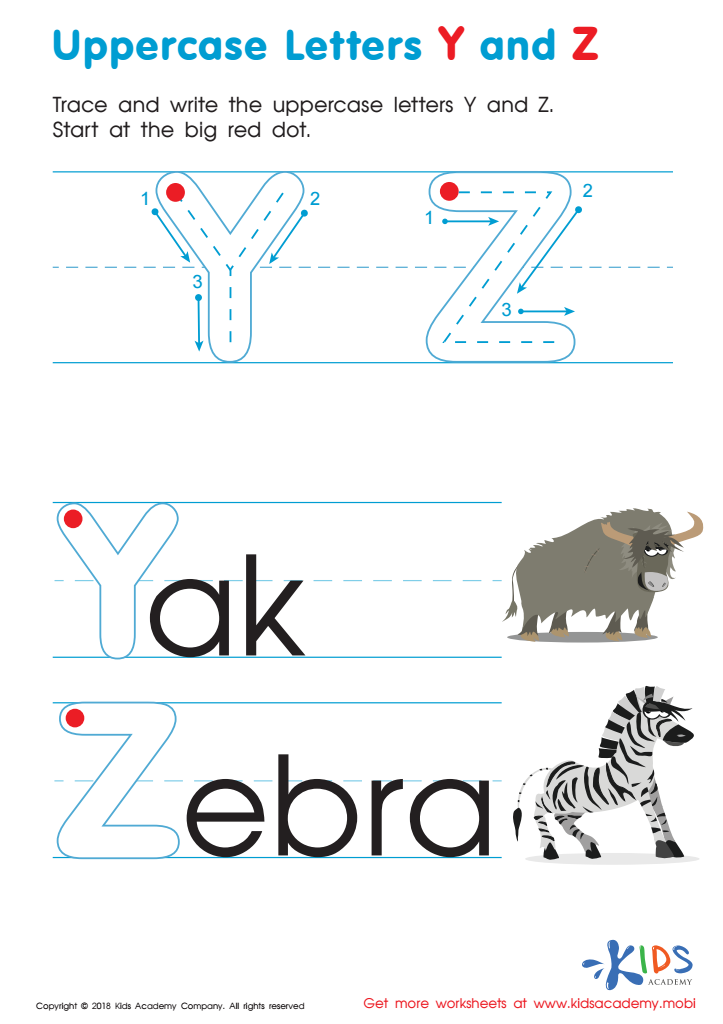
Uppercase Letters Y Z Worksheet
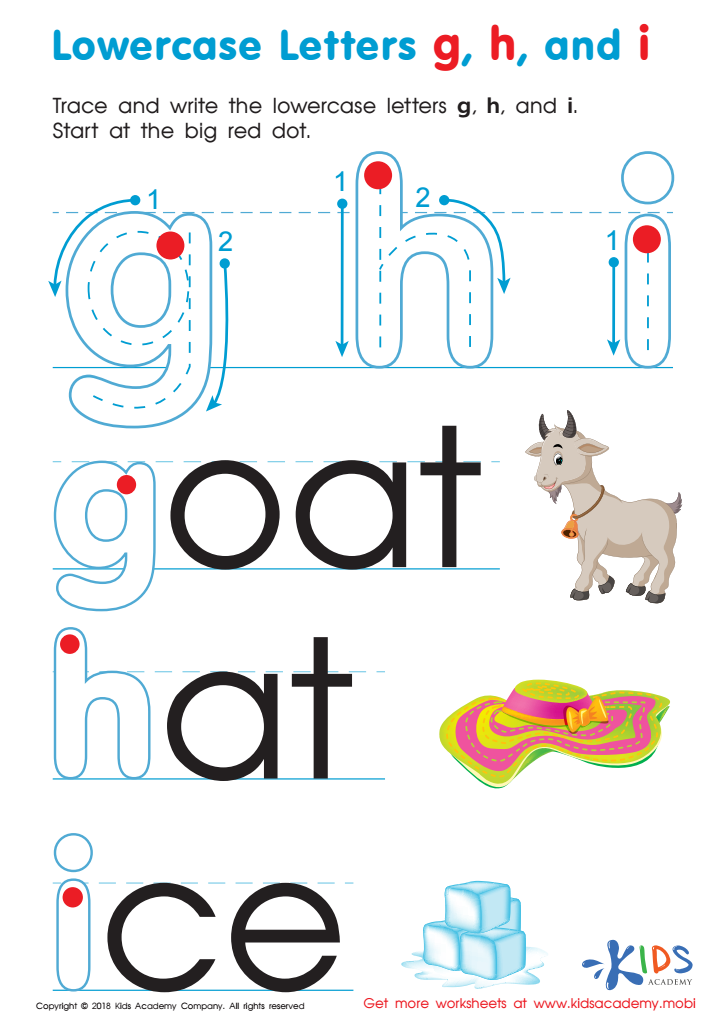
Lowercase Letters g h i Worksheet
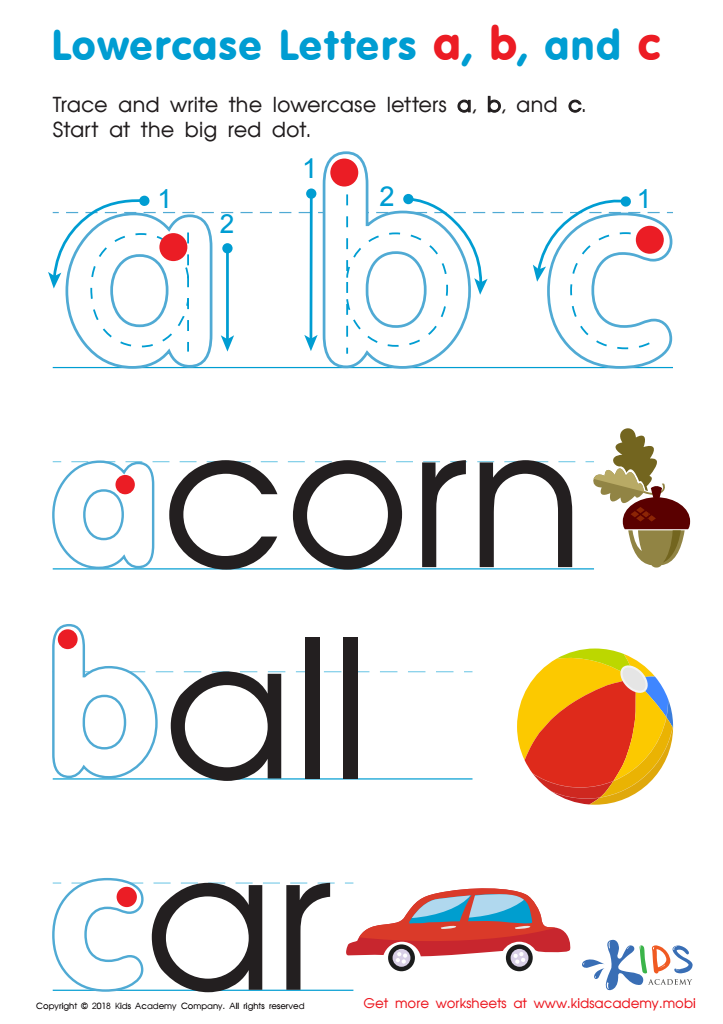
Lowercase Letters a b c Worksheet







Handwriting practice, particularly tracing letters, is an essential activity for four-year-olds, and both parents and teachers should prioritize it for several reasons. First, developing fine motor skills during early childhood is crucial; tracing letters enhances hand-eye coordination and strengthens the muscles in the hands and fingers, preparing children for future writing tasks. Second, early handwriting practice promotes literacy by familiarizing children with the shapes and sounds of letters, laying a foundation for reading and spelling later on.
Furthermore, tracing encourages focus and concentration, valuable skills for lifelong learning. As children trace letters, they improve their ability to follow directions and develop patience—important traits in both academic and social contexts. Additionally, mastering letter formation helps build confidence, enabling children to express themselves through writing as they progress in school.
Moreover, integrating handwriting practice into playful activities keeps children engaged and motivated. When parents and teachers actively support tracing and handwriting, they reinforce its importance, fostering a love for learning. In summary, prioritizing handwriting practice for young learners not only enhances motor skills and literacy but also instills positive attitudes toward education and communication.








