Color recognition Animals Worksheets for 4-Year-Olds
12 filtered results
-
From - To
The "Color Recognition Animals Worksheets for 4-Year-Olds" page provides engaging and educational resources designed to help young children learn about colors through delightful animal-themed activities. These playful worksheets allow preschoolers to explore different colors while enhancing their fine motor skills through coloring exercises. Each worksheet features vibrant illustrations of various animals, making learning fun and interactive. As children identify and color each animal based on color prompts, they develop critical color recognition skills that form the foundation for future learning. Perfect for home or classroom use, these worksheets are a fantastic way to spark creativity and encourage early childhood development.
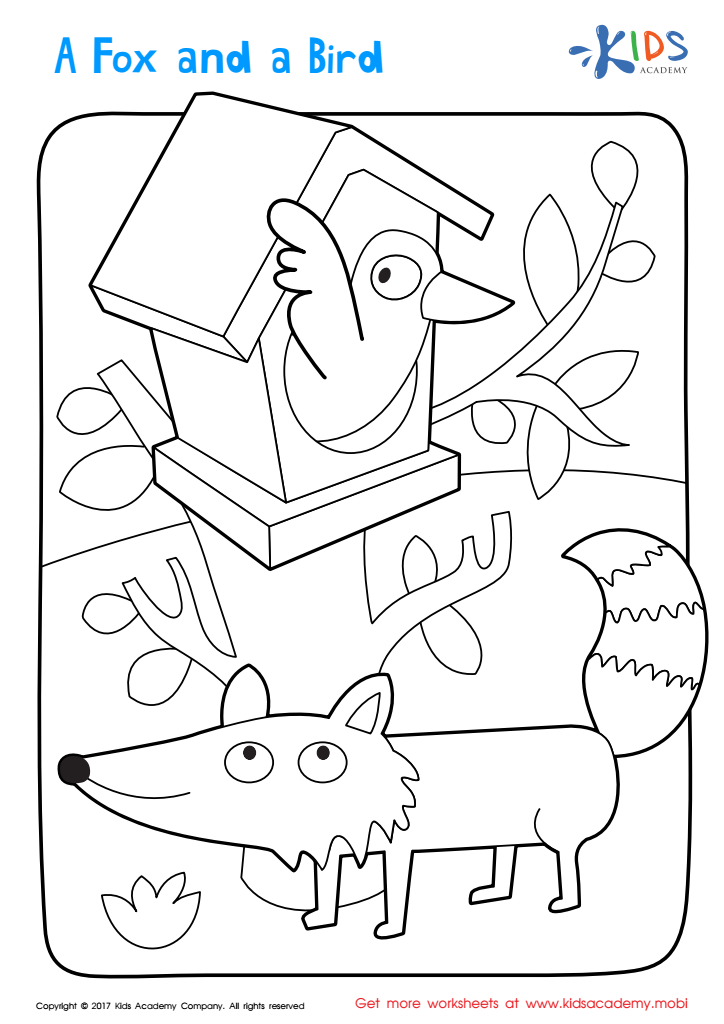
A Fox and Bird Coloring Page
 Assign to My Students
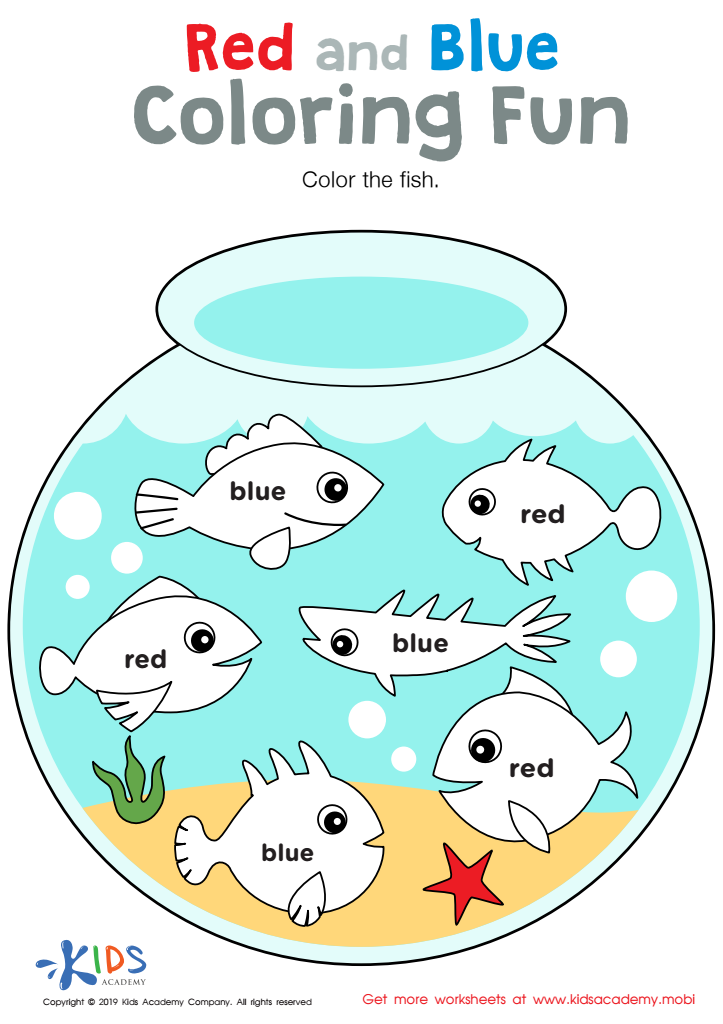
Red and Blue Coloring Fun Worksheet
Assign to My Students
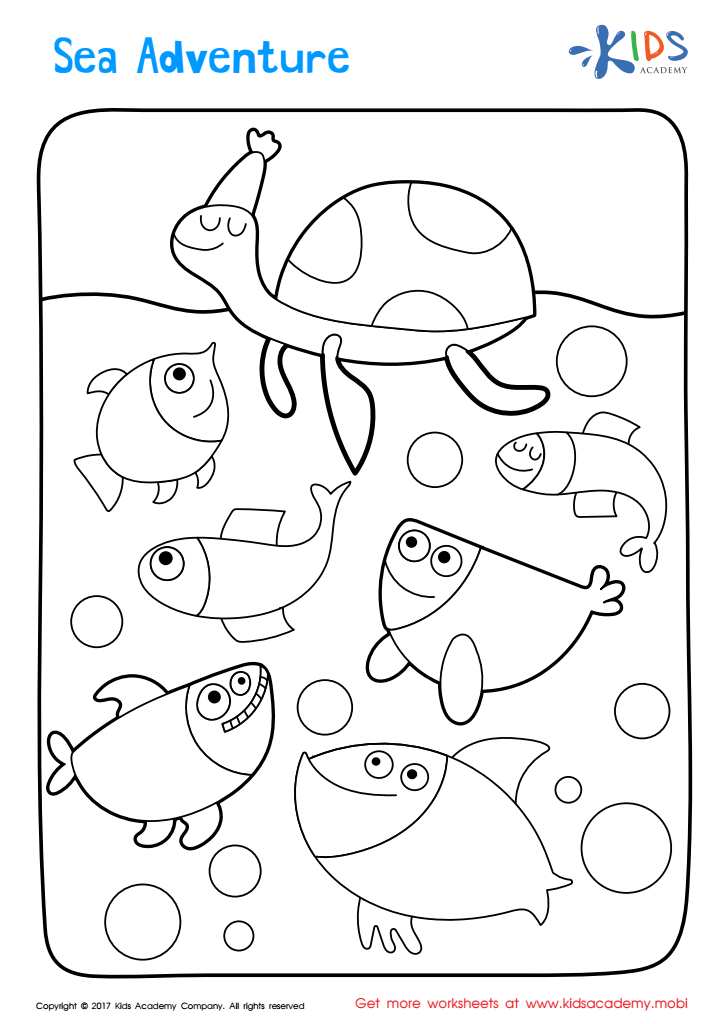
Sea Adventure Coloring Page
Assign to My Students
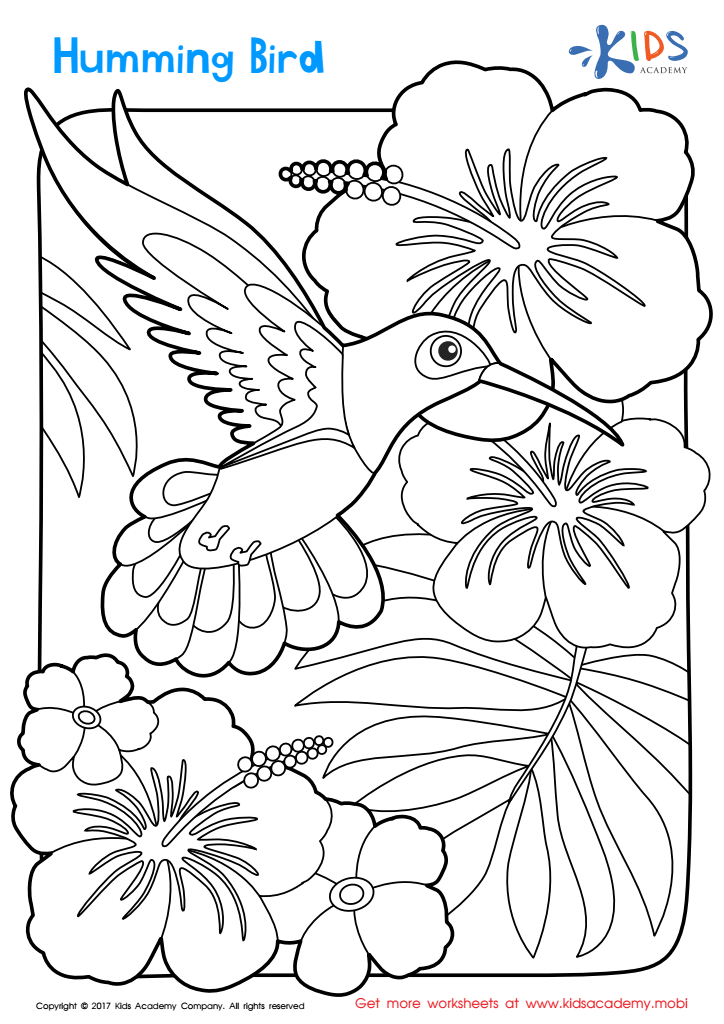
Humming Bird Worksheet
Assign to My Students
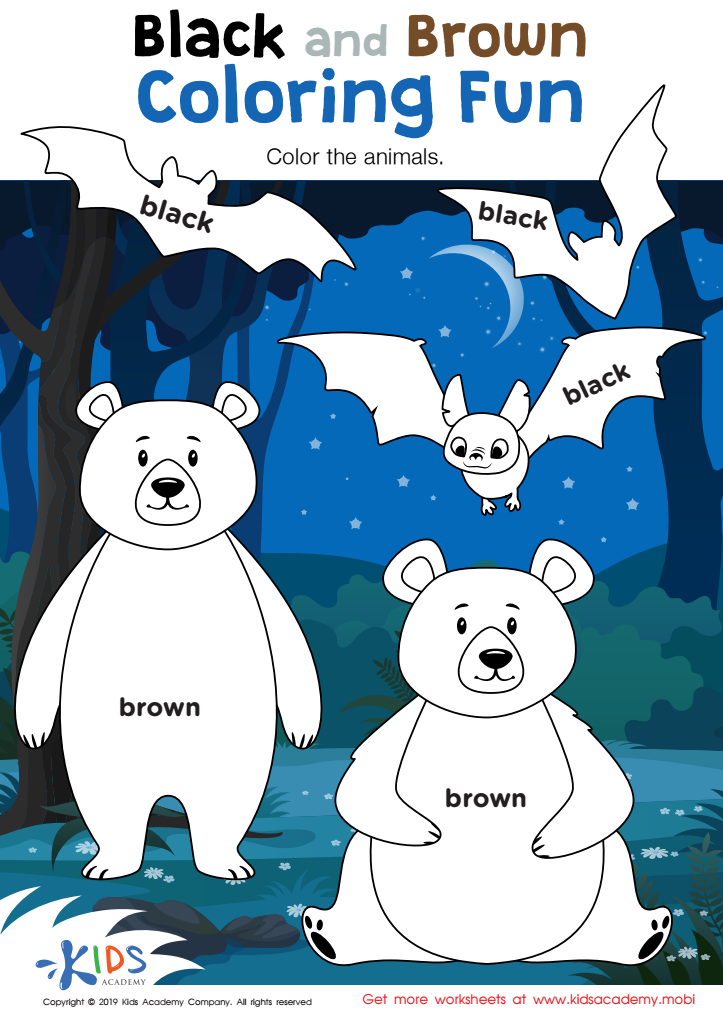
Black and Brown Coloring Fun Worksheet
Assign to My Students
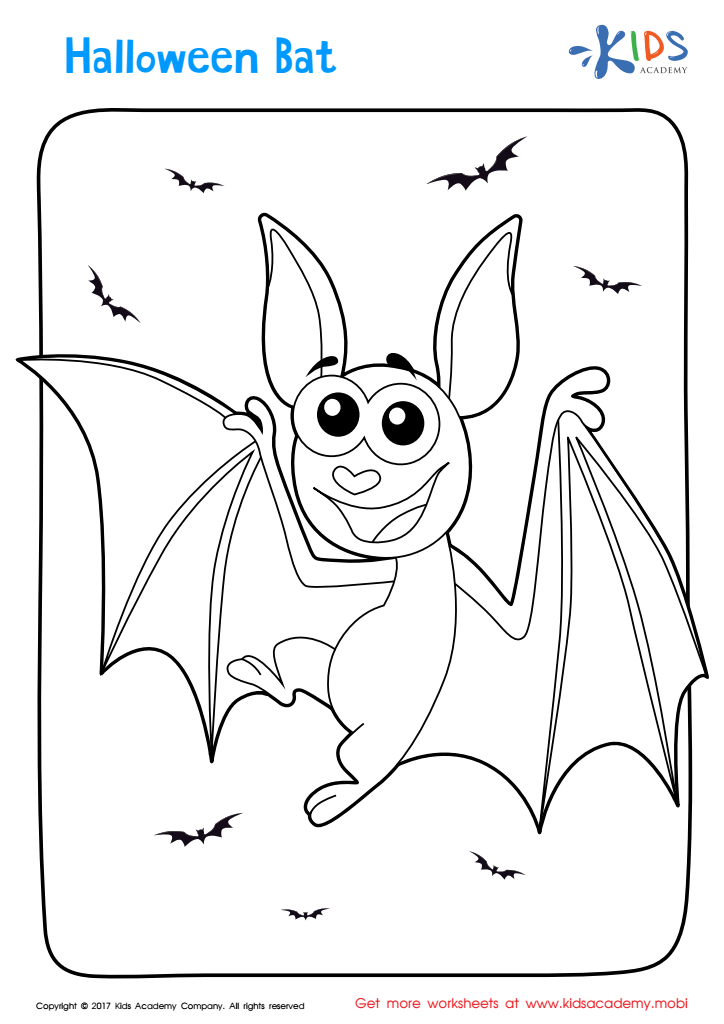
Halloween: A Bat Printable
Assign to My Students
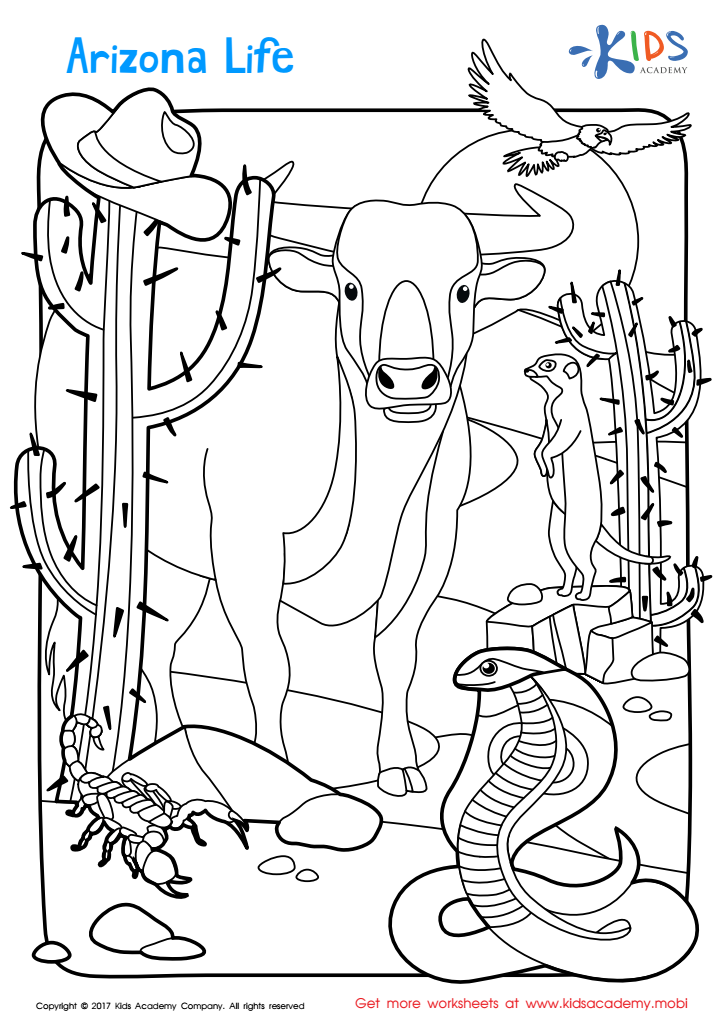
Arizona Coloring Page Worksheet
Assign to My Students
In the Treetops Coloring Page
Assign to My Students
Great Hornbill Worksheet
Assign to My Students
Sloth – Coloring by Numbers
Great Hornbill – Coloring by Numbers
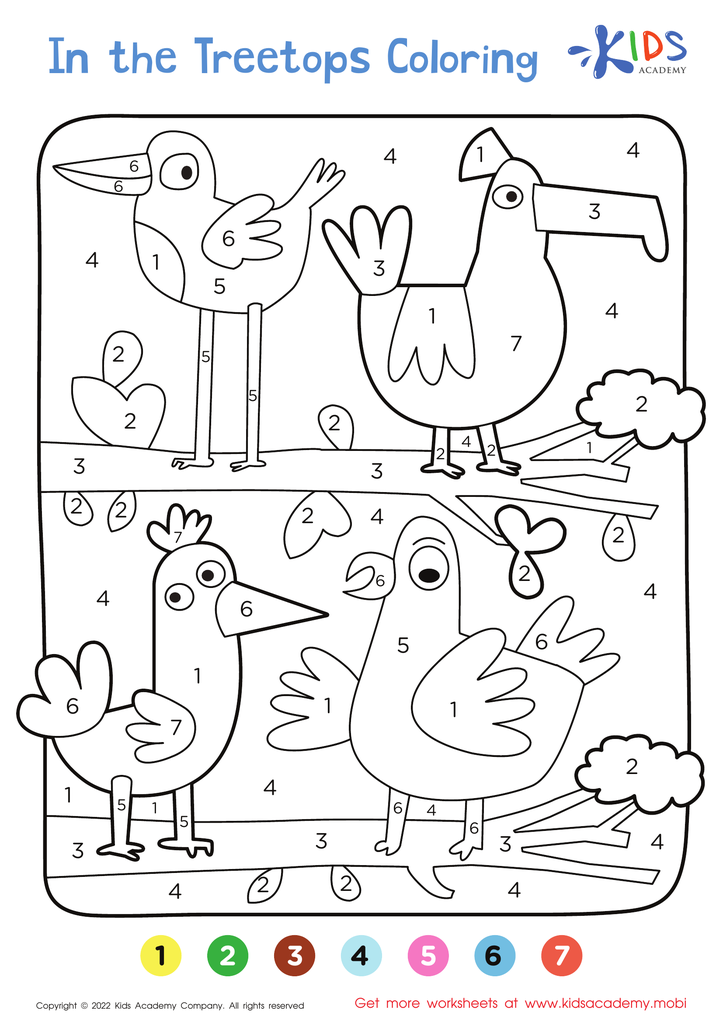
In the Treetops – Coloring Page







Color recognition in animals is an essential aspect of early childhood education, particularly for four-year-olds. At this developmental stage, children are naturally curious and eager to explore their environment. By integrating color recognition with animals, parents and teachers can make learning both engaging and relevant to young learners.
Understanding colors not only enhances a child’s vocabulary and cognitive skills but also aids in building associations. When children learn to identify and name the colors of different animals, such as a brown bear or a green frog, they strengthen their observational skills and critical thinking. This foundational learning also fosters creativity, as children often relate colors to feelings or emotions, expanding their imaginative play.
Moreover, teaching color recognition through animals can help children with categorization and classification skills. They learn to compare and contrast different animals based on their color, laying the groundwork for more complex scientific concepts in the future.
Additionally, this playful learning can enhance communication skills as children express their thoughts and descriptions. Overall, parents and teachers should prioritize color recognition in animals, as it not only supports academic readiness but also contributes to holistic development in early childhood.