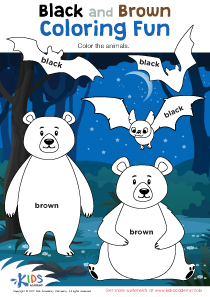
Alphabet Recognition English for Beginners Worksheets for 4-Year-Olds
32 filtered results
-
From - To
Introducing our Alphabet Recognition English for Beginners Worksheets for 4-Year-Olds, designed to make learning the ABCs fun and engaging! These vibrantly illustrated worksheets help young learners recognize letters, understand their sounds, and start forming connections between letters and words. Perfect for preschoolers and ESL students, our activities offer a mix of puzzles, tracing exercises, and coloring pages to keep kids motivated. Start building your child's foundation in English literacy today with these expertly crafted resources that support parents and teachers in making early education both effective and enjoyable. Get your little ones excited about learning the alphabet!
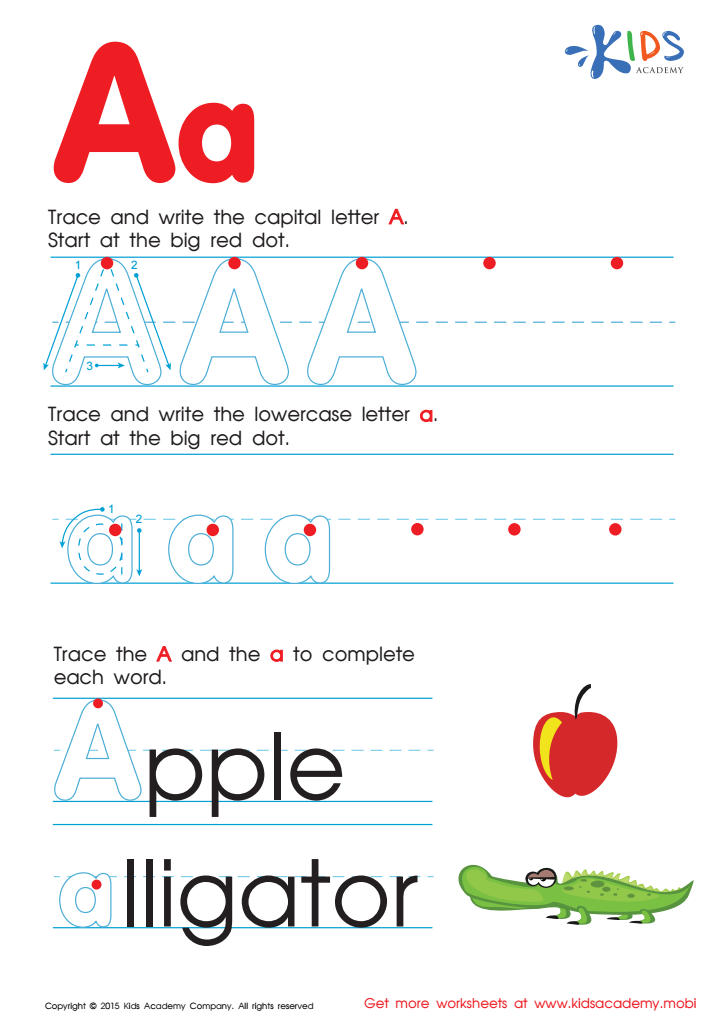
Letter A Tracing Page
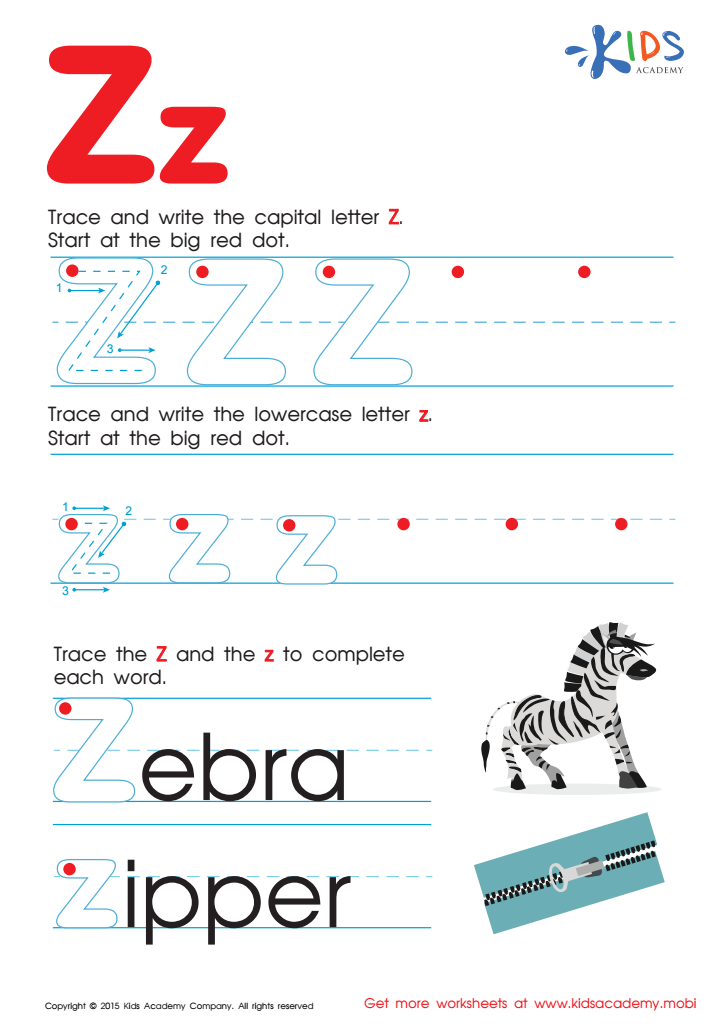
Letter Z Tracing Page
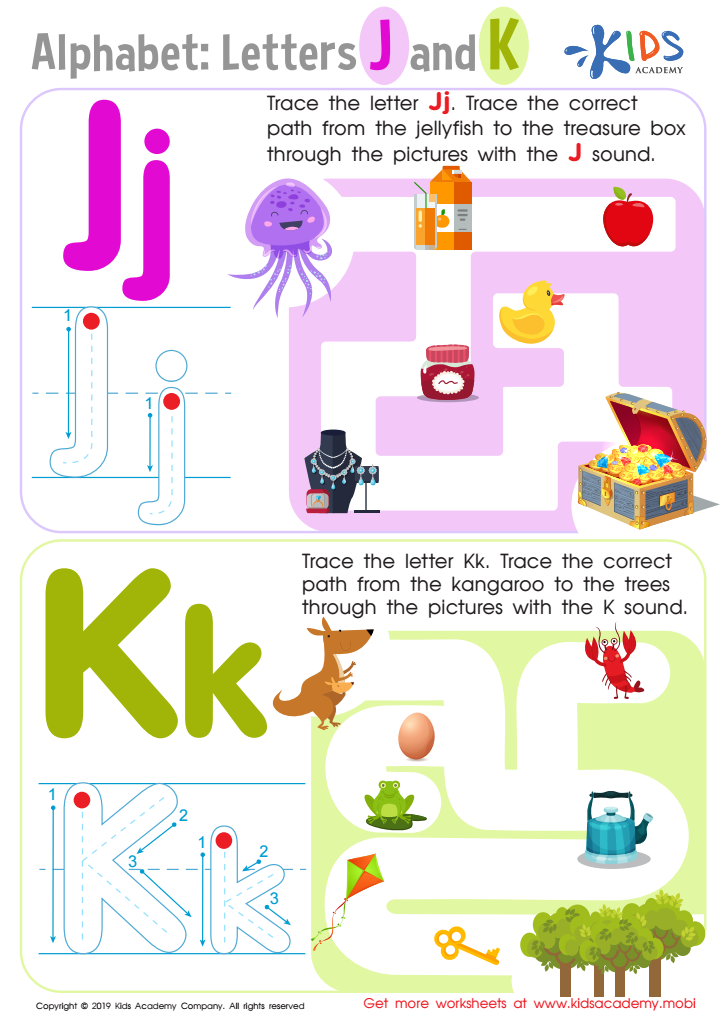
Letters J and K Tracing Worksheet
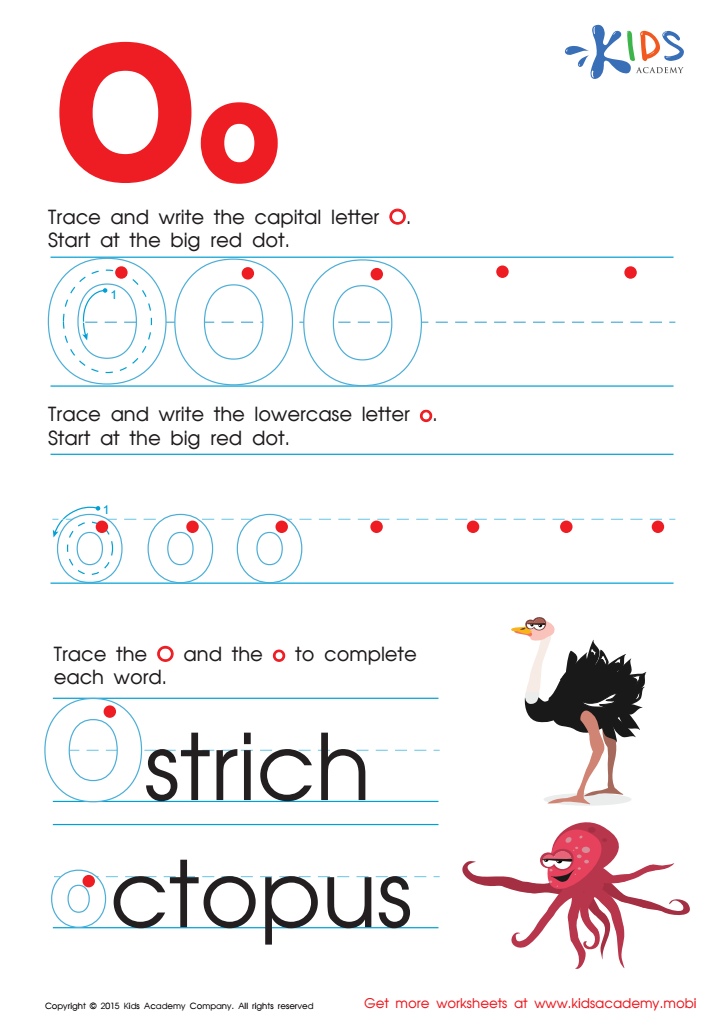
Letter O Tracing Page
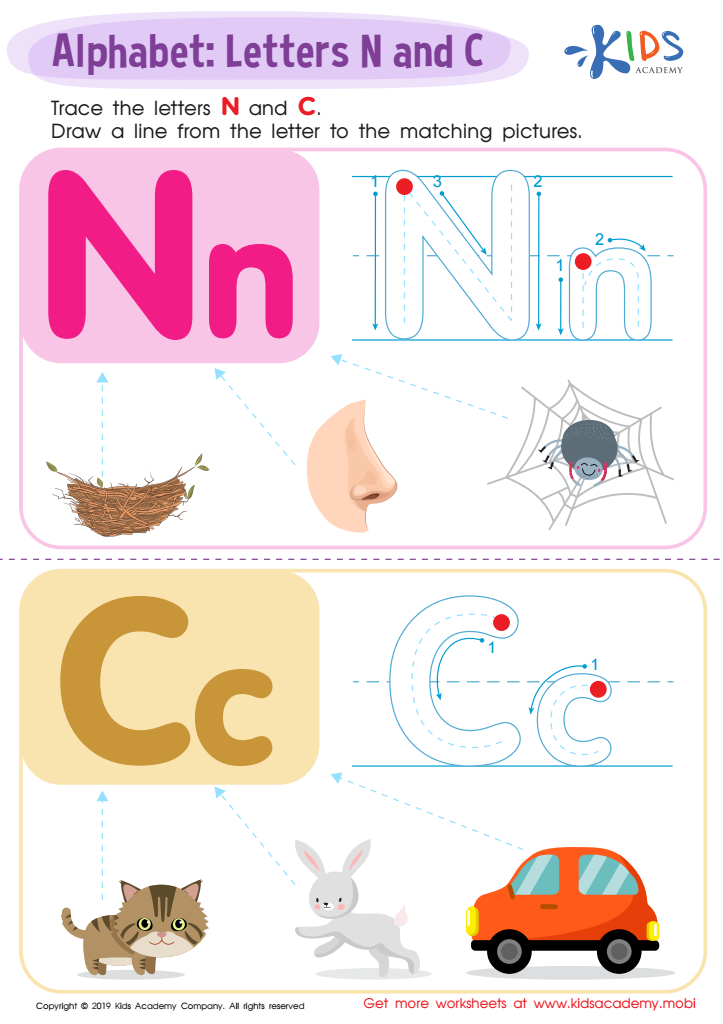
Letter N and C Tracing Worksheet
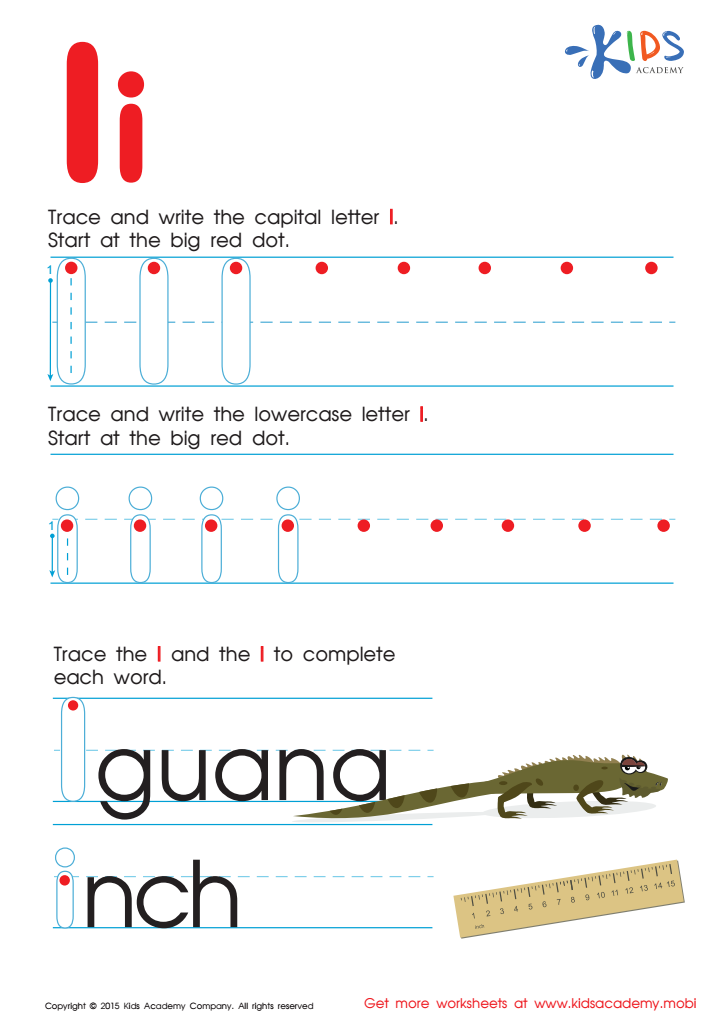
Letter I Tracing Page
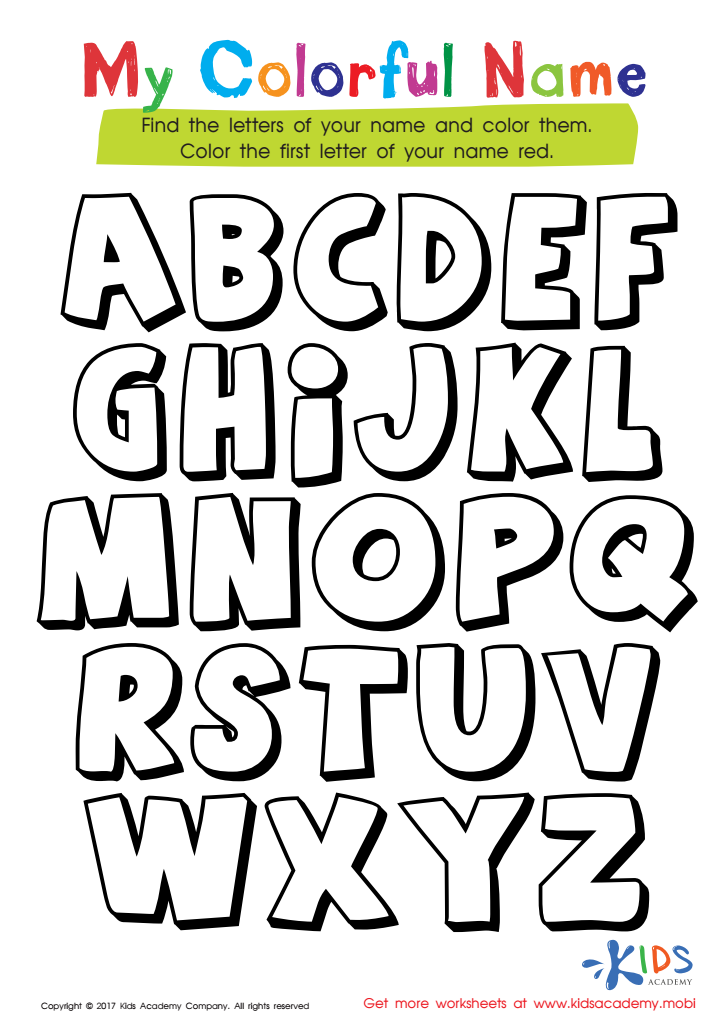
My Colorful Name Worksheet
 Assign to My Students
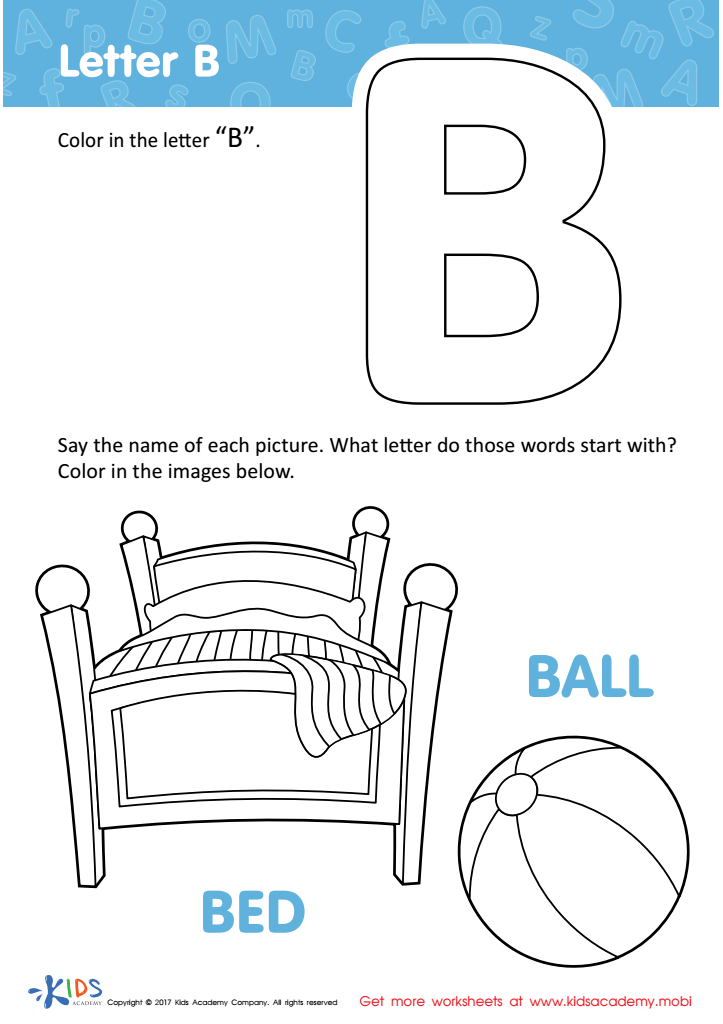
Letter B Coloring Sheet
Assign to My Students
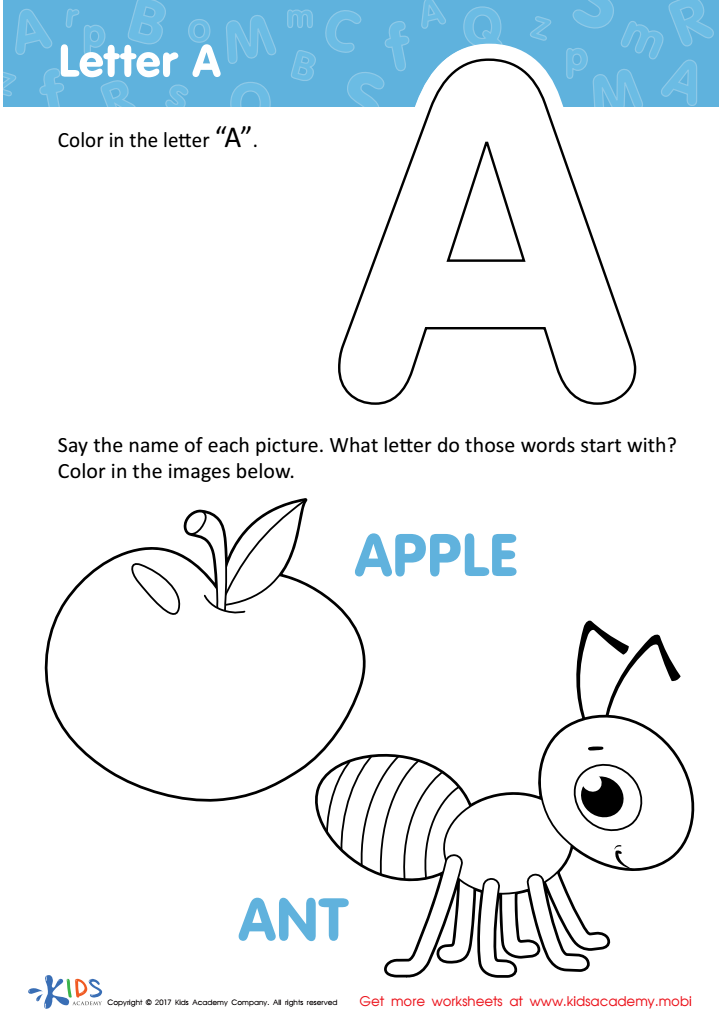
Letter A Coloring Sheet
Assign to My Students
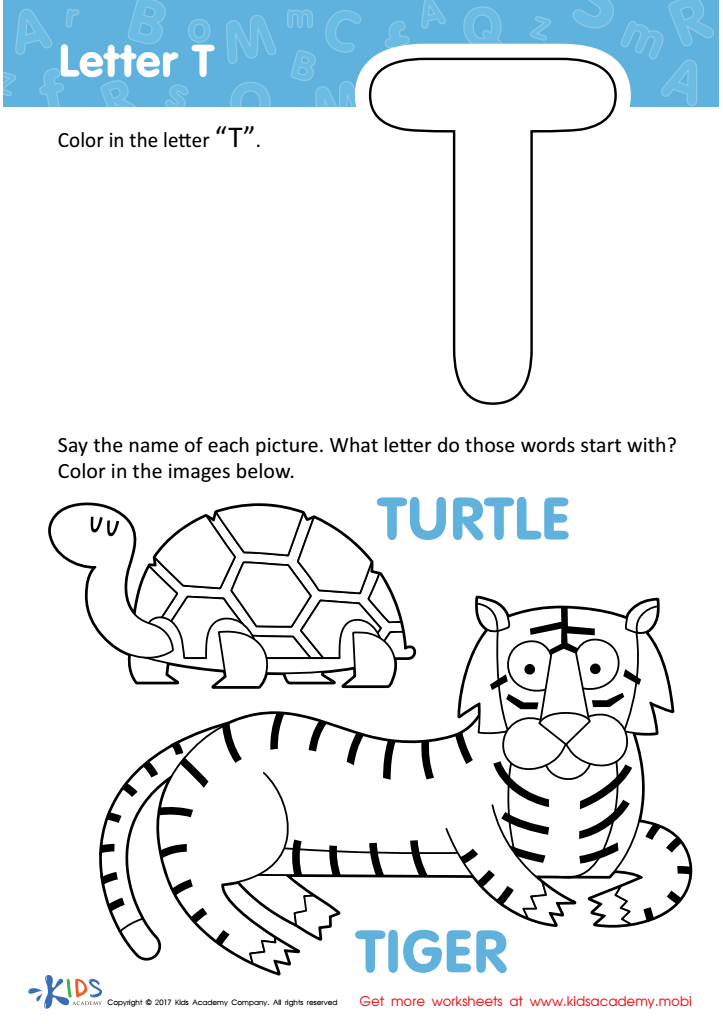
Letter T Coloring Sheet
Assign to My Students
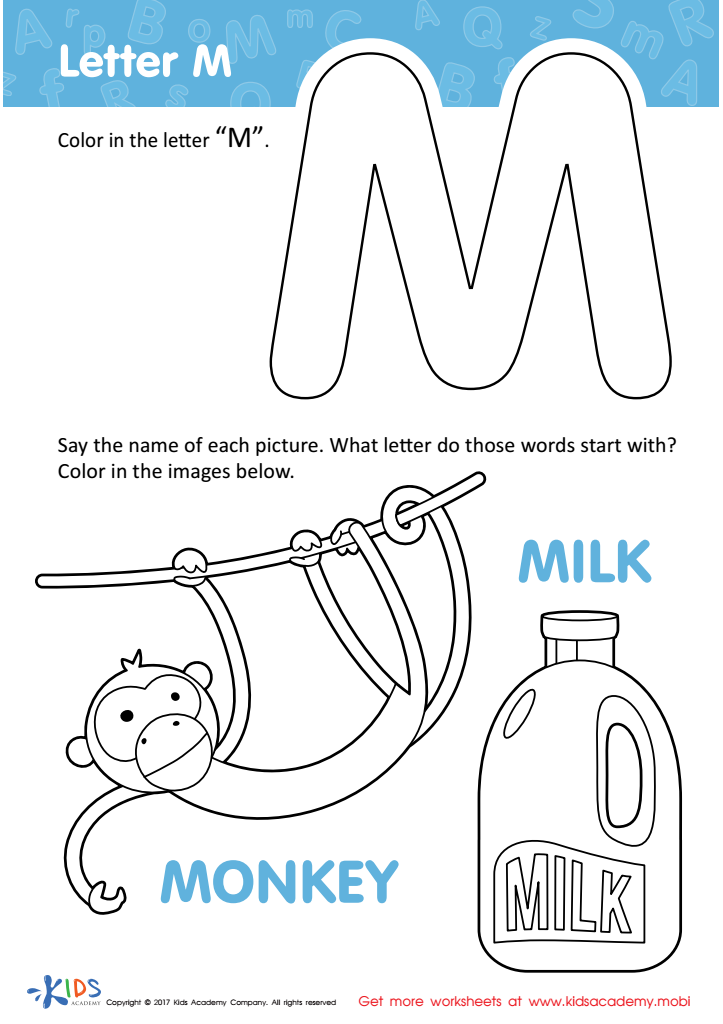
Letter M Coloring Sheet
Assign to My Students
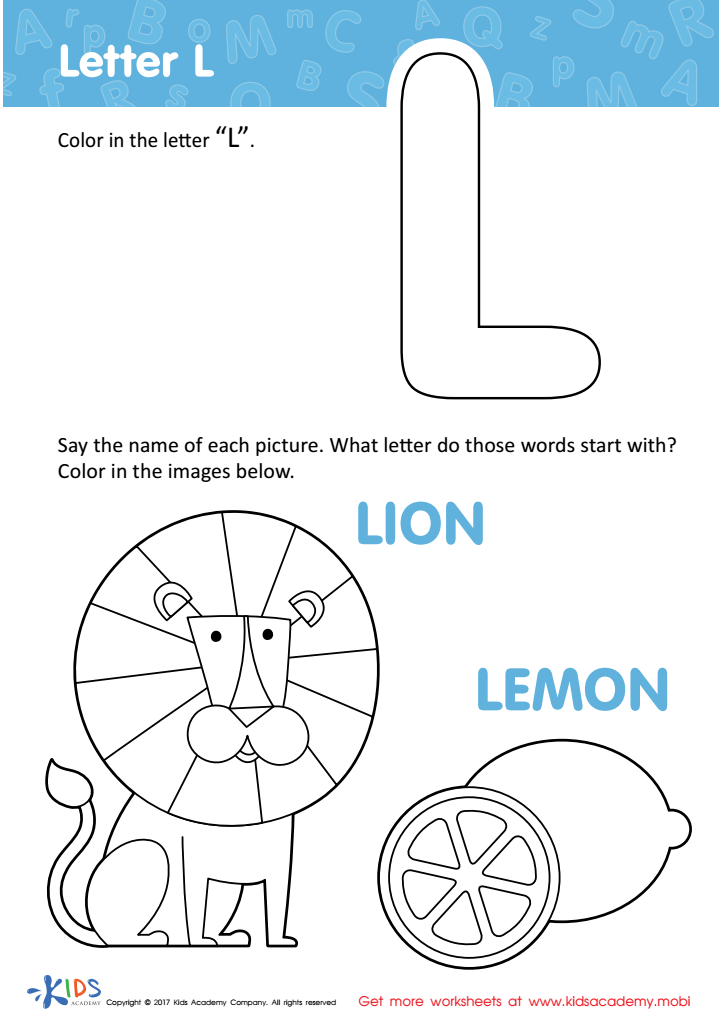
Letter L Coloring Sheet
Assign to My Students
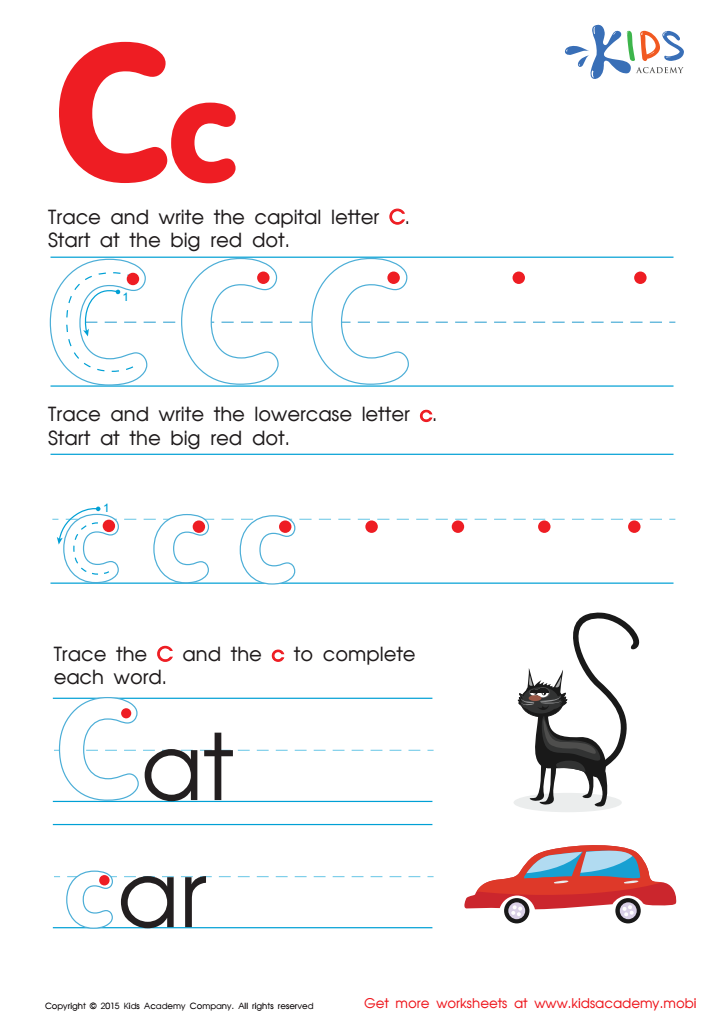
Letter C Tracing Page
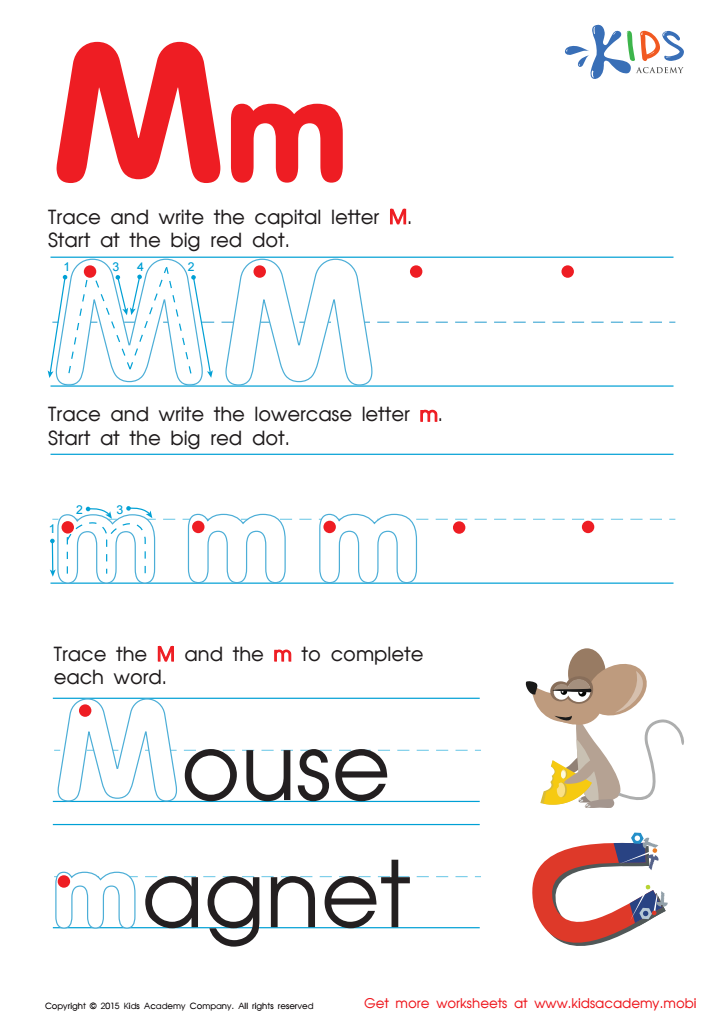
Letter M Tracing Page
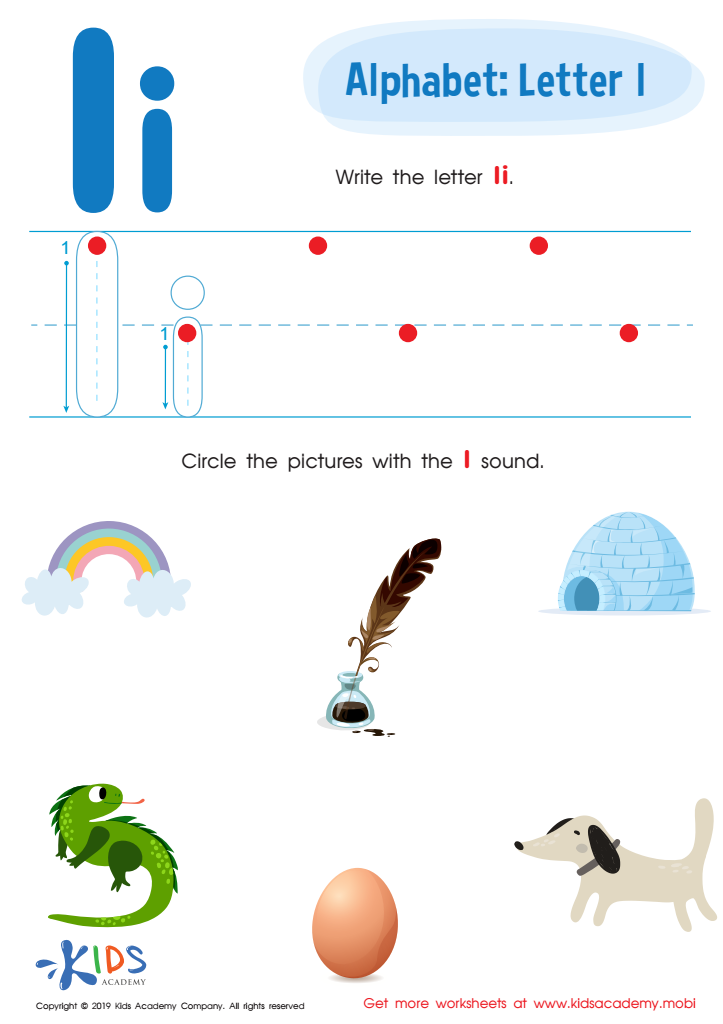
Letter I Tracing Worksheet
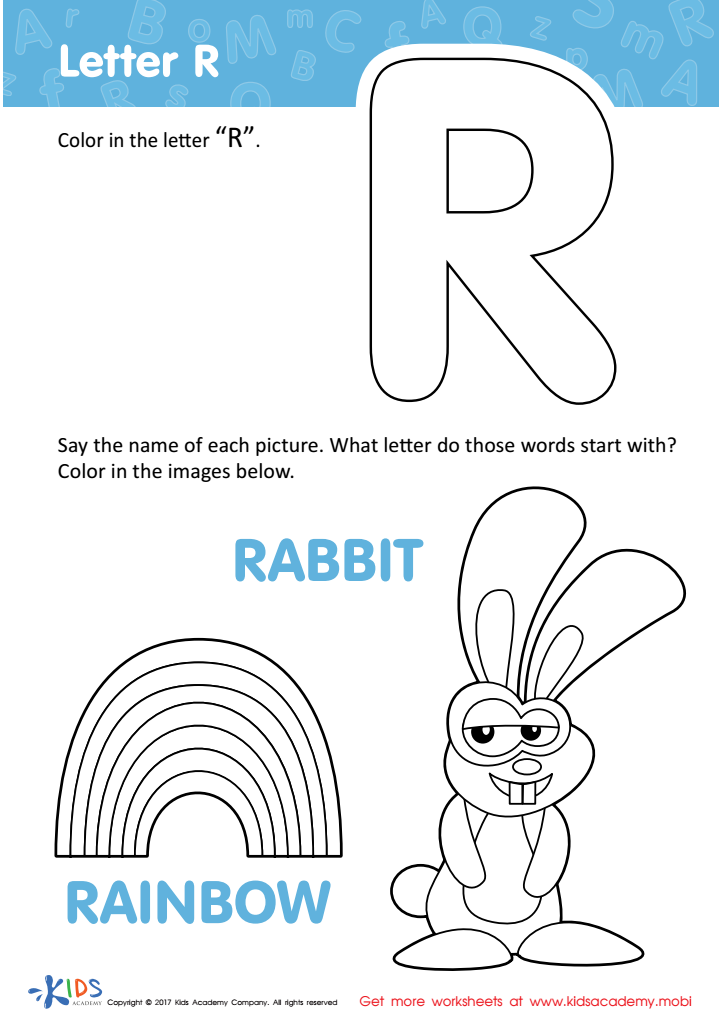
Letter R Coloring Sheet
Assign to My Students
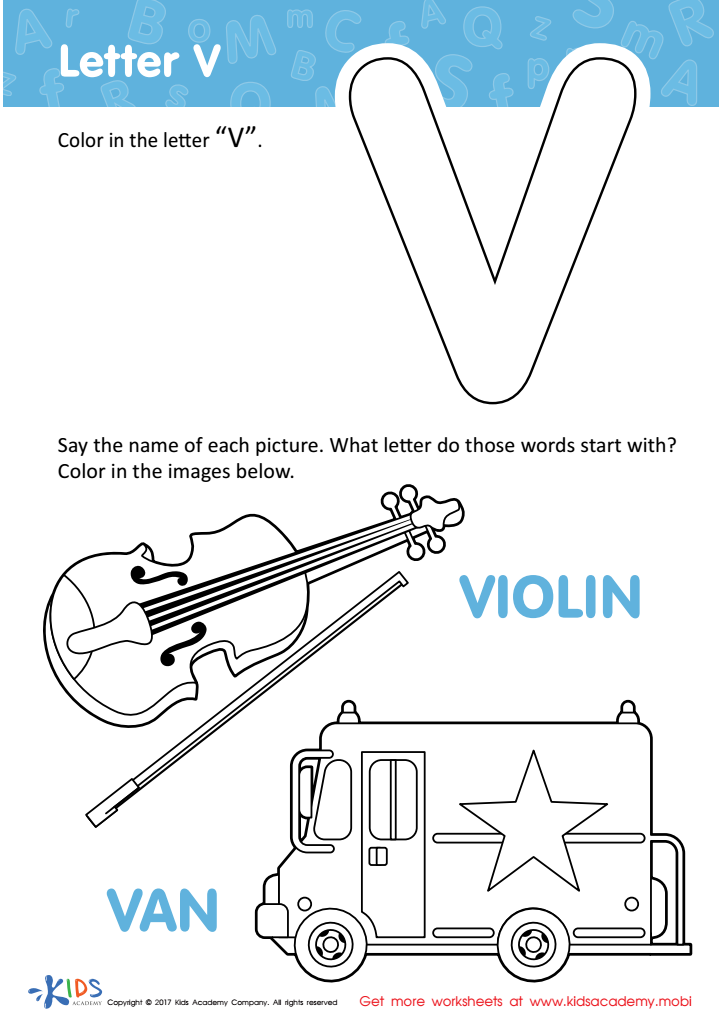
Letter V Coloring Sheet
Assign to My Students
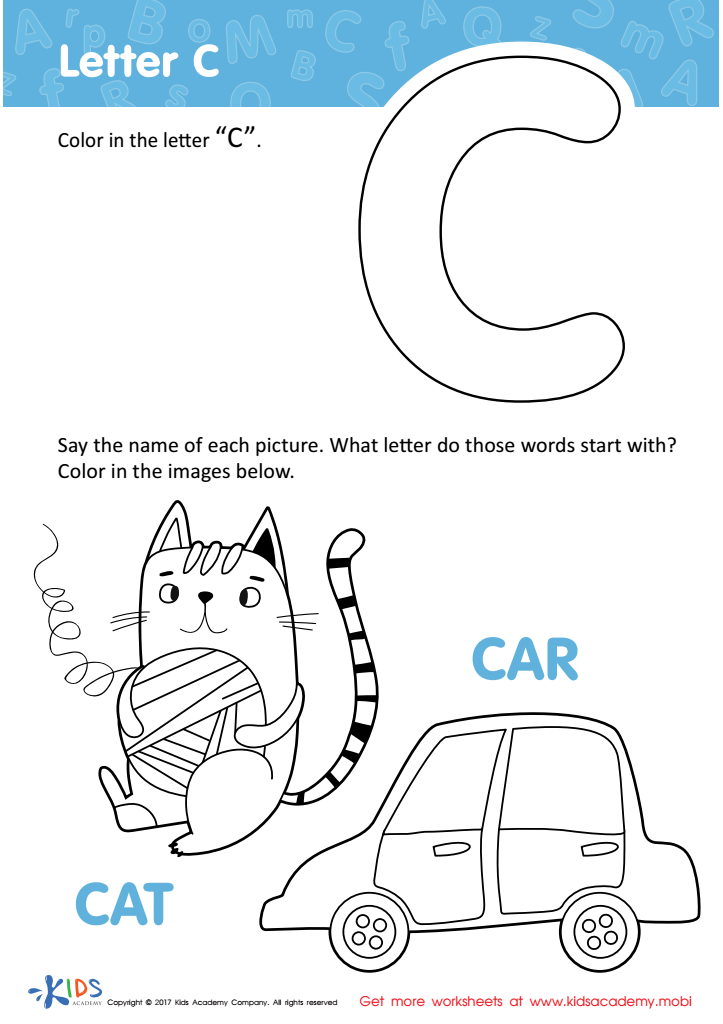
Letter C Coloring Sheet
Assign to My Students
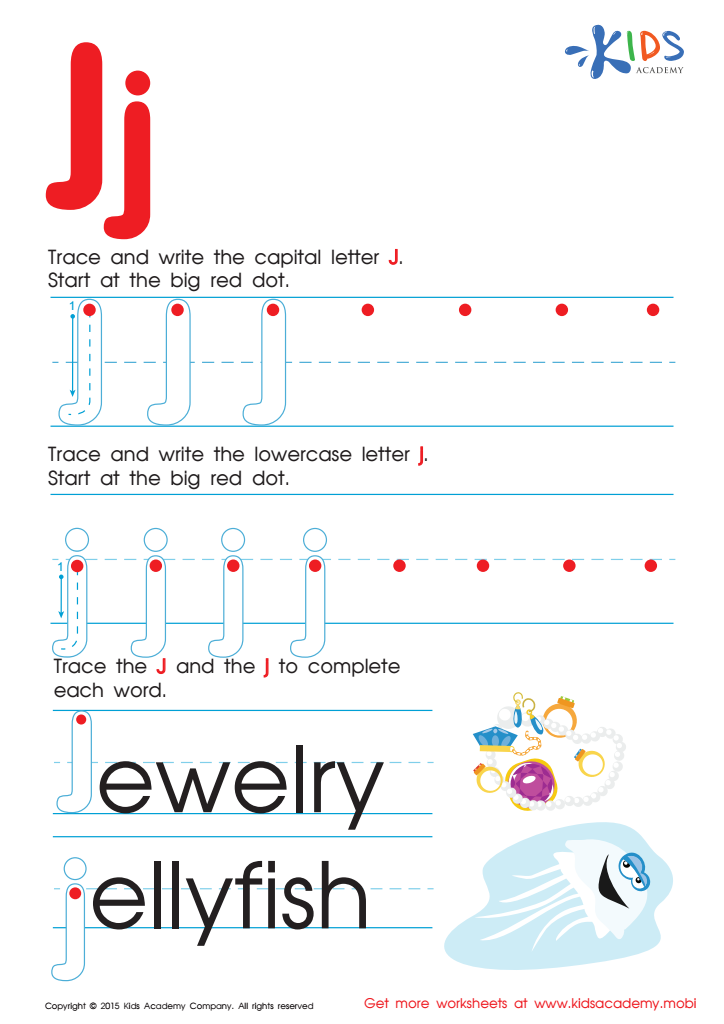
Letter J Tracing Page
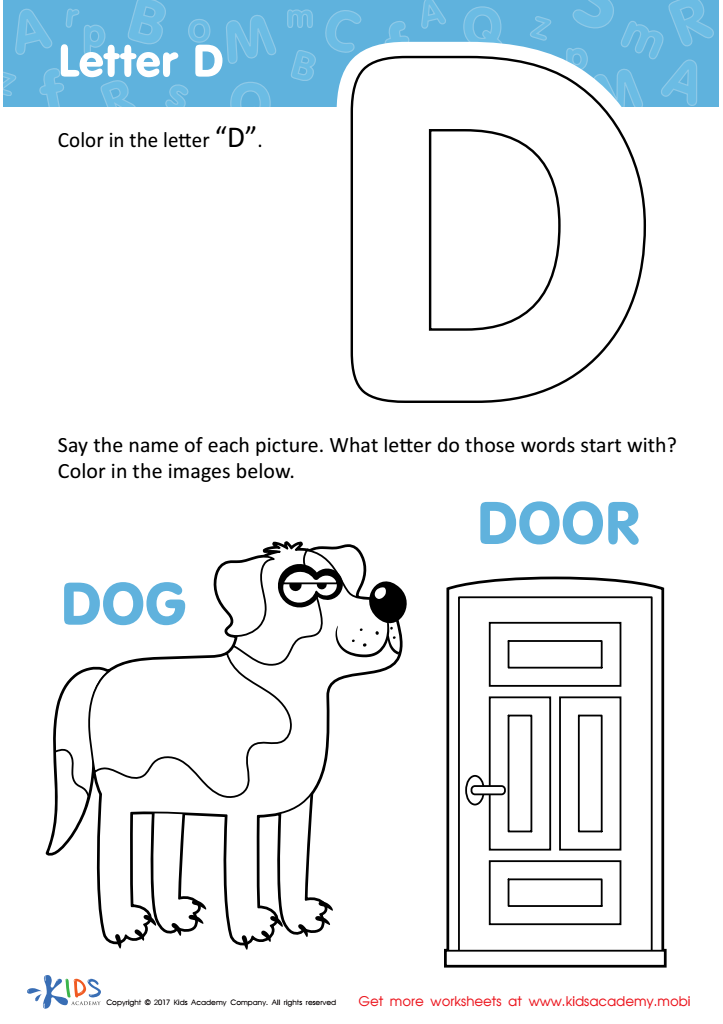
Letter D Coloring Sheet
Assign to My Students
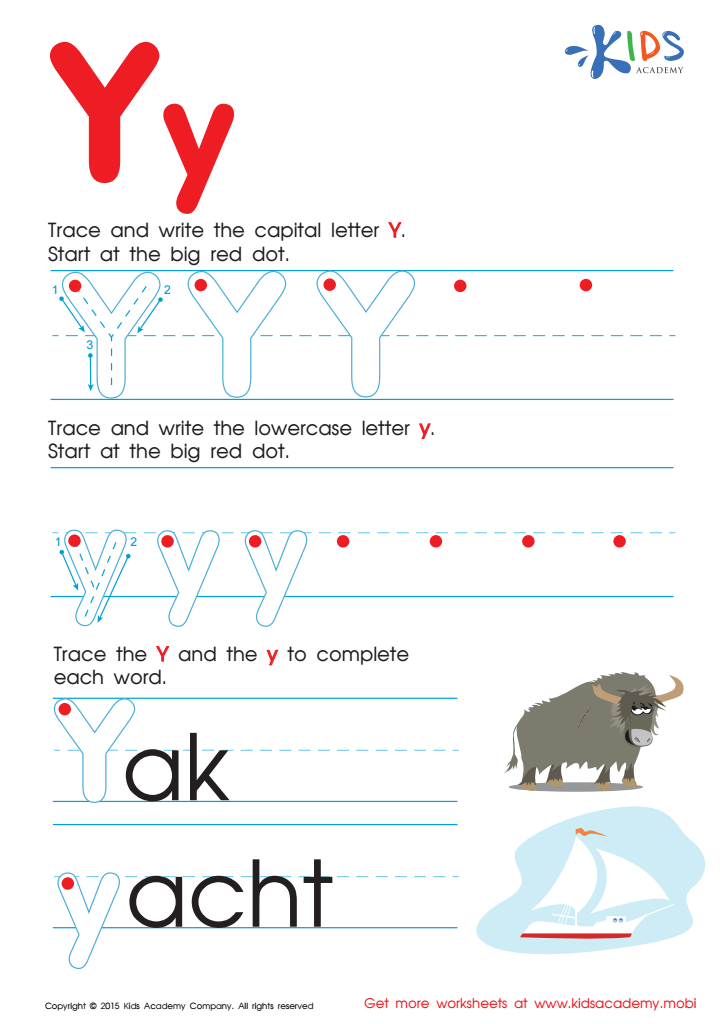
Letter Y Tracing Page

Letter E Tracing Worksheet
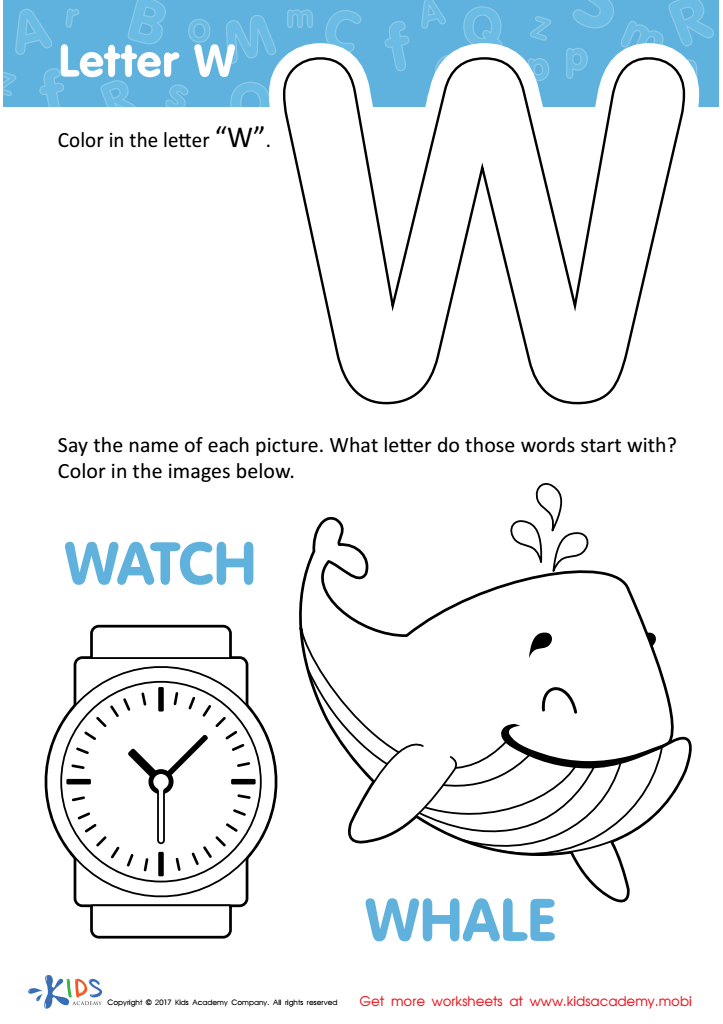
Letter W Coloring Sheet
Assign to My Students
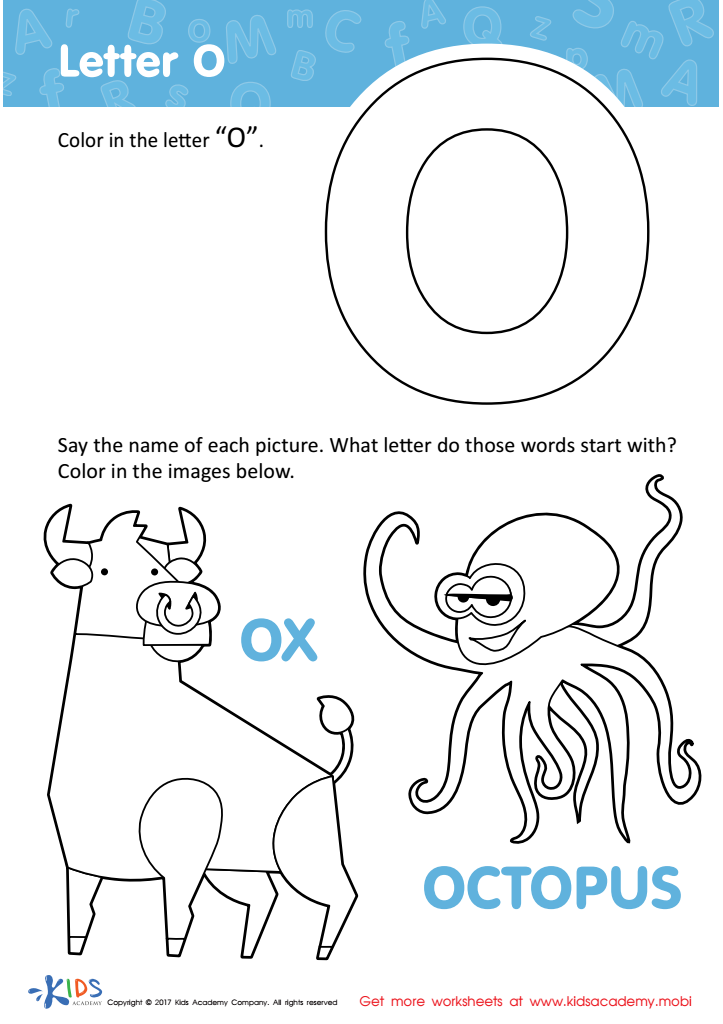
Letter O Coloring Sheet
Assign to My Students





Alphabet recognition is an essential milestone in early childhood education, particularly for 4-year-olds who are just beginning their language development. Parents and teachers should prioritize this because it lays the groundwork for essential literacy skills, such as reading and writing. Recognizing letters is the first step towards understanding that written text is a symbolic representation of spoken language.
At this age, children's brains are highly plastic, meaning they are incredibly receptive to new information. Early mastery of the alphabet gives children a significant advantage in phonemic awareness, which is the ability to hear, identify, and play with individual sounds in spoken words. Studies show that children who can easily recognize letters are more successful in learning to read than those who cannot.
Parents and teachers play a crucial role in this process by creating engaging and supportive learning environments. Interactive activities like singing alphabet songs, reading books with rich imagery, and playing letter-matching games make learning fun and memorable. This can accelerate a child's ability to recognize letters and form connections with their corresponding sounds.
Additionally, by investing time in alphabet recognition activities, parents and educators are helping to foster a lifelong love for learning and reading, setting the stage for academic success in later years. The time spent on alphabet recognition thus plays a long-term role in a child's overall educational journey.