Associative learning Worksheets for 4-Year-Olds
3 filtered results
-
From - To
Discover our engaging Associative Learning Worksheets for 4-Year-Olds, designed to enhance early cognitive skills through fun and interactive activities! These worksheets focus on helping young learners make connections between related concepts, objects, and ideas. With vibrant illustrations and captivating themes, children will enjoy practicing matching, sorting, and categorizing tasks. This foundational learning nurtures critical thinking, memory, and problem-solving abilities, essential for their educational growth. Tailored to meet the developmental needs of preschoolers, our worksheets ensure a joyful and effective learning experience. Explore our collection today and support your child's journey in becoming a curious, confident, and skilled learner!
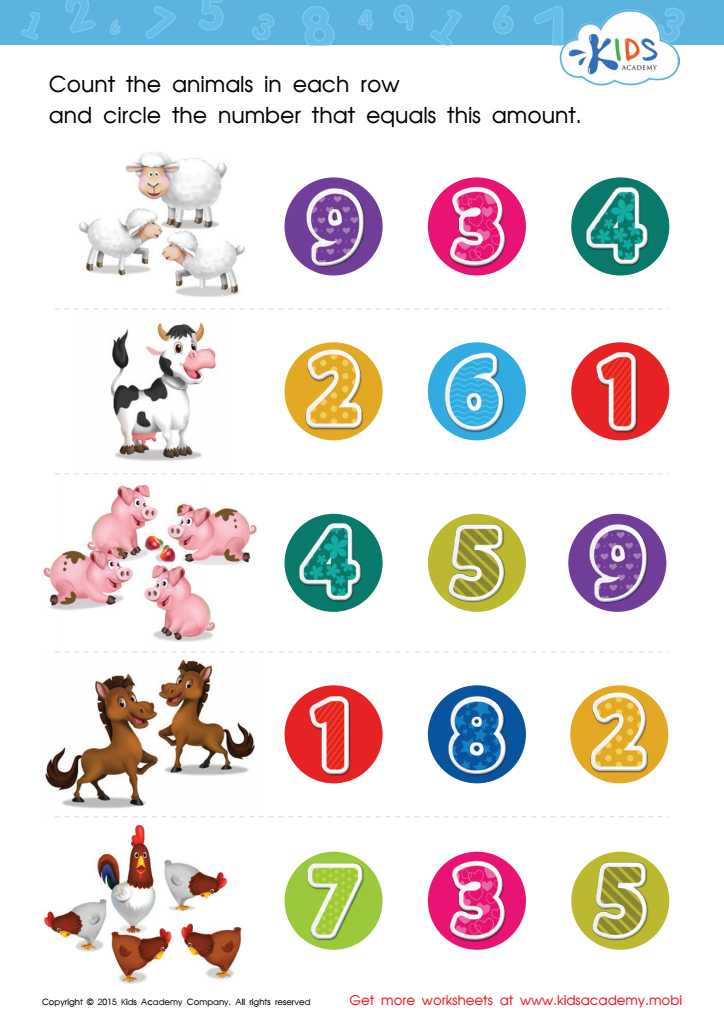
Count and Match 1 – 5 Math Worksheet
 Assign to My Students
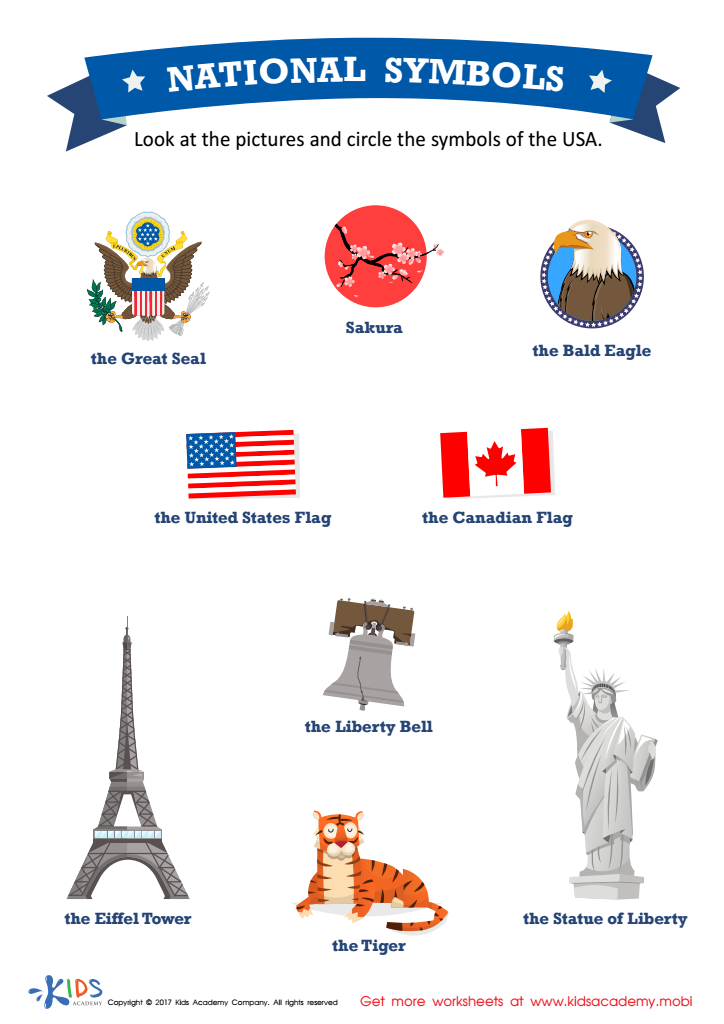
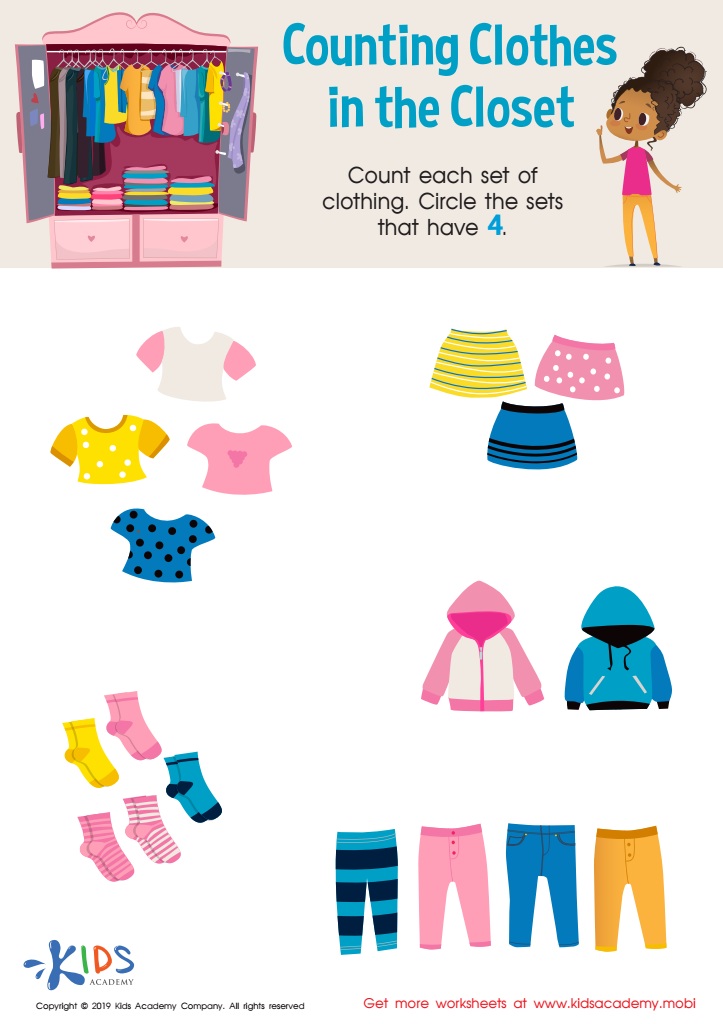
Counting Clothes Worksheet








Associative learning is a fundamental cognitive process in which children make connections between different concepts, ideas, or experiences. For 4-year-olds, this development is crucial as it lays the foundation for critical thinking and problem-solving skills. Parents and teachers should prioritize associative learning because it enhances language development, social skills, and emotional understanding.
At this age, children are naturally curious and thrive in interactive environments. By fostering associative learning through activities like storytelling, role-playing, and hands-on experiences, caregivers can help children make links between words and their meanings, emotions and actions, or objects and their uses. This not only aids vocabulary growth but also strengthens their ability to relate to others, fostering empathy and emotional intelligence.
Moreover, associative learning helps children categorize and interpret their world, making it easier for them to understand complex relationships as they grow. Engaging children in discussions that encourage them to draw connections to their experiences supports their critical thinking and reasoning abilities. Ultimately, by nurturing associative learning, parents and teachers equip young learners with essential tools to navigate academic challenges and everyday interactions in a more informed and meaningful way. This investment in early cognitive development pays dividends throughout their educational journey.








