Check out this FREE "Basic Addition Skills" Trial Lesson for age 4!

Adding with 4's

Favorites
With answer key
Interactive
  • 4
  • Basic Addition Skills
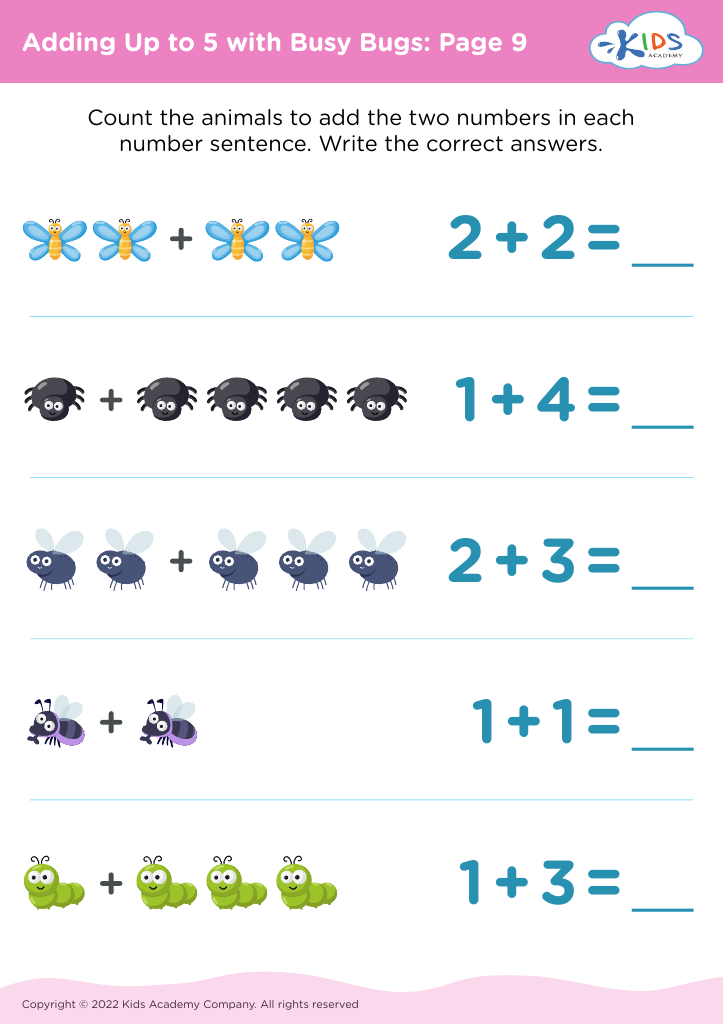
Adding Up to 5 with Busy Bugs: Page 9
Worksheet
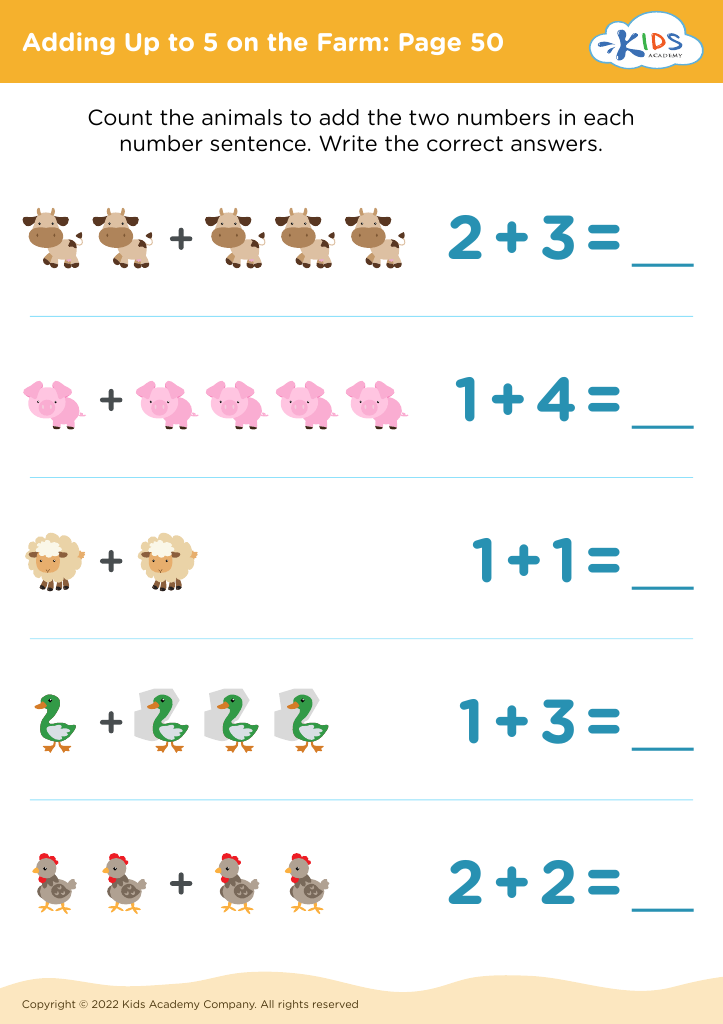
Adding Up to 5 on the Farm: Page 50
Worksheet
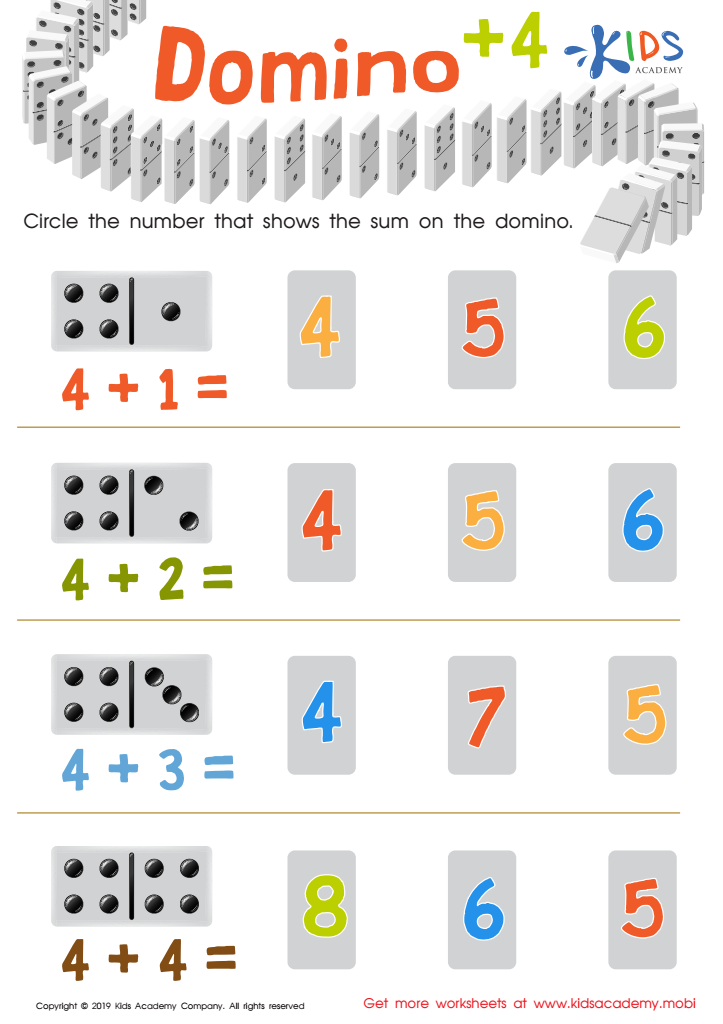
Domino +4 Worksheet
Domino +4 Worksheet

Domino +4 Worksheet

Ask your kids if they know what a domino is. Explain, then move on to solving the four simple equations on this printout, adding a number to 4. Help them find the sum and circle the number.
Domino +4 Worksheet
Worksheet
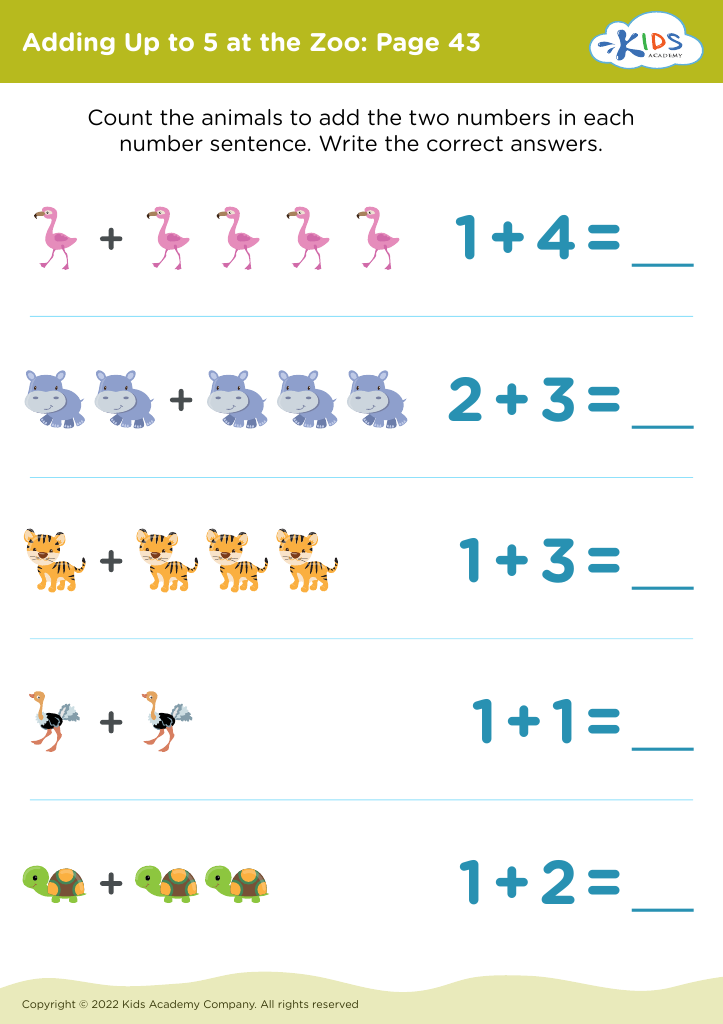
Adding Up to 5 at the Zoo: Page 43
Worksheet
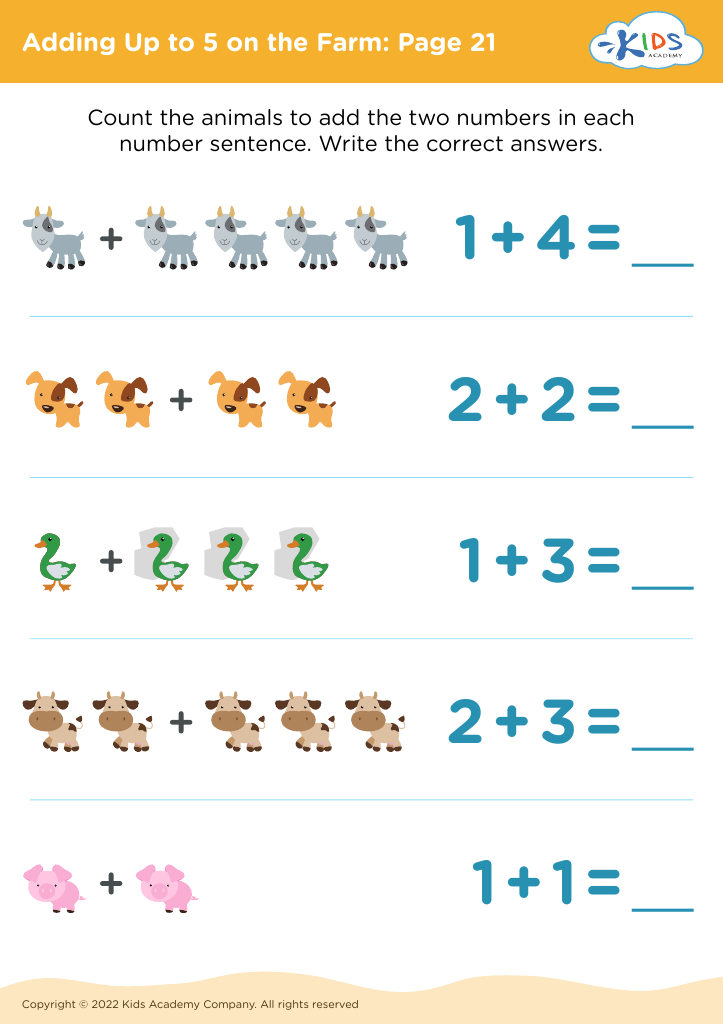
Adding Up to 5 on the Farm: Page 21
Worksheet
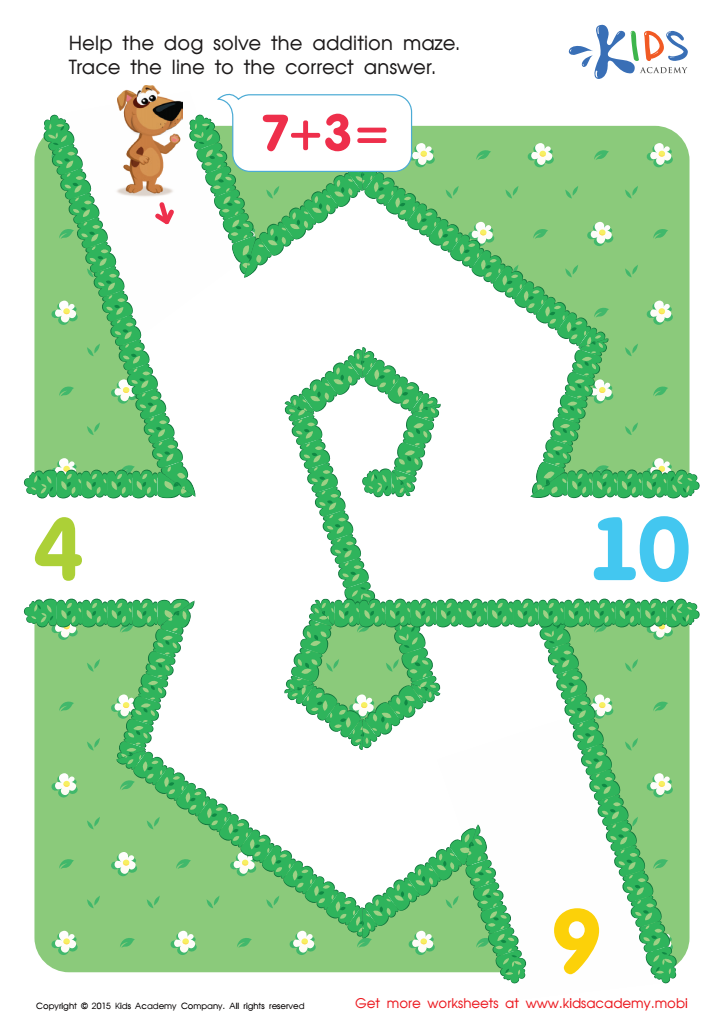
Math: Seven Plus Three PDF Worksheet

Seven Plus Three Worksheet
Practice addition and subtraction with your kids, help them out and make learning math an enjoyable activity.
Seven Plus Three Worksheet
Worksheet
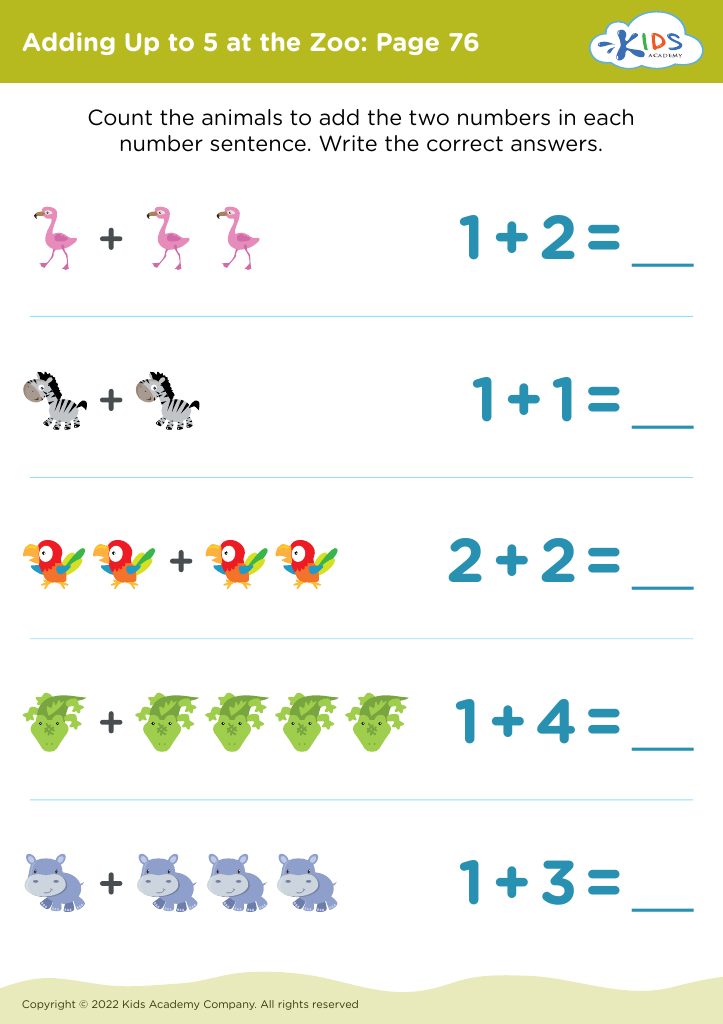
Adding Up to 5 at the Zoo: Page 76
Worksheet
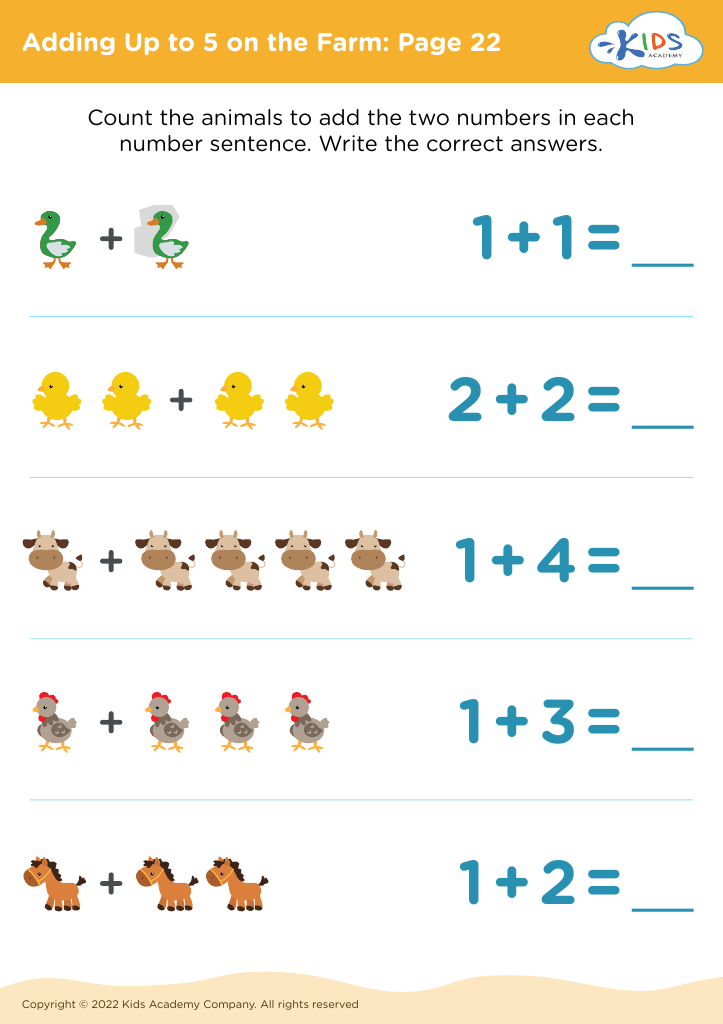
Adding Up to 5 on the Farm: Page 22
Worksheet
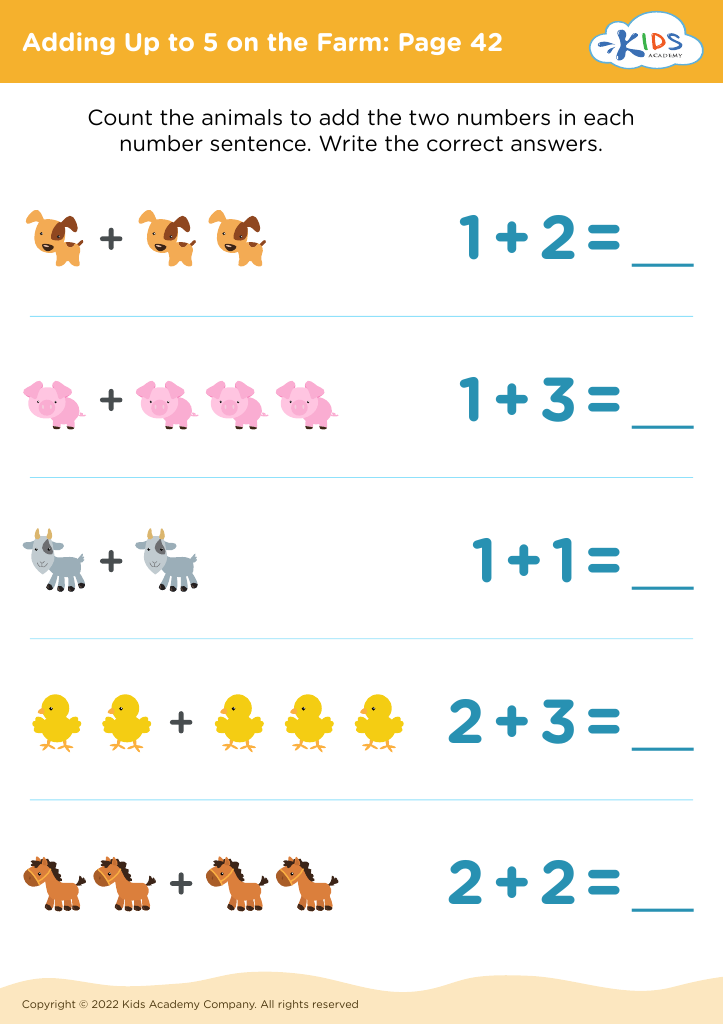
Adding Up to 5 on the Farm: Page 42
Worksheet
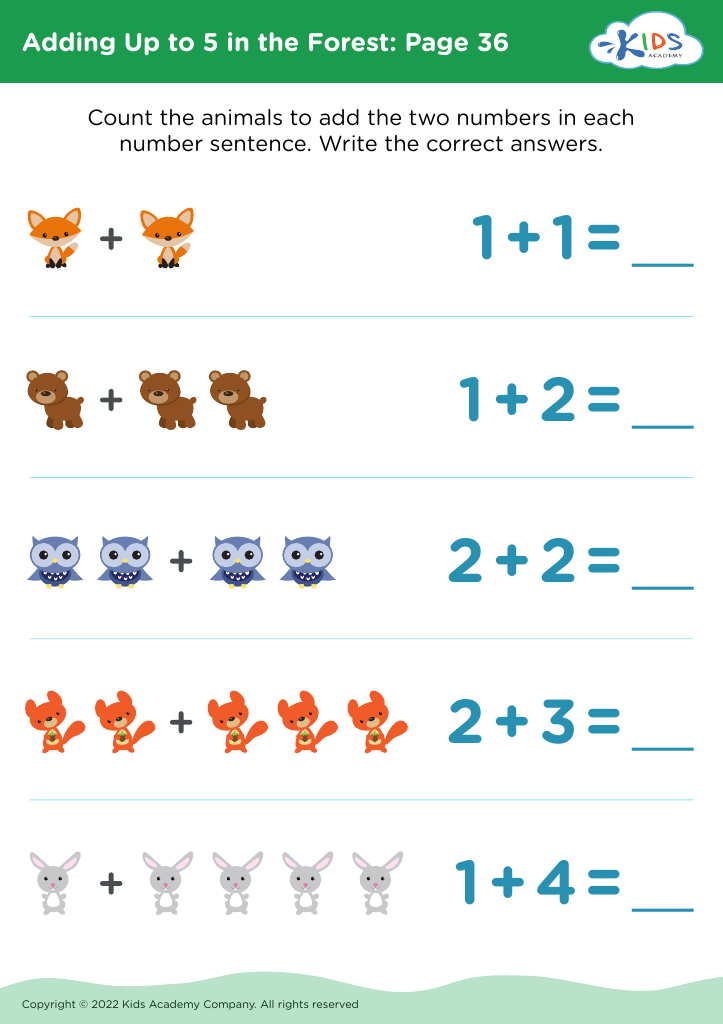
Adding Up to 5 in the Forest: Page 36
Worksheet
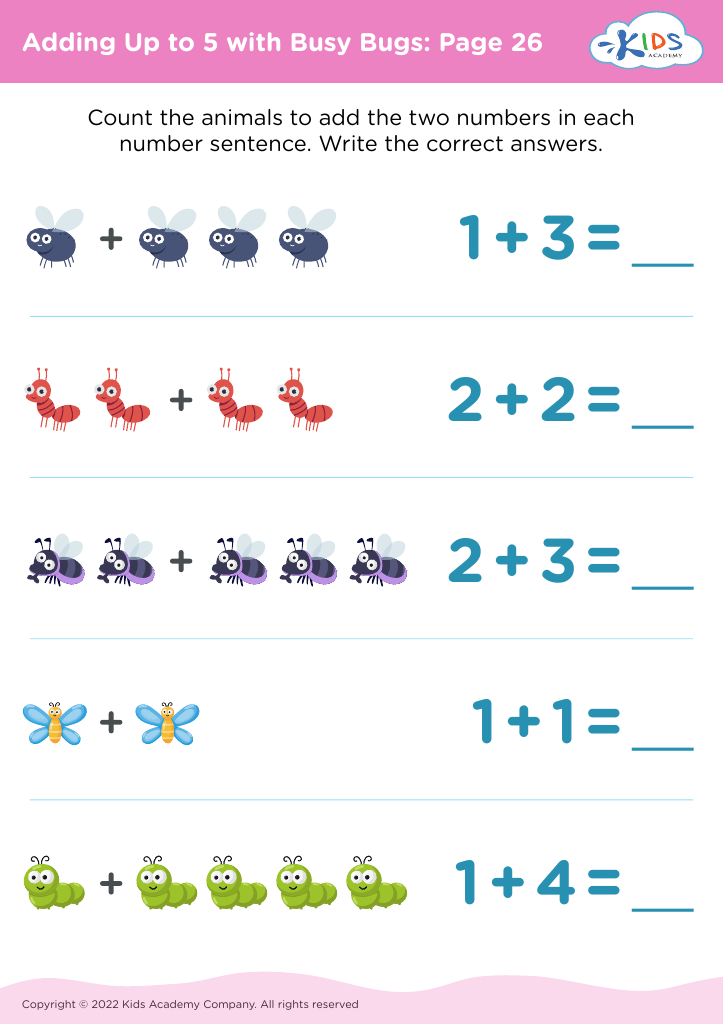
Adding Up to 5 with Busy Bugs: Page 26
Worksheet
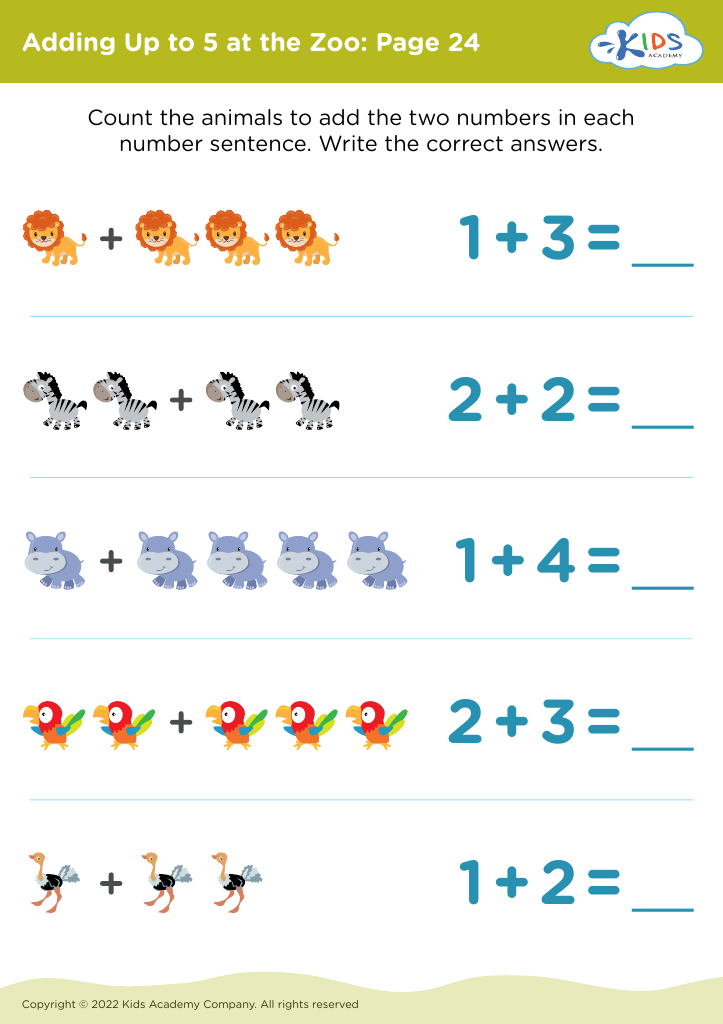
Adding Up to 5 at the Zoo: Page 24
Worksheet
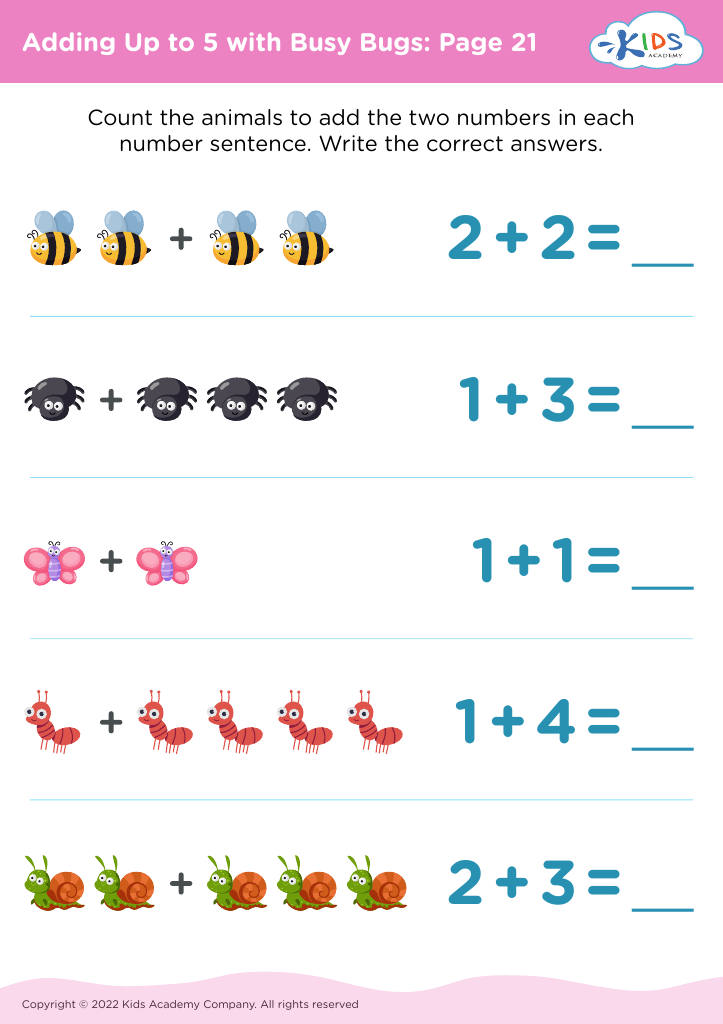
Adding Up to 5 with Busy Bugs: Page 21
Worksheet
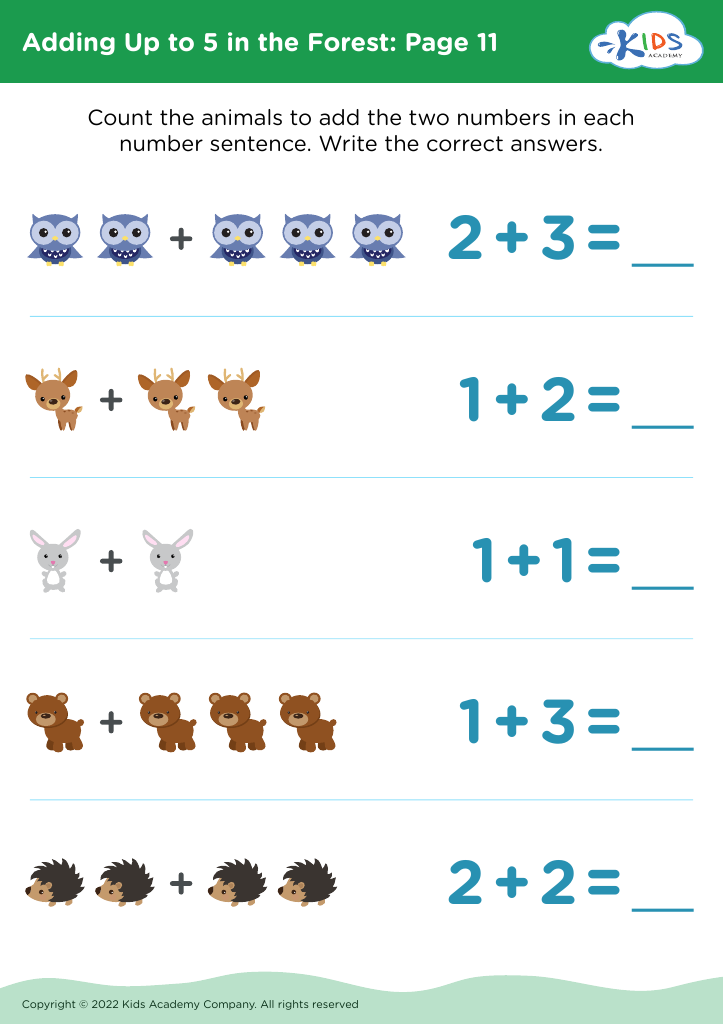
Adding Up to 5 in the Forest: Page 11
Worksheet
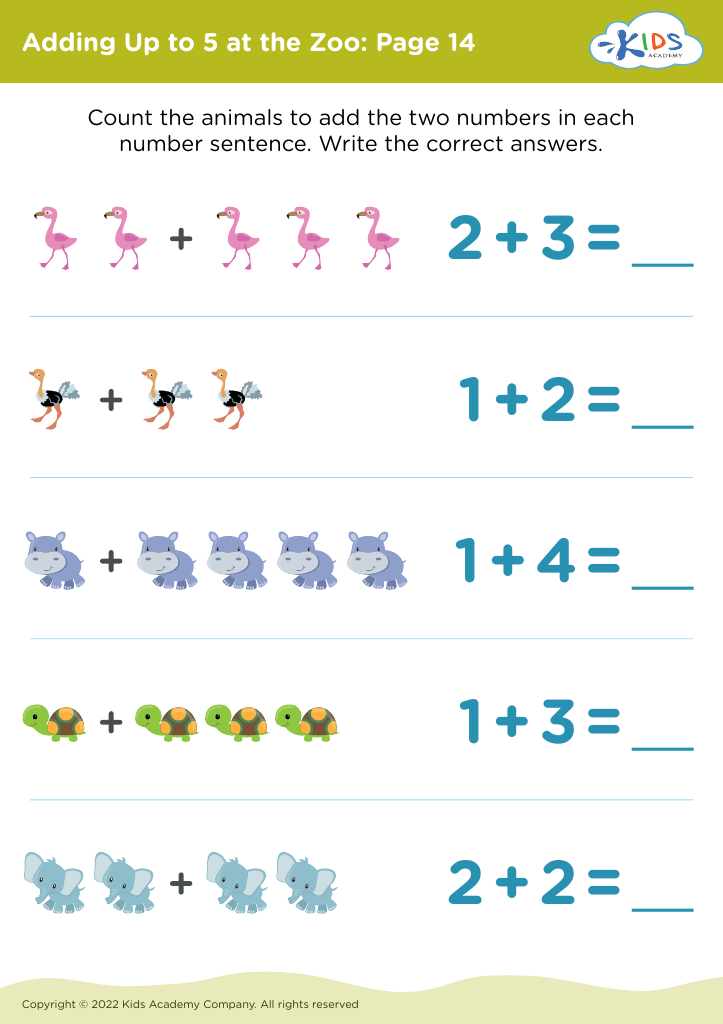
Adding Up to 5 at the Zoo: Page 14
Worksheet
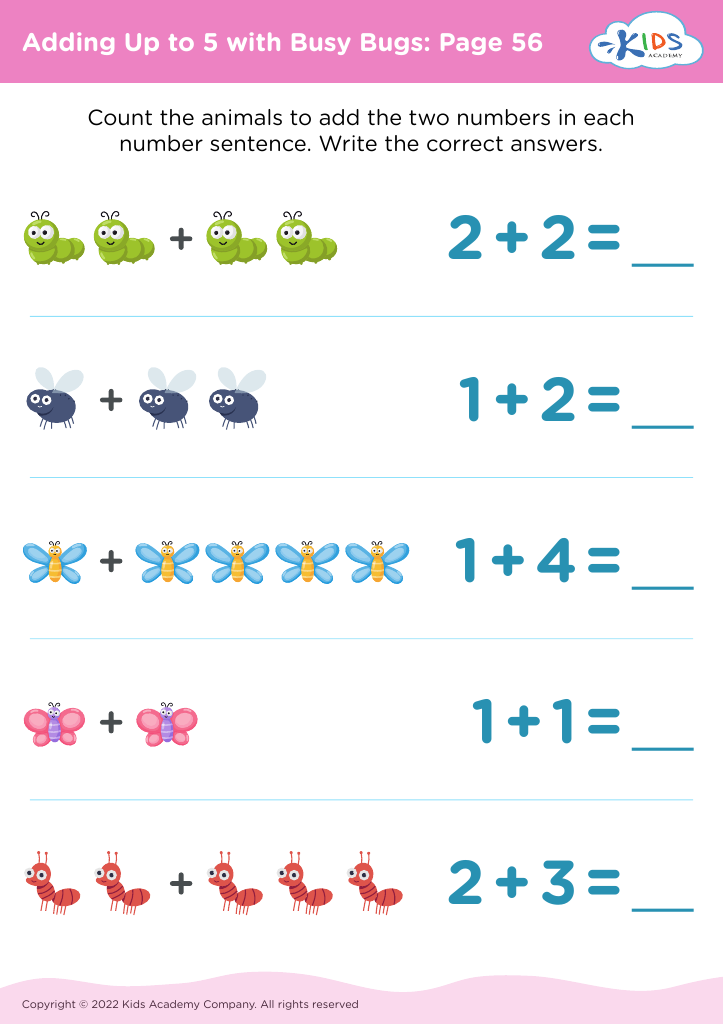
Adding Up to 5 with Busy Bugs: Page 56
Worksheet
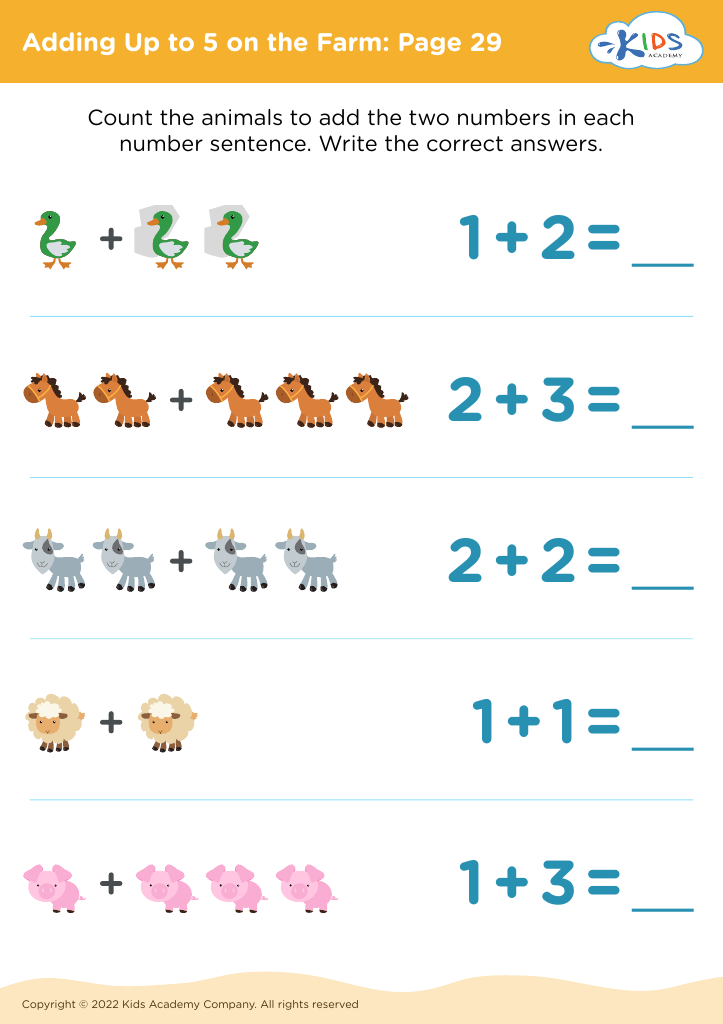
Adding Up to 5 on the Farm: Page 29
Worksheet
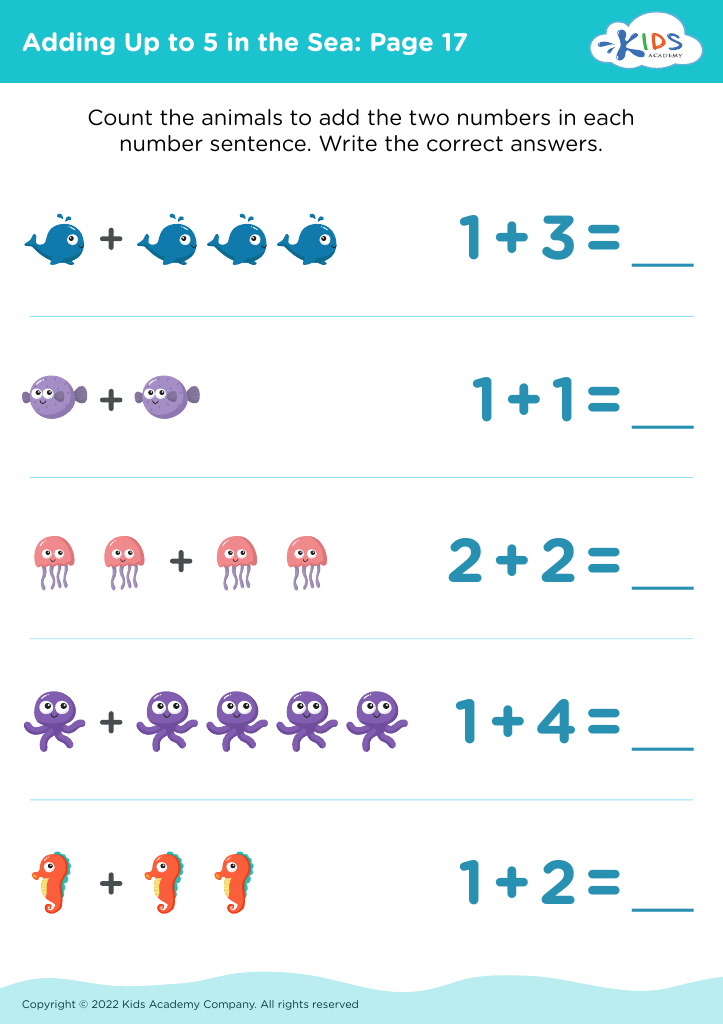
Adding Up to 5 in the Sea: Page 17
Worksheet
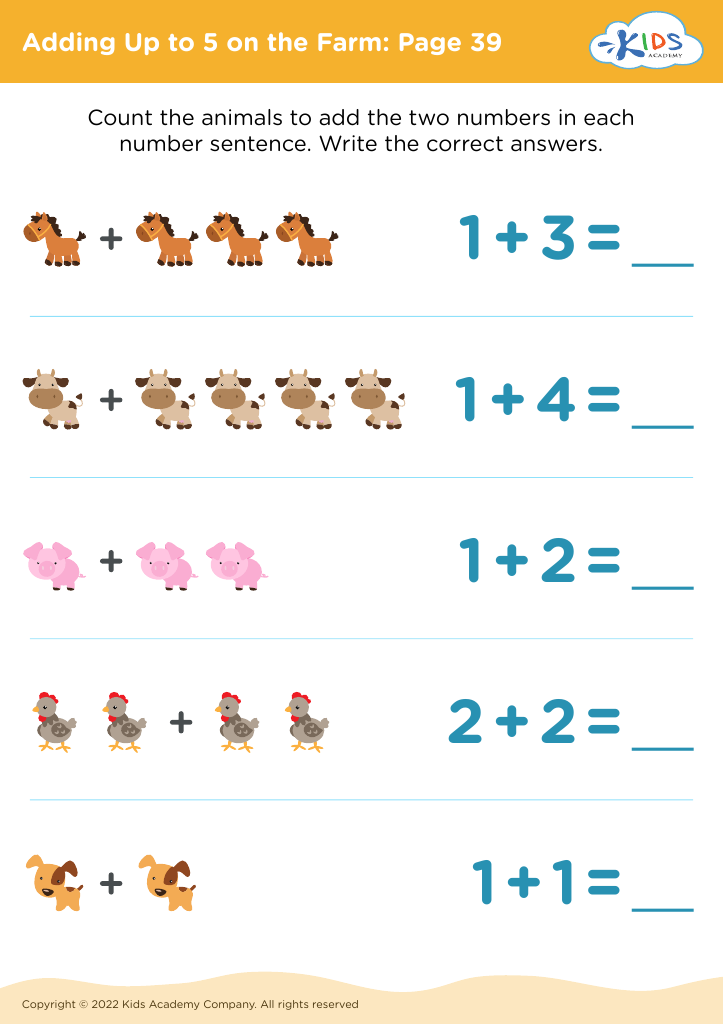
Adding Up to 5 on the Farm: Page 39
Worksheet
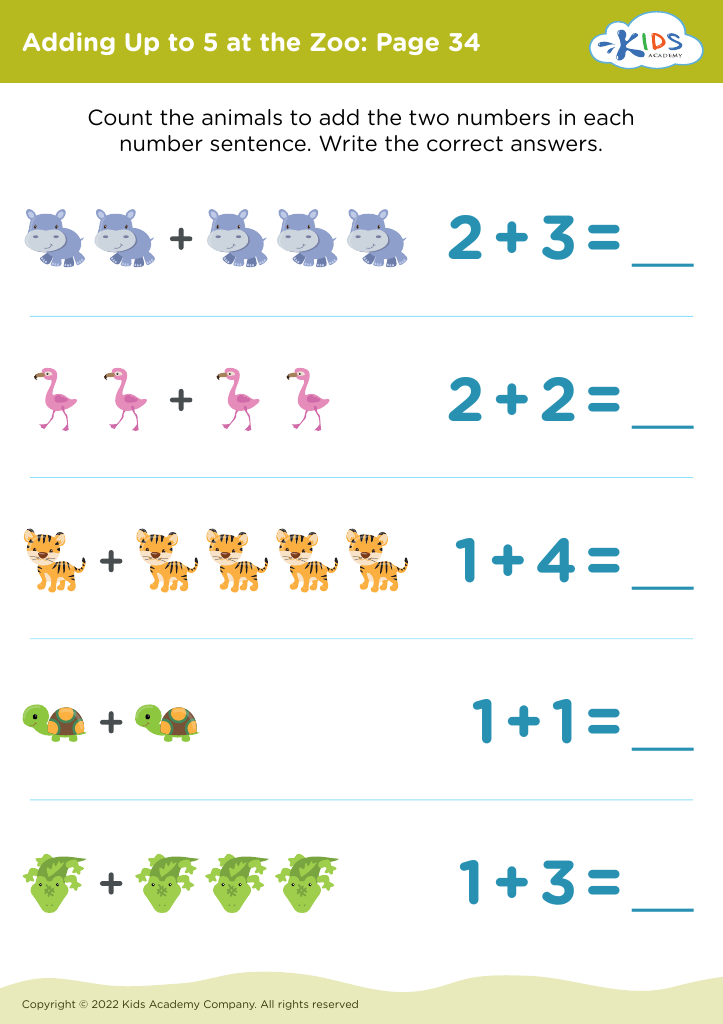
Adding Up to 5 at the Zoo: Page 34
Worksheet
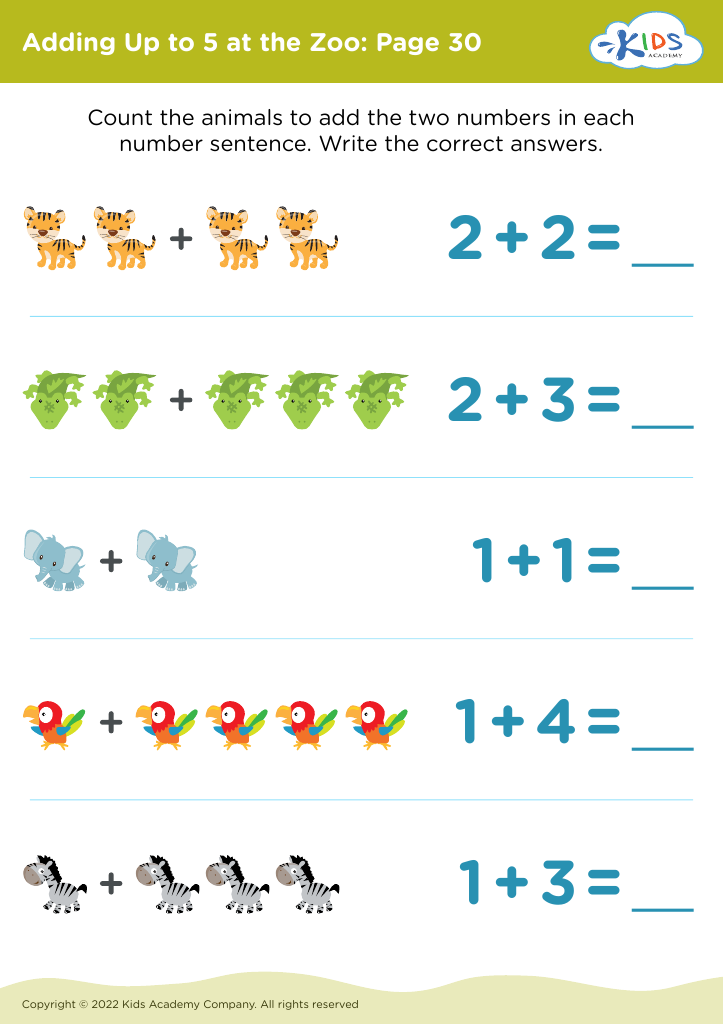
Adding Up to 5 at the Zoo: Page 30
Worksheet
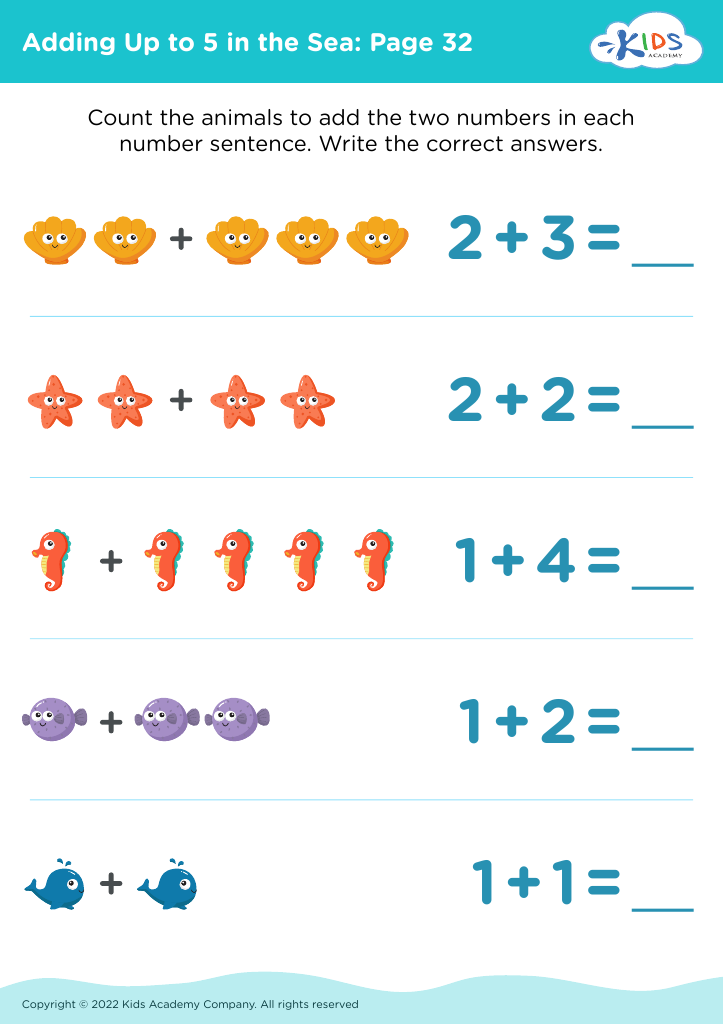
Adding Up to 5 in the Sea: Page 32
Worksheet
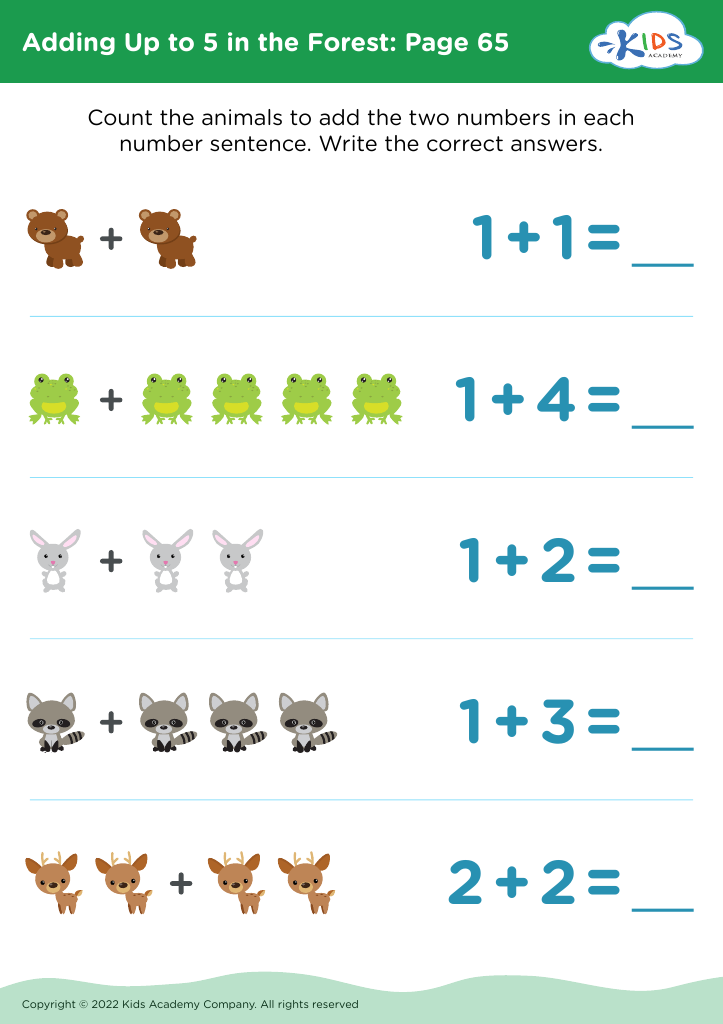
Adding Up to 5 in the Forest: Page 65
Worksheet
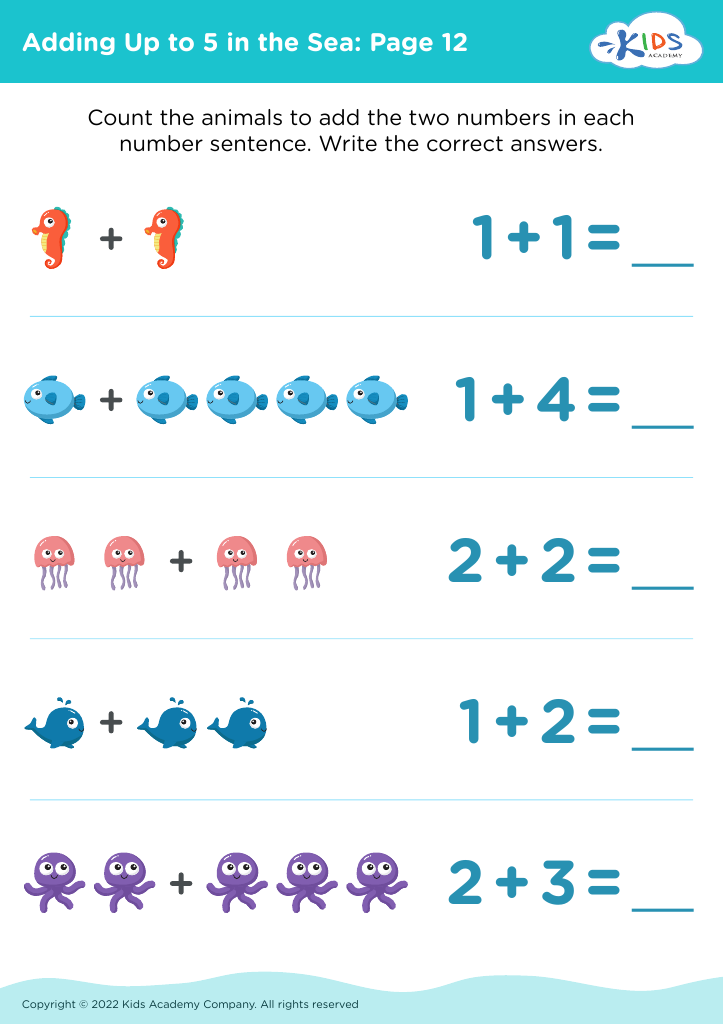
Adding Up to 5 in the Sea: Page 12
Worksheet


Basic addition skills play a crucial role in the developmental milestones of 4-year-olds, making it essential for parents and teachers to prioritize this foundational math proficiency. Early exposure to addition helps children enhance cognitive capabilities, including problem-solving, critical thinking, and logical reasoning. By engaging in simple addition activities, children develop number sense, which is vital for their future math understanding.

Moreover, mastering basic addition skills fosters a positive attitude towards learning. Children who confidently grasp these concepts are more likely to engage actively in classroom activities and embrace challenges, laying the groundwork for a lifelong love of learning. Incorporating fun and age-appropriate exercises, like counting toys or adding snacks, can make the learning experience enjoyable and relatable, enhancing retention.

Additionally, early math skills are predictive of later academic success. Studies show that children who develop a strong foundation in math during preschool are more likely to excel in subsequent grades. Lastly, nurturing addition skills improves children's social skills as they collaborate with peers in group activities, share ideas, and celebrate achievements together. Therefore, parents and teachers should be invested in cultivating these early math skills to provide 4-year-olds with a robust educational foundation that promotes both academic and personal growth.