Fraction simplification Worksheets for 4-Year-Olds
5 filtered results
-
From - To
Discover our Fraction Simplification Worksheets designed specifically for 4-year-olds! These fun and engaging printables introduce young learners to the basics of simplifying fractions, helping them develop essential math skills from an early age. With bright, colorful illustrations and easy-to-follow instructions, our worksheets make learning fractions enjoyable and accessible. Perfect for both home and classroom settings, these activities ensure that your child builds a strong mathematical foundation while having a blast. Start nurturing a love for numbers and fractions with our expertly crafted resources today! Visit us to download your free worksheets and watch your child’s confidence soar!
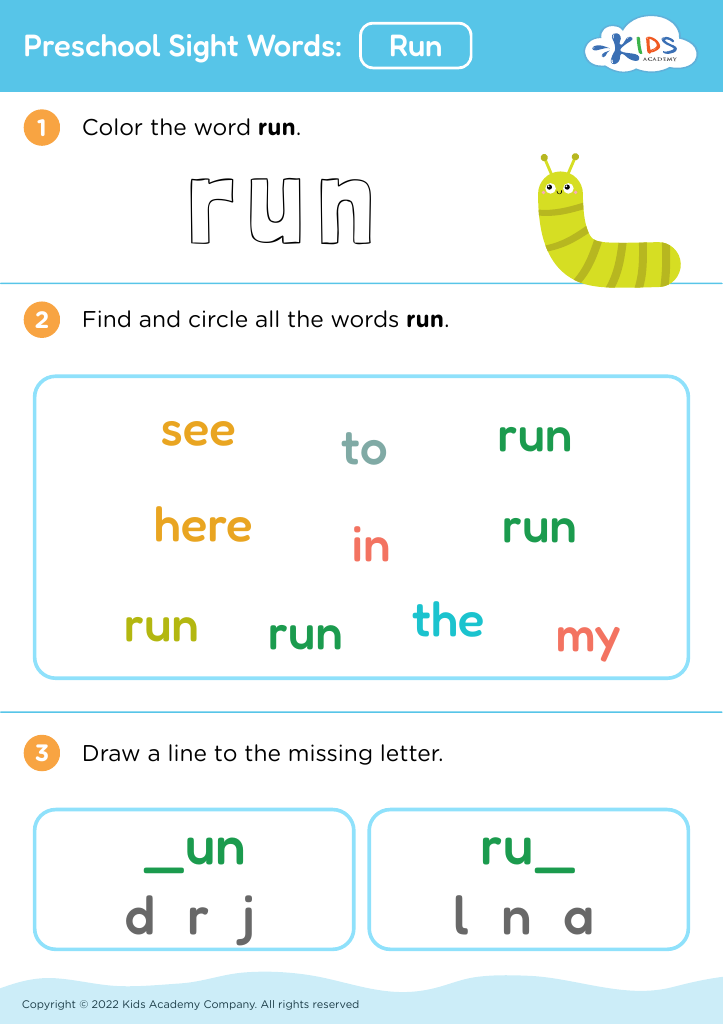
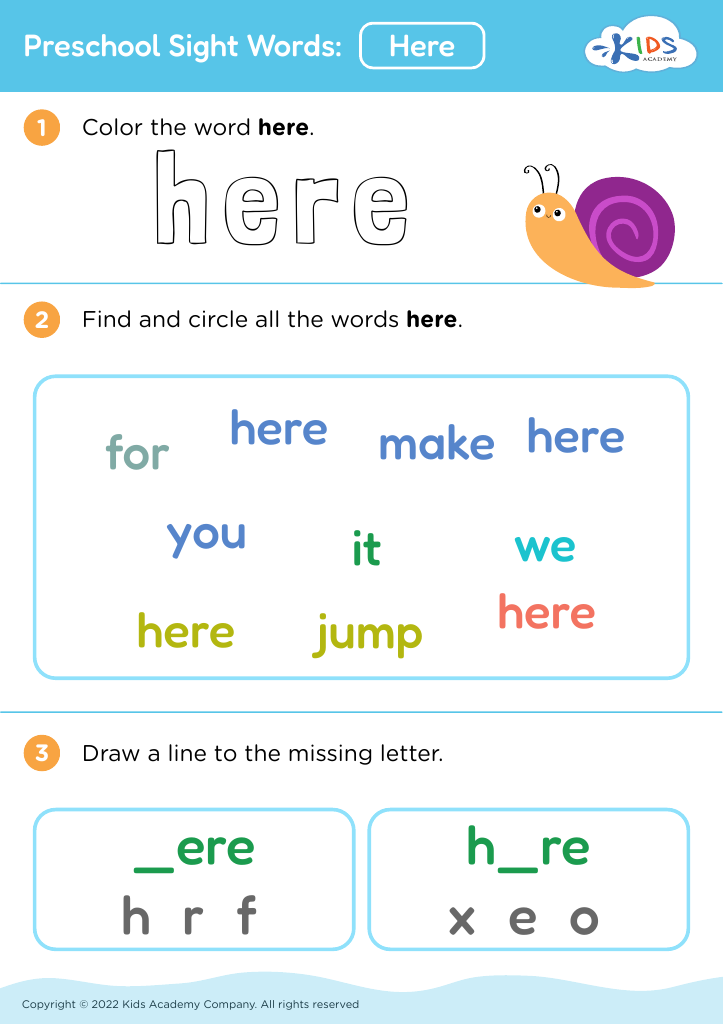
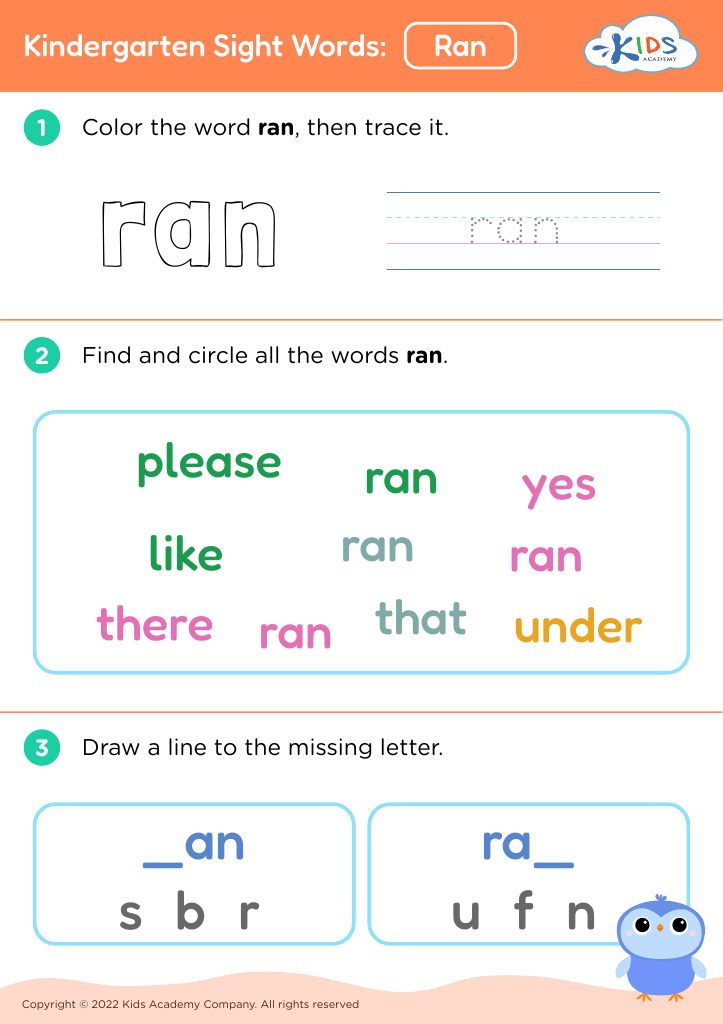
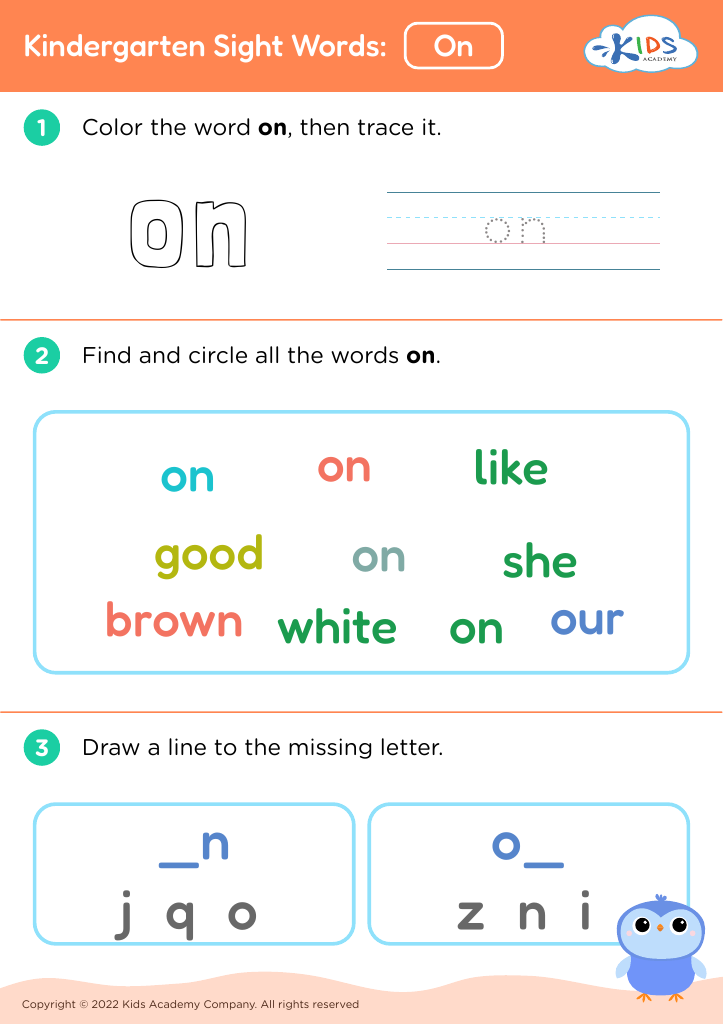







Introducing the foundational concepts of fraction simplification to 4-year-olds is beneficial despite their young age. While they might not fully master the complexities, early exposure could set the groundwork for deeper mathematical understanding in later years. Simplifying fractions involves reducing them to their simplest form, which cultivates critical problem-solving skills and allows for a smoother transition to more advanced math topics.
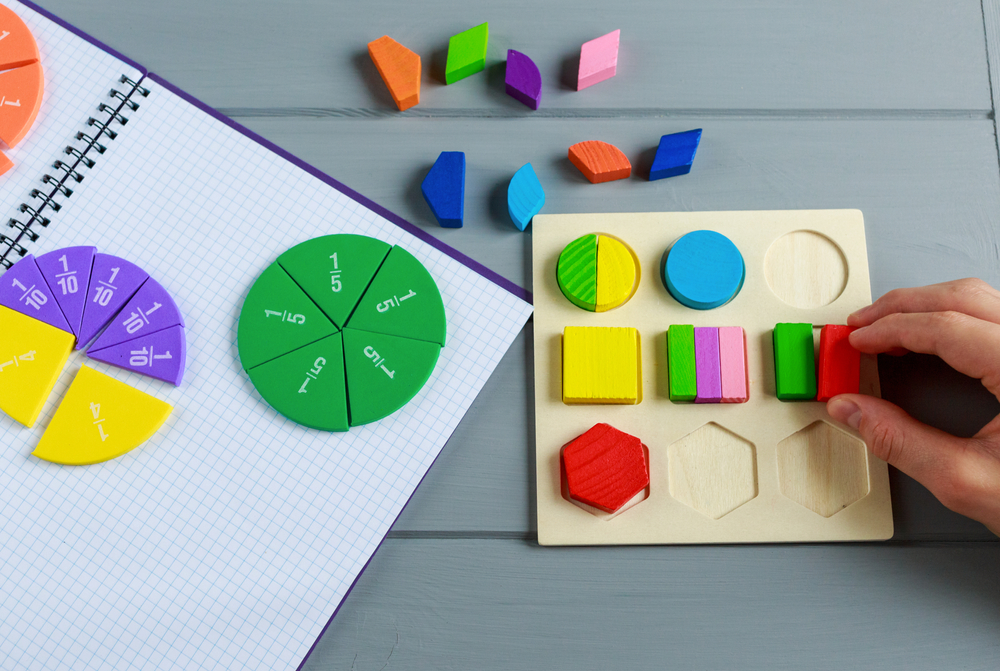
Starting with basic, tangible examples—like cutting an apple into halves or quarters—helps young children to mentally visualize fractions, making abstract math concepts more concrete. It fosters a stronger number sense and teaches them the importance of equivalence, a concept crucial for their future educational journey.
Additionally, engaging young children in these activities encourages curiosity and a positive attitude toward math. Early familiarity boosts their confidence, as these early successes form a solid foundation for later learning. And because cognitive skills such as logical thinking and reasoning start developing early, activities based around simple fractions can feed into these growth areas effectively.
Parents and teachers play a pivotal role in nourishing a child's cognitive development. Showing interest and patience while introducing basic fraction simplification can turn everyday situations into valuable education experiences. This nurtures an intuitive grasp of mathematics that can benefit them throughout their academic and everyday life.








