Letter-sound correlation Worksheets for 4-Year-Olds
7 filtered results
-
From - To
Enhance your 4-year-old’s reading skills with our Letter-Sound Correlation Worksheets! Specially designed for young learners, these engaging worksheets provide a fun and interactive way to master the fundamentals of phonics. Each activity helps children connect letters with their corresponding sounds, a key step in early literacy development. Packed with colorful illustrations and easy-to-follow exercises, our printable resources make learning enjoyable and effective. Practice blending sounds and build a strong phonetic foundation that will pave the way for successful reading. Start your child's reading journey today with our expertly crafted worksheets! Download now from Kids Academy.
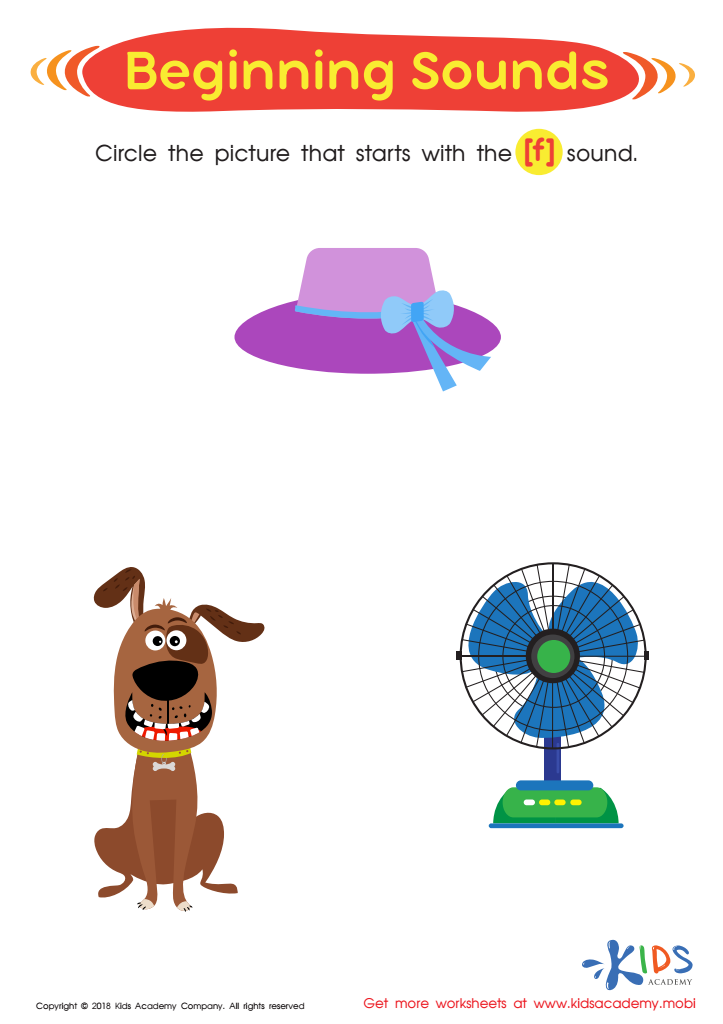
Beginning Sounds Assessment Printable
 Assign to My Students
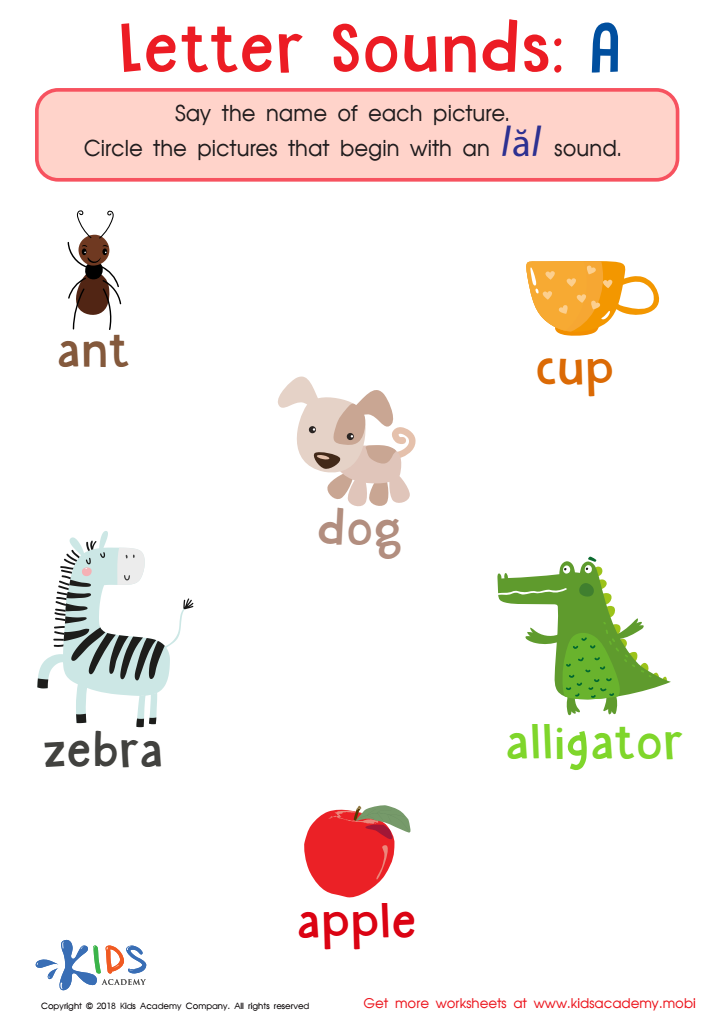
Letter A Sounds Worksheet
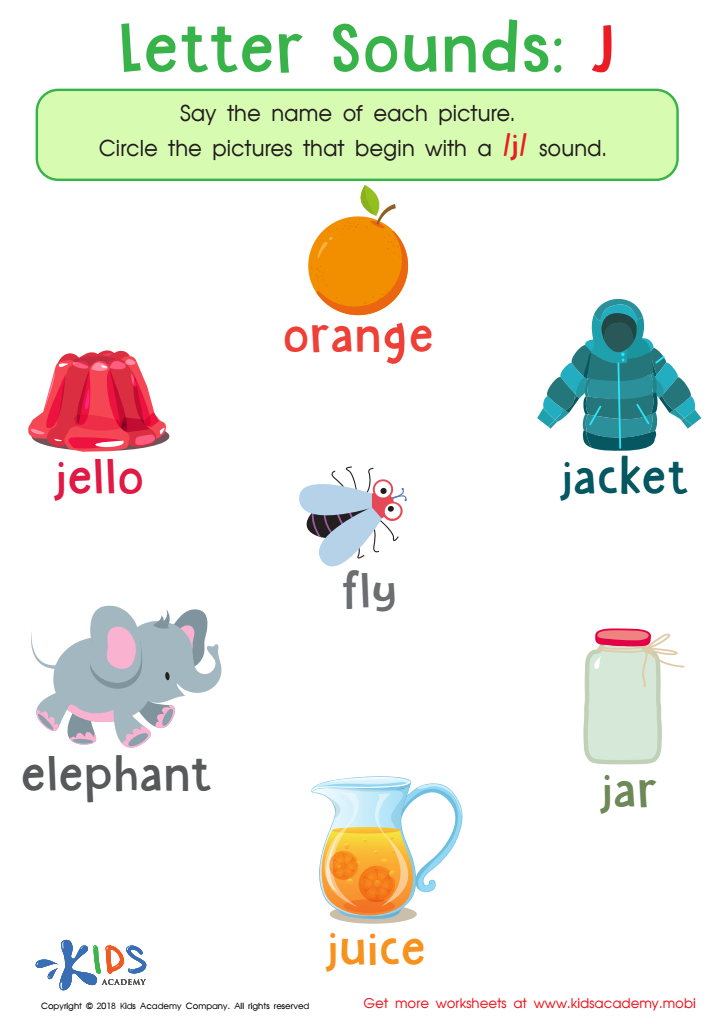
Letter Sounds: J Printable Worksheet
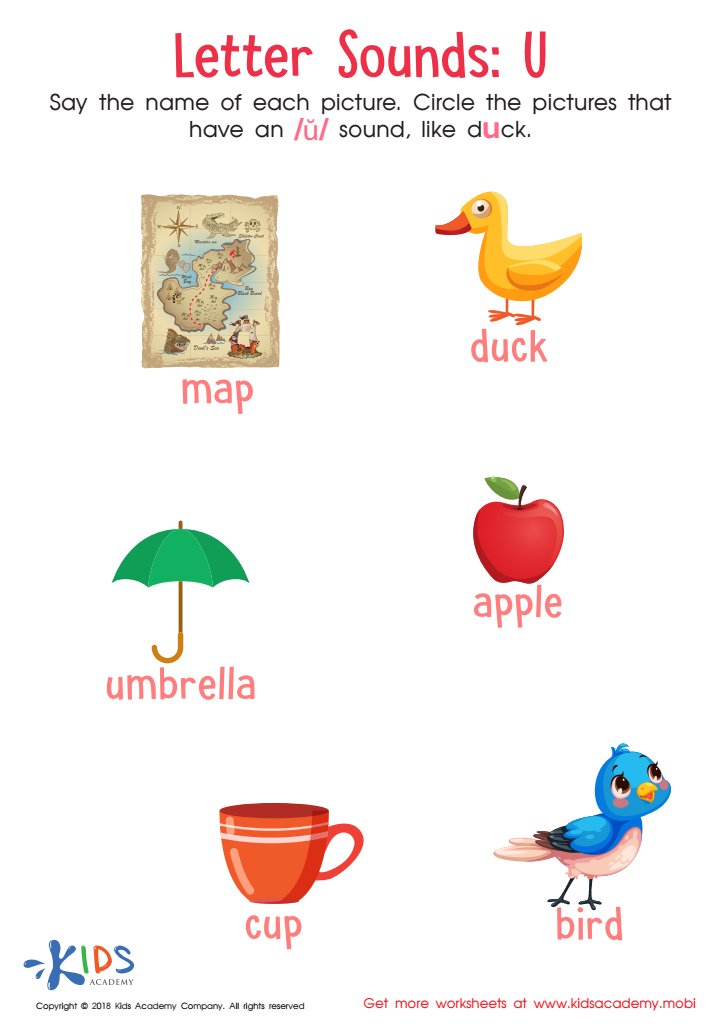
Letter U Sounds Worksheet
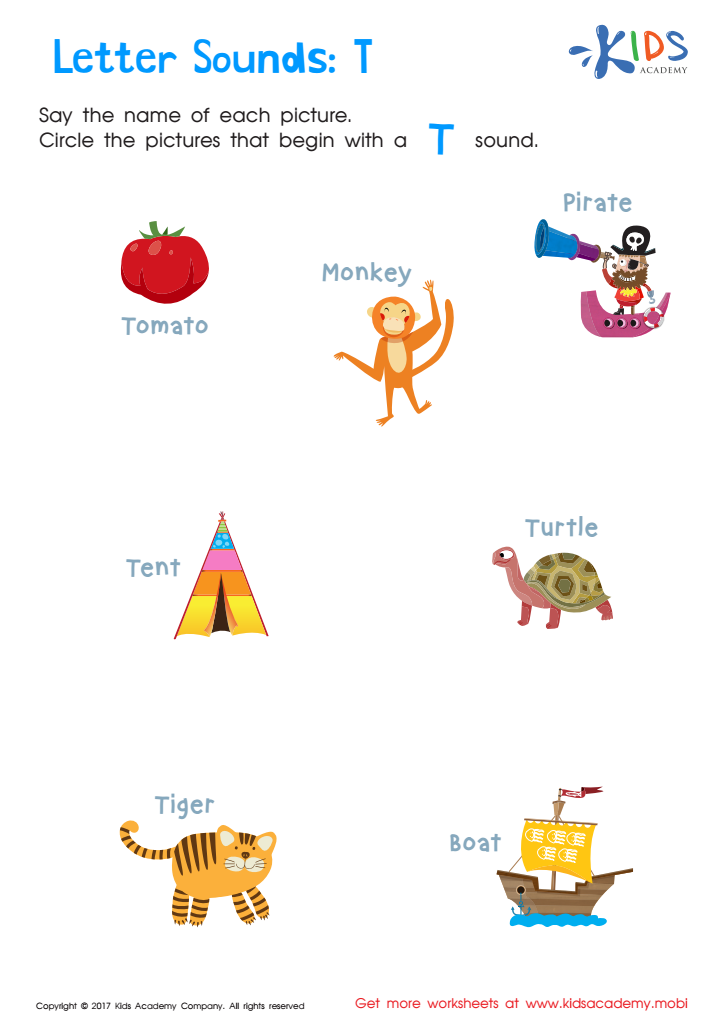
Letter T Sounds Worksheet
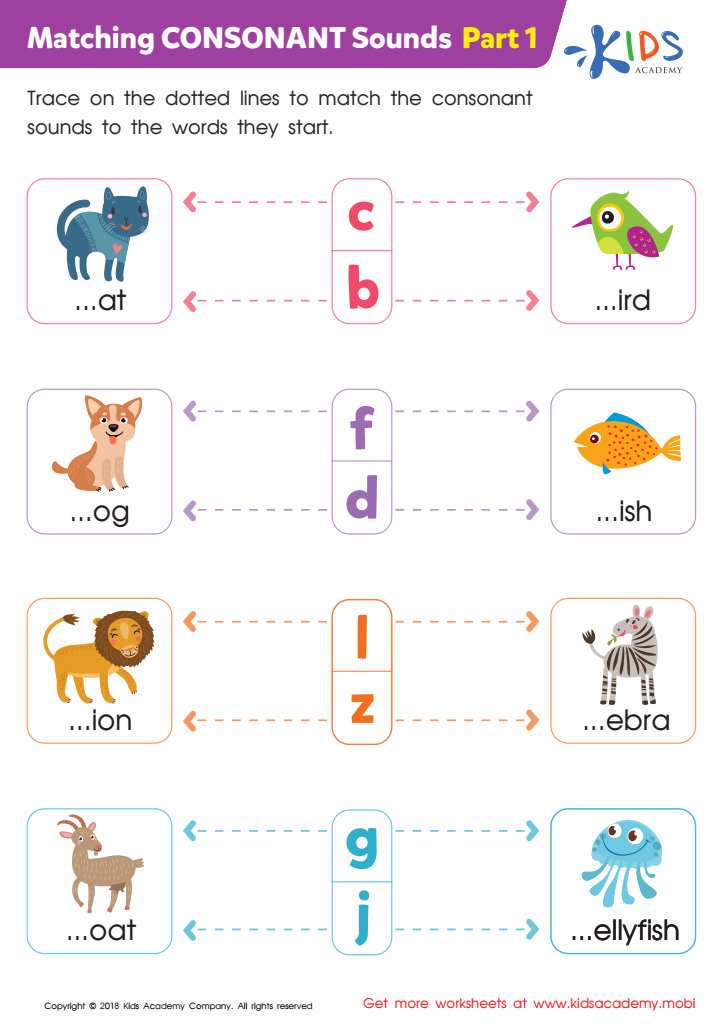
Matching Consonant Sounds: Part 1 Worksheet
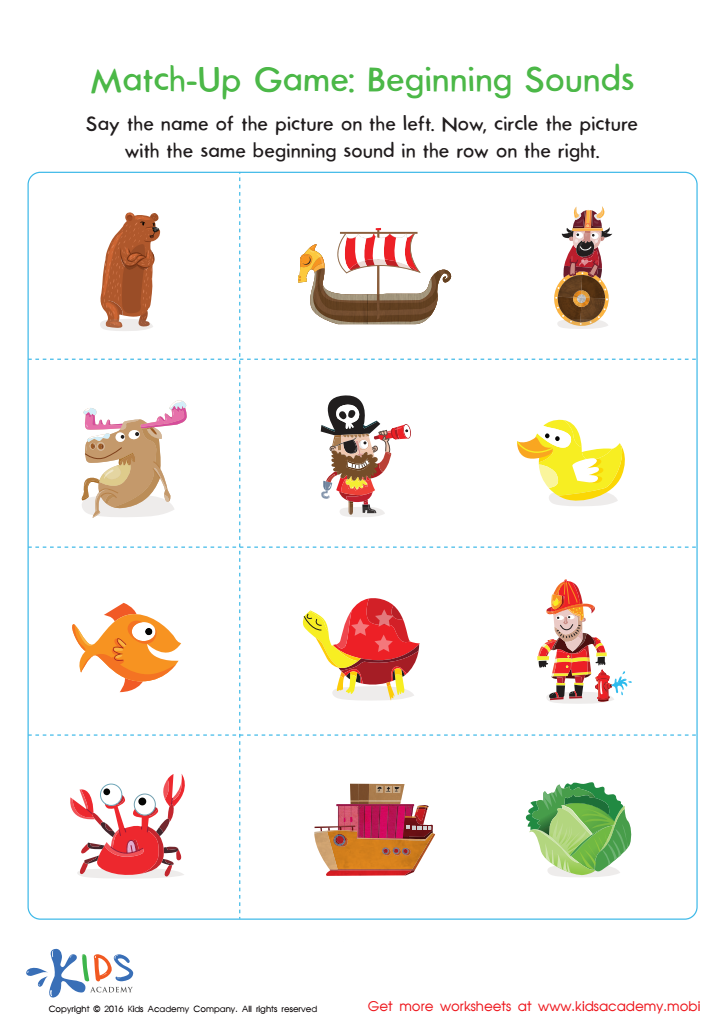
Match–Up Game: Beginning Sounds Worksheet



.jpg)




Understanding letter-sound correlations, also known as phonics, is foundational for early literacy development in 4-year-olds. This skill forms the building blocks for reading and writing, essential competencies for academic success and effective communication. For parents and teachers, focusing on this area can set the stage for a child's future educational achievements.
Firstly, letter-sound correlation helps children decode new words, enhancing their reading fluency and comprehension abilities. When kids can connect letters with corresponding sounds, they experience the joy of figuring out words by themselves, fostering a love for reading.
Secondly, this skill aids in developing spelling and writing capabilities. When children are familiar with how sounds map onto letters, they can make educated guesses about spelling, making writing less intimidating and more intuitive.
Moreover, mastering these connections boosts children's confidence, encouraging them to participate in literacy activities willingly and enthusiastically. It also lays the groundwork for more advanced phonemic awareness, such as recognizing blends, digraphs, and other sound patterns.
In a world where literacy is tied to numerous life skills, early competence in letter-sound relationship not only sparks academic curiosity but also ensures that children are prepared for future learning challenges. Improving their phonics skills should thus be a priority for both parents and teachers.








