Understanding number relationships Worksheets for 4-Year-Olds
4 filtered results
-
From - To
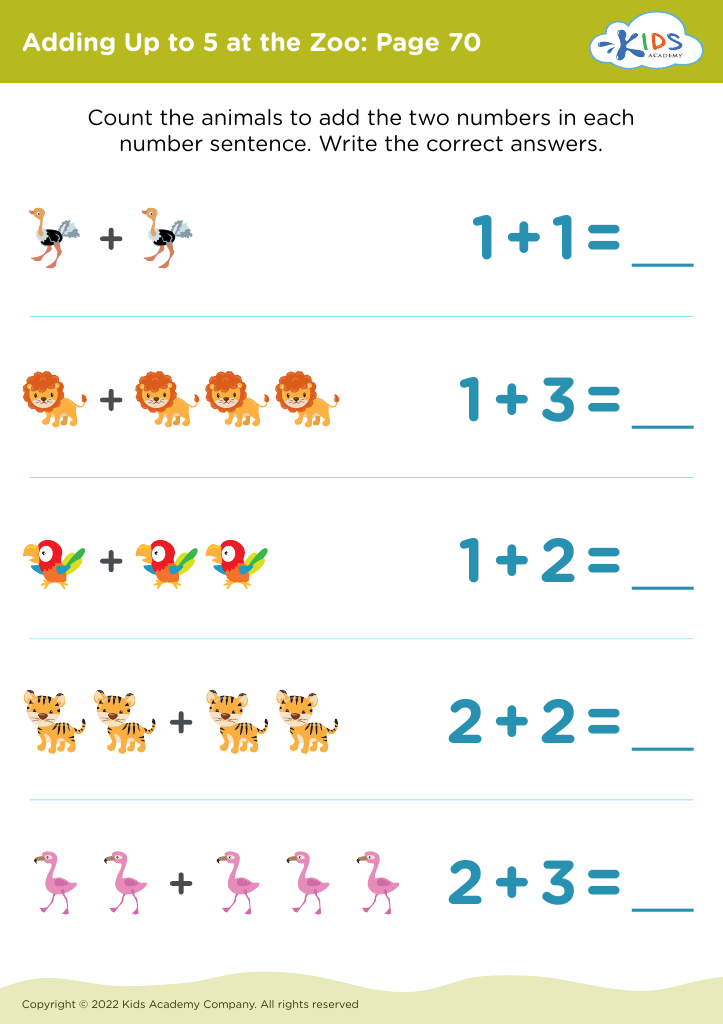
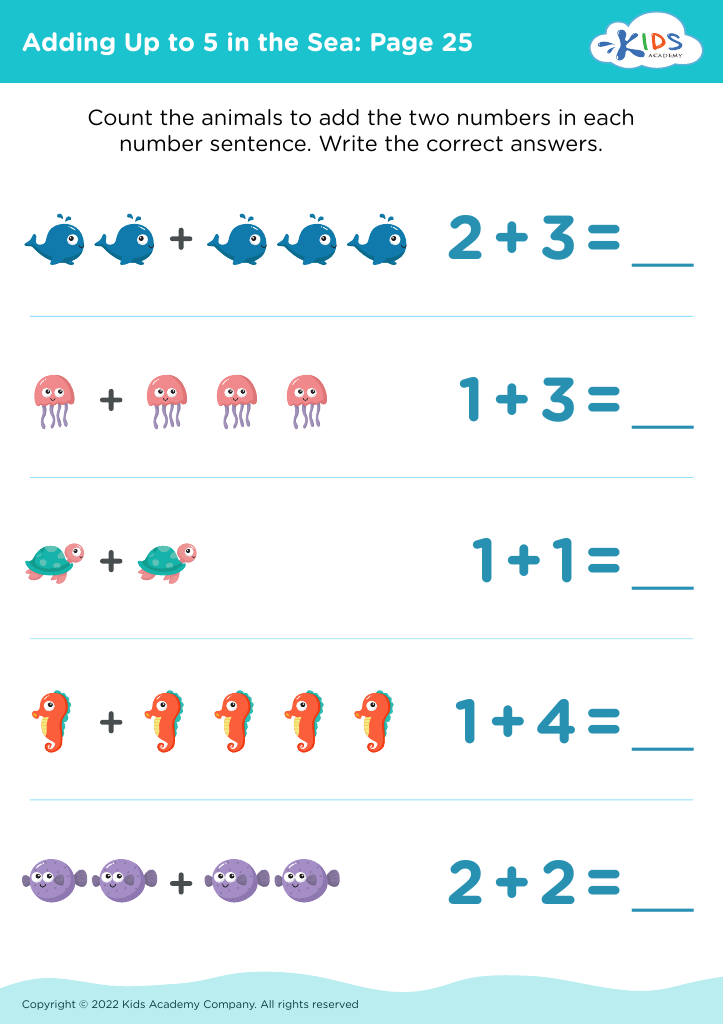
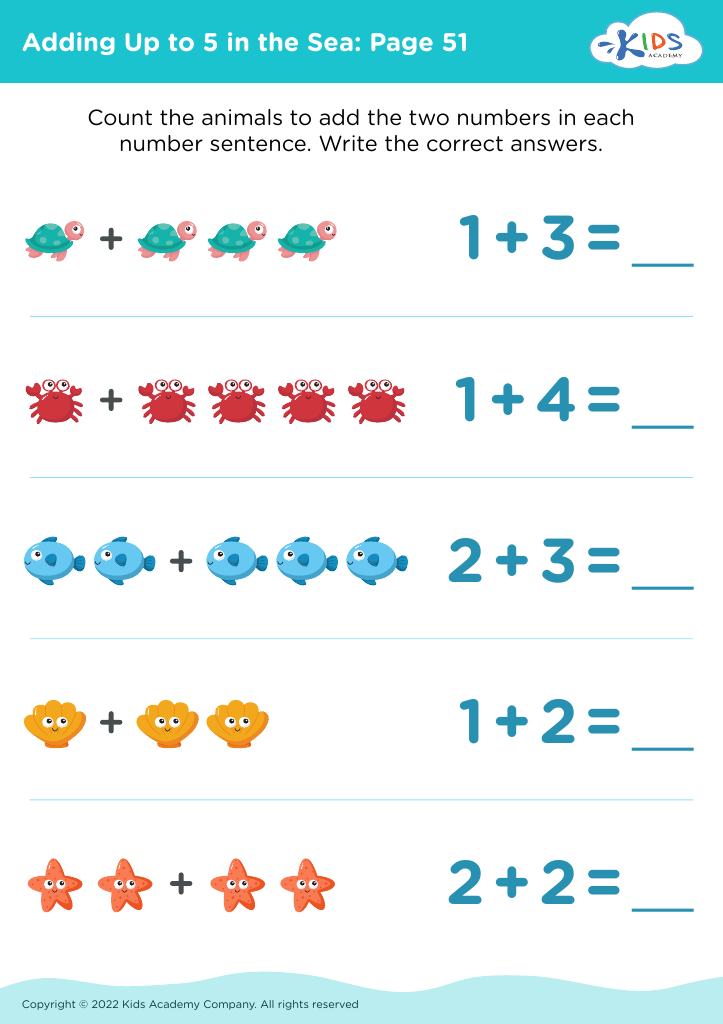
Discover our engaging "Understanding Number Relationships Worksheets for 4-Year-Olds," designed to nurture early math skills through fun and interactive activities. These worksheets help young learners explore essential concepts such as numbers, counting, and simple comparisons. Children will engage in exciting tasks that promote number identification, sorting, and one-to-one correspondence, laying the foundation for essential mathematical understanding. Our colorful and playful designs make learning enjoyable, encouraging kids to express their creativity while building confidence in their math abilities. Perfect for home or classroom use, these worksheets provide a valuable resource for fostering a love of learning in preschoolers. Start exploring today!
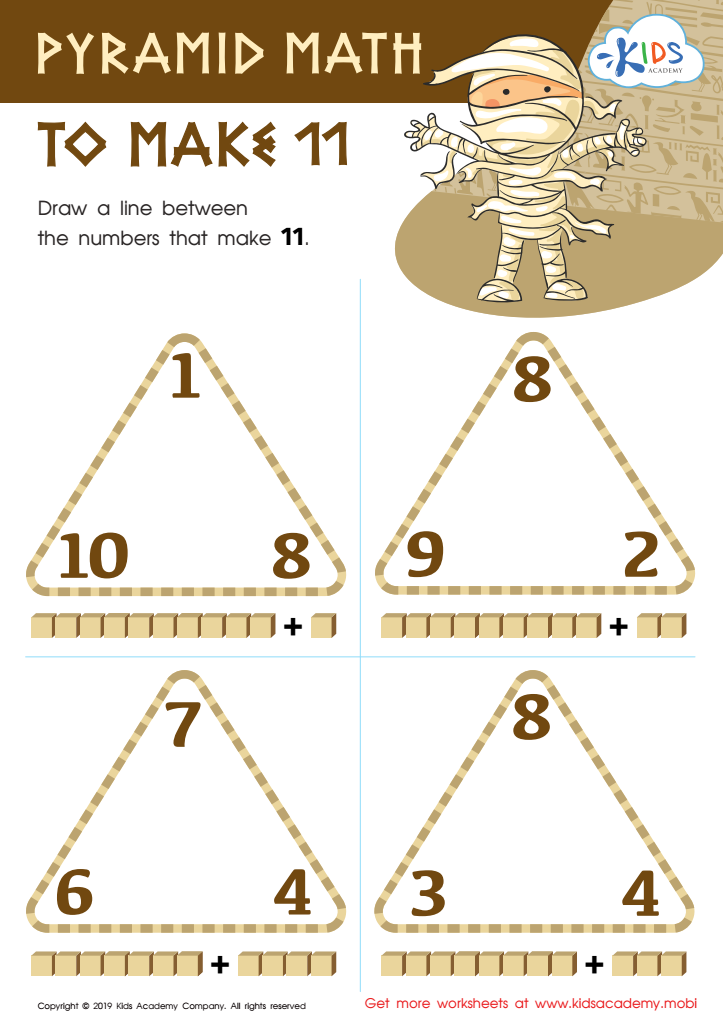
Pyramid Math to Make 11 Worksheet
 Assign to My Students







Understanding number relationships is crucial for the developmental foundation of 4-year-olds, significantly impacting their future learning. At this age, children are naturally curious and eager to explore the world around them, including numbers. Recognizing and comprehending number relationships—such as more and less, part and whole, or sequencing—helps children develop critical thinking and problem-solving skills.
When parents and teachers engage in activities that promote these understandings, children learn to categorize, compare, and establish connections between numbers in a meaningful way. This skills set lays the groundwork for more complex mathematical concepts they will encounter in school, facilitating a smoother transition to formal education.
Moreover, fostering these relationships enhances children's confidence in their mathematical abilities, fostering a positive attitude toward learning. Engaging in counting games, sorting objects, or discussing everyday math situations can make learning enjoyable and relatable. By investing time and effort in this foundational stage, adults play a pivotal role in nurturing young children’s cognitive and emotional growth. Ultimately, a solid understanding of number relationships not only supports mathematical success but also enriches overall intellectual development, setting the stage for lifelong learning and critical numeracy skills.








