Visual comprehension Worksheets for 4-Year-Olds
9 filtered results
-
From - To
Boost your 4-year-old's learning with our engaging Visual Comprehension Worksheets! Designed specifically for young learners, these worksheets help develop essential skills by incorporating vibrant illustrations and relatable scenarios. Kids will enjoy fun activities that enhance their ability to understand images and boost their vocabulary. Each worksheet encourages critical thinking and active exploration, making learning both enjoyable and effective. Great for use at home or in the classroom, our carefully crafted resources support early childhood education objectives. Equip your child with the skills they need to succeed while fostering a love for learning! Explore our collection and watch their confidence grow.
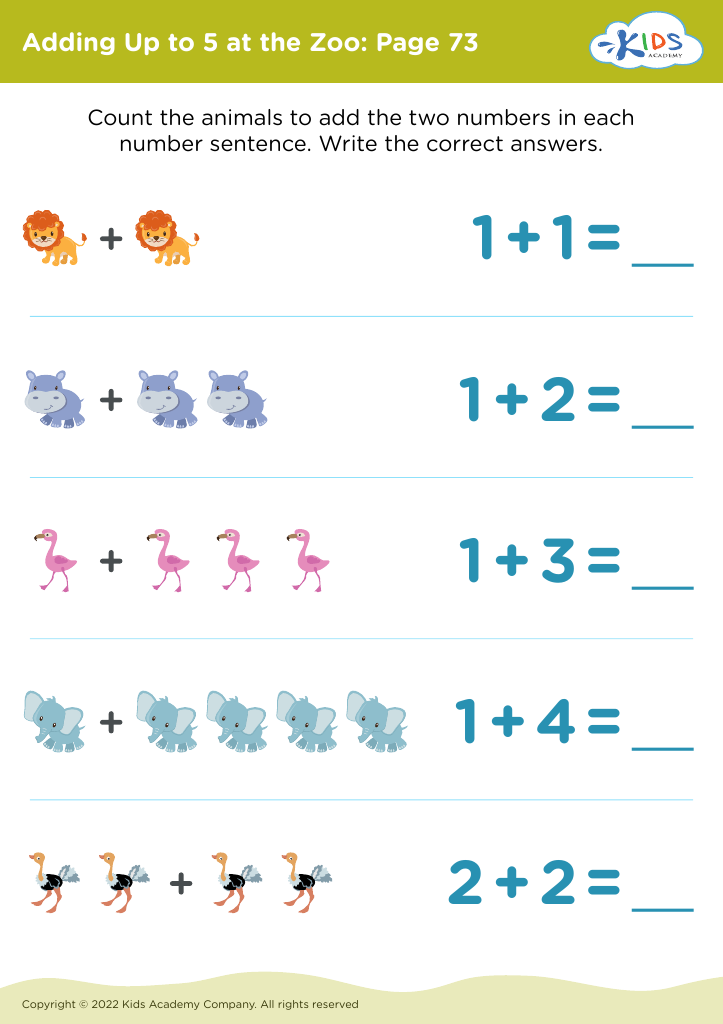
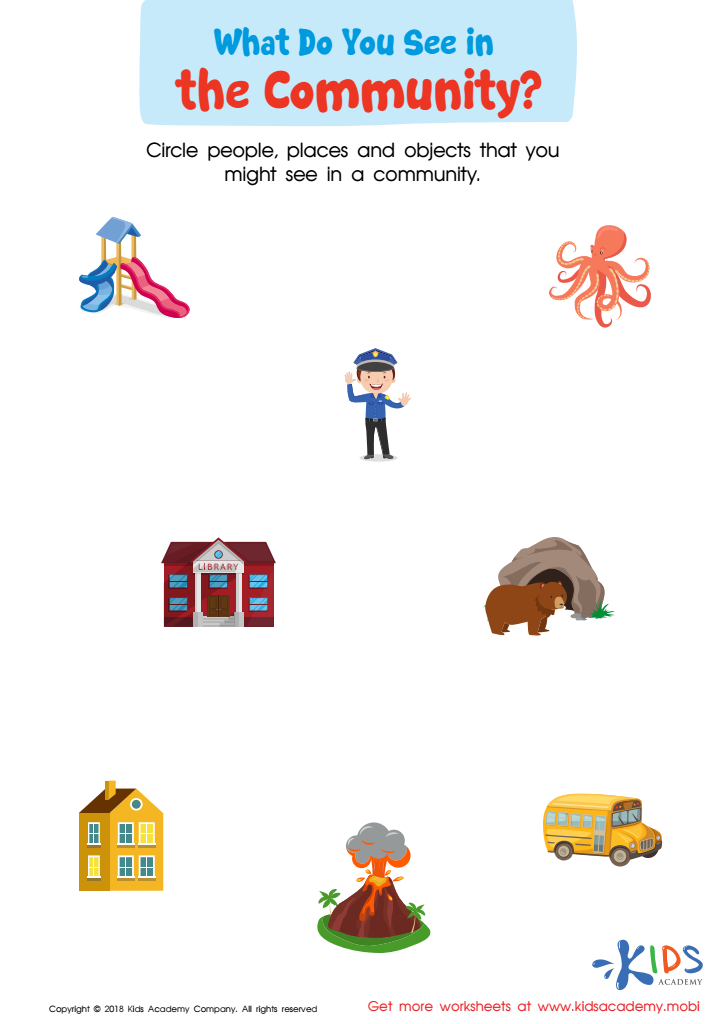
What Do You See in the Community Worksheet
 Assign to My Students
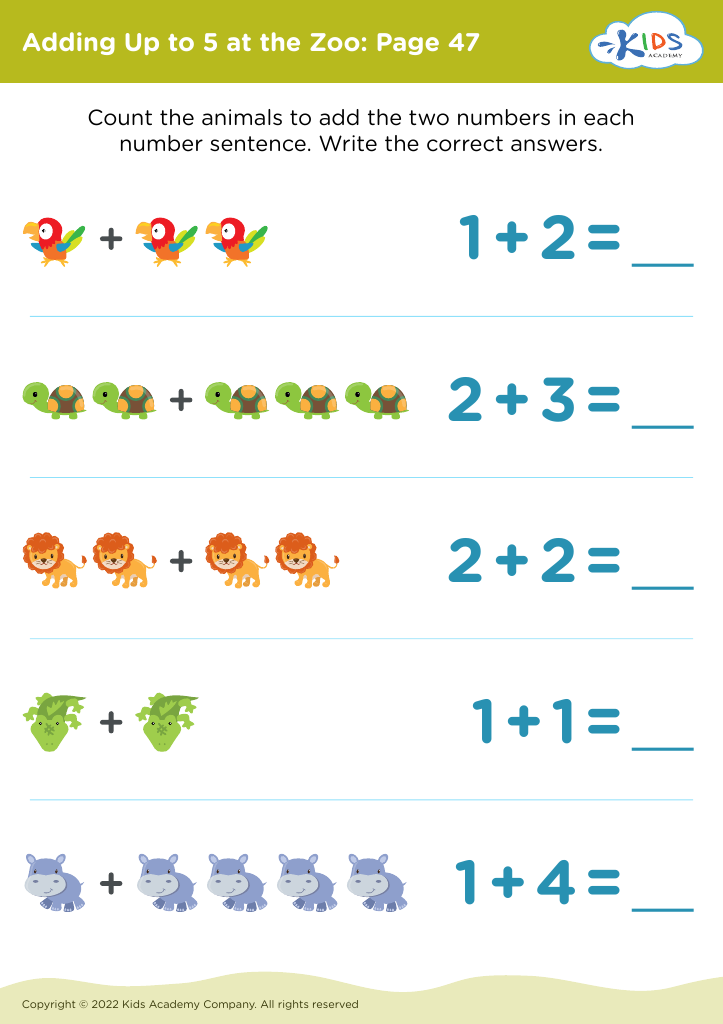
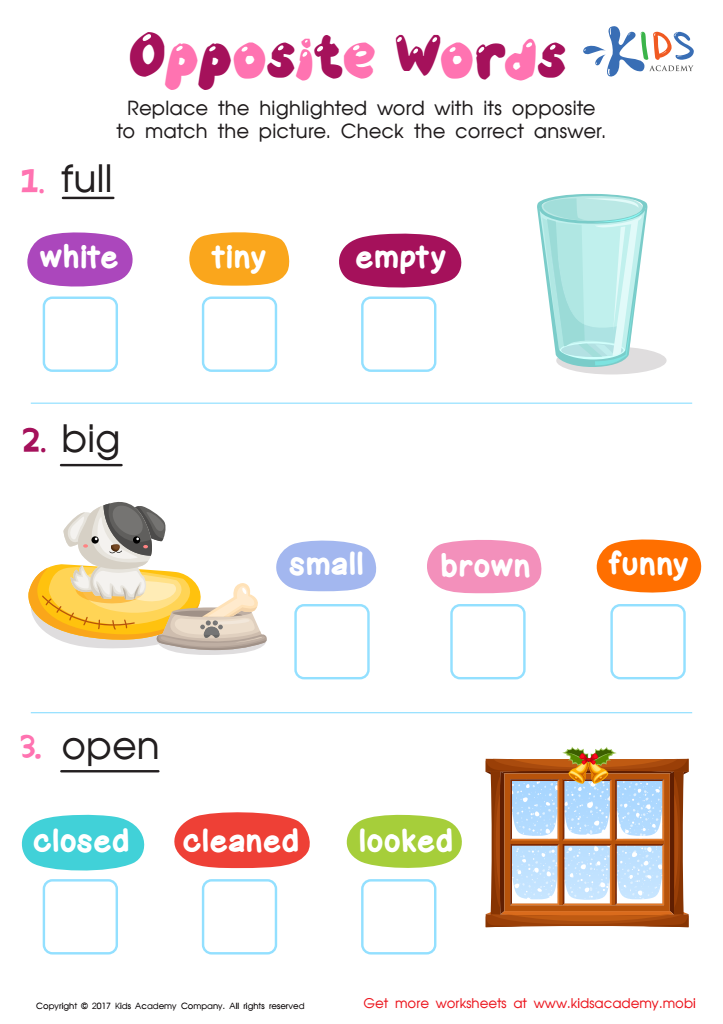
Opposite Words Worksheet
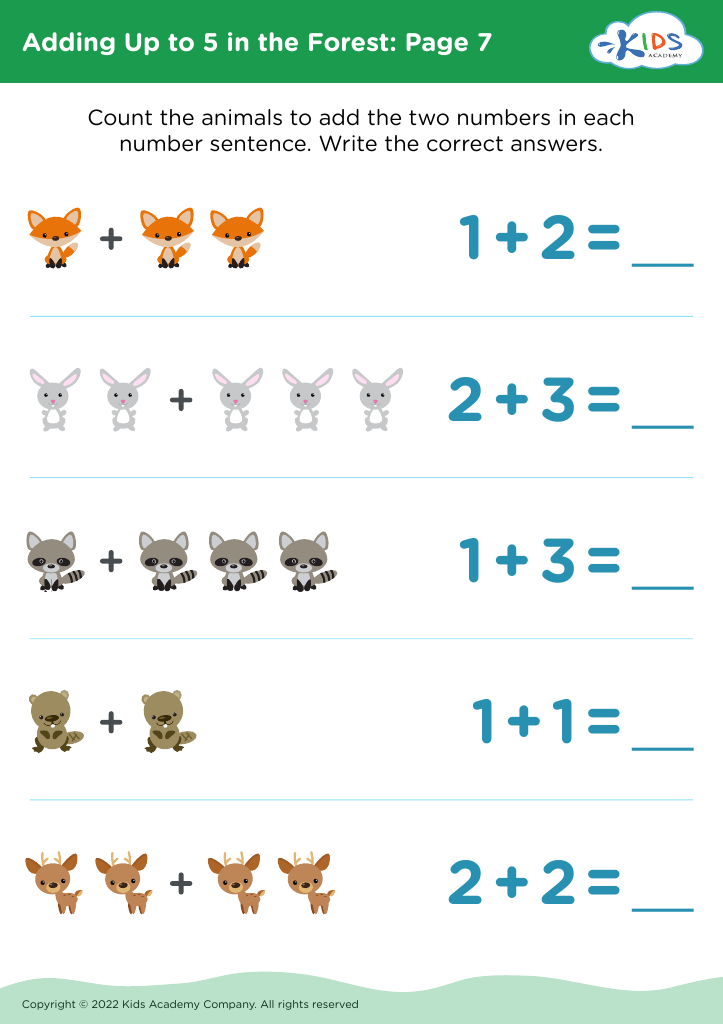
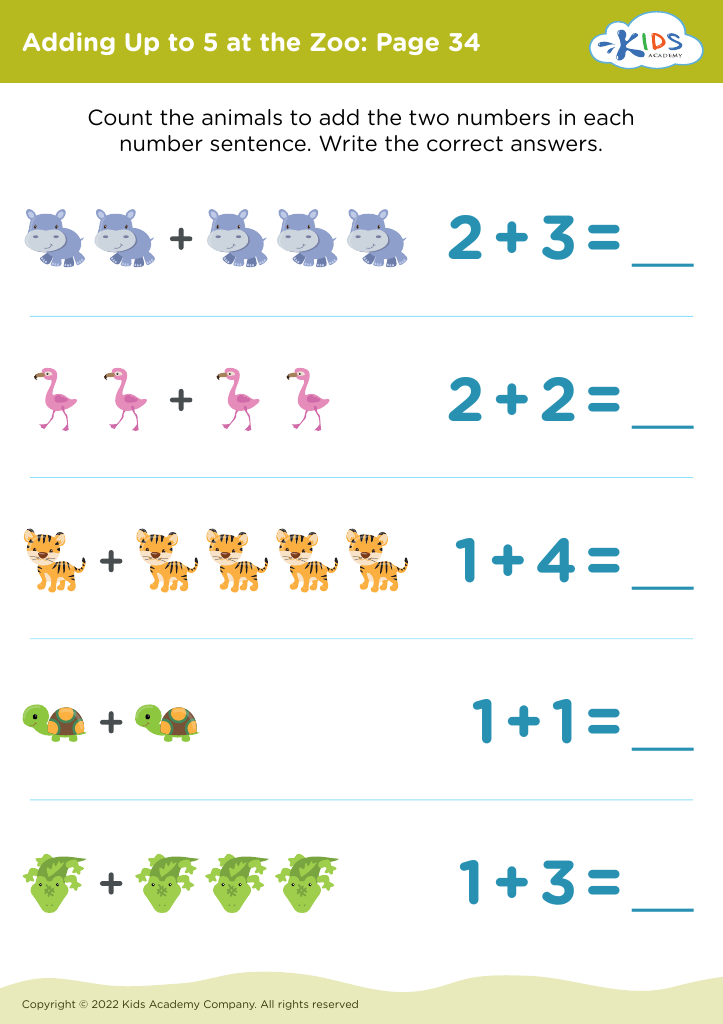
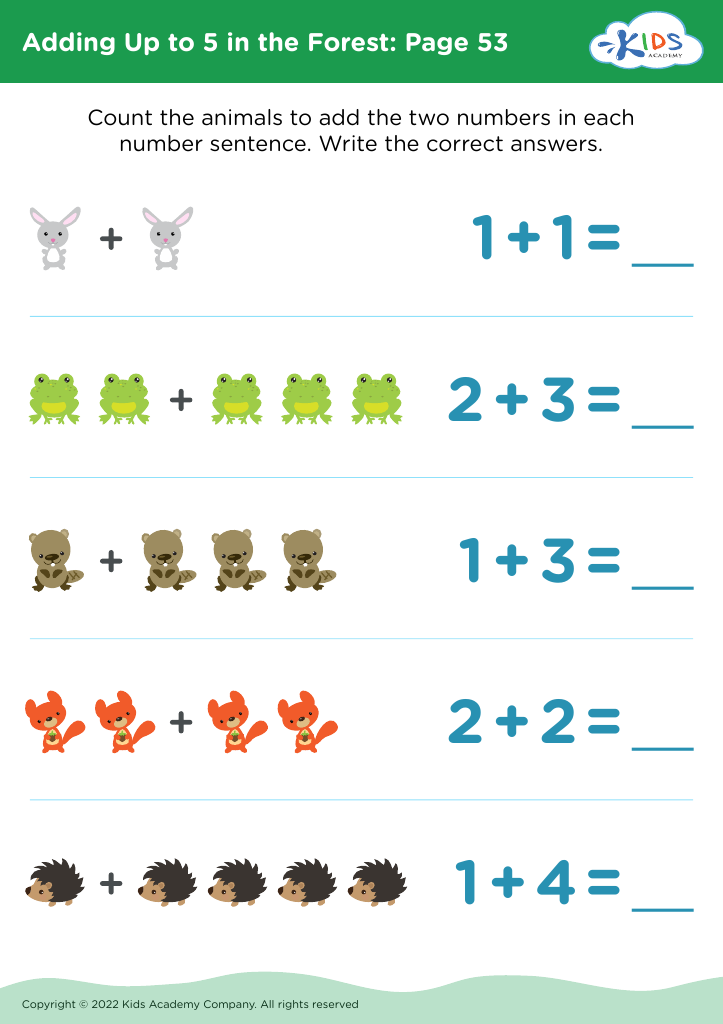
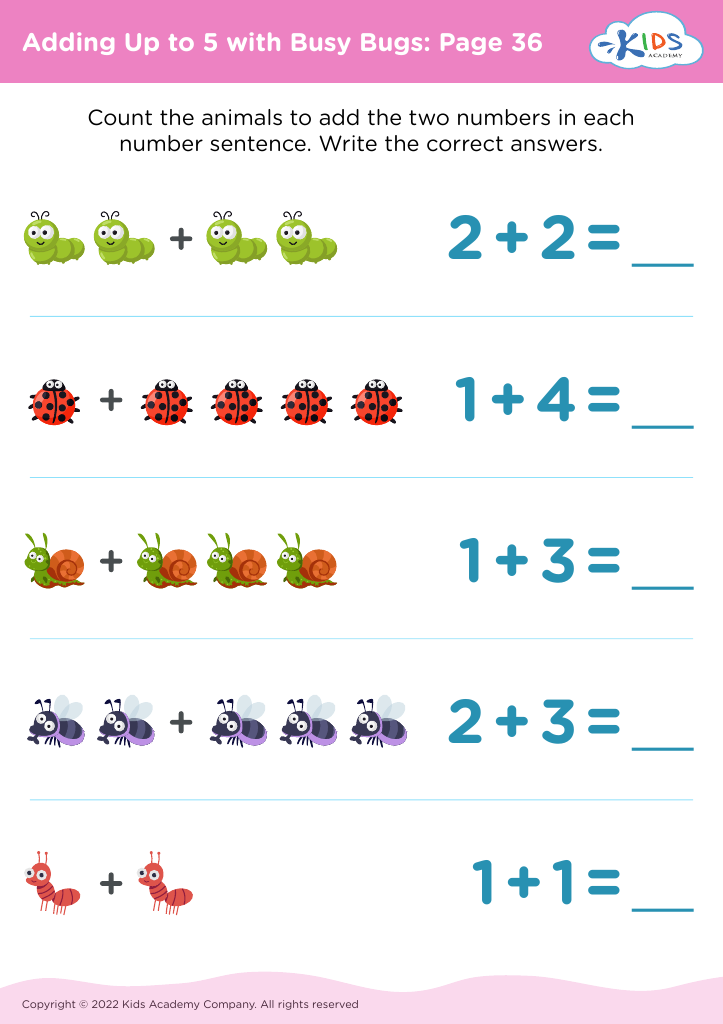
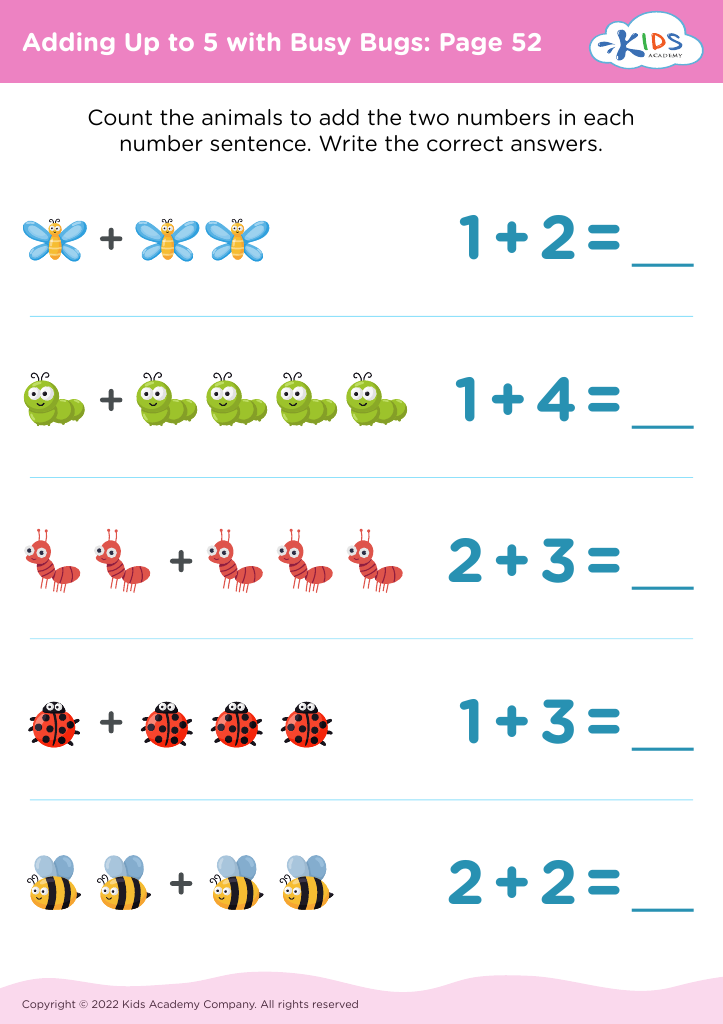








Parents and teachers should prioritize visual comprehension for 4-year-olds because it underpins a child’s overall learning and development. At this age, children are naturally curious and learning to process the world around them through their senses. Visual comprehension involves the ability to interpret and make sense of visual information, including shapes, colors, patterns, and spatial relationships.
Strong visual comprehension skills contribute to a range of developmental milestones. They facilitate language development as children link visuals to words and ideas. Enhanced visual skills also play a significant role in early literacy, with children able to recognize letters, read pictures, and understand sequences in stories. Furthermore, these skills lay the groundwork for more complex tasks in later education, such as problem-solving and critical thinking.
Additionally, strong visual comprehension prepares young learners to engage with learning materials, follow instructions, and build social skills by interpreting nonverbal cues. As foundational skills, these components are directly connected to a child’s confidence and overall academic success. Engaging parents and teachers in fostering visual comprehension can create enriching experiences that promote not only academic readiness but also a lifelong love for learning.








