Visual-motor skills Worksheets for 4-Year-Olds
4 filtered results
-
From - To
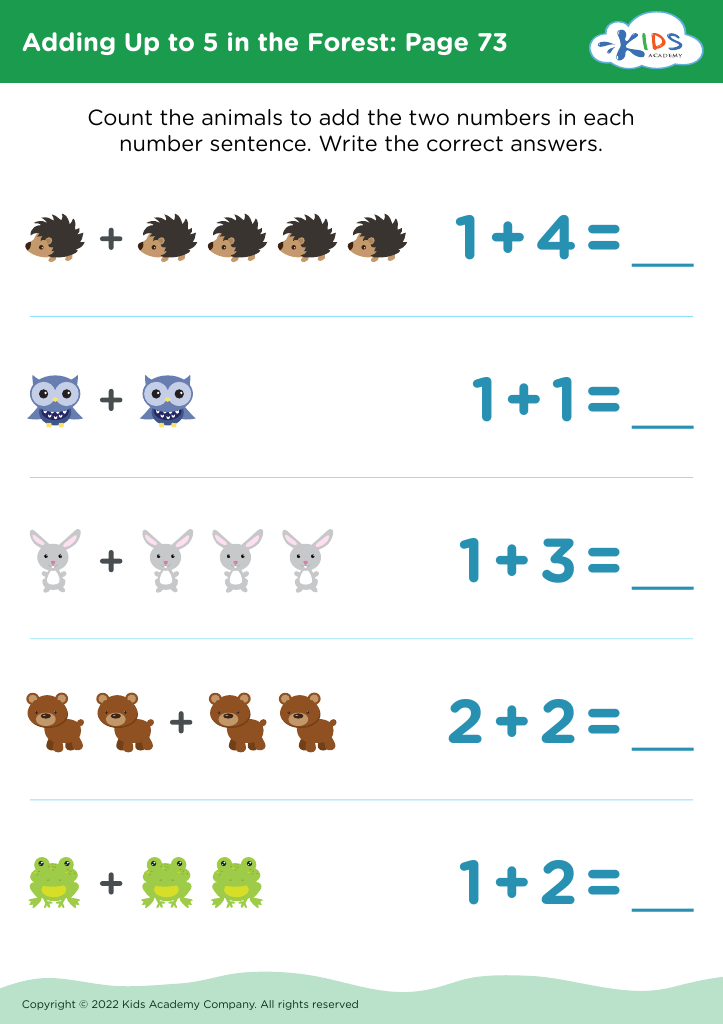
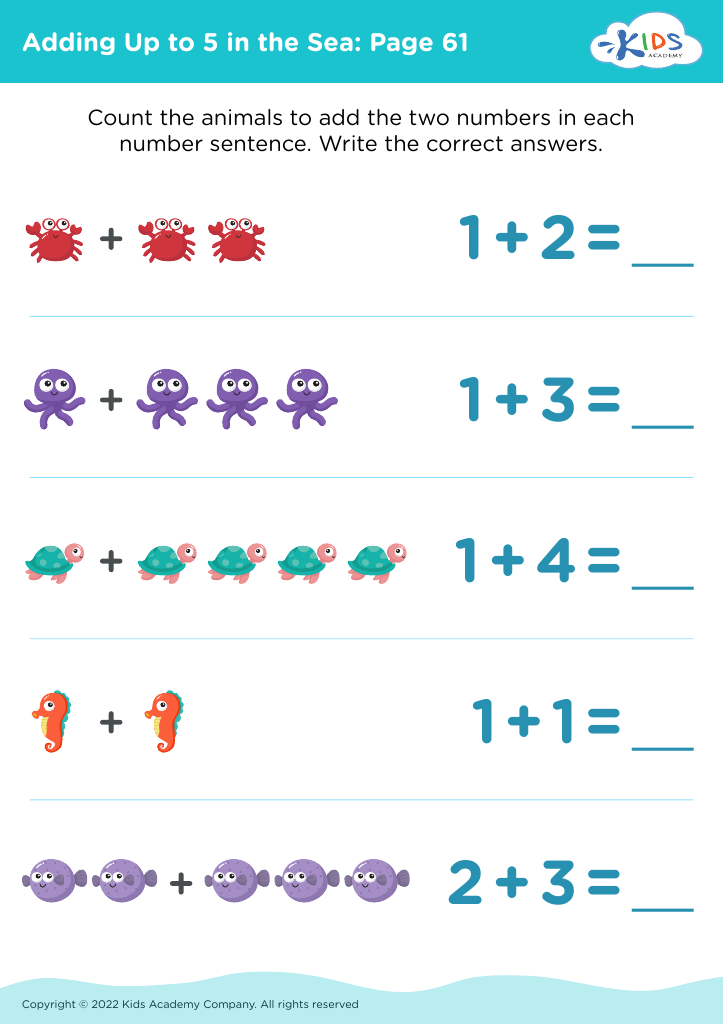
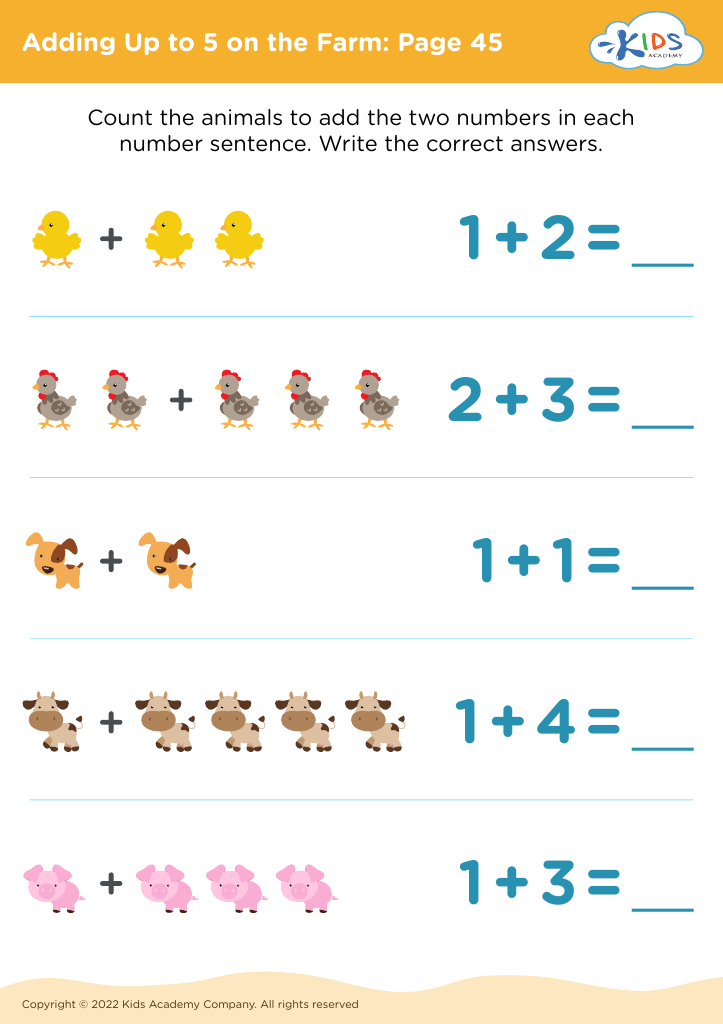
Enhance your child's visual-motor skills with our engaging worksheets designed specifically for 4-year-olds. These fun, printable activities combine play and learning, helping young learners develop essential coordination between their eyes and hands. Our worksheets include tracing, coloring, and simple puzzles that foster concentration and fine motor skills, while also encouraging creativity. Perfect for home or classroom use, these resources support early childhood education and prepare children for more advanced tasks as they grow. Download our visual-motor skills worksheets today and give your child the opportunity to explore, learn, and develop key skills in an enjoyable way!
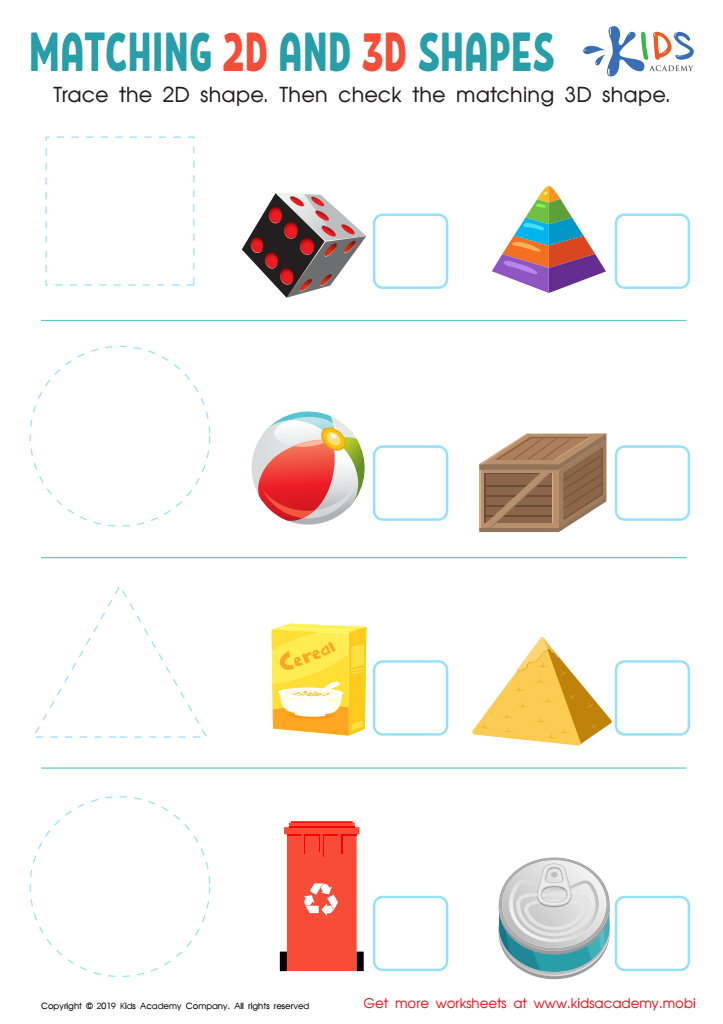
Matching 2D and 3D Shapes Worksheet
 Assign to My Students






Visual-motor skills, essential for a child’s development, play a crucial role in overall learning and daily functioning. For 4-year-olds, these skills involve the ability to coordinate visual perception with motor actions, enabling them to perform tasks like writing, drawing, and engaging in sports. Parents and teachers should care about fostering these skills because they lay the foundation for more complex activities in the future, such as reading and writing, which require precise hand-eye coordination.
Enhancing visual-motor skills also contributes to a child’s self-esteem and confidence. When children can successfully complete tasks, such as creating crafts or participating in games, it boosts their motivation and willingness to learn. Furthermore, these skills are closely linked to cognitive development; as children practice visual-motor coordination, they improve their problem-solving, planning, and spatial awareness abilities.
Failure to develop these essential skills may lead to difficulties in school and social interactions. Thus, parents and teachers should prioritize activities that promote visual-motor coordination, like playful drawing, puzzles, and games, to ensure that 4-year-olds are equipped with the skills they need for a successful transition into later stages of learning and development.








